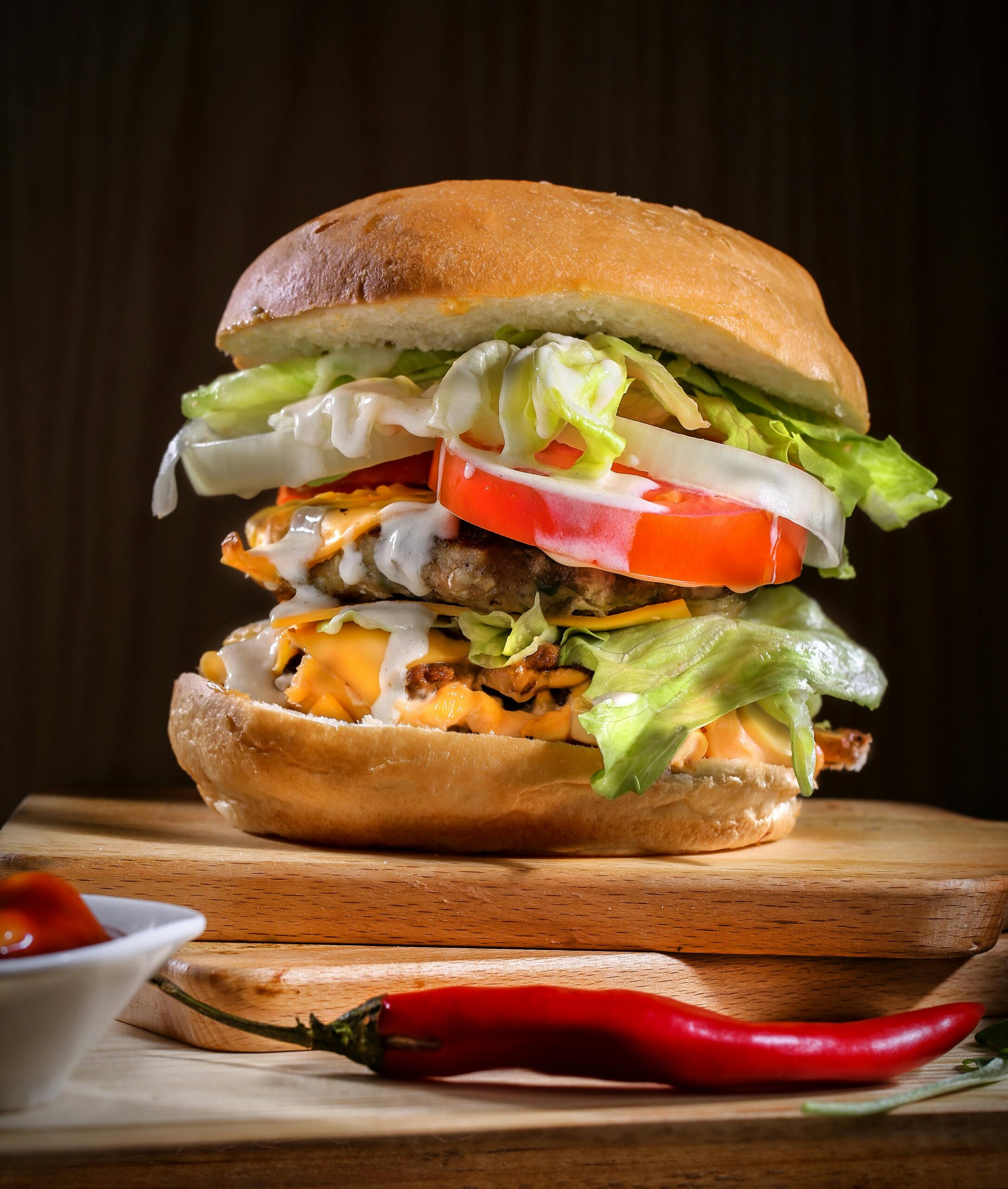
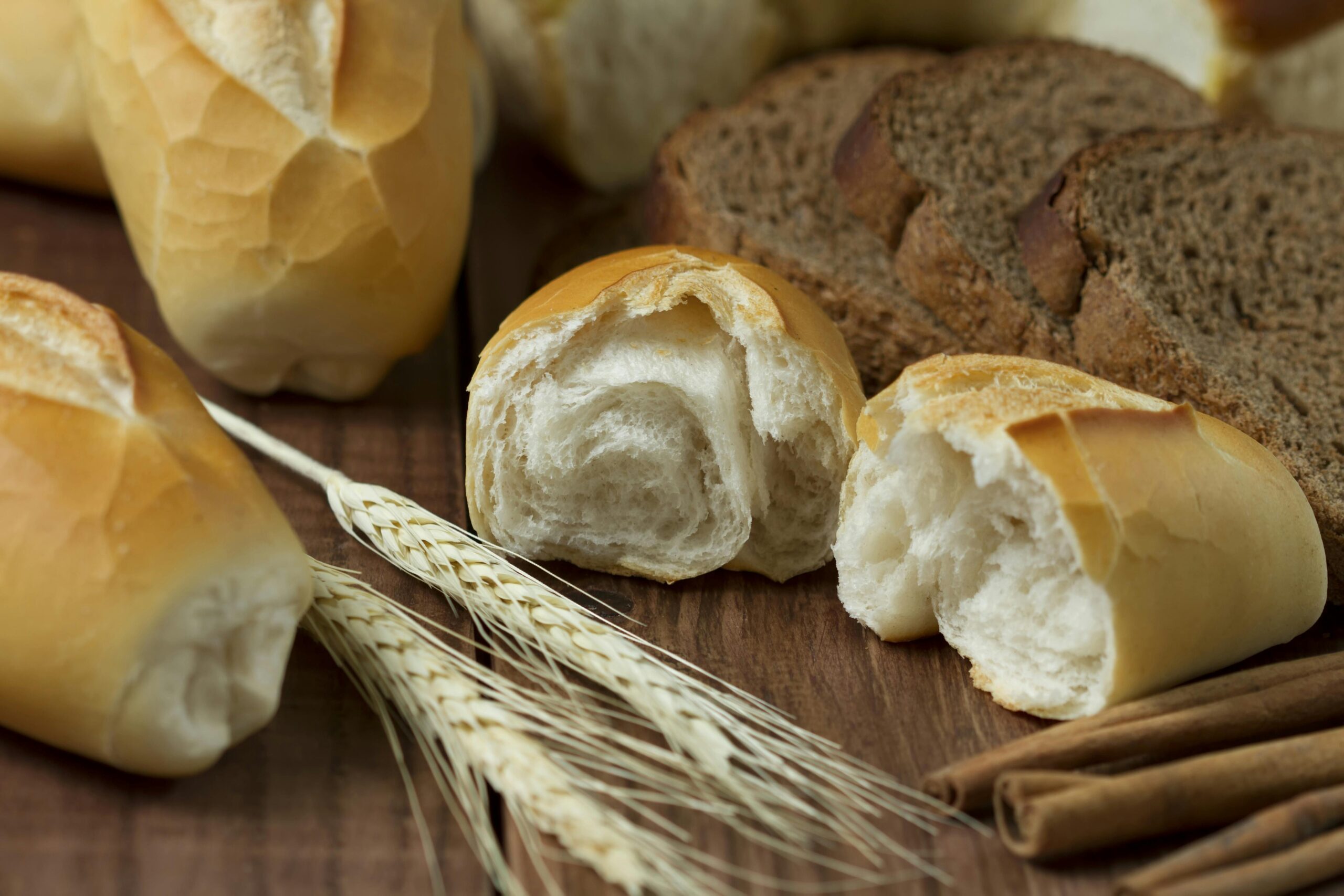
The grilled cheese elevated to art. Golden crispy bread, perfectly melted cheese!
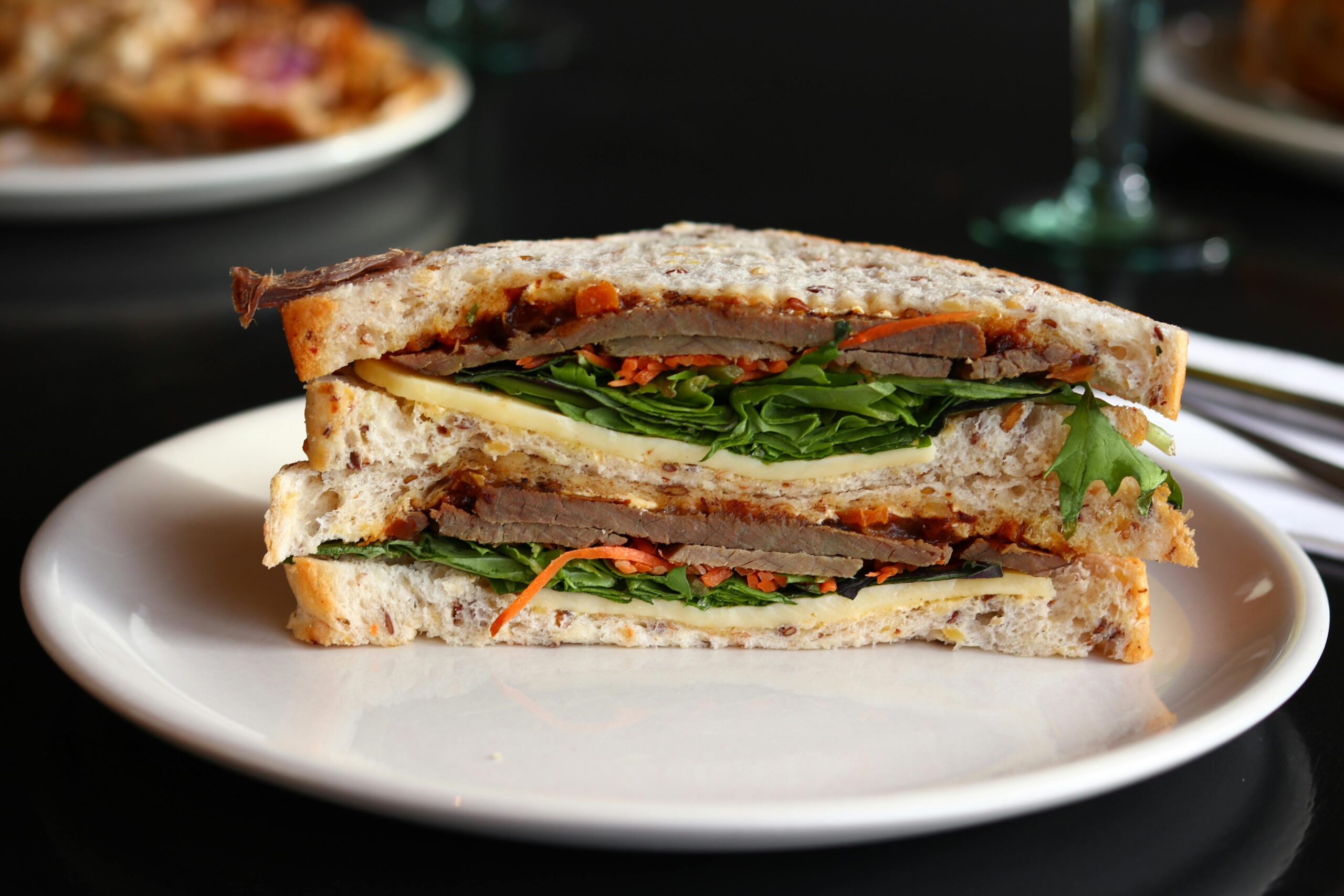
The Secret
Low heat, patience, and mayo on the outside for even browning. Cover pan to steam-melt cheese.
Ingredients
- 2 slices good bread
- 2-3 oz cheese
- 2 tbsp butter
Method
Butter bread. Cook medium-low 3-4 min per side. Cover with lid 1 min to melt cheese.
Best Combos
Cheddar + American. Gruyere + fontina. Brie + cranberry.
FAQ
Best bread?
Sourdough or Texas toast.
Prevent soggy?
Donot oversaturate with butter. Pat wet ingredients dry.
Master these tips for the best sandwiches!
Introduction
I’ve been making this dish for years, and I can tell you from experience that mastering the technique makes all the difference. Whether you’re a beginner or an experienced cook, this comprehensive guide will walk you through every step of the process.
Detailed Step-by-Step Instructions
Let me share the detailed process I’ve refined over time. Each step is important, so take your time and don’t rush through any part of the preparation.
Preparation Phase
Before you begin cooking, proper preparation is crucial. I’ve found that taking the time to prep everything beforehand makes the cooking process much smoother. Here’s what you need to do:
- Gather all ingredients: Make sure everything is measured and ready. This is what professional chefs call “mise en place” and it’s a game-changer.
- Prepare your workspace: Clear your counter and have all tools within reach. I like to have a damp towel nearby for cleaning as I go.
- Read through the recipe completely: Understanding the full process before starting prevents surprises.
Cooking Technique
The technique you use can make or break this dish. Here are the key points I’ve learned:
Temperature control is essential. I always preheat my equipment properly and maintain consistent heat throughout the cooking process. If you’re using a stovetop, a medium-high heat typically works best for most recipes, but adjust based on your specific equipment.
Timing matters more than you might think. I recommend setting timers for each step to ensure perfect results. Don’t rely on memory alone, especially when you’re trying a recipe for the first time.
Troubleshooting Common Issues
Over the years, I’ve encountered just about every problem you can imagine with this recipe. Here’s how to fix the most common issues:
Problem: Results Too Dry
Solution: This usually happens from overcooking or using too much heat. I’ve found that reducing the temperature and checking for doneness a few minutes earlier helps. You can also add a bit more liquid during cooking to maintain moisture.
Problem: Inconsistent Texture
Solution: This often comes from uneven cutting or mixing. Take your time with prep work and ensure all pieces are uniform in size. This ensures even cooking throughout.
Problem: Bland Flavor
Solution: Don’t be shy with seasonings! I always taste as I go and adjust. Remember, you can always add more, but you can’t take it away. Also, make sure you’re seasoning in layers throughout the cooking process, not just at the end.
Problem: Wrong Consistency
Solution: Too thick? Add liquid gradually until you reach the desired consistency. Too thin? Let it simmer longer to reduce, or add a thickening agent appropriate for the recipe.
Pro Tips and Expert Techniques
After making this countless times, here are my insider tips that make all the difference:
Ingredient Selection
I’ve learned that quality ingredients really do make a difference. When possible, choose fresh over processed. Visit your local farmers market for the best seasonal produce. The flavor difference is remarkable.
Equipment Matters
While you don’t need expensive equipment, having the right tools helps. I recommend investing in a few quality basics: a good sharp knife, a reliable cooking vessel, and accurate measuring tools. These will serve you well across countless recipes.
Make-Ahead Options
One of my favorite aspects of this recipe is how well it works for meal prep. You can prepare components in advance and store them properly. I often do the prep work the night before, which makes the actual cooking much quicker and less stressful.
Storage and Reheating
Leftovers can be just as delicious as the original if stored and reheated properly. Use airtight containers and refrigerate within two hours of cooking. For reheating, I find that gentle, low heat works best to preserve texture and flavor. Add a splash of liquid if needed to restore moisture.
Delicious Variations to Try
Once you’ve mastered the basic recipe, I encourage you to experiment with these variations:
Dietary Modifications
This recipe is quite adaptable. For vegetarian versions, you can substitute plant-based alternatives. For gluten-free diets, use appropriate substitutions for any flour or wheat-based ingredients. I’ve successfully made both versions and they’re equally delicious.
Flavor Variations
Try adding different herbs and spices to create your own signature version. Some of my favorite additions include fresh herbs, citrus zest, or a touch of heat with chili flakes. Don’t be afraid to experiment – some of my best discoveries came from creative substitutions.
Seasonal Adaptations
I love adapting this recipe to whatever’s in season. Summer versions might include fresh tomatoes and basil, while winter variations could incorporate heartier root vegetables and warming spices.
Pro Tips for the Perfect Grilled Cheese
Creating the ultimate grilled cheese requires attention to detail and some insider knowledge. Here are essential tips from chefs that can elevate your sandwich:
- Choose the Right Cheese: While classic cheddar is a favorite, exploring cheeses like Gouda, Havarti, or even a sharp blue cheese can add complexity. Aim for a mix of cheeses to balance flavors and achieve optimal melt.
- Use a Cast Iron Skillet: For even heat distribution, a cast iron skillet is unbeatable. It retains heat well and creates a perfect golden crust. If you don’t have one, a non-stick pan will also work but may require more attention to prevent sticking.
- Experiment with Add-Ins: Try adding ingredients like caramelized onions, tomatoes, or crispy bacon for a gourmet twist. However, keep them thin to prevent sogginess and ensure even cooking.
- Monitor Color and Texture: Look for a deep golden color on the outside. If it’s browning too quickly, lower the heat. This slow cooking allows the cheese to melt thoroughly without burning the bread.
- Let it Rest: After cooking, let your grilled cheese sit for a minute before cutting. This allows the cheese to set slightly and prevents it from oozing out completely when sliced.
The Science Behind Grilled Cheese: Common Mistakes to Avoid
Understanding the science behind cooking can help you avoid common pitfalls when making grilled cheese sandwiches. Here are mistakes to watch out for:
- Using Too Much Heat: High heat can lead to burnt bread and unmelted cheese. Cooking on medium-low heat ensures the bread gets crispy while allowing the cheese to melt evenly.
- Skimping on Butter or Mayo: While it may seem tempting to reduce fat for a healthier option, using insufficient butter or mayo can result in a dry sandwich. The fat not only aids in browning but also adds flavor and moisture.
- Overloading with Ingredients: Adding too many fillings can overwhelm the sandwich and prevent proper cooking. Stick to a few well-chosen ingredients to maintain balance.
- Not Covering the Pan: Covering the skillet while cooking helps trap steam, which is essential for melting cheese. Without this step, you may end up with perfectly toasted bread and cheese that remains stubbornly solid.
| Step | Time (minutes) | Temperature (°F) |
|---|---|---|
| Butter Bread | 1 | N/A |
| Cooking Each Side | 3-4 | Medium-Low (300-325) |
| Covering to Melt Cheese | 1 | N/A |
| Resting Time | 1 | N/A |
Frequently Asked Questions
What type of cheese is best for grilled cheese?
The best cheeses for grilled cheese are those that melt well, such as cheddar, Gruyere, or Monterey Jack. Combining cheeses can enhance flavor and texture, so consider mixing different varieties for a gourmet experience.
How can I prevent my grilled cheese from getting soggy?
To prevent sogginess, avoid using too much butter or wet ingredients. Pat any wet ingredients dry before adding, and ensure your bread is adequately toasted before adding cheese. This keeps the sandwich crispy.
Can I use alternative breads for grilled cheese?
Absolutely! While sourdough and Texas toast are popular choices, you can use rye, whole grain, or even gluten-free bread. Just ensure the bread is sturdy enough to hold the fillings without falling apart.
What can I serve with grilled cheese?
Grilled cheese pairs excellently with a variety of sides. Consider serving it with tomato soup, a fresh salad, or pickles for a balanced meal. These accompaniments complement the richness of the sandwich.
Final Thoughts
I hope this comprehensive guide helps you create an amazing dish. Remember, cooking is as much about the journey as the destination. Don’t stress if things don’t turn out perfect the first time – I’ve had plenty of learning experiences myself! Each time you make this, you’ll get more comfortable with the process and develop your own techniques.
The most important thing is to enjoy the process. Cooking should be fun and rewarding. Take your time, stay present, and don’t be afraid to make adjustments based on your preferences and available ingredients. That’s how family recipes are born!
I’d love to hear how your version turns out. Every cook brings their own touch to a recipe, and that’s what makes cooking such a beautiful art form. Happy cooking!
Sources & References
The Science of the Perfect Melt
Achieving the ideal grilled cheese requires understanding cheese melting science. American cheese melts smoothly due to emulsifying salts that prevent fat separation. Aged cheeses like cheddar or gruyere offer more complex flavors but can separate if overheated. Combining American cheese with aged cheese gives you both meltability and flavor depth.
Grating cheese rather than slicing creates more surface area for even melting. Room temperature cheese melts faster and more uniformly than cold cheese. These small details differentiate a good grilled cheese from a great one.
Bread Selection and Preparation
Bread choice significantly impacts the final sandwich. Sourdough provides tang and sturdy structure. Brioche adds richness and sweetness. White sandwich bread offers nostalgic simplicity. Whatever bread you choose, it should be sliced about half an inch thick, substantial enough to hold up to filling without becoming soggy.
Butter the bread generously on the outside before cooking. Mayonnaise instead of butter creates even crispier results due to its higher smoke point and emulsified fat content. Room temperature butter spreads more evenly than cold butter, preventing bread tears.
Cooking Technique Mastery
Low and slow cooking produces the best grilled cheese. High heat browns the outside before the cheese melts properly. Medium-low heat allows the bread to develop golden color while giving cheese time to become gooey throughout. Cover the pan during cooking to trap heat and accelerate melting.
Cheese Melting Guide: Choosing the Right Cheese
The cheese you select determines whether your grilled cheese achieves that coveted stretchy, gooey pull or ends up greasy and separated. Not all cheeses melt equally, and understanding why helps you make better choices and creative combinations.
Melting behavior depends on three factors: moisture content, fat content, and acidity. Young, high-moisture cheeses melt more smoothly because water acts as a lubricant between proteins. Aged cheeses like Parmesan have less moisture, so their proteins clump rather than flow. Fat content also matters: higher-fat cheeses melt more smoothly because fat disrupts the protein network that would otherwise make cheese stringy or rubbery.
| Cheese | Melting Quality | Flavor Profile | Best Paired With | Notes |
|---|---|---|---|---|
| American | Excellent – smooth, creamy | Mild, buttery | Classic white bread, sourdough | Processed for optimal melting |
| Cheddar (mild/medium) | Very good – creamy | Sharp, tangy | Sourdough, rye bread | Sharp cheddar releases more oil |
| Gruyere | Excellent – slightly stretchy | Nutty, complex, sweet | Crusty French bread, rye | Classic croque monsieur cheese |
| Fontina | Excellent – very stretchy | Mild, earthy, buttery | Ciabatta, Italian bread | One of the best melting cheeses |
| Mozzarella (low moisture) | Very good – extremely stretchy | Mild, milky | Italian bread, focaccia | Use low-moisture for grilled cheese |
| Brie | Good – melts into pools | Rich, mushroomy, creamy | Brioche, sourdough | Remove rind or leave for complexity |
| Pepper Jack | Very good – creamy with spice | Spicy, tangy | Sourdough, jalapeno bread | Built-in heat pairs with bacon |
| Gouda (young) | Excellent – very smooth | Sweet, caramel-like | Pumpernickel, wheat bread | Aged gouda does not melt as well |
For the ultimate grilled cheese, combine two or three cheeses: one for superior melting such as American or Fontina, one for flavor like Gruyere or sharp Cheddar, and optionally one for stretchy texture like low-moisture Mozzarella. This combination approach is what separates a good grilled cheese from a truly memorable one.
Bread Comparison for Grilled Cheese
Bread is half the grilled cheese equation, yet it receives far less attention than it deserves. The ideal bread provides structural integrity to contain melted cheese, develops a golden crust when toasted, and contributes its own flavor to the sandwich.
Sourdough is the gold standard for grilled cheese. Its sturdy crumb holds up to melted cheese without becoming soggy, while the tangy flavor complements rich, melty cheese beautifully. The natural fermentation creates an open crumb structure with good air pockets that crisp up magnificently. Slice it about half an inch thick for the best texture balance.
White sandwich bread remains the classic choice for good reason. Its soft, even crumb creates a uniform golden crust and its neutral flavor lets the cheese shine. Texas toast, pre-sliced thick, is particularly well-suited because its thickness prevents sogginess while providing substantial crunch.
Rye bread adds earthy, slightly bitter notes that pair exceptionally well with Swiss cheese and Gruyere. Pumpernickel, a darker rye variety, creates a striking visual contrast with melted cheese and offers deep, malty flavors. Both rye varieties are sturdier than white bread, making them excellent choices for grilled cheese with additional fillings.
Brioche and challah bring richness through their egg and butter content. They brown quickly due to higher sugar content, so reduce heat slightly when using these breads. The result is an indulgent, almost pastry-like grilled cheese that works wonderfully with brie and fruit preserves.
Pro Tips for Better Results
Preparation is key to success in the kitchen. Read the entire recipe before starting and gather all ingredients. This mise en place approach prevents surprises mid-cooking.
Taste as you cook and adjust seasonings throughout the process. Your palate is the best guide to creating delicious food.
Do not be afraid to make mistakes. Every failed dish teaches something valuable about technique and flavor.
Quality ingredients make a noticeable difference. When possible, choose fresh, seasonal produce and high-quality proteins for the best results.

CookingZone Editorial
Expert culinary content covering cooking techniques, authentic recipes, and kitchen innovation.