
Food loses heat the moment it leaves the pan, and a plate that travels from a hot kitchen to a table twenty feet away, then sits while everyone gets seated and the host makes one more trip for the gravy, has already lost more warmth than most people account for. By the second person served at a table of eight, the first plate served can be noticeably cooler than it left the kitchen.
The fix is not cooking everything hotter, which mostly just scorches food trying to overcome a problem that is really about time and surfaces, not heat output. The fix is a handful of specific habits: warm plates, a realistic sense of which dishes tolerate sitting and which do not, and a serving order that gets the fastest-cooling items to the table last rather than first.
What follows sorts common dishes by how well they hold, explains why an unheated plate is doing more damage than people realize, and lays out a serving sequence built around temperature rather than the order dishes happen to finish cooking.
- Biggest single fix: warm the plates before food ever touches them
- Safe hold window: two hours maximum at room temperature for cooked food
- Safe holding temperature: above 140F if holding longer, using a warming device
- Dishes that hold well: braises, stews, gravies, dense casseroles
- Dishes that do not: anything fried, delicate fish, dressed salads, soft-cooked eggs
- Serving order: fastest-cooling foods go out last, closest to the moment of eating
Why an unheated plate undoes the cooking
A ceramic plate at room temperature, roughly 70F, pulls heat out of hot food the instant they touch, since heat always flows from a warmer object to a cooler one until they meet somewhere in between. Food plated at 160F on a 70F plate loses a real, measurable amount of temperature within the first minute, before a single bite is taken.
Warming plates in a low oven, around 200F, for ten to fifteen minutes before service closes most of that gap, since the plate is no longer acting as a heat sink pulling warmth away from the food sitting on it. A stack of plates warmed this way stays warm long enough to matter through a full course, not just the first minute.
Where a warming oven setting is not available, running very hot tap water over plates and drying them immediately before plating achieves a smaller but still noticeable version of the same effect, useful for a quick fix mid-meal.
Which dishes tolerate a hold, and which fall apart
| Dish type | Holds well | Why |
|---|---|---|
| Braises and stews | yes, often improves | high moisture content, collagen keeps texture stable |
| Gravy and sauces | yes, with occasional stirring | liquid form resists drying out |
| Dense casseroles | yes | large mass retains heat, low surface area to volume |
| Roasted vegetables | moderately | can soften but stays edible |
| Fried foods | no | trapped steam softens the crust almost immediately |
| Delicate fish | no | overcooks quickly even off direct heat |
| Dressed green salads | no | wilts and releases water within minutes |
| Soft-cooked eggs | no | continues cooking past the intended texture |
The pattern across the dishes that hold well is moisture and mass; the pattern across the ones that do not is a delicate structure that a hold time actively works against, whether that is a crisp crust, a runny yolk, or fresh greens.
The two-hour rule, and what it actually protects against
Cooked food left at room temperature, roughly between 40F and 140F, sits in the range where bacteria multiply fastest, and the standard guidance caps that exposure at two hours total, including the time spent cooling on the counter, sitting on a buffet table, or waiting for latecomers before serving. Past that window, the risk is not about taste; it is about food safety.
A dish held at a genuinely hot temperature, above 140F, using a warming tray, a slow cooker on low, or a chafing dish over a heat source, resets that clock, since the food is no longer sitting in the range where bacterial growth accelerates. This is the entire reason professional buffet service uses active heating equipment rather than simply covering dishes and hoping.
A home dinner without dedicated warming equipment should treat the two-hour window as a hard limit from the moment food finishes cooking to the moment it is either eaten or refrigerated, which for a long, multi-course dinner means planning cook times carefully rather than getting everything done hours before guests arrive.
Simple warming setups for a home kitchen
An oven set to its lowest temperature, often 170 to 200F, doubles as a holding space for dishes that tolerate gentle, dry heat, particularly roasted meats resting before carving and dense casseroles that were already fully cooked. Covering loosely with foil prevents the surface from drying out further during the hold.
A slow cooker on the warm or low setting works well for gravies, braises, and anything liquid or semi-liquid that needs to stay above 140F for an extended stretch without continuing to cook or reduce further. This is a genuinely useful tool for a dinner where the gravy finishes twenty minutes before the turkey does.
An improvised double boiler, a heatproof bowl set over a pot of barely simmering water, holds sauces and delicate warm sides gently without direct heat scorching the bottom, similar in principle to a proper chafing dish setup used at catered events.
A serving order built around temperature, not tradition
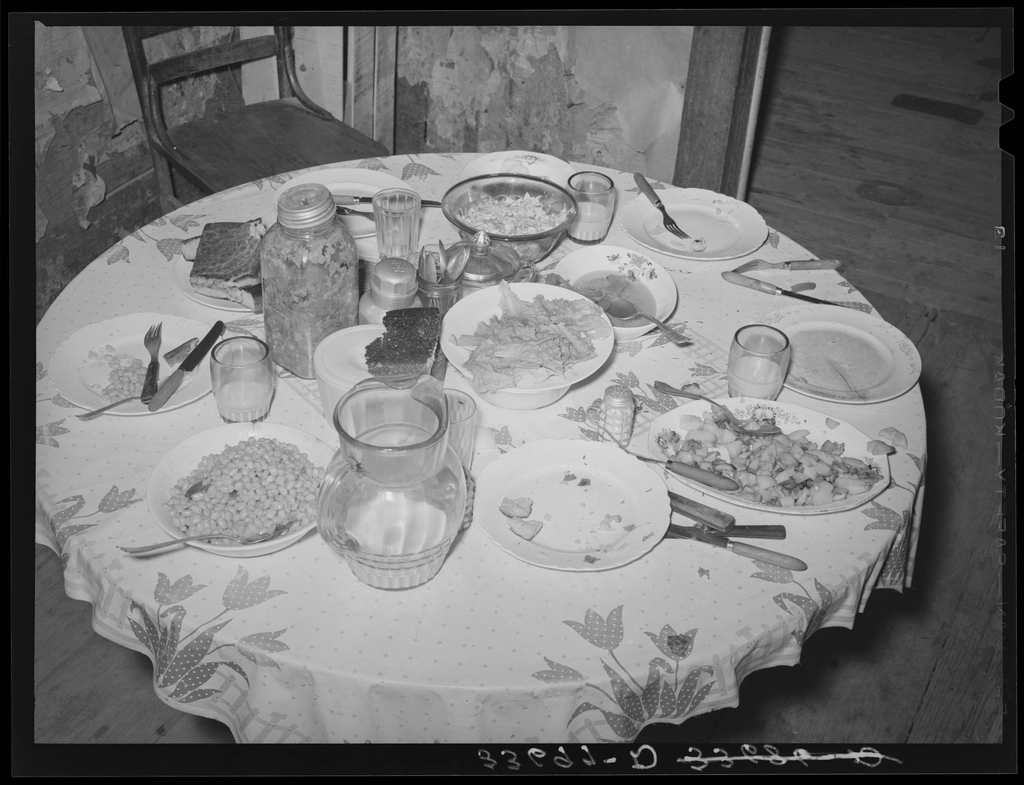
Many households serve food in the order it happens to finish cooking, which often means the first thing out of the oven sits the longest before anyone eats it. A serving order built around how fast each dish cools, instead, puts the most heat-sensitive items out last, closest to the actual moment of eating.
Dense, moisture-rich dishes like a braise or a casserole can come out ten or fifteen minutes ahead of serving with minimal quality loss, using that window as a buffer for last-minute kitchen tasks. Delicate items, a quickly seared piece of fish or a dish finished with fresh herbs and a bright sauce, should be the very last thing plated, timed to leave the kitchen only once everyone is already seated.
This reordering also solves a common hosting problem where the cook is still in the kitchen finishing one dish while the rest of the table sits with food already cooling in front of them; sequencing service so guests are not seated until the most temperature-sensitive dish is genuinely ready avoids that entirely.
Reheating gently instead of blasting with high heat
A dish that has cooled more than intended before serving is not automatically ruined, but reheating it hard and fast, especially in a microwave at full power, often overcooks the outer edges before the center comes back up to temperature. A gentler reheat, in a low oven or over low stovetop heat with a splash of added liquid, brings a dish back without pushing it past done.
Sauces and gravies in particular benefit from reheating with a small amount of added stock or water and gentle stirring, since sauces reduce and thicken further as they sit, and reheating without adjusting the liquid content can leave a sauce noticeably heavier and saltier than it was when first made.
Table setup that helps hold heat longer
Serving dishes set directly on a cold countertop or an unlined table surface lose heat faster than those set on a trivet or a folded cloth, which insulates the bottom of the dish from a cold surface pulling temperature away. This is a small detail that adds up over the length of a full meal.
Covering serving dishes with a lid or foil between servings, rather than leaving them fully open on the table, traps rising heat and steam that would otherwise escape, extending how long a dish stays genuinely warm without any active heating equipment involved at all.
Putting it together for a real dinner party
- Warm the plates in a low oven for 10 to 15 minutes before the first course. This alone fixes a large share of the complaint.
- Group dishes by how well they hold, and plan cook times backward from that. Sturdy dishes can finish early; delicate ones finish last.
- Set up one simple warming method for anything that needs to wait. A low oven, a slow cooker, or a double boiler covers most cases.
- Do not seat guests until the most delicate dish is genuinely close to ready. A short wait beats a cold plate.
- Cover serving dishes between portions and set them on an insulating surface. Small details, but they add up over a long meal.
- Track the two-hour clock on anything sitting out at room temperature. Refrigerate or actively reheat past that point.
Keeping food warm for a party: a quick reference
| Situation | Fix |
|---|---|
| Plates feel cold within minutes of serving | warm plates in a low oven for 10 to 15 minutes first |
| Gravy thickens too much while waiting | hold on low with a splash of stock, stirred occasionally |
| Roasted meat needs to wait for other dishes | tent loosely with foil, rest counts toward the two-hour window |
| Fried appetizers going soft on the table | serve immediately in small batches rather than holding a large one |
| Buffet running longer than two hours | switch to active heating equipment above 140F or refresh in smaller batches |
Keeping food warm for a party rarely comes down to one single trick; it comes down to matching each specific dish on the table to the fix that actually addresses why it cools or degrades, rather than applying the same covered-dish approach to everything at once.
A host working alone, without extra hands to manage warming equipment and serving simultaneously, benefits from choosing a smaller number of dishes that genuinely hold well over a longer, more ambitious menu that requires constant last-minute attention across several delicate items at once. Fewer dishes, well timed, beat more dishes fighting each other for the same twenty minutes before serving.
Asking one guest to help with a single, well-defined task, carrying warmed plates to the table or watching a pot on low heat for a few minutes, is a reasonable way to close the gap for a host managing several temperature-sensitive dishes without a second pair of hands in the kitchen full time.
None of this requires professional equipment. It requires knowing which dishes on the table can wait and which cannot, and organizing the last twenty minutes of the meal around that difference rather than around whatever finishes cooking first.
Frequently Asked Questions
How long can I actually keep food warm before it becomes unsafe?
At an active holding temperature above 140F, food can be held safely for an extended service, well past the standard two-hour room-temperature limit, as long as the temperature genuinely stays above that mark throughout. Without active heating, the two-hour rule applies regardless of how warm the food still feels.
Is it okay to warm plates in the microwave instead of the oven?
Ceramic plates generally do not heat evenly or particularly well in a microwave, and some plates with metallic trim should never go in one at all. A low oven or hot water rinse are more reliable methods for warming plates.
What is the best way to keep gravy warm without it thickening too much?
A slow cooker on low or warm, stirred occasionally, with a splash of added stock or water if it starts thickening past the desired consistency, holds gravy well for an extended service without it reducing further.
Can I hold fried food warm without it going soggy?
Not really, not for long. A wire rack in a low oven slows the sogginess somewhat by letting steam escape from underneath rather than trapping it, but fried food is fundamentally a serve-immediately category regardless of the holding method used.
Do I need special equipment to keep food warm for a dinner party?
No. A low oven, a slow cooker, and basic insulation like trivets and covered dishes handle almost every home scenario. Dedicated chafing dishes and warming trays are useful for larger, longer events but not required for a typical dinner party.