I want to be honest with you. I spent years rolling my eyes at Marry Me Chicken. The name is ridiculous. The TikTok videos are worse. The promise — that a single skillet dish could prompt a genuine marriage proposal — felt like the kind of culinary grift the internet has been peddling for a decade. I judged the recipe the way any food writer with a serious Italian cookbook collection judges viral dishes: uncharitably. Then, on a slow Wednesday in January, with chicken breasts I needed to use up and a half-open jar of sun-dried tomatoes in my fridge, I actually made it. And I understood what people had been trying to tell me.
The technique, it turns out, is good. The sauce — pan-deglazed with white wine, reduced with stock, enriched with cream and Parmigiano, finished with cold butter and torn basil — is classic Italian-American restaurant cooking compressed into thirty weeknight minutes. The name is silly, but the cooking is not. Strip away the TikTok patina and what remains is a legitimate one-pan technique that combines pan-searing, fond-deglazing, reduction, and emulsion-finishing — four of the most important moves in any home cook’s repertoire, all in a single dish, all using equipment you already own. This is, I have come to believe, a far better teacher than its marketing suggests.
The original recipe was published in 2016 by Lindsay Funston on DELISH, the website, where it ran as a riff on Italian-American pollo al forno — the cream-and-sun-dried-tomato chicken pan dishes that have been fixtures of American-Italian restaurants since the 1980s. The name is older than the recipe; “marry me” has been a grandmother’s shorthand for a dish-so-good-it-proposes-itself for as long as anyone can remember. The version went viral in 2020 during the pandemic cooking boom, when TikTok users filmed themselves making it, weeping over it, and posting it with the caption “he proposed.” I cannot verify any of those engagements. I can verify the sauce. It is worth your time.
What the Dish Actually Is
Stripped of its marketing, Marry Me Chicken is pan-seared chicken cutlets in a cream sauce built on the fond — the browned bits left behind after searing — deglazed with white wine and stock, enriched with cream and hard Italian cheese, and punctuated by the concentrated sweet-umami of oil-packed sun-dried tomatoes. The structure is one that any French, Italian, or Italian-American chef would recognize immediately: a pan sauce in the classical tradition, with cream added after the reduction is complete, and finished with fresh butter off the heat. It is Weeknight Escalope. It is American Carbonara-of-Chicken. It is honest technique dressed up in viral clothing.
The quality of the dish depends almost entirely on how well you execute four moves: the sear on the chicken, the deglaze of the fond, the reduction of the sauce before cream hits the pan, and the temperature control when the cheese goes in. Skip any of these and you get an acceptable home dinner that tastes vaguely of cream and tomato. Hit all four and you get something that genuinely deserves the hype — not because the sauce proposes marriage, but because it teaches you, step by step, how pan sauces actually work.
The Chicken Problem
Boneless skinless chicken breasts are the traditional choice for Marry Me Chicken, but they are also the ingredient most likely to fail the cook. Breast meat is lean, prone to drying out, and punishingly narrow in its ideal doneness window. If you are going to use breasts, butterfly them. Slice each whole breast horizontally through the thickest part, stopping short of the far edge, and open it like a book. Pound gently with the flat side of a heavy skillet or a meat mallet until the cutlet is a uniform half-inch thick. This does two things: it cuts the cooking time roughly in half (4 minutes per side instead of 9 or 10), and it eliminates the thick-middle problem where the outside overcooks before the center is done.
Season the cutlets aggressively on both sides with salt and pepper, then dust very lightly with flour. The flour is not for thickening the sauce; it is for searing. A light flour dusting on a dry cutlet produces a deeper, more even golden crust in less time than an undusted cutlet, and it captures the sear in a way that nothing else does. The key word is light — you want a whisper of flour, not a breaded coat. Pat off the excess. If your cutlet has so much flour that you can see white streaks, you have too much.
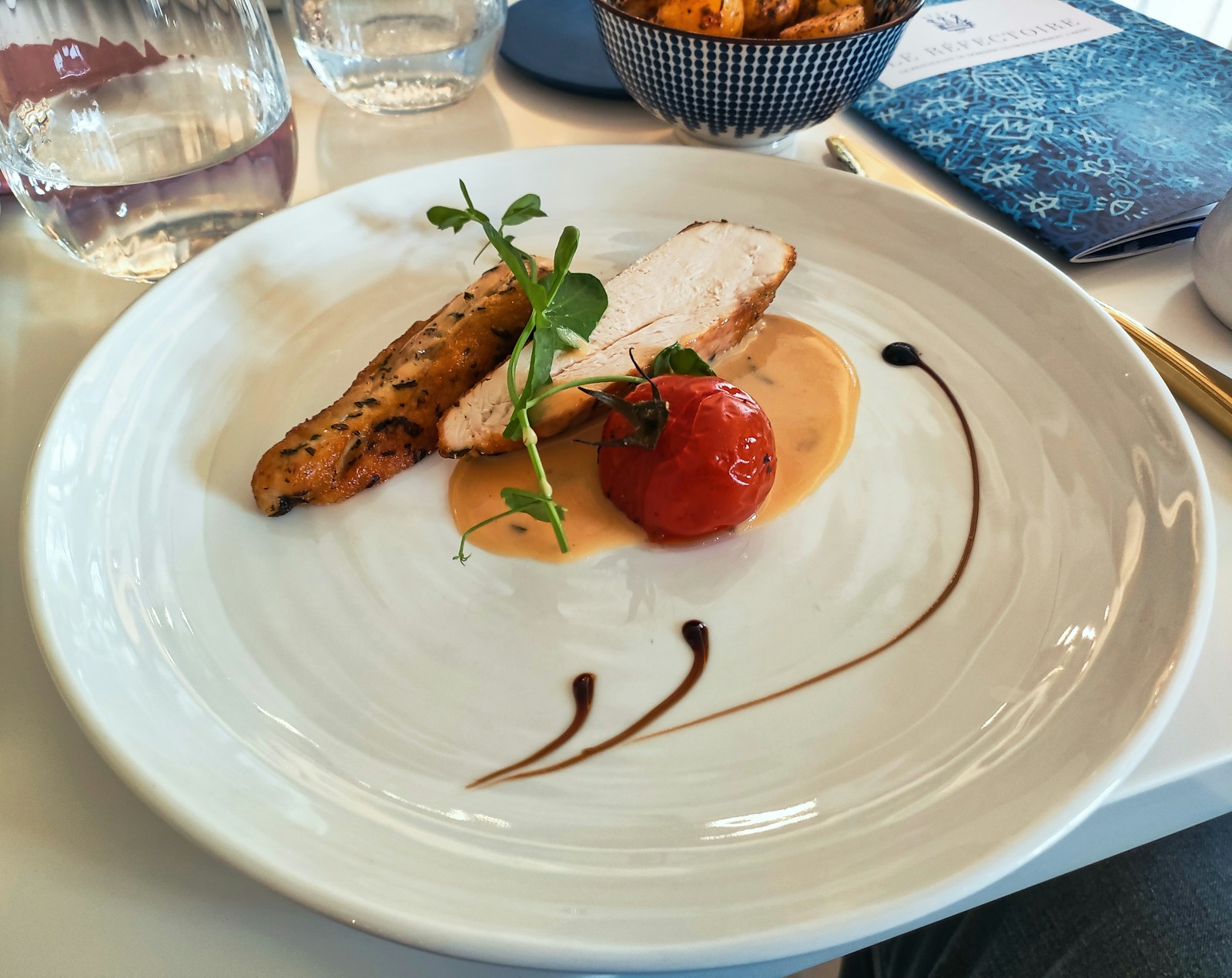
If you want a more forgiving version, use boneless skinless chicken thighs. Thighs have about twice the intramuscular fat of breasts, which means they stay juicy even if you push them past 165°F. They also develop deeper flavor during searing. The sear time is a minute or two longer per side, but the dish is otherwise identical. Most home cooks who make Marry Me Chicken regularly tell me they have switched to thighs. I do not disagree.
The Sun-Dried Tomato Problem
Sun-dried tomatoes are the ingredient that separates a great Marry Me Chicken from a mediocre one. Use oil-packed tomatoes from a jar — not the dry-packed bags sold in some supermarkets, which need a long rehydration step and never quite achieve the same depth. The oil in oil-packed tomatoes has already absorbed significant flavor from the tomatoes themselves; you can use a tablespoon of that oil in the pan alongside the olive oil for an extra boost. Look for Italian or California brands; Mediterranean Organic and California Sun Dry are both reliable. Avoid the cheap grocery-store versions, which tend to be leathery and under-seasoned.
Drain the tomatoes before using — you do not want extra oil pooling in the sauce. Chop them roughly; half-inch pieces are the right size. Too large and they feel like obstacles; too small and they disappear into the sauce. Three-quarters of a cup of chopped tomatoes is the right amount for a four-serving recipe. More than that and the sauce becomes overwhelmingly sweet and acidic. Less and the tomato notes disappear into the cream.
The Sauce, In Order
The order of operations in a pan sauce is not negotiable. Here is how the layers build:
| Stage | What Goes In | Heat Level | Why |
|---|---|---|---|
| 1. Sear | Chicken cutlets | Medium-high | Build fond (browned bits) for flavor |
| 2. Aromatics | Garlic, sun-dried tomato, oregano | Medium | Bloom fat-soluble compounds in oil |
| 3. Deglaze | White wine | Medium | Dissolve fond, reduce harsh alcohol |
| 4. Build body | Chicken stock | Medium | Concentrate flavor before dairy |
| 5. Emulsify | Cream + Parmigiano | Medium-low | Silky texture; avoid breaking |
| 6. Finish | Butter, basil, lemon zest | Off heat | Shine, aroma, brightness |
Ingredients
- 4 boneless, skinless chicken breasts (about 2 lb / 900 g), butterflied and pounded to ½-inch thick
- 2 tablespoons all-purpose flour (for dusting)
- 1 teaspoon fine sea salt, plus more for seasoning
- ½ teaspoon freshly ground black pepper
- 3 tablespoons extra-virgin olive oil, divided
- 4 garlic cloves, finely minced
- ½ teaspoon red pepper flakes (optional)
- ¾ cup (110 g) oil-packed sun-dried tomatoes, drained and roughly chopped
- 1 teaspoon dried oregano
- ½ cup (120 ml) dry white wine — Pinot Grigio, Sauvignon Blanc, or unoaked Chardonnay
- 1 cup (240 ml) low-sodium chicken stock
- 1 cup (240 ml) heavy cream (36% fat or higher)
- ½ cup (50 g) finely grated Parmigiano Reggiano, plus extra for serving
- 2 tablespoons unsalted butter, cold
- ½ cup fresh basil leaves, torn or thinly sliced
- Zest of ½ lemon, for finishing
Making It
- Prep the chicken. Pat the chicken breasts completely dry with paper towels — a wet surface will not sear. Place each breast flat on the cutting board and, using a sharp knife held parallel to the board, slice horizontally through the thickest part, stopping short of the far edge. Open the cut breast like a book. Cover with plastic wrap. Using the flat side of a meat mallet or a heavy skillet, pound gently from the center outward until the cutlet is an even ½-inch thick. Season both sides generously with salt and pepper. Dust very lightly with flour on both sides, patting off any excess.
- Sear the cutlets. Heat 2 tablespoons of olive oil in a large heavy skillet — cast iron or stainless steel, 12 inches is ideal — over medium-high heat until the oil shimmers and just begins to smoke. Place the cutlets in the pan in a single layer, leaving space between them. Do not crowd; sear in two batches if needed. Cook for 4 minutes undisturbed, until deeply golden brown on the first side. Flip with tongs and cook for 3 to 4 more minutes on the second side until cooked through and registering 165°F on an instant-read thermometer at the thickest point. Transfer to a clean plate and tent loosely with foil.
- Build the aromatic base. Reduce heat to medium. If the pan is dry, add the remaining tablespoon of olive oil. Add the minced garlic and red pepper flakes if using. Stir constantly for 30 seconds, until the garlic is fragrant and pale golden — do not let it brown or it will turn bitter. Add the chopped sun-dried tomatoes and dried oregano. Stir for another 60 to 90 seconds, allowing the fat-soluble flavors to bloom in the oil and the tomatoes to soften slightly.
- Deglaze with wine. Pour in the white wine. Use a wooden spoon to scrape the browned bits from the bottom of the pan — this is the fond, and it is where the deepest flavor of the finished sauce comes from. Let the wine bubble vigorously and reduce by about half, 2 to 3 minutes. The sharp alcohol smell will mellow into something softer and more complex.
- Concentrate with stock. Pour in the chicken stock. Bring to a gentle simmer and let reduce for 3 to 4 minutes, until the liquid has reduced by about one-third. The sauce will look thin at this stage; that is correct. Reduction before dairy concentrates flavor; reduction after dairy risks curdling.
- Add the cream. Reduce heat to medium-low — this is critical. Pour in the heavy cream and stir to combine. Bring back to a very gentle simmer (tiny bubbles rising, not a roiling boil). Let simmer for 2 minutes so the flavors integrate.
- Add the cheese. Sprinkle the grated Parmigiano Reggiano into the sauce in three separate additions, stirring or whisking after each to fully incorporate. Adding the cheese in one dump will cause the proteins to clump. Gradual incorporation produces a silky, glossy sauce. Simmer gently for 2 to 3 minutes until the sauce thickens enough to coat the back of a spoon. If the sauce is too thick, thin with a tablespoon of stock or cream; if too thin, simmer 1 to 2 minutes longer.
- Finish with butter. Stir in the cold butter, one tablespoon at a time, letting each tablespoon melt into the sauce before adding the next. The butter adds shine, body, and a final richness. Taste the sauce and adjust salt and pepper — the Parmigiano is already salty, so you may need less than you expect.
- Return the chicken. Nestle the seared cutlets into the sauce, along with any juices that have accumulated on the resting plate. Spoon sauce generously over each piece. Simmer for 2 minutes over low heat to rewarm the chicken and let the flavors marry.
- Garnish and serve. Remove the skillet from the heat. Scatter the torn basil leaves and lemon zest over the top. Serve immediately directly from the skillet, spooning extra sauce over each portion, with extra grated Parmigiano on the side. Pair with pappardelle, mashed potatoes, creamy polenta, or thick slices of toasted sourdough for sauce-mopping.
Common Mistakes
The recipe is forgiving until it is not. The errors that undermine most home attempts:
- Wet chicken. Moisture on the surface prevents a sear. Pat dry aggressively with paper towels before seasoning.
- Crowding the pan. Cutlets that touch each other steam instead of sear. Work in two batches if your skillet is not large enough.
- Burning the garlic. Garlic goes from fragrant to bitter in seconds. Reduce heat before adding, and stir constantly.
- Adding cream to a too-hot pan. High heat breaks the emulsion and produces a curdled look. Always reduce to medium-low before cream.
- Dumping all the cheese at once. The cheese proteins seize and clump. Add in thirds, whisking between additions.
- Using pre-grated Parmigiano from a tub. Anti-caking agents interfere with smooth melting. Grate your own from a wedge.
- Over-reducing with the chicken in the sauce. The chicken dries out. Once the chicken returns to the pan, it is only there to rewarm, not to cook further.
What to Serve With It
Marry Me Chicken needs a starch that can absorb its sauce. The best options are egg-based pastas with wide surface area — pappardelle, fettuccine, or tagliatelle — cooked al dente and tossed with a small ladle of sauce before the chicken is plated on top. Mashed potatoes are the comfort-food answer and work beautifully; creamy polenta is the Italian cousin. For a lower-carb approach, roasted cauliflower or zucchini noodles work reasonably well, though the sauce does not cling as effectively. A hunk of crusty bread for mopping is not negotiable; leaving the sauce behind on the plate is the single greatest failure mode of this dish.
For a vegetable counterpoint, a simple arugula salad with lemon vinaigrette cuts through the richness, or roasted asparagus with a squeeze of lemon. A glass of the same white wine you cooked with — chilled, bright, and unoaked — is the natural beverage pairing. For a different chicken pan-sauce technique that builds on the same concepts, our butter chicken recipe is worth a look — it uses many of the same reduction-and-cream moves in an Indian context. For a completely different weeknight protein with a similar 30-minute window, Thai basil chicken is the pan-Asian answer at an even faster tempo.
Storage and Reheating
Leftover Marry Me Chicken keeps for three days in the refrigerator in an airtight container. The sauce will thicken as it cools and the cream will appear more solid — this is normal. To reheat, transfer to a skillet over medium-low heat with a splash of chicken stock or milk (two tablespoons per serving), cover, and warm gently for five to six minutes, stirring occasionally. The sauce will loosen and re-emulsify as it warms. Do not microwave on high; the cream will separate and the chicken will toughen. If you must microwave, use 50% power in 30-second bursts.
Cream-based sauces do not freeze well — the emulsion breaks during thawing and leaves a grainy, curdled texture. If you need to batch-cook, cook the chicken and sauce separately, freeze just the chicken, and make a fresh sauce on the night you want to serve it. Sun-dried tomatoes and Parmigiano are both pantry staples that keep indefinitely, so the sauce is rarely a prep burden.
Frequently Asked Questions
Where did Marry Me Chicken come from?
The dish was first published by Lindsay Funston in 2016 on the food site DELISH, where it appeared under its now-familiar name as a riff on the Italian-American pollo al forno tradition. It did not go viral at launch, but resurfaced during the 2020 lockdown TikTok cooking boom, when it became one of the most-shared weeknight recipes on the app. The name comes from an older American culinary trope — the idea that certain dishes are so good they inspire marriage proposals — which has been applied over the years to everything from brisket to banana bread. The combination of technique is classic Italian-American restaurant cooking packaged for the home skillet.
Why does my cream sauce look broken or grainy?
Two common causes. First, adding the cream to a pan that is too hot — high heat causes the fat and water in the cream to separate, producing a curdled look. Always reduce heat to medium-low before the cream goes in. Second, adding the Parmigiano in one large dump rather than sprinkling gradually while stirring — the cheese proteins seize in clumps when they contact too-hot dairy. Add grated cheese in thirds, whisking between additions, and keep the heat gentle. If the sauce still breaks, whisk in a tablespoon of cold butter off the heat; the additional fat usually brings the emulsion back together.
Can I use chicken thighs instead of breasts?
Yes, and many cooks prefer them. Boneless, skinless thighs are juicier, more forgiving of slight overcooking, and produce a more deeply flavored rendered fat in the pan. Use four to six thighs for this recipe, sear them 5 to 6 minutes per side (slightly longer than breasts due to thickness), and proceed identically. The final internal temperature should still hit 165°F. Bone-in thighs will work but require a 20-minute oven finish after building the sauce — transfer skillet to a 375°F oven, covered, and bake until thighs register 175°F.
What should I serve it over?
The sauce is the point, so choose a starch that catches it. Pappardelle or fettuccine are the most satisfying pasta choices — the wide ribbons pick up the glossy sauce beautifully. Mashed potatoes are excellent, as is creamy polenta. For a lower-carb option, roasted cauliflower or spiralized zucchini work, though they lack the absorbent quality that makes the sauce shine. Crusty bread for mopping is not a garnish but a necessity — leaving sauce on the plate is the primary failure mode of this dish. Rice works but is a third-choice answer. Skip couscous.
Sources
- DELISH — Original Marry Me Chicken — The 2016 recipe by Lindsay Funston that started it all.
- Serious Eats — The Science of Pan Sauces — Technique foundations that apply directly to the cream-reduction method used here.
- USDA FoodData Central — Chicken Breast — Nutritional profile used for per-serving calculations.
Each serving contains roughly 612 calories, 45 g protein, 38 g fat, 14 g carbohydrates, and 2 g fiber — based on 4 servings using chicken breasts, heavy cream, oil-packed sun-dried tomatoes, and Parmigiano Reggiano. Sodium is moderate and can be reduced by using unsalted stock and less Parmigiano.
Please note: Nutritional estimates are derived from the USDA FoodData Central database and may vary depending on specific brands of cream, cheese, and sun-dried tomatoes. This recipe contains dairy and wheat (from the flour dusting). Nothing in this article should be interpreted as medical or dietary guidance. If you have food allergies, sodium-sensitive conditions, or specific dietary needs, consult a registered dietitian or healthcare provider before preparing this recipe.

Rachel Summers
Rachel grew up in a Pacific Northwest kitchen, learning Sunday roasts from her mother and pie crust from a grandmother who never wrote a recipe down. CookingZone began as a way to save her family's cooking before it was forgotten, and grew when her cousins started sending in their own. Her work covers foundational American, Italian, French, and Mexican recipes, with an emphasis on weekend baking, comfort food, and the techniques that span both European and American home kitchens.