The Sunday Prep
Every Sunday around four in the afternoon, I spend about 45 minutes in the kitchen making food for the entire work week. Not elaborate meal plans with color-coded containers and spreadsheets — just one big batch of something sturdy, versatile, and genuinely good enough that I actually look forward to eating it on a Wednesday. This chickpea and cauliflower bowl is the recipe I come back to more than any other. It has been my default Sunday prep for the better part of a year now, and I still have not gotten tired of it.
The formula is simple: roast two sheet pans of vegetables and chickpeas, cook a big pot of grains, make a jar of tahini dressing, and stash everything in the fridge. Each morning, you grab a container, layer in the components, and bring it to work. Cold, room temperature, microwaved — it is good every way. The chickpeas stay crunchy for about two days if stored right, the cauliflower holds up all week, and the dressing actually tastes better after a day in the fridge because the garlic and lemon mellow out.
Why This Bowl Works for the Whole Week
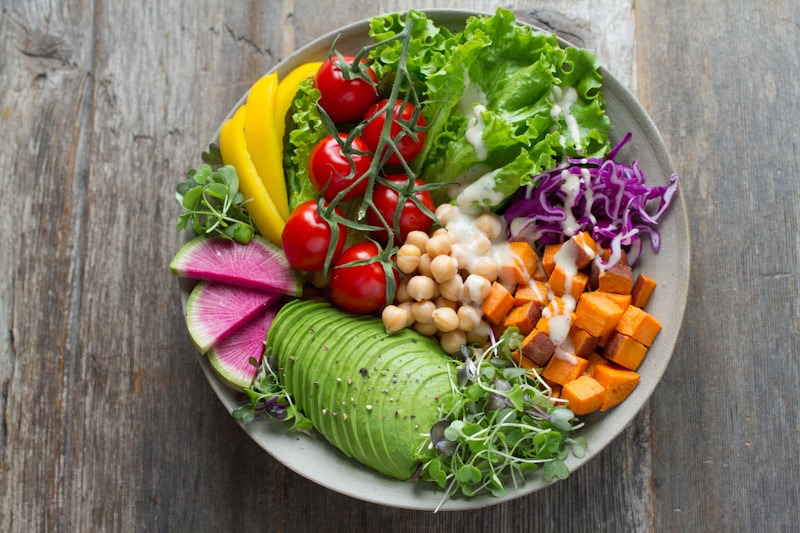
Most meal-prep recipes fail by Thursday. The grain gets mushy, the vegetables turn to mush, everything tastes like refrigerator. This bowl avoids that problem because every component is chosen for durability. Farro is the grain base of choice here — it has a chewy, almost nutty texture that holds up to days in the fridge without turning soft. Quinoa is the gluten-free alternative and it does well too, though it is a bit more delicate by day four. Roasted cauliflower actually improves after a day because the caramelized edges concentrate in flavor as they sit. The raw elements — spinach, tomatoes, cucumber — get added fresh each day so they never wilt.
The tahini dressing is the glue that holds everything together. Made with good tahini (Soom Foods or Seed + Mill are worth the price), fresh lemon juice, a touch of maple syrup, and raw garlic, it is creamy and rich without any dairy. It thickens in the fridge overnight but loosens instantly when you stir in a tablespoon of water. One batch makes enough dressing for four to five bowls with some left over for dipping vegetables or drizzling on toast. Around 420 calories per assembled bowl with 15g of plant-based protein and 12g of fiber — the kind of lunch that keeps you full until dinner without any mid-afternoon crash.
Ingredients (Makes 4 Full Bowls)
Crispy spiced chickpeas:
- 2 cans (15 oz each) chickpeas, drained and rinsed
- 3 tablespoons olive oil
- 1 teaspoon smoked paprika
- 1 teaspoon ground cumin
- 1/2 teaspoon garlic powder
- 1/4 teaspoon cayenne
- 1/2 teaspoon fine sea salt
Roasted cauliflower:
- 1 large head cauliflower, broken into florets
- 2 tablespoons olive oil
- 1/2 teaspoon turmeric
- 1/2 teaspoon ground coriander
- Salt and pepper to taste
Grain base:
- 4 cups cooked farro, quinoa, or brown rice (about 1.5 cups dry)
Fresh components (add day-of):
- Baby spinach or arugula
- Cherry tomatoes, halved
- English cucumber, sliced
- Kalamata olives
- Fresh flat-leaf parsley
Lemon tahini dressing:
- 1/3 cup well-stirred tahini
- 3 tablespoons fresh lemon juice
- 1 small garlic clove, finely grated
- 1 teaspoon maple syrup
- 1/4 teaspoon sea salt
- 2 to 4 tablespoons ice water (add until pourable)
The Batch Cook
Preheat your oven to 425°F (220°C) and grab two rimmed baking sheets. Everything roasts at the same temperature on the same oven rack, which is the whole point of this being efficient.
Dry the chickpeas thoroughly. This is the single most important step for crunch. Drain and rinse both cans, spread the chickpeas on a clean kitchen towel, and pat them aggressively dry. Roll them around, press down, really get the moisture off. Then let them air-dry for another five minutes while you prep the cauliflower. Wet chickpeas steam in the oven instead of crisping — you will end up with soft, bland pebbles instead of golden, crunchy nuggets. Once dry, toss them with the olive oil, smoked paprika, cumin, garlic powder, cayenne, and salt. Spread them in a single layer on one baking sheet with space between each chickpea. Crowding is the enemy of crispiness.
Prep the cauliflower on the second sheet. Cut the head into florets roughly the size of a golf ball — uniform size means uniform roasting. Toss with olive oil, turmeric, coriander, salt, and pepper. Arrange them cut-side down in a single layer. The flat side pressed against the hot sheet pan is where the best caramelization happens.
Roast both sheets simultaneously for 27 to 30 minutes total. At the 15-minute mark, flip the cauliflower florets and give the chickpea pan a shake. Continue roasting until the cauliflower is deeply golden with charred edges and the chickpeas are visibly darkened and make an audible rattle when you shake the pan. While everything roasts, cook your grains according to package directions and make the dressing.
Make the tahini dressing. Whisk the tahini, lemon juice, grated garlic, maple syrup, and salt in a jar or bowl. It will seize up and look chunky at first — that is normal. Add ice water one tablespoon at a time, whisking vigorously after each addition, until the dressing is smooth and pourable, about the consistency of heavy cream. Taste it. If the tahini is bitter (lower-quality brands often are), add a touch more maple syrup and salt. The dressing stores beautifully in a sealed jar in the fridge for up to a week.
Your Weekly Schedule
| Day | Bowl Variation | What to Add Fresh |
|---|---|---|
| Monday | Classic Mediterranean | Spinach, tomatoes, cucumber, olives, tahini dressing |
| Tuesday | Greek-Style | Arugula, crumbled feta, red onion, lemon vinaigrette instead of tahini |
| Wednesday | Spicy Harissa | Mixed greens, pickled red onion, harissa yogurt, toasted almonds |
| Thursday | Herby Green | Fresh herbs (parsley, mint, dill), avocado, green goddess dressing |
| Friday | Warm Lunch | Microwave the grains, cauliflower, and chickpeas. Top with a fried egg and hot sauce |
What makes batch cooking is that the base stays the same but the toppings keep it interesting. You are not eating the same lunch five days in a row — you are eating five different lunches that happen to share a foundation. By Friday, if the chickpeas have softened (they usually hold crunch through Wednesday), warming everything in the microwave gives them a second life with a slightly different, nuttier texture.
How to Store and Reheat Each Component
Crispy chickpeas: This is the one component that needs special handling. For maximum crunch, store them at room temperature in an open container or a container with the lid slightly ajar — trapping moisture is what makes them go soft. They stay crunchy for about 2 days this way. After that, they are still delicious but have a softer, more bean-like texture. To re-crisp softened chickpeas, spread them on a sheet pan and roast at 400°F for 5 minutes.
Roasted cauliflower: Refrigerate in a sealed container for up to 5 days. It tastes great cold, at room temperature, or microwaved for 60 to 90 seconds. The caramelized edges actually concentrate in flavor over time, so day-three cauliflower often tastes better than day-one.
Cooked grains: Sealed container in the fridge, up to 5 days. Farro holds its chewy texture the best. If using quinoa, add a tablespoon of olive oil before storing to keep the grains from clumping. Reheat with a splash of water in the microwave, 90 seconds covered.
Tahini dressing: Sealed jar in the fridge for up to 7 days. It will thicken overnight — just stir in a tablespoon of water before using. The garlic flavor mellows after the first day, which most people actually prefer.
Fresh components: Keep spinach, tomatoes, cucumber, and olives in separate containers and add them to your bowl fresh each day. Pre-washed bagged spinach or arugula saves time. Do not add fresh greens to the storage container with warm components — the heat will wilt them immediately.
Building the Perfect Bowl: Assembly Order
The order in which you layer a grain bowl matters more than most people realize. A poorly assembled bowl results in soggy greens at the bottom, cold grains in the middle, and warm toppings that cool down before you reach them. Here is the method that keeps every element at its best.
Start with warm grains as your foundation. Farro, quinoa, or whatever base you chose should be freshly reheated with a splash of water and fluffed with a fork. Spread it across the bottom of a wide, shallow bowl rather than a deep one. A wide bowl exposes more surface area, which means more of every component in each bite rather than digging through layers.
Next, arrange your roasted cauliflower and crispy chickpeas on top of the grains while they are still warm from the oven. Place them on one side of the bowl rather than scattering them everywhere. This creates visual contrast and lets you control how much you get in each forkful. The residual heat from the vegetables will gently warm the grains below without making them mushy.
Add your fresh components on the opposite side: a handful of baby spinach or arugula, sliced cucumber, halved cherry tomatoes, and a scattering of kalamata olives. Keeping fresh and warm components separate preserves their individual textures. The spinach stays crisp, the tomatoes stay cool and juicy, and the roasted vegetables retain their caramelized edges.
Drizzle the lemon tahini dressing in a zigzag pattern across the entire bowl just before eating. Do not toss everything together unless you are packing it for later. A final sprinkle of toasted sesame seeds, a pinch of za’atar, and a few torn mint leaves elevate the bowl from meal-prep lunch to something that feels genuinely special.
Meal Prep Strategy for the Week
What makes this bowl is that one Sunday cooking session sets you up for four to five lunches. Here is a practical weekly schedule that minimizes daily effort while maximizing freshness.
Sunday (45 minutes active time): Cook two cups of dry farro (yields about four cups cooked). Roast two large heads of cauliflower and two cans of chickpeas simultaneously on two sheet pans. While they roast, make a double batch of lemon tahini dressing in a mason jar. Store everything in separate glass containers. The total investment is under an hour, and you will not touch a stove for lunch the rest of the week.
Monday through Wednesday: Assemble bowls fresh each morning or the night before. The chickpeas are still reasonably crispy through Tuesday if stored in an unsealed container at room temperature. The cauliflower and farro reheat in ninety seconds in the microwave. Add fresh spinach, tomatoes, and cucumber daily.
Thursday and Friday: By now the chickpeas have softened, which is fine since they still taste great. Consider switching up the fresh toppings to avoid monotony: swap spinach for arugula, add pickled red onions, throw in some roasted red pepper or artichoke hearts from a jar. A different finishing element like crumbled feta or a handful of pomegranate seeds makes Friday’s bowl feel entirely new.
Protein Additions
While the chickpeas provide a solid plant-based protein foundation with about fifteen grams per serving, you may want more, especially if this bowl is fueling workouts or replacing a heartier meal. Here is how the best protein additions compare.
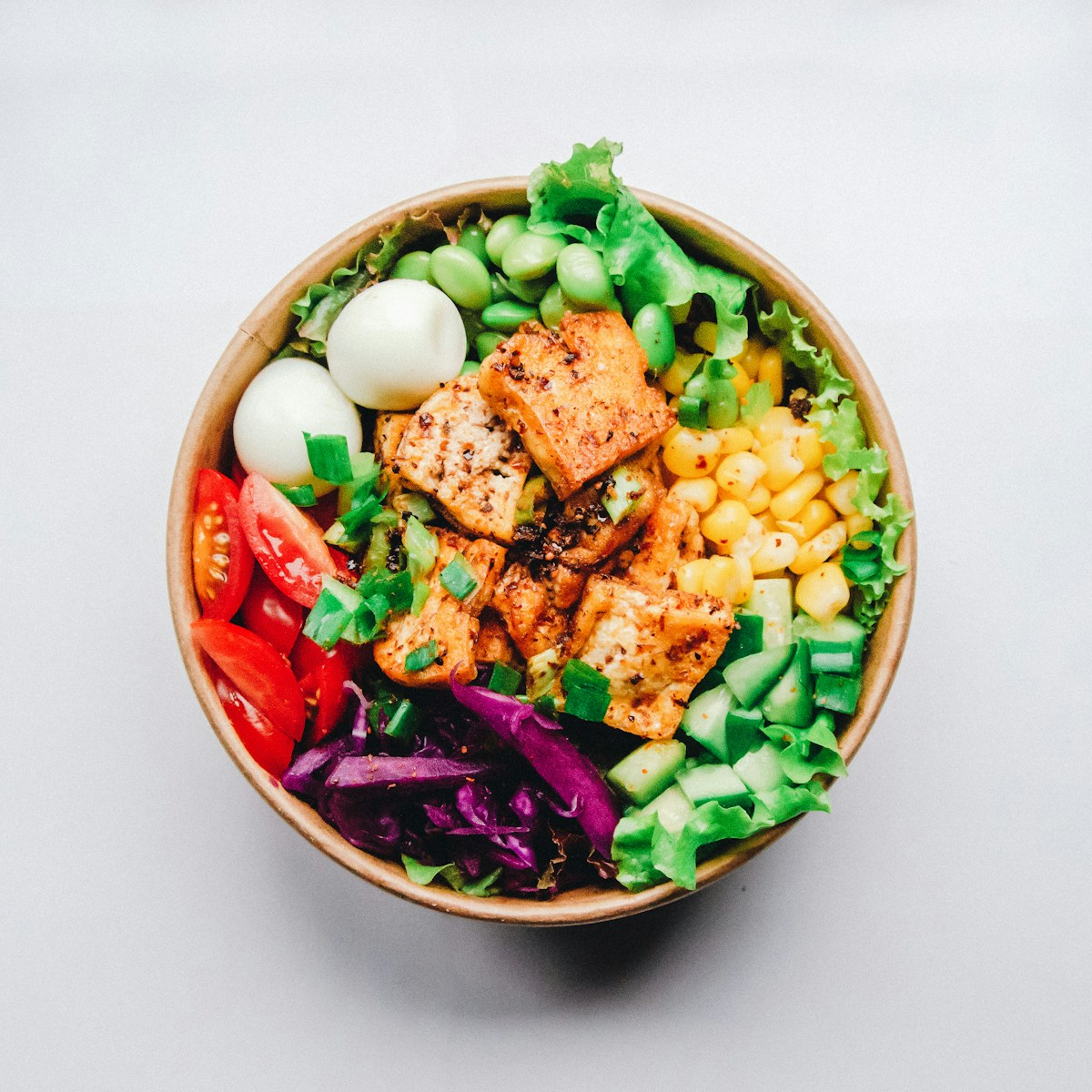
Crispy baked tofu is the most seamless addition for keeping the bowl plant-based. Press a block of extra-firm tofu for at least twenty minutes, cut it into three-quarter-inch cubes, toss with soy sauce, cornstarch, and a drizzle of sesame oil, then bake at 400 degrees Fahrenheit for twenty-five minutes, flipping halfway. The result is golden, chewy cubes that absorb the tahini dressing beautifully. Each half-cup adds about fourteen grams of protein. Prep a full block on Sunday and it holds in the fridge for four days.
Grilled chicken breast is the obvious choice for maximum protein. Season it with the same cumin and smoked paprika you use on the chickpeas for flavor cohesion. Grill or pan-sear two breasts on Sunday, slice them, and store in the fridge. Each four-ounce portion adds roughly thirty grams of protein. Reheat gently with a splash of water to prevent drying out.
Pan-seared salmon brings omega-3 fatty acids and a richness that pairs exceptionally well with the lemon tahini dressing. Cook salmon fillets skin-side down for four minutes, flip, and cook for another three minutes. It flakes apart naturally when you add it to the bowl, distributing through every bite. Twenty-five grams of protein per four-ounce fillet. Best eaten within two days of cooking.
Halloumi cheese is the wildcard option that Mediterranean food lovers swear by. Slice it into half-inch planks and dry-fry in a nonstick pan over medium-high heat for two minutes per side until deeply golden. It does not melt, which gives you a squeaky, salty, caramelized cheese element that contrasts brilliantly with the cool tahini and fresh vegetables. About seven grams of protein per ounce. The only downside is that halloumi is best eaten immediately after frying, so it is not ideal for make-ahead meal prep.
Frequently Asked Questions
What grains can I substitute for farro?
Quinoa is the most popular swap and cooks in about fifteen minutes, making it faster than farro. It provides a complete protein on its own, which is a bonus for plant-based eaters. Brown rice works well and offers a neutral flavor that lets the spiced chickpeas and tahini dressing take center stage, though it needs thirty-five to forty minutes of cooking time. Bulgur wheat is excellent if you want something that cooks in under fifteen minutes and has a slightly nutty chew similar to farro. Freekeh, a roasted green wheat, adds a smoky flavor that pairs exceptionally well with the cumin-spiced chickpeas. For a grain-free option, cauliflower rice keeps the bowl low-carb, though it changes the character of the dish significantly.
How do I meal prep this bowl for the week?
Batch cook the chickpeas, cauliflower, and grains on Sunday and store them in separate containers in the refrigerator. The chickpeas stay crispy for about two days in an unsealed container; after that they soften but still taste great. The roasted cauliflower keeps for four days sealed. Cooked farro lasts five days in the fridge and reheats well with a splash of water in the microwave. Make the tahini dressing in a jar and store it separately for up to seven days. It thickens overnight, so stir in a tablespoon of water before using. Each morning, assemble a fresh bowl by layering warmed grains, reheated vegetables, fresh greens, and a generous pour of dressing. Keep spinach and fresh toppings separate until serving to prevent wilting.
What are the best protein additions for this bowl?
Crispy baked tofu is the best plant-based addition, providing about fourteen grams of protein per half-cup serving. Press extra-firm tofu for twenty minutes, cube it, toss with soy sauce and cornstarch, and bake at 400 degrees Fahrenheit for twenty-five minutes until golden. Grilled chicken breast adds roughly thirty grams of protein per serving and works well seasoned with the same cumin and paprika used on the chickpeas. Pan-seared salmon brings healthy fats and pairs beautifully with the lemon tahini dressing. Halloumi cheese, sliced and pan-fried until golden on both sides, adds a salty, squeaky contrast that Mediterranean bowl lovers adore. Even a couple of soft-boiled eggs, halved and nestled into the bowl, provide twelve grams of protein with minimal extra effort.
How long does the lemon tahini dressing keep?
The dressing stores well in a sealed glass jar in the refrigerator for up to seven days. It will thicken considerably as it sits because tahini naturally solidifies when cold. Simply stir in water one tablespoon at a time until you reach your desired consistency. The garlic flavor mellows after the first day, which most people actually prefer. The lemon juice may also mellow slightly over time, so taste and add a small squeeze of fresh lemon before serving if needed. Do not freeze the dressing as the emulsion breaks and the texture becomes grainy and unpleasant when thawed.
Other Bowls to Try This Week
Once you are in the batch-cooking groove, variety becomes easy. Our Korean Bibimbap Rice Bowl follows the same principle — a grain base with separately prepped toppings that come together at mealtime. For a protein-heavy version, the High-Protein Chicken Burrito Bowl delivers 52 grams of protein per serving and meal-preps just as well. And if you want to keep things Mediterranean but switch the protein, our Chicken Souvlaki with homemade tzatziki pairs perfectly with the same farro and tahini base from this recipe.
For detailed nutritional information on chickpeas, tahini, and cauliflower, visit the USDA FoodData Central database. Yotam Ottolenghi’s approach to vegetable-forward cooking, explored across his cookbooks including Plenty and Simple, heavily influenced the flavor combinations in this bowl. For more on the science of crispy roasted chickpeas, Serious Eats’ guide to high-heat roasting explains why surface moisture is the enemy of crunch. Bon Appetit’s grain bowl formula offers a useful framework for building your own variations.
Nutritional information is approximate, based on USDA FoodData Central values for chickpeas, cauliflower, farro, tahini, and olive oil. Actual values will vary depending on specific brands, grain choice, and portion sizes. This content is for informational purposes and does not constitute dietary or medical advice. Consult a healthcare professional if you have allergies or specific nutritional needs.

Rachel Summers
Rachel grew up in a Pacific Northwest kitchen, learning Sunday roasts from her mother and pie crust from a grandmother who never wrote a recipe down. CookingZone began as a way to save her family's cooking before it was forgotten, and grew when her cousins started sending in their own. Her work covers foundational American, Italian, French, and Mexican recipes, with an emphasis on weekend baking, comfort food, and the techniques that span both European and American home kitchens.
Please note: Nutritional estimates in our recipes are derived from the USDA FoodData Central database and may vary based on specific brands and ingredient sizes. If you have food allergies, dietary restrictions, or medical conditions, consult a registered dietitian or healthcare provider before preparing this recipe. Always follow safe food-handling guidelines, including proper cooking temperatures for meat, poultry, fish, and eggs. Nothing in this article should be interpreted as medical, nutritional, or dietary advice.