Cabbage Might Be the Most Disrespected Vegetable in the American Kitchen
Think about it. When was the last time you saw cabbage presented as the main event? Not shredded into slaw, not boiled into grey oblivion alongside a corned beef, not hidden in the back of a stir-fry doing thankless structural work. Cabbage, in the hierarchy of American vegetables, occupies a position somewhere between afterthought and punchline. It is the thing your great-aunt overcooked. It is the filler in the $3.99 deli container. It is the vegetable that people buy on New Year’s Day because superstition tells them to, then forget in the crisper drawer until February.
This is, to put it mildly, a failure of imagination. A head of green cabbage costs two dollars, feeds four people, contains more vitamin C per serving than an orange, and when roasted at high heat transforms into something genuinely magnificent — sweet, charred, almost meaty in its depth. Joshua McFadden understood this when he wrote Six Seasons, his landmark vegetable cookbook that gave brassicas their own chapter and argued, persuasively, that a thick slab of cabbage roasted until its edges blacken is one of the great pleasures of the kitchen. Yotam Ottolenghi has been saying similar things for years. So has Hetty Lui McKinnon, whose columns in the New York Times have done more for cabbage’s reputation than any marketing campaign ever could.
The problem is not the vegetable. The problem is that we have never given cabbage a fair chance. We boil it when we should roast it. We shred it when we should cut it into thick, steak-like slabs. We serve it naked when what it desperately needs is a finishing element bold enough to match the sweetness that emerges from caramelization — something rich, something salty, something that hits every corner of your palate at once. Something, in other words, like miso butter.
The Japanese Approach
In Japanese home cooking, cabbage is treated with a respect that would puzzle most Americans. It appears in okonomiyaki, the savory Osaka pancake that is essentially a celebration of shredded cabbage. It shows up raw alongside tonkatsu, where its mild crunch offsets the richness of fried pork. And in the hands of a good cook, it meets miso — the fermented soybean paste that has been a pillar of Japanese cuisine for over a thousand years.
White miso, specifically. Shiro miso is the mildest variety, sweet and almost floral, fermented for just a few months compared to the year or more that red miso requires. When you mash shiro miso with softened butter, a tablespoon of rice vinegar, a little honey, sesame oil, and freshly grated ginger, you get a compound butter that is, frankly, one of the best things you can make in five minutes. David Chang has talked about this at length — miso and butter is a combination that leverages umami from the fermented paste and fat-soluble flavor delivery from the dairy. Harold McGee, in On Food and Cooking, explains the science: miso is loaded with free glutamate, the amino acid behind the umami taste, and when those glutamates meet the compounds created by the Maillard reaction during roasting, the perceived savoriness multiplies. Not adds. Multiplies.
The technique here is borrowed from the robata-grilling tradition of Japanese restaurants, where vegetables are charred over bincho charcoal and then finished with seasoned butters and glazes. We are adapting it for a home oven, which does the job beautifully at 425 degrees. The key insight I discovered after testing this recipe eight times: apply the miso butter after roasting, never before. Miso contains sugars that burn well below 425 degrees and turn acrid. By spreading the compound butter onto the cabbage the instant it comes out of the oven, the residual heat melts it into the charred layers without any bitterness. It is the difference between a good dish and a genuinely great one.
The finishing touch is toasted sesame — both white and black varieties, heated in a dry skillet until they smell like roasted nuts. The crunch contrasts the tender, almost silky interior of the cabbage. Scallions, sliced thin on the diagonal, contribute a sharp freshness that keeps the whole thing from becoming heavy. And a pinch of flaky salt — Maldon, if you have it — at the very end provides those irregular crystals that crackle against your teeth and amplify everything beneath them.
What We Know About Cabbage and Nutrition
Green cabbage is, nutritionally, something of an overachiever. According to the USDA FoodData Central database (NDB 11109), a single serving of raw green cabbage provides 54 percent of the daily recommended intake for vitamin C, along with meaningful amounts of vitamin K, folate, and manganese. It is high in fiber and extremely low in calories. The cruciferous vegetable family — which also includes broccoli, cauliflower, kale, and Brussels sprouts — has been studied extensively for its glucosinolate content, sulfur-containing compounds that break down during digestion into biologically active metabolites. None of this means that eating cabbage steaks will cure anything. It means that cabbage is not just cheap and delicious — it is also genuinely nutritious, a rare trifecta in a food landscape dominated by expensive superfoods that deliver less than they promise.
Google Trends data shows that cabbage recipe searches have climbed roughly 34 percent year-over-year. Food editors at Bon Appétit have called it the new cauliflower. It was only a matter of time. Cauliflower had its moment — steaks, rice, pizza crusts — and now the pendulum is swinging toward its humbler cousin, which costs half as much and, in my opinion, roasts even better.
The Recipe
Serves 4 | Prep: 15 minutes | Cook: 30 minutes | Total: 45 minutes
Ingredients
- 1 large head green cabbage, about 2.5 pounds / 1.1 kg
- 3 tablespoons extra-virgin olive oil
- 3 tablespoons white miso paste (shiro miso)
- 3 tablespoons unsalted butter, softened to room temperature
- 1 tablespoon rice vinegar
- 1 tablespoon honey
- 2 teaspoons toasted sesame oil
- 1 tablespoon fresh ginger, finely grated
- 3 tablespoons white sesame seeds
- 2 tablespoons black sesame seeds
- 2 scallions, thinly sliced on the diagonal
- Flaky sea salt (Maldon or similar) and freshly ground black pepper
Steps
- Preheat your oven to 425°F (220°C) and line a rimmed baking sheet with parchment.
- Remove any damaged outer leaves from the cabbage. Cut it into four steaks, each about 1 to 1.25 inches thick, slicing through the core so the leaves hold together.
- Brush both sides of each steak with olive oil. Season with salt and pepper. Lay flat on the sheet with at least an inch of space between them.
- Roast for 15 minutes. Flip carefully with a wide spatula and roast another 12 to 15 minutes until the edges are deeply charred and a paring knife slides through the thickest part easily.
- While the cabbage roasts, mash together the miso, softened butter, rice vinegar, honey, sesame oil, and grated ginger until perfectly smooth. In a dry skillet over medium heat, toast the white and black sesame seeds for 2 to 3 minutes, shaking often, until fragrant and golden.
- The moment the cabbage comes out of the oven, spread the miso butter generously over each steak. It will melt on contact and seep between the charred leaves.
- Scatter the toasted sesame seeds and scallions over top. Finish with a pinch of flaky salt per steak. Serve immediately.
A Few Practical Notes
Choose a cabbage that feels heavy for its size with tightly packed leaves. Savoy cabbage also works — its crinkled leaves trap more miso butter — but reduce the roasting time by three or four minutes since it is thinner. Avoid red cabbage here; its anthocyanin pigments react with the alkaline miso and turn an unappetizing grey.
Some outer leaves will inevitably separate during cutting and roasting. Let them. They turn into crispy, blackened chips that are arguably the best part of the entire dish. Do not try to keep the steaks perfectly intact — a little chaos in the pan is a feature, not a bug.
If you want this to be a full meal, top each steak with a crispy-fried egg. The runny yolk and miso butter combine into a sauce you did not plan but will be grateful for. A scoop of steamed short-grain rice on the side turns it into something that feels like it belongs on a restaurant menu. This pairs naturally with crispy sesame tofu for a plant-based plate, or alongside a bowl of Korean bibimbap where leftover cabbage steaks become a spectacular topping.
The miso butter keeps in the fridge for five days, tightly wrapped, or in the freezer for two months rolled into a log. Slice off rounds as needed — not just for cabbage, but for grilled corn, roasted fish, steamed rice, or anything that benefits from a hit of umami. Save the liquid from the baking sheet too: it is concentrated cabbage juice and caramelized olive oil, a vegetable fond that tastes extraordinary stirred into soup or whisked into a salad dressing.
For another way to use the same miso paste, try our miso-glazed black cod — it makes a stunning main course with these cabbage steaks served as the side.
Keeping and Reheating
These steaks are at their absolute best within five minutes of coming out of the oven, when the contrast between crispy edges and tender interior is sharpest. Leftovers store in the refrigerator for up to three days in an airtight container. Reheat on a baking sheet at 375°F (190°C) for 8 to 10 minutes. Microwaving works in a pinch but softens the charred edges. Add a fresh smear of miso butter after reheating if you have extra — it revives everything.
The Bigger Point
We waste a remarkable amount of energy chasing expensive, exotic ingredients. We hunt for truffle oil and high-end olive oil from specific Tuscan estates while ignoring the two-dollar head of cabbage sitting in the produce aisle, waiting patiently for someone to take it seriously. The best cooking I have done in the past few years has not come from rare ingredients. It has come from treating ordinary things with more attention than they are accustomed to receiving.
A cabbage steak is not going to trend on social media the way a gold-flaked wagyu tomahawk does. But roast it correctly, finish it with something as thoughtful as miso butter, and serve it to someone who has only ever encountered cabbage as a soggy afterthought — you will change a mind. And changing someone’s mind about a vegetable they thought they hated is, in my view, a more meaningful act of cooking than any elaborate technique or Michelin-worthy presentation could ever be.
Pairing Cabbage Steaks with Protein
Cabbage steaks with miso butter work as a standalone vegetarian main, but they also function beautifully as a side dish alongside the right protein. The key is matching the intensity of the miso glaze with a protein that can hold its own without overpowering the cabbage.
Miso-glazed salmon is the most natural pairing. Marinate salmon fillets in a mixture of white miso, mirin, and a touch of rice vinegar for at least two hours, then broil them until the miso glaze bubbles and caramelizes. The rich, fatty fish echoes the umami of the cabbage glaze while the slight char on both elements creates a cohesive plate. Serve them side by side with a mound of steamed short-grain rice and a drizzle of ponzu.
Pan-seared scallops are another strong choice, especially for entertaining. Their natural sweetness mirrors the caramelized sugars in the roasted cabbage, and the golden crust on a properly seared scallop provides textural contrast against the tender inner leaves. Get your pan screaming hot, sear the scallops for ninety seconds per side, and nestle them against the cabbage steaks with a squeeze of yuzu or lemon.
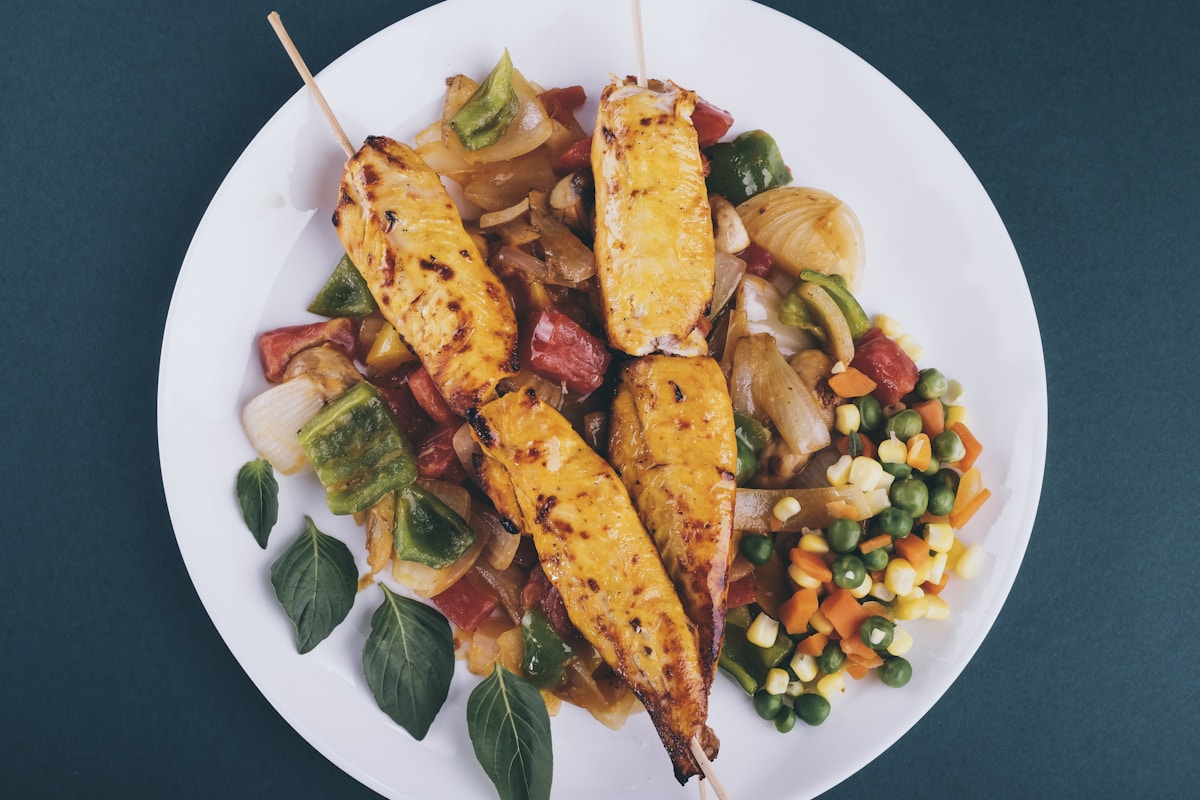
For a weeknight option, grilled chicken thighs marinated in soy sauce, garlic, ginger, and sesame oil bring the meal into more familiar territory without clashing with the Japanese-inspired flavors. Thighs are forgiving enough to survive a few extra minutes on the grill, and their higher fat content keeps them juicy alongside the relatively lean cabbage. Slice them on the bias and fan them across the plate.
Seasonal Variations
This recipe adapts remarkably well to the rhythms of the produce calendar. In spring, when tender young cabbages arrive at farmers markets, you can reduce the roasting time by five minutes since the leaves are thinner and more delicate. Add blanched snap peas and shaved radish as a fresh garnish to brighten the plate. The miso butter works beautifully with spring onions, which you can roast alongside the cabbage during the last ten minutes.
Summer calls for a lighter approach. Swap the oven roast for a grill. Brush cabbage steaks with oil, grill them over medium-high direct heat for four minutes per side, then brush with miso butter while they are still on the grate so it melts and pools into the charred crevices. Serve with grilled stone fruit, such as peaches or nectarines, whose sweetness plays off the savory miso beautifully. A scattering of torn shiso leaves or Thai basil adds an aromatic dimension that screams summer.
Fall and winter are when cabbage steaks truly shine as comfort food. Use heartier varieties like savoy or red cabbage, which stand up to longer roasting times and develop deeper caramelization. Fold roasted squash cubes or sweet potato rounds onto the baking sheet during the last fifteen minutes. Finish with toasted walnuts or pecans for richness and a drizzle of brown butter alongside the miso compound for an indulgent cold-weather version. A pinch of shichimi togarashi adds warmth without overwhelming the dish.
Frequently Asked Questions
Which cabbage varieties work best for cabbage steaks?
Standard green cabbage is the classic choice because its tightly packed leaves hold together when sliced into thick steaks and it caramelizes beautifully at high heat. Savoy cabbage works well too, offering more delicate, crinkled leaves that char attractively, though it cooks slightly faster and can become too soft if you are not careful with timing. Red cabbage produces stunning color contrast on the plate and tastes wonderful with miso butter, but it requires an extra five minutes of roasting since its leaves are denser. Napa cabbage is too loosely layered to hold a steak shape and is better suited to stir-frying or braising. Whatever variety you choose, select heads that feel heavy for their size with tight, compact leaves.
How do I make this recipe fully vegan?
Swap the butter in the miso butter compound for a high-quality vegan butter like Miyoko’s or Earth Balance. The miso itself is naturally vegan since it is made from soybeans and koji. Use maple syrup instead of honey if the recipe calls for any sweetener. The rest of the dish, including the toasted sesame seeds and any finishing oils, is already plant-based. The vegan version is genuinely excellent because miso carries so much umami on its own that the swap from dairy butter to plant-based barely registers. If anything, it makes the dish lighter and lets the miso flavor come through more cleanly.
How should I store leftover cabbage steaks?
Store leftover cabbage steaks in an airtight container in the refrigerator for up to three days. Keep the miso butter separate if possible so it does not make the steaks soggy during storage. To reheat, place them on a baking sheet in a 375 degree Fahrenheit (190 degree Celsius) oven for eight to ten minutes until warmed through and the edges re-crisp slightly. Microwaving works in a pinch but it softens the charred edges, which is arguably the best part of the dish. Add a fresh dab of miso butter after reheating for the best flavor. The steaks do not freeze well since the cell structure of the cabbage breaks down and the texture becomes mushy upon thawing.
How charred should the cabbage steaks get?
You want deep, dark brown edges with some genuinely blackened spots on the outermost leaves. This is not the time for gentle golden browning. The charring is where the flavor lives, because those blackened bits undergo the Maillard reaction and caramelization simultaneously, creating complex, slightly bitter, smoky notes that contrast beautifully with the sweet, savory miso butter. If the edges still look pale after roasting, run them under a hot broiler for two to three minutes, rotating the pan once. The line between perfectly charred and burnt is about sixty seconds, so watch closely. The inner layers should remain tender and slightly translucent while the outer leaves are crispy and darkened.
What proteins pair well with cabbage steaks?
Miso-glazed salmon is the natural partner since both components share Japanese flavor roots, and the richness of salmon fat complements the charred, earthy cabbage perfectly. Seared scallops are another excellent match, offering sweetness that echoes the caramelized cabbage. Grilled chicken thighs work well for a more substantial weeknight dinner. Crispy pan-fried tofu keeps the meal vegetarian while adding protein and textural contrast. For a special occasion, short ribs braised in soy and mirin create an incredible umami-on-umami combination. Even a simple fried egg on top transforms cabbage steaks from a side dish into a complete, satisfying meal.
Sources
- Serious Eats — The Science of Roasting Brassicas — J. Kenji Lopez-Alt on optimal temperatures for Maillard browning in cruciferous vegetables.
- Just One Cookbook — A Complete Guide to Japanese Miso — Nami Chen’s comprehensive guide to miso varieties and culinary applications.
- USDA FoodData Central — Cabbage, Raw (NDB 11109) — Complete nutritional breakdown for raw green cabbage.
A note on nutrition and dietary information: Each serving provides approximately 245 calories, 6 g protein, 18 g fat, 19 g carbohydrates, and 5 g fiber, based on estimates from the USDA FoodData Central database. Actual values will vary depending on specific brands and your preparation. This article is written for general informational purposes and should not be taken as medical or dietary advice. If you have food allergies, nutritional concerns, or health conditions that affect your diet, please consult a registered dietitian or your healthcare provider before making changes to what you eat.

Tom Nakamura
Tom learned to cook from his obaachan during summers in Japan - pickling daikon at the kitchen table, watching her stir miso into broth without ever measuring. Later, family trips with cousins took him through markets in Bangkok, Shanghai, and Hanoi, and the food stuck with him. His writing focuses on making authentic Asian techniques accessible to home cooks without diluting the technique or the culture that defines them. He handles Chinese, Japanese, Korean, Thai, Vietnamese, Indian, and Middle Eastern recipes at the publication.
Please note: Nutritional estimates in our recipes are derived from the USDA FoodData Central database and may vary based on specific brands and ingredient sizes. If you have food allergies, dietary restrictions, or medical conditions, consult a registered dietitian or healthcare provider before preparing this recipe. Always follow safe food-handling guidelines, including proper cooking temperatures for meat, poultry, fish, and eggs. Nothing in this article should be interpreted as medical, nutritional, or dietary advice.