Regular pancakes are perfectly fine. But lemon ricotta pancakes exist in a different category entirely — cloud-soft, impossibly tender, with a delicate citrus perfume and a richness that comes not from excess butter or sugar but from whole-milk ricotta stirred directly into the batter. These are the pancakes you would find at a thoughtful brunch restaurant where the chef actually cares about breakfast, and they are remarkably easy to make at home once you understand the technique.
The addition of ricotta cheese to pancake batter is an Italian-American tradition that solves the fundamental problem with most pancakes: dryness. Traditional buttermilk pancakes rely on flour and egg for structure, which means the window between “perfectly cooked” and “dry disk” is narrow. Ricotta changes the equation. Its high moisture content and smooth, creamy texture keep the interior moist long after the outside has browned. The lemon zest and juice cut through the richness with a bright, floral acidity that wakes up every bite. Topped with a warm mixed-berry compote and a dusting of powdered sugar, this is weekend breakfast at its absolute finest.
Why This Recipe Works
Ricotta provides structure and moisture simultaneously. Ricotta cheese is roughly 75 percent water and 13 percent protein. When folded into pancake batter, the water content creates steam during cooking (contributing to fluffiness), while the milk proteins set alongside the egg proteins, adding tender structure without toughness. The fat in whole-milk ricotta also coats flour particles, limiting gluten development and producing an extraordinarily tender crumb. This is the same principle that makes ricotta gnocchi softer than potato gnocchi.
Separated eggs are the secret to height. We separate the eggs, mixing the yolks into the batter and whipping the whites to soft peaks before folding them in. This technique incorporates thousands of tiny air bubbles into the batter that expand in the heat of the pan, creating lofty, souffl-like pancakes that are noticeably thicker and lighter than standard versions. The additional effort takes about 3 minutes and is absolutely worth it.
Lemon zest, not just lemon juice. Lemon juice contributes acidity, but the aromatic oils live in the zest. These essential oils (primarily limonene and citral) are volatile and fragrant in a way that juice alone cannot replicate. We use the zest of 2 lemons plus the juice of 1. The juice also reacts with the baking soda in the batter, producing additional carbon dioxide that further lifts the pancakes.
The berry compote balances richness. A quick mixed-berry compote — made by simmering berries with a touch of sugar and lemon juice for just 5 minutes — provides a tangy, fruity counterpoint to the rich, creamy pancakes. Unlike maple syrup, which can overwhelm delicate flavors, the compote enhances them. The slight acidity of the berries mirrors the lemon in the pancakes, creating a cohesive flavor profile.
Ingredients
Lemon Ricotta Pancake Batter
- 1 1/2 cups (188 g) all-purpose flour
- 2 tablespoons granulated sugar
- 2 teaspoons baking powder
- 1/2 teaspoon baking soda
- 1/4 teaspoon kosher salt
- 1 cup whole-milk ricotta cheese
- 3/4 cup whole milk
- 3 large eggs, separated
- Zest of 2 lemons (about 2 tablespoons)
- Juice of 1 lemon (about 2 tablespoons)
- 1 teaspoon pure vanilla extract
- 2 tablespoons unsalted butter, melted and cooled
Mixed Berry Compote
- 2 cups mixed berries (blueberries, raspberries, blackberries — fresh or frozen)
- 3 tablespoons granulated sugar
- 1 tablespoon fresh lemon juice
- 1 teaspoon cornstarch mixed with 1 tablespoon cold water (optional, for thicker compote)
For Serving
- Powdered sugar, for dusting
- Pure maple syrup (optional)
- Extra ricotta, for dolloping
- Fresh mint leaves (optional garnish)
Recipe Overview
| Detail | Value |
|---|---|
| Prep Time | 20 minutes |
| Cook Time | 20 minutes |
| Total Time | 40 minutes |
| Servings | 4 (about 12 pancakes) |
| Difficulty | Easy |
| Cuisine | Italian-American |
Step-by-Step Instructions
Make the Berry Compote
- Cook the berries. Combine the mixed berries, sugar, and lemon juice in a small saucepan over medium heat. Cook, stirring occasionally, for 5 to 7 minutes until the berries begin to break down and release their juices. Some berries should remain whole while others dissolve into the sauce. For a thicker compote, add the cornstarch slurry and cook for 1 more minute. Remove from heat and set aside. The compote will thicken as it cools.
Make the Pancake Batter
- Combine dry ingredients. In a large bowl, whisk together the flour, sugar, baking powder, baking soda, and salt. Make a well in the center.
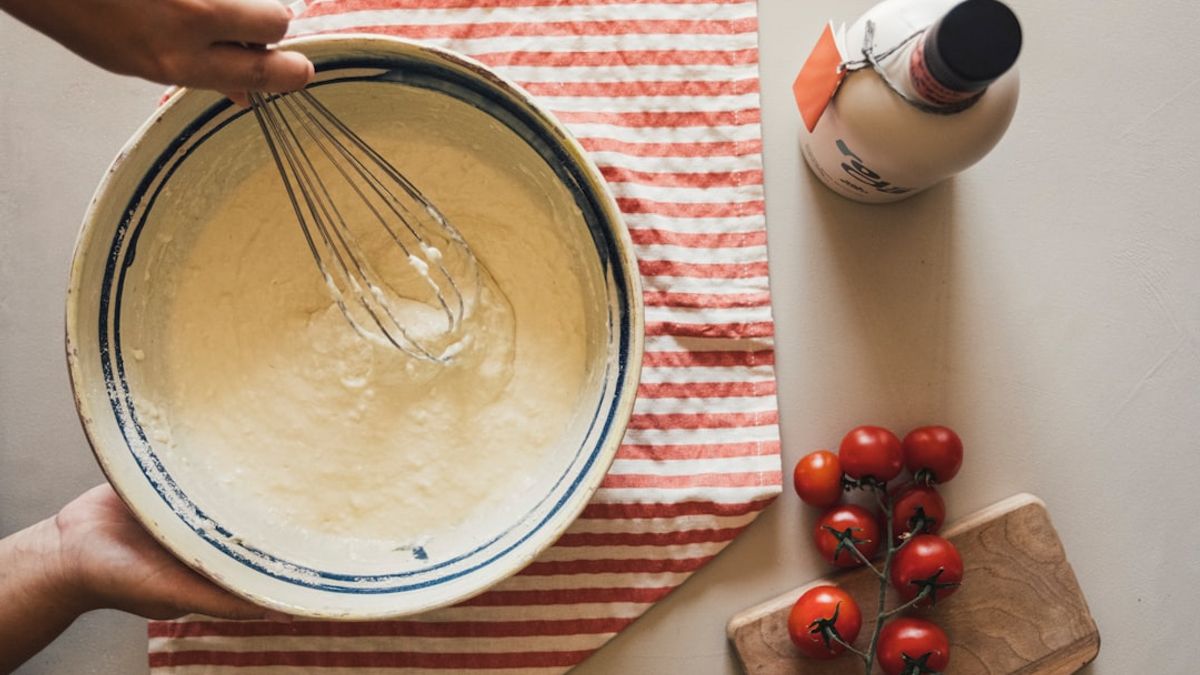
- Mix wet ingredients. In a separate medium bowl, combine the ricotta, milk, egg yolks (reserve the whites), lemon zest, lemon juice, vanilla extract, and melted butter. Whisk until smooth. The batter will be thick — that is correct.
- Whip the egg whites. In a clean, dry bowl (glass or metal, not plastic), beat the 3 egg whites with an electric mixer or whisk until soft peaks form. They should be foamy, white, and hold a gentle peak that droops slightly when you lift the whisk. Do not over-beat to stiff peaks, which makes them harder to fold in smoothly.
- Combine and fold. Pour the wet mixture into the dry ingredients and stir with a spatula until just combined. A few small lumps are fine — over-mixing develops gluten and makes the pancakes tough. Gently fold in the whipped egg whites in two additions: fold the first third in vigorously to lighten the batter, then fold the remaining two-thirds in with gentle, sweeping strokes. You should still see streaks of white. This preserves the air you worked to incorporate.
Cook the Pancakes
- Heat the pan. Set a large nonstick skillet or griddle over medium-low heat (this is lower than you might expect — ricotta pancakes brown faster due to the added sugar and protein). Add a thin film of butter or oil. To test the temperature, flick a few drops of water onto the surface. They should sizzle gently, not explode. If the water evaporates instantly, the pan is too hot.
- Cook in batches. Scoop 1/3 cup of batter per pancake onto the pan, leaving at least 2 inches between each. Cook for 3 to 4 minutes until bubbles form across the surface and the edges appear set. Flip carefully (these are thick and delicate) and cook for another 2 to 3 minutes until the bottom is golden brown and the center springs back when gently pressed.
- Keep warm. Transfer cooked pancakes to a wire rack set inside a baking sheet in a 200 degrees Fahrenheit oven. This keeps them warm without making the bottoms soggy (a plate would trap steam). Continue cooking in batches, adding butter to the pan as needed.
- Serve. Stack 3 pancakes per plate. Spoon warm berry compote over the top. Dust generously with powdered sugar. Add a small dollop of ricotta on the side if desired, and garnish with fresh mint. Serve immediately.
If you love a special weekend breakfast, our Vietnamese Pho Bo takes the fluffy factor to another level with a completely different technique. For a make-ahead morning option, our Shrimp Tacos requires zero morning cooking. For more on the science of perfect pancakes, Serious Eats’ pancake science breakdown is an excellent companion read.
Substitution Guide
| Ingredient | Substitution | Notes |
|---|---|---|
| Whole-milk ricotta | Cottage cheese (blended smooth) | Blend until no curds remain; slightly tangier |
| All-purpose flour | 1:1 gluten-free flour blend | Add 1/2 tsp xanthan gum if blend lacks it |
| Lemon zest/juice | Orange zest/juice | Creates an orange ricotta variation; equally delicious |
| Mixed berries | Stone fruit (peaches, plums) or rhubarb | Increase sugar by 1 tbsp for rhubarb |
| Whole milk | Buttermilk | Adds tanginess; reduce baking powder by 1/2 tsp |
| Granulated sugar | Honey or maple syrup | Use 1 1/2 tablespoons; reduce milk by 1 tbsp |
Storage and Reheating
Refrigerator: Stack cooled pancakes with parchment paper between each layer in an airtight container. Store for up to 3 days. Reheat in a single layer on a baking sheet at 350 degrees Fahrenheit for 5 to 7 minutes, or in a skillet over medium-low heat for 2 minutes per side.
Freezer: Flash-freeze individual pancakes on a parchment-lined baking sheet for 1 hour, then transfer to a freezer bag. Store for up to 2 months. Reheat from frozen in a 350 degrees Fahrenheit oven for 8 to 10 minutes, or pop directly in the toaster on a medium setting.
Berry compote: Store separately in a jar in the refrigerator for up to 1 week. Reheat gently on the stove or in the microwave. The compote also freezes well for up to 3 months.
Nutrition Facts (Per Serving, 3 Pancakes with Compote)
| Nutrient | Amount | % Daily Value |
|---|---|---|
| Calories | 425 kcal | 21% |
| Total Fat | 15 g | 19% |
| Saturated Fat | 8 g | 40% |
| Cholesterol | 168 mg | 56% |
| Sodium | 520 mg | 23% |
| Total Carbohydrates | 55 g | 20% |
| Dietary Fiber | 3 g | 11% |
| Protein | 17 g | 34% |
| Vitamin C | 32% DV | — |
| Calcium | 35% DV | — |
Nutrition estimates based on USDA FoodData Central values. Actual amounts may vary based on specific brands and preparation methods. Values include compote but not optional maple syrup.
For another breakfast baking project, our Burrito Bowl shares the same lemon-berry spirit in muffin form. And for the best ricotta to use in baking, Bon Appetit’s ricotta buying guide breaks down what to look for.
Ricotta: Fresh vs Store-Bought
The ricotta you choose has a measurable impact on the texture and flavor of these pancakes. While store-bought ricotta produces good results, fresh ricotta from an Italian deli or cheese counter produces exceptional ones. Understanding the differences helps you make the right choice for your situation.
Fresh Ricotta
Fresh ricotta, sometimes labeled hand-dipped or found in the deli case rather than the dairy aisle, is made by reheating whey (the byproduct of other cheese-making) with an acid until curds form. The curds are then scooped into baskets and drained briefly. The result is a moist, creamy, slightly sweet cheese with a delicate, almost fluffy texture. Fresh ricotta contains no stabilizers, gums, or preservatives. In pancake batter, it melts seamlessly and distributes evenly, creating an exceptionally tender crumb with a clean, milky flavor. The downside is availability and shelf life: fresh ricotta must be used within 3 to 5 days and is not stocked at every grocery store.
Store-Bought Ricotta
Mass-produced ricotta (brands like Polly-O, Galbani, and store brands) is formulated for longer shelf life. It often contains guar gum, xanthan gum, or carrageenan as stabilizers, and some brands add salt. The texture tends to be grainier and drier than fresh ricotta. In pancake batter, store-bought ricotta can leave small grainy pockets if not smoothed out during mixing. To improve store-bought ricotta for this recipe, place it in a fine-mesh sieve set over a bowl and let it drain for 20 to 30 minutes in the refrigerator. This removes excess whey and concentrates the flavor. Then, stir it vigorously with a fork until it looks smoother before adding it to the batter. These two steps close much of the gap between store-bought and fresh.
Making Ricotta at Home
If you want the absolute best result and cannot find fresh ricotta locally, making it at home takes 20 minutes and requires only three ingredients: whole milk, heavy cream, and lemon juice or white vinegar. Heat 4 cups of whole milk and 1 cup of heavy cream to 190 degrees Fahrenheit, add 3 tablespoons of lemon juice, stir gently, and let it sit for 5 minutes. The curds separate visibly from the clear whey. Strain through cheesecloth for 10 to 20 minutes depending on desired thickness. Homemade ricotta is fresher than anything you can buy, and the lemon-based version adds a subtle citrus note that reinforces the lemon theme of these pancakes beautifully.
Brunch Menu Ideas
Lemon ricotta pancakes are impressive enough to anchor a weekend brunch spread, but pairing them with the right complementary dishes elevates the meal from weekend breakfast to an occasion worth getting out of bed for.
The Classic Elegant Brunch
Serve the pancakes alongside a simple green salad of arugula, shaved fennel, and lemon vinaigrette to provide a savory counterpoint to the sweet berry compote. Add a platter of prosciutto or smoked salmon — the salty, savory protein balances the richness of the ricotta and adds an element of sophistication. For drinks, a classic mimosa (fresh orange juice and dry sparkling wine) or a French 75 (gin, lemon juice, simple syrup, and champagne) pair beautifully with the citrus notes in the pancakes. For a non-alcoholic option, sparkling water with fresh lemon and a sprig of rosemary feels equally festive.
The Family Weekend Spread
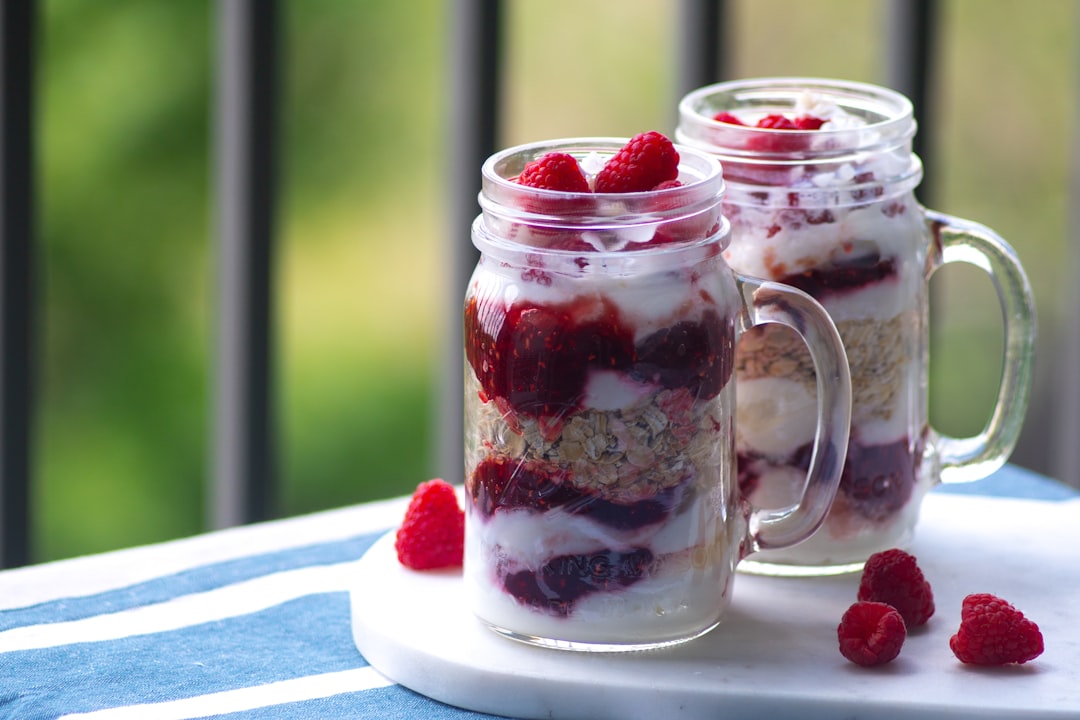
For a more casual family brunch, pair the pancakes with a build-your-own yogurt parfait bar: set out bowls of granola, fresh berries, sliced bananas, honey, and plain yogurt. Add a batch of scrambled eggs cooked low and slow with a knob of butter and a handful of chives. The eggs provide protein that the pancakes lack and keep everyone satisfied through the afternoon. Round out the table with a fruit platter of seasonal selections — in spring, strawberries, kiwi, and mango work well alongside the lemon-berry pancake theme.
The Make-Ahead Brunch Party
If you are hosting a larger group and want to minimize morning cooking, pair the pancakes (which can be kept warm in the oven) with make-ahead items that are served cold or at room temperature. A frittata, baked the night before and served at room temperature, requires zero morning effort and slices beautifully on a platter. A batch of quick-pickled fruit (stone fruit or grapes pickled in champagne vinegar, sugar, and thyme) adds an unexpected, elegant touch that impresses guests without requiring any cooking skill. A pitcher of cold-brew coffee, prepared the day before, eliminates the need to brew pots of coffee during the brunch rush.
Frequently Asked Questions
Can I skip separating the eggs?
You can add the whole eggs directly to the batter, and the pancakes will still be good — better than average, in fact, because of the ricotta. But they will not be as fluffy or tall. Whipping and folding the egg whites adds volume and lightness that you simply cannot achieve by mixing whole eggs in. If you have 3 extra minutes, it is worth it.
Why are my ricotta pancakes browning too fast?
Ricotta pancakes contain more protein and sugar than standard pancakes, both of which accelerate the Maillard reaction. Cook them over medium-low heat instead of medium. The lower temperature gives the interior time to cook through before the exterior burns. If you see dark brown in under 2 minutes, your heat is too high.
Can I use low-fat or part-skim ricotta?
You can, but the pancakes will be slightly less tender and rich. Full-fat ricotta produces the best texture because the fat inhibits gluten development. If using part-skim, add an extra tablespoon of melted butter to the batter to compensate for the lost fat.
How do I know when to flip the pancakes?
Watch for bubbles forming across the entire surface (not just the edges) and the edges appearing set and slightly dry. When you slide a spatula underneath, the bottom should be uniformly golden brown. If it feels like it might tear, wait another 30 seconds. These pancakes are thicker than standard, so they need more time per side.
Can I make the batter ahead of time?
The wet and dry ingredients can be mixed separately the night before and combined in the morning. However, the egg whites should be whipped fresh, and the final batter should be cooked within 15 minutes of mixing. Baking powder loses its leavening power over time, and the whipped whites deflate. Prep ahead, cook fresh.
Nutritional Disclaimer
The nutritional information provided is an estimate based on USDA FoodData Central data and is intended for informational purposes only. Values may vary depending on specific ingredients, brands, and preparation methods. This content is not a substitute for professional dietary or medical advice. Individuals with food allergies, intolerances, or specific health conditions should consult a qualified healthcare provider before making dietary changes. CookingZone.org does not assume liability for the accuracy of nutritional data or individual health outcomes.