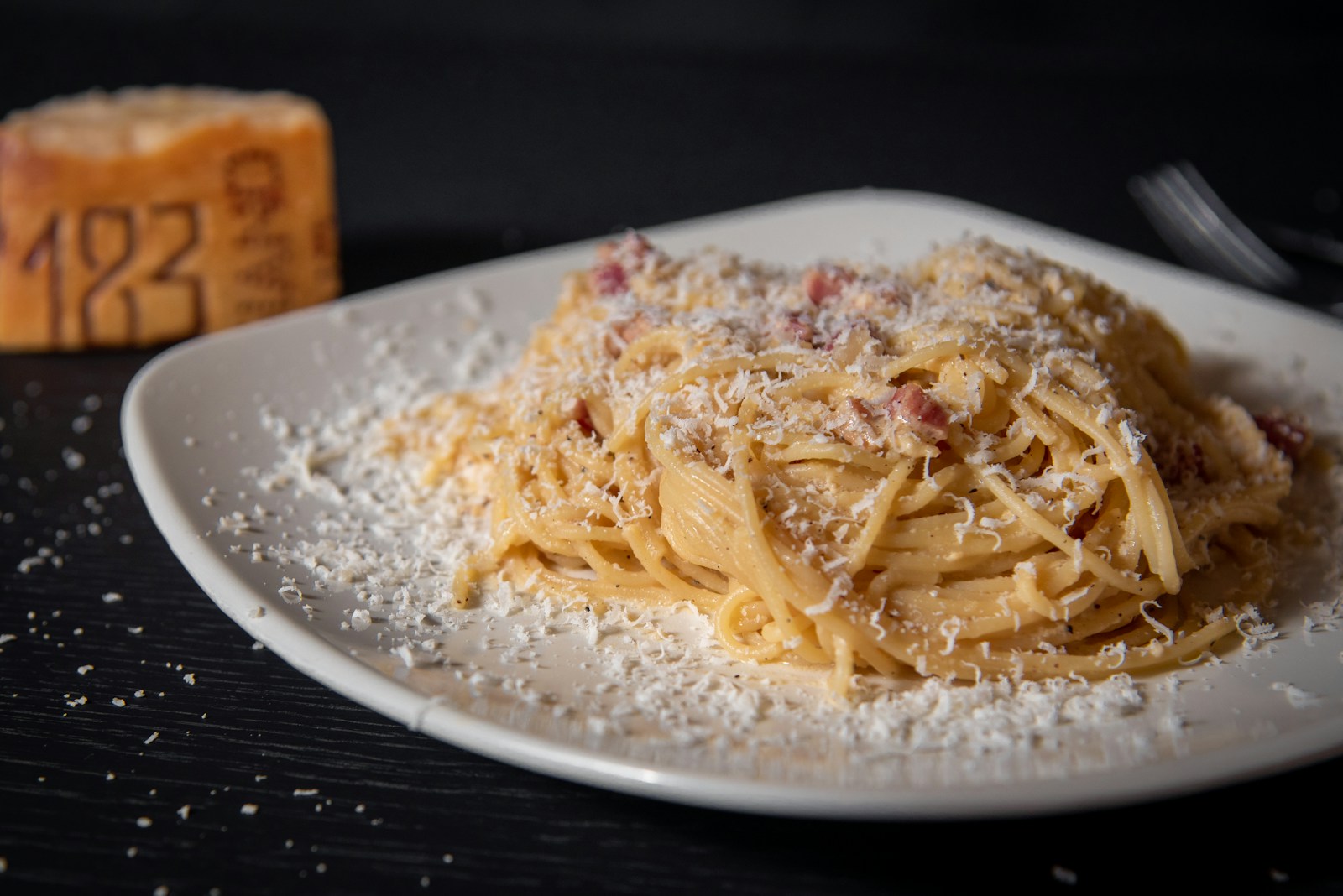
The first time I made cacio e pepe, it clumped. The second time, it broke. The third time, it was edible. The fourth time, I understood. If you are new to this dish, know this in advance: you will fail, probably more than once, and the failing is not a reflection of your skill as a cook. It is how cacio e pepe teaches. The dish contains three ingredients. Three. And those three ingredients will betray you in ways that ten-ingredient recipes never would.
The Roman chef Flavio De Maio, who runs the beloved trattoria Flavio al Velavevodetto in the Testaccio district, once said in an interview with La Repubblica that cacio e pepe is “the hardest simple pasta in Italy.” He meant it as a warning, not a boast. Every Italian nonna can make it. Most American home cooks, following recipes that omit the critical details, cannot. The gap between those two experiences is the subject of this piece.
You will find elsewhere on the internet recipes that assure you cacio e pepe is “foolproof if you follow three simple steps.” Those recipes are lying to you. Cacio e pepe is not foolproof. It is a test of temperature, timing, and water chemistry disguised as a twenty-minute weeknight pasta. When you understand what is actually happening on a molecular level — why the cheese seizes, why the water matters, why the pepper needs to be toasted — the dish becomes reliable. Until then, it is a lottery.
The Chemistry of a Three-Ingredient Disaster
Here is what happens when cacio e pepe fails. You grate Pecorino Romano over hot drained pasta. The cheese, on contact with direct heat above 170°F, releases its fat but its proteins denature and tangle into clumps. You stir frantically. The clumps multiply, glom onto the tongs, and form an unappetizing rope of cheese around otherwise perfect pasta. You add water. It does not help. The dish is lost.
The reason is casein behavior. Pecorino Romano is a hard, aged sheep’s milk cheese with low moisture content (around 30 percent) and high protein concentration. Its casein micelles are held together by calcium bridges that break down gradually when heated in the presence of starch and acid. With the right medium — starchy pasta water — the casein dissolves into a smooth emulsion. Without that medium, or with too much direct heat, the casein coagulates instead. You cannot un-clump cheese. You can only prevent it.
This is why every Roman cook will tell you the same thing: the cheese never touches the flame. The emulsion happens in a bowl, off the heat, using nothing but the residual warmth of the drained pasta and the starch suspended in the pasta water. When a recipe says “toss over medium heat until sauce forms,” that recipe is setting you up to fail. The stove stays off.
The Cheese Problem
Buy Pecorino Romano DOP. The DOP — Denominazione di Origine Protetta — designation means the cheese was made in Lazio, Sardinia, or the Tuscan province of Grosseto according to specific regulations that have been in place since Roman times. It cannot legally be called Pecorino Romano DOP unless it meets those standards. Brands like Fulvi, Brunelli, or Locatelli are what to look for. Grate it yourself. A microplane is ideal; a box grater on the finest side works too. Pre-grated cheese from a bag will not work — the anti-caking agents (cellulose, potato starch) interfere with emulsification.
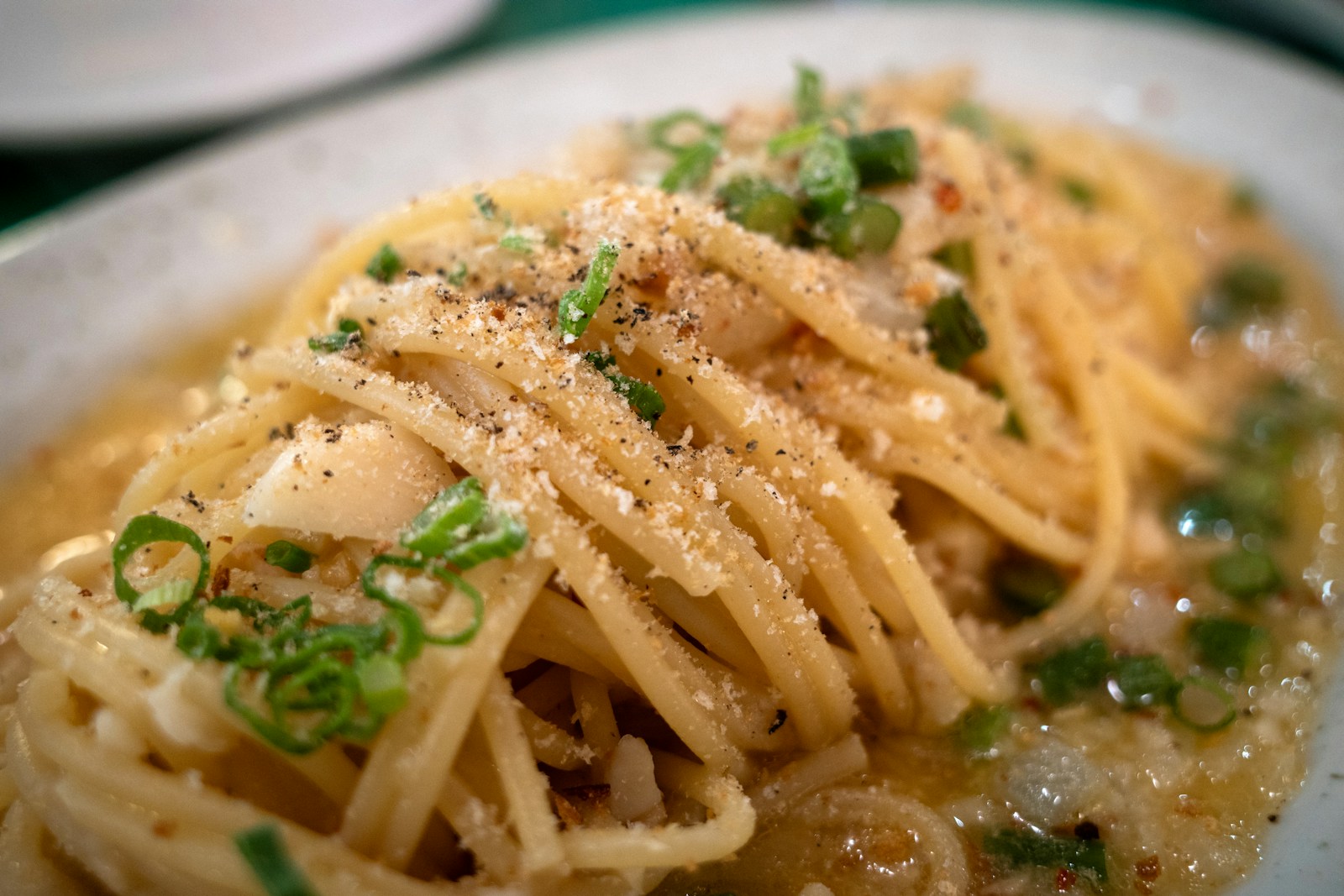
Bring the cheese to room temperature before you start. A wedge pulled straight from the refrigerator will release fat unevenly when it hits hot water, increasing the chance of breakage. An hour on the counter is usually enough. The cheese should feel cool, not cold, when you grate it. Grate more than you think you need — 100 grams for two servings is the traditional ratio, and you will want to finish with extra shavings at the end.
Grate fine. The finer the grate, the faster the cheese melts into the starchy water and the less likely it is to clump. A coarse box-grater shred will take longer to dissolve, and during that time, some of it will have already seized. A microplane produces a powder-fine dust that emulsifies almost instantly. The difference in outcome is dramatic.
The Pepper Problem
The pepper in cacio e pepe is not seasoning. It is a main character. Pre-ground pepper from a jar loses 50 percent of its volatile oils — piperine and the terpene compounds that give pepper its bite and aroma — within two weeks. The Italian food writer Katie Parla, who has lived in Rome for twenty years, notes in her book Food of the Italian Islands that any pepper older than two months should be composted. She is right. A proper cacio e pepe made with cracked, freshly toasted peppercorns has a dimension of floral, almost citrusy warmth that jarred pepper cannot produce.
Use whole Tellicherry peppercorns if possible. They come from India’s Malabar Coast, are larger and later-picked than standard black pepper, and are considered the most aromatic variety in the world. Crack them coarsely — using a mortar, a rolling pin pressed against a cutting board, or the flat side of a heavy knife. You want cracked and visibly flecked, not ground to powder. Then toast the cracked pepper in a dry skillet over medium heat for about a minute, shaking constantly, until the kitchen smells like pepper and the oils have bloomed.
The Water Problem
Pasta water is not water. It is water in which two hundred grams of starch-heavy durum wheat has boiled for ten minutes. The starch suspension that results is what emulsifies the cheese into sauce — without that starch, cheese and fat refuse to stay together and weep out as puddles. The ratio matters: too much water and the pasta will be underseasoned and the starch will be too dilute; too little and the pasta will be oversalted and the starch too gummy. Four quarts of water per half pound of pasta is the Roman standard.
Salt the water, but salt it less than you normally would. Pecorino Romano is one of the saltiest cheeses in existence — a 100-gram wedge contains around 1,800 mg of sodium. Adding standard heavily-salted pasta water to that cheese produces a dish that cannot be eaten. A teaspoon per quart, rather than the usual tablespoon, is the right level. The pasta will taste slightly bland straight out of the pot. That is correct. The cheese will handle the rest.
The Ingredient Ratio
This chart is worth memorizing. Multiply evenly for larger batches — the ratios scale, but the technique does not change.
| Servings | Pasta | Pecorino Romano | Peppercorns | Pasta Water to Reserve |
|---|---|---|---|---|
| 2 | 225 g (8 oz) | 100 g (1 cup grated) | 2 tsp | 2 cups |
| 4 | 450 g (1 lb) | 200 g (2 cups grated) | 1 tbsp + 1 tsp | 3 cups |
| 6 | 675 g (1.5 lb) | 300 g (3 cups grated) | 2 tbsp | 4 cups |
Ingredients
- 8 oz (225 g) dried tonnarelli, bucatini, or spaghetti
- 1 cup (100 g) finely grated Pecorino Romano DOP
- 2 teaspoons whole Tellicherry black peppercorns
- 4 quarts water, seasoned with 1 teaspoon salt per quart
- 2 tablespoons unsalted butter (optional, as a recovery measure)
- Pecorino shavings and extra cracked pepper for finishing
Making It
- Bring the water to a rolling boil. Four quarts in a large pot. Add salt — one teaspoon per quart. Taste the water. It should be mildly seasoned, not ocean-salty. Too much salt here and the finished dish will be inedible once the cheese is added.
- Crack and toast the pepper. Place the whole peppercorns in a mortar and crush them with the pestle, or under a heavy skillet if you do not have one. You want cracked — visibly faceted pieces, not powder. Put the cracked pepper in a small dry skillet over medium heat. Shake the pan constantly for 45 to 60 seconds. When the kitchen fills with a sharp, floral aroma and the pepper has a slight sheen, remove from heat and set aside.
- Cook the pasta to one minute short. Drop pasta into the boiling water. Stir in the first thirty seconds to prevent sticking. Cook to one minute less than the package direction — you are not draining directly to plate; the pasta will finish in the sauce. Before draining, use a heatproof cup to reserve two full cups of the starchy pasta water. Do not skip this. You will need more than you think.
- Build the cheese paste, off the heat. In a wide bowl (wider is better — more surface area for emulsification), combine the finely grated Pecorino with 1⁄4 cup of the reserved pasta water. Whisk vigorously with a fork for 30 seconds. The cheese should absorb the water and form a thick, smooth paste — something like wet sand becoming wet concrete. If lumps form, whisk harder, adding a teaspoon more water at a time. This step is the heart of the dish. If you can get a smooth paste here, everything after this is easy.
- Thin the paste. Drizzle in another 1⁄2 cup of hot pasta water while whisking continuously. The paste should loosen into a thin, glossy cream — pourable, but still viscous enough to coat the back of a spoon. If it seizes or looks grainy, drizzle in hot water one tablespoon at a time, whisking hard between additions, until smooth.
- Drain the pasta. Move fast. Drain the pasta the moment it hits one minute less than package direction. Do not rinse. Do not let it sit.
- Combine. Transfer the drained pasta immediately to the bowl with the cheese cream. Add all of the toasted cracked pepper. Toss vigorously with tongs for 30 to 45 seconds. The pasta’s heat will finish cooking the cheese into a silky sauce that clings. If the sauce looks too thick, add reserved pasta water one tablespoon at a time. If it looks too thin, keep tossing — it will tighten as it cools slightly.
- Plate and eat. Divide the pasta into two warmed bowls. Finish with a few fresh Pecorino shavings, a crack more black pepper, and nothing else — no parsley, no garnish, no olive oil drizzle. Eat immediately. Cacio e pepe has an aggressive window of perfection lasting about two minutes. After that, the sauce tightens into glue. This is a dish to serve on plates already at the table with forks in hand.
Recovery: When It Breaks Anyway
Sometimes, despite doing everything right, the cheese seizes. This is not a reflection of your cooking. It is the nature of dealing with high-protein aged cheese at the edge of its emulsification tolerance. The recovery move: add a tablespoon of unsalted butter and two tablespoons of hot pasta water, then whisk hard. The butter fat gives the broken emulsion something to cling to, and the additional water provides room for the proteins to re-suspend. Purists will say this is not traditional — and they are correct — but it produces a dish that is still recognizably cacio e pepe, and that is better than a dish that is ruined. If the cheese is in full rope-clump mode, there is no recovery. Start again.
What to Serve With It
In Rome, cacio e pepe is eaten as the primo — the first course — after antipasti and before a small secondo. At home, it is better treated as the main event. A small green salad dressed with only olive oil and lemon juice provides a clean counterpoint. Roasted broccoli rabe with chili flakes echoes the Italian bitter-green tradition. A glass of Frascati, Rome’s crisp local white, is the historically correct pairing and happens to be under twenty dollars almost anywhere.
If you are building a Roman pasta arc across a weekend, this is the first of four classics to know. The others — carbonara, gricia, and amatriciana — are all structurally related and worth learning once you have cacio e pepe reliable. Our classic carbonara recipe walks through the egg-and-guanciale version that borrows this emulsification technique. For a lighter Italian pasta at a different tempo, our spring lemon asparagus pasta with peas and ricotta is seasonal, forgiving, and ready in fifteen minutes.
Storage (Or Why You Should Not Bother)
Cacio e pepe does not store well. The sauce is a live emulsion held together by starch and heat; once it cools and sits, the fat separates and the starch gels. Refrigerated leftovers become a dense, pasty clump that even aggressive reheating cannot restore. If you absolutely must save some, do this: transfer to an airtight container, chill no more than twenty-four hours, and reheat in a skillet over low heat with two tablespoons of water, stirring gently until loose. The texture will be acceptable but noticeably worse than fresh. Better to scale the recipe for exactly how many people you are feeding.
Frequently Asked Questions
Why does cacio e pepe always clump when I make it?
Clumping happens when cheese proteins denature too fast. Pecorino Romano, being low-moisture sheep’s milk cheese, is particularly prone. The fix is temperature control: cheese meets hot pasta water first (around 160°F), never the flame directly. Emulsify cheese and water off the heat into a paste before adding the pasta. If it still breaks, a small spoonful of butter forces it back together through added fat. Also: grate finer, bring cheese to room temperature before starting, and move faster once the pasta is drained.
Can I substitute Parmesan for Pecorino Romano?
You can, but the dish loses its identity. Pecorino Romano is sheep’s milk, aged 8 to 12 months, with a sharp and lightly gamey edge that defines the dish. Parmigiano Reggiano is cow’s milk, more delicate, and sweeter. A 70-30 Pecorino-to-Parmigiano blend is acceptable and actually forgiving — the Parmigiano’s higher moisture helps prevent seizing. A pure Parmigiano version is technically closer to gricia-adjacent but is not cacio e pepe. Buy Pecorino Romano DOP when you can.
Should I toast the black pepper?
Yes. Toasting cracked pepper for 45 to 60 seconds in a dry skillet wakes up the volatile oils — piperine and the terpenes — that give pepper its aromatic backbone. Untoasted pepper tastes flat by comparison. Use whole Tellicherry peppercorns and crack them yourself. Pre-ground pepper loses half its essential oils within two weeks of grinding. The moment the kitchen fills with the sharp-floral smell of warming pepper, remove from heat.
What pasta shape should I use?
Tonnarelli — square-cut Roman spaghetti, also called spaghetti alla chitarra — is the traditional choice. Its rough, porous surface grabs the cheese cream beautifully. Bucatini is a strong second: thick hollow strands that hold sauce inside and out. Regular spaghetti works but yields a less textured result. Avoid smooth industrial dried pasta. Bronze-die pasta from Italian brands like Rustichella d’Abruzzo or Benedetto Cavalieri is worth the extra two dollars per box for this dish.
Sources
- Serious Eats — The Food Lab on Cacio e Pepe — J. Kenji López-Alt’s technical breakdown of why the dish breaks and how to prevent it.
- Bon Appétit — Classic Cacio e Pepe — A reference version from a trusted test kitchen.
- USDA FoodData Central — Pecorino Romano — Nutritional profile used for per-serving calculations.
Each serving contains roughly 568 calories, 24 g protein, 17 g fat, 78 g carbohydrates, and 3 g fiber — based on 2 servings using semolina pasta and Pecorino Romano DOP. Sodium is high due to the cheese and salted water.
Please note: Nutritional estimates are derived from the USDA FoodData Central database and may vary depending on specific brands of pasta and cheese. This recipe contains dairy and wheat. Nothing in this article should be interpreted as medical or dietary guidance. If you have food allergies, sodium-sensitive conditions, or specific dietary needs, consult a registered dietitian or healthcare provider before preparing this recipe.

Rachel Summers
Rachel grew up in a Pacific Northwest kitchen, learning Sunday roasts from her mother and pie crust from a grandmother who never wrote a recipe down. CookingZone began as a way to save her family's cooking before it was forgotten, and grew when her cousins started sending in their own. Her work covers foundational American, Italian, French, and Mexican recipes, with an emphasis on weekend baking, comfort food, and the techniques that span both European and American home kitchens.