This ways upgrade recipe will become a favorite. Your morning coffee routine might be comfortable and familiar, but that does not mean it cannot be better. You do not need expensive equipment or specialty beans to elevate your daily cup. A few simple changes can transform your ordinary coffee into something you actually look forward to.
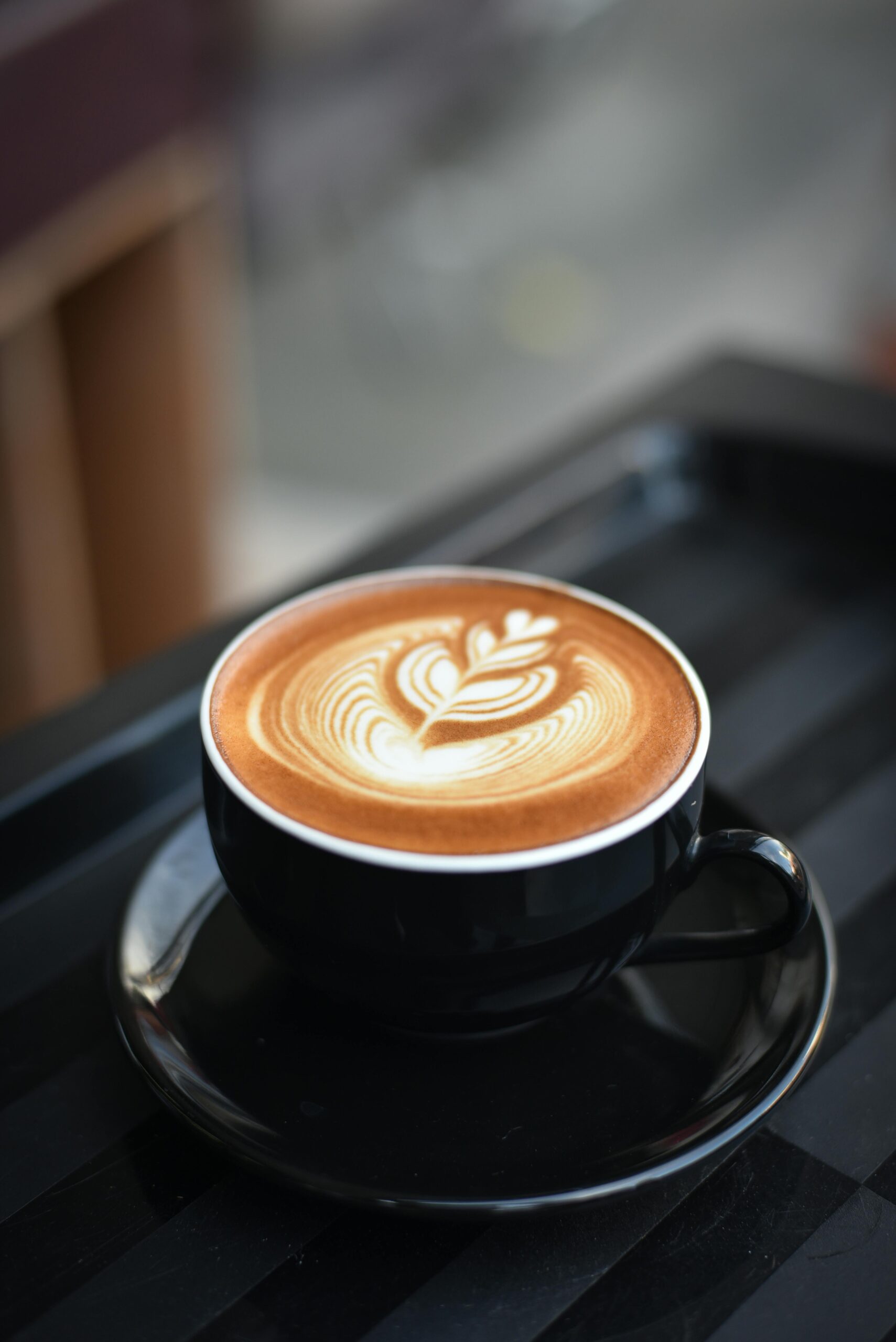
I have spent years experimenting with ways to make better coffee at home without turning into a coffee snob or spending a fortune on gear. These twelve upgrades range from completely free to modestly priced, and each one makes a noticeable difference in your cup.
1. Use Fresh, Whole Beans
This is the single most impactful change you can make. Coffee starts losing flavor the moment it is roasted, and the process accelerates dramatically once it is ground. Pre-ground coffee has already oxidized significantly by the time you open the bag.
Buy whole beans and grind them just before brewing. Even an inexpensive blade grinder will make a noticeable difference compared to pre-ground coffee. For even better results, invest in a burr grinder which produces a more consistent grind size.
Look for beans with a roast date on the bag, not just an expiration date. Coffee is at its best within two to four weeks of roasting. Avoid anything that does not tell you when it was roasted.
2. Store Beans Properly
Coffee beans are enemies of air, moisture, heat, and light. The worst thing you can do is leave them in an open bag on the counter or, even worse, in the refrigerator where they absorb odors and moisture.
Store beans in an opaque, airtight container at room temperature. Many coffee bags have a one-way valve that lets gases escape without letting air in, so you can keep beans in the original bag if it has this feature. Just squeeze out the excess air before sealing.
Buy only as much coffee as you will use in one to two weeks. It is tempting to stock up, but fresher beans always taste better.
3. Use the Right Water
Coffee is about 98 percent water, so water quality matters enormously. If your tap water tastes bad, your coffee will too. Chlorine, minerals, and other impurities affect flavor.
Use filtered water for brewing. A simple pitcher filter removes chlorine and some minerals and makes a noticeable improvement. If your water is very hard (lots of minerals), consider using bottled spring water.
The water temperature matters too. Water that is too hot extracts bitter compounds. Too cool and it under-extracts, producing weak, sour coffee. The ideal range is 195 to 205 degrees Fahrenheit, which is just below boiling. If you do not have a thermometer, let the water come to a boil, then wait 30 seconds before pouring.
4. Measure Your Coffee
Eyeballing your coffee and water leads to inconsistent results. Sometimes it is too strong, sometimes too weak. Measuring gives you consistent coffee and helps you troubleshoot when something tastes off.
A good starting ratio is 1:16, which means one gram of coffee for every 16 grams of water. For a typical 12-ounce mug (about 350 grams of water), that is about 22 grams of coffee. Adjust from there based on your taste.
A kitchen scale is the most accurate way to measure, but if you do not have one, use about two tablespoons of coffee per six ounces of water as a starting point.
5. Clean Your Equipment
Coffee oils are delicious when fresh but turn rancid quickly and coat your equipment. Old coffee residue gives your fresh brew a stale, bitter taste. Most coffee makers, grinders, and even mugs have more buildup than you realize.
Wash removable parts of your coffee maker with soap and water after each use. Run a cleaning cycle with vinegar or a coffee maker cleaner monthly. Clean your grinder by running a small amount of dry rice through it to absorb oils.
6. Try a Different Brewing Method
Drip coffee makers are convenient, but other brewing methods can produce better coffee with minimal extra effort. Each method extracts different flavors from the beans.
French press: Produces a full-bodied, rich cup with more oils than filtered methods. Steep coarse-ground coffee in hot water for four minutes, then press and pour.
Pour-over: Gives you complete control over extraction and produces a clean, nuanced cup. It takes a bit more attention but is very rewarding.
AeroPress: Fast, versatile, and nearly impossible to mess up. Produces smooth, low-acid coffee and is great for travel.
Moka pot: Makes strong, concentrated coffee similar to espresso. Great for lattes and Americanos.
7. Adjust Your Grind Size
Grind size dramatically affects extraction and flavor. Too fine and your coffee will be over-extracted and bitter. Too coarse and it will be under-extracted and sour.
Match your grind to your brewing method. Coarse grinds for French press and cold brew. Medium for drip and pour-over. Fine for espresso and Moka pot. Extra fine for Turkish coffee.
If your coffee tastes bitter, try a coarser grind. If it tastes sour or weak, try finer. Small adjustments make big differences.
8. Use Less (or More) Sugar and Cream
If you automatically dump sugar and cream into every cup, try tasting the coffee first. Good coffee often does not need additives, and you might be masking flavors you would actually enjoy.
Start by reducing the amount you add and see if you miss it. You might find that better beans and brewing make additives unnecessary. Or you might decide you prefer your coffee sweet and creamy, which is perfectly fine too.
If you do add dairy, try warming it first so it does not cool your coffee. Or try alternative milks like oat milk, which froths well and has a naturally sweet flavor.
9. Try Coffee Ice Cubes
Regular ice cubes dilute iced coffee as they melt, leaving you with a watery, weak drink. Coffee ice cubes solve this problem elegantly.
Brew coffee, let it cool, and pour into ice cube trays. Once frozen, use these cubes for iced coffee. As they melt, they add more coffee flavor instead of diluting it.
You can also make flavored coffee cubes by adding a splash of vanilla extract, a sprinkle of cinnamon, or some sweetened condensed milk before freezing.
10. Add a Pinch of Salt
This sounds strange but actually has scientific backing. A tiny pinch of salt reduces bitterness without making coffee taste salty. It works by blocking the taste receptors that perceive bitterness, allowing other flavors to come through.
Add just a few grains of salt to your grounds before brewing. You should not taste salt in the finished coffee. If you do, you have used too much. This trick is especially helpful for lower-quality or over-roasted beans.
11. Add Spices to Your Grounds
Spices brewed with your coffee add warmth and complexity without calories or sugar. This is traditional in many coffee cultures around the world.
Try adding a pinch of cinnamon to your grounds before brewing for a subtle sweet warmth. Cardamom is traditional in Middle Eastern coffee and adds a floral, aromatic note. A tiny amount of nutmeg or ginger also work well.
Start with small amounts because a little goes a long way. You want the spice to complement the coffee, not overpower it.
12. Practice Mindfulness
Sometimes the best upgrade is simply paying attention. Instead of mindlessly gulping your coffee while scrolling your phone, take a moment to actually taste it.
Notice the aroma before you sip. Take a small sip and let it coat your tongue. What flavors do you detect? Is it sweet, bitter, acidic, fruity, nutty, chocolatey? How does it feel in your mouth?
This is not about becoming a coffee snob. It is about getting more enjoyment from something you do every day. When you pay attention, you appreciate your coffee more and you can identify what you like and do not like so you can make better choices.
Putting It All Together
You do not need to implement all twelve upgrades at once. Start with one or two that seem easiest or most impactful for your situation. Fresh beans and proper water temperature alone will make a huge difference.
As you get comfortable, try other changes and see what works for you. Coffee is personal, and the best cup is the one you enjoy most. There is no single right way to make coffee, just your way.
Frequently Asked Questions
How much should I spend on beans?
You do not need expensive beans to make good coffee, but the cheapest supermarket options are rarely fresh. Mid-range beans from a local roaster or quality online seller (around $12 to $18 per pound) offer the best value.
Is espresso stronger than regular coffee?
Espresso is more concentrated, but a shot has less caffeine than a full cup of drip coffee simply because of the serving size. If you need maximum caffeine, cold brew and drip coffee are actually higher.
Does dark roast have more caffeine?
Actually, light roasts have slightly more caffeine. Roasting breaks down caffeine, so the longer the roast, the less caffeine remains. The difference is small though.
How do I know if beans are fresh?
Look for a roast date on the bag. Avoid anything that only has an expiration date. Fresh beans should have a strong aroma when you open the bag. Stale beans smell flat or dusty.
Pro Tips for Perfecting Your Morning Coffee
Enhancing your morning coffee doesn’t require extensive knowledge or expensive equipment; it just takes some practical tips and techniques. Here are a few pro tips to help you get the most out of your daily brew:
- Experiment with Brew Time: Adjusting the time your coffee grounds are in contact with water can significantly affect flavor. For drip coffee, aim for a brew time of 4-6 minutes. For French press, steep for about 4 minutes before pressing down. Experimenting with these times can help you find your ideal flavor profile.
- Use a Scale: To achieve a consistent cup, consider weighing your coffee and water. A common ratio is 1:15; for every gram of coffee, use 15 grams of water. This precision can lead to a more balanced and enjoyable drink.
- Preheat Your Mug: Pouring hot coffee into a cold mug can lower the coffee’s temperature, affecting taste and aroma. Preheat your mug by rinsing it with hot water before pouring in your freshly brewed coffee.
- Try Flavored Extracts: If you’re looking to add a unique twist, consider adding a few drops of flavored extracts such as vanilla, almond, or hazelnut. Just be sure to start with a small amount to avoid overpowering the coffee’s natural flavors.
- Opt for the Right Roast Level: Different roast levels (light, medium, dark) have unique flavor profiles. Experiment with various roast levels to discover which suits your palate best. Light roasts generally have more acidity and fruity flavors, while dark roasts offer a richer, bolder taste.
Common Mistakes to Avoid When Brewing Coffee
Even small mistakes can lead to a disappointing cup of coffee. Here are some common pitfalls to avoid to ensure you always enjoy a perfect brew:
- Using Old Coffee: As mentioned previously, stale coffee can ruin the flavor of your brew. Always check the roast date and try to use coffee within two weeks of opening.
- Neglecting Cleanliness: Residue from previous brews can influence the flavor of your coffee. Clean your coffee maker, grinder, and any other equipment regularly with warm, soapy water to prevent build-up.
- Ignoring Grind Size: The grind size of your coffee can have a dramatic impact on extraction. A grind that is too fine can lead to over-extraction and bitterness, while a grind that is too coarse can result in under-extraction and sourness. Always adjust your grind size based on the brewing method.
- Not Adjusting for Water Quality: The quality of your water can affect the flavor of your coffee. If your tap water has a strong taste or odor, consider using filtered or bottled water to improve your brew.
- Overlooking Temperature: Brewing coffee at the wrong temperature can lead to undesirable flavors. The ideal water temperature for brewing is between 195°F and 205°F. Too hot, and you risk scalding the coffee; too cold, and you won’t extract the flavors properly.
| Brew Method | Water Temperature (°F) | Brew Time (minutes) |
|---|---|---|
| Drip Coffee | 195-205 | 4-6 |
| French Press | 195-205 | 4 |
| Pour Over | 195-205 | 2.5-3 |
| Cold Brew | Room Temp/Cold | 12-24 |
Frequently Asked Questions
How can I tell if my coffee is stale?
Coffee is typically stale if it has lost its aroma and flavor. If your coffee smells flat or has a dull taste, it’s likely past its prime. Always check for a roast date on the package and aim to use the beans within two weeks of opening.
What is the best way to grind coffee beans?
For the best flavor, use a burr grinder as it produces a consistent grind size. If you only have a blade grinder, pulse it gently to avoid over-grinding. Adjust grind size based on your brewing method; coarser for French press and finer for espresso.
Can I reuse coffee grounds?
While you can reuse coffee grounds for a second brew, the flavor will be significantly weaker. Alternatively, consider using them for other purposes, such as composting or as a natural deodorizer, to make the most of your coffee waste.
Why does my coffee taste bitter?
Bitter coffee can result from over-extraction, which happens when coffee grounds are in contact with water for too long or if the grind size is too fine. Make sure to adjust your brewing time and grind size to mitigate bitterness.
Final Thoughts
Upgrading your morning coffee does not require expensive equipment or expert knowledge. Simple changes like using fresh beans, good water, and the right ratio can transform your daily cup from mediocre to genuinely enjoyable.
The best part is that better coffee costs almost nothing extra. Fresh beans cost the same as stale ones. Filtered water is cheaper than buying bottled. Measuring and timing are free. These small improvements add up to a dramatically better experience.
Explore more beverage recipes to expand your drink repertoire.
Sources & References
Quick Reference: Coffee Upgrade Checklist
- Fresh beans: Buy whole beans with a roast date, use within 2-4 weeks
- Proper storage: Opaque, airtight container at room temperature
- Quality water: Filtered water at 195-205°F
- Accurate measurement: Use a kitchen scale for consistency
- Clean equipment: Descale monthly, rinse after each use
- Right grind size: Match to your brewing method
- Pre-heat everything: Warm cups and carafes before brewing
Common Coffee Mistakes to Avoid
- Using stale, pre-ground coffee
- Storing beans in the refrigerator
- Using tap water with chlorine taste
- Brewing with water that is too hot (causes bitterness)
- Not cleaning your coffee maker regularly
- Leaving brewed coffee on a hot plate for too long

CookingZone Editorial
Expert culinary content covering cooking techniques, authentic recipes, and kitchen innovation.