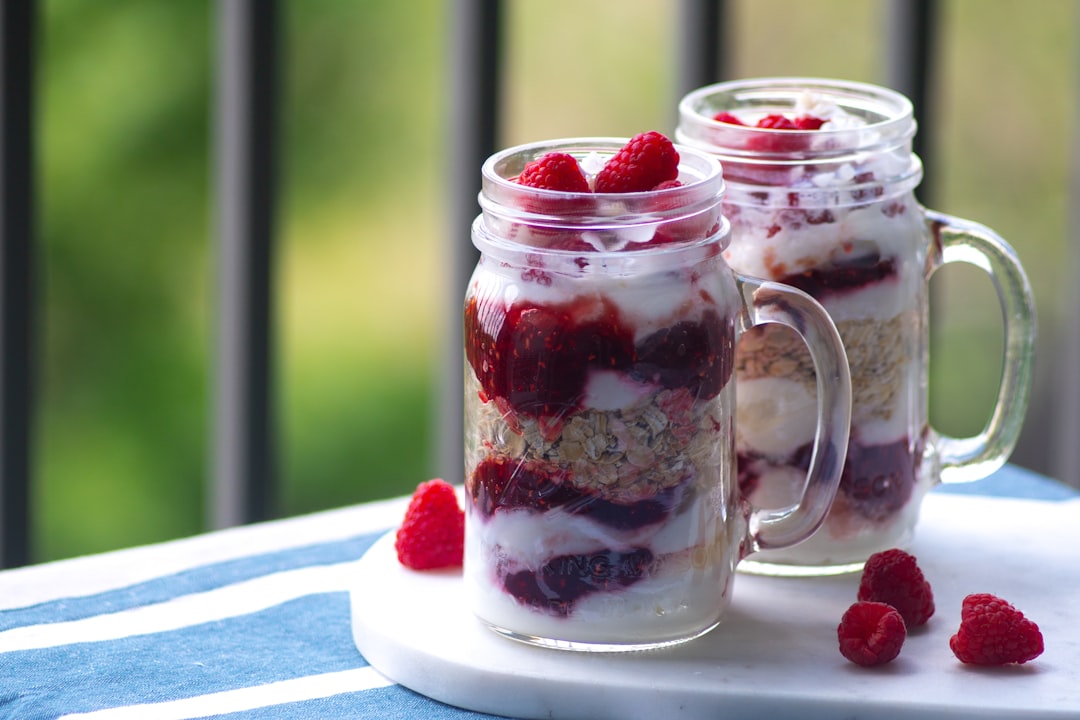
Overnight oats are the meal-prep strategy I recommend more than any other to clients who say they do not have time for breakfast. You spend five minutes the night before, and by morning you have a cold, creamy, fully customizable jar of balanced nutrition waiting in the fridge. No cooking, no cleanup, no excuses.
As a nutritionist, I have seen the research on breakfast skipping and its effect on blood sugar regulation, afternoon cravings, and overall nutrient intake. But I also know that telling someone to wake up 30 minutes earlier to make eggs is not realistic for most working adults. That tension is exactly why I developed this overnight oats recipe with five distinct flavor profiles enough variety to carry you through a full work week without repeating a single jar.
The base ratio is always the same: equal parts oats and liquid, plus a binding agent and a sweetener. Once you memorize that formula, you can improvise endlessly. But these five versions are the ones my family and I rotate through most often, and every single one has been tested at least a dozen times.
Overnight Oats Master Base Recipe
Prep Time: 5 minutes
Cook Time: 0 minutes (overnight rest)
Total Time: 5 minutes active + 68 hours refrigeration
Servings: 1
Difficulty: Easy
Cuisine: American
Base Ingredients (Per Jar)
- 1/2 cup (45g) old-fashioned rolled oats (not instant, not steel-cut)
- 1/2 cup (120ml) milk of choice (dairy, oat, or almond)
- 1/4 cup (60g) plain Greek yogurt
- 1 tablespoon chia seeds
- 1 tablespoon maple syrup or honey
- Pinch of salt
Instructions (Base Method)
- Combine all base ingredients in a 16-ounce mason jar or airtight container. Stir thoroughly with a fork until the chia seeds are evenly distributed. Chia seeds clump if not stirred well, leaving pockets of gel and dry spots.
- Add your variation ingredients (see the five flavors below). Stir again to incorporate.
- Seal the jar and refrigerate for at least 6 hours, or overnight. The oats absorb the liquid and soften to a pudding-like consistency. Eight hours produces the creamiest texture.
- In the morning, stir and adjust. If the oats are too thick, add a splash of milk (12 tablespoons). If too thin, add a spoonful of yogurt. Top with your chosen garnishes and eat cold, straight from the jar.
The Five Variations
1. Classic Peanut Butter Banana
Add 1 tablespoon natural peanut butter and half a mashed banana to the base before refrigerating. In the morning, top with sliced banana, a drizzle of peanut butter, and a sprinkle of granola. This is the crowd-pleaser the one that converts skeptics. The banana breaks down overnight into a natural sweetener, which means you can reduce the maple syrup to 1 teaspoon if you prefer less sweetness.
2. Berry Vanilla
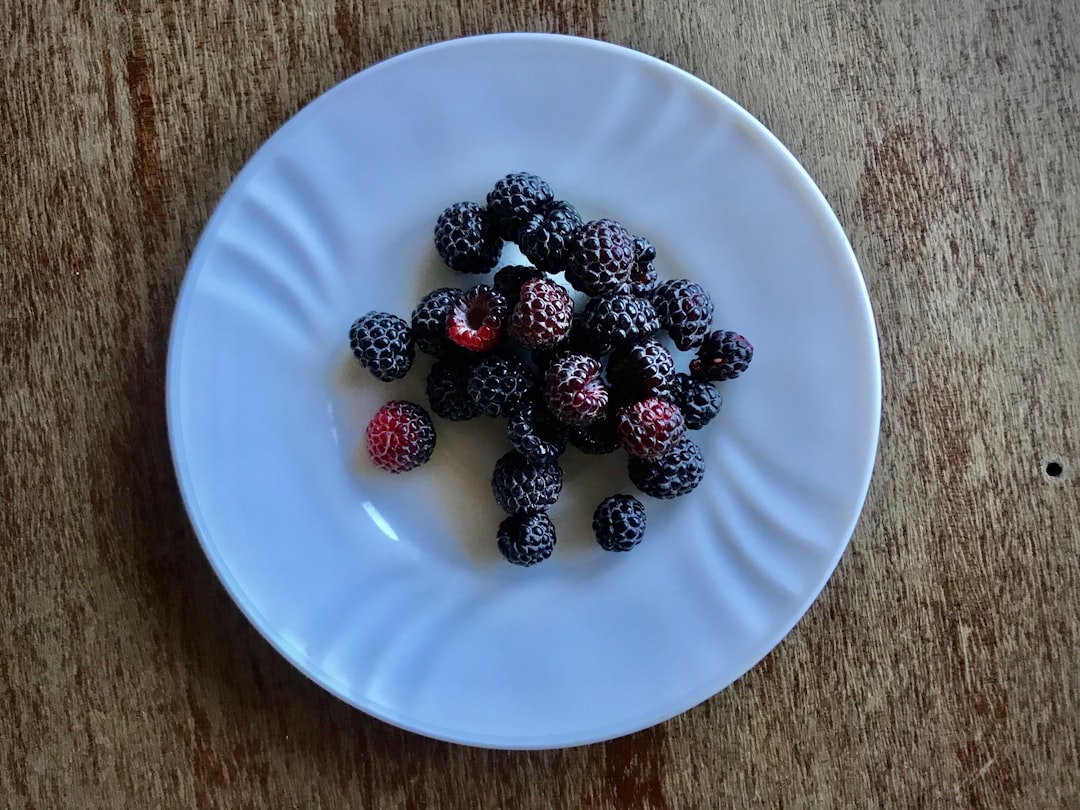
Add 1/4 cup mixed berries (fresh or frozen) and 1/2 teaspoon vanilla extract to the base. Frozen berries are preferable here because they release juice as they thaw, creating a naturally purple-streaked, sweet oat mixture without any additional sugar. Top with fresh berries and a dusting of toasted coconut flakes in the morning.
3. Chocolate Almond
Add 1 tablespoon unsweetened cocoa powder, 1 tablespoon almond butter, and an extra teaspoon of maple syrup to the base. The cocoa absorbs liquid, so increase the milk by 2 tablespoons. In the morning, top with sliced almonds and cacao nibs. This one tastes indulgent enough to feel like dessert, but the macronutrient profile is nearly identical to the other variations.
4. Tropical Mango
Add 1/4 cup diced mango (fresh or frozen) and 2 tablespoons coconut milk (from the can, full-fat) to the base. Substitute coconut yogurt for the Greek yogurt if you want a fully tropical flavor. Top with toasted coconut flakes, diced mango, and a squeeze of lime juice. The lime is not optional the acidity balances the sweetness of the mango and coconut.
5. Apple Cinnamon
Add 1/4 cup grated apple (skin on, for fiber), 1/2 teaspoon ground cinnamon, and a pinch of nutmeg to the base. Grate the apple on the large holes of a box grater. In the morning, top with diced apple, a drizzle of honey, and chopped walnuts. This variation tastes remarkably like apple pie filling warm spices and soft fruit against the creamy oat base.
Flavor Comparison Table
| Variation | Calories | Protein | Fiber | Best For |
|---|---|---|---|---|
| PB Banana | 340 kcal | 14g | 6g | Post-workout fuel |
| Berry Vanilla | 290 kcal | 12g | 7g | Low-calorie option |
| Chocolate Almond | 350 kcal | 13g | 8g | Satisfying sweet craving |
| Tropical Mango | 310 kcal | 10g | 5g | Dairy-free adaptation |
| Apple Cinnamon | 305 kcal | 11g | 7g | Autumn/winter comfort |
Why Overnight Oats Work: The Nutrition Case
Rolled oats are one of the most nutrient-dense grains available. A single half-cup serving provides 4 grams of beta-glucan fiber the soluble fiber shown in multiple clinical trials to reduce LDL cholesterol by 510 percent over 46 weeks. The USDA nutrient database for oats confirms they also deliver meaningful amounts of manganese, phosphorus, magnesium, and iron.
The chia seeds contribute omega-3 fatty acids and an additional 5 grams of fiber per tablespoon, while the Greek yogurt adds probiotics and a substantial protein boost. Together, this combination delivers sustained energy without the blood sugar spike and crash of a pastry or sugary cereal.
Oat Selection: Why Rolled Oats Are Non-Negotiable
Instant oats dissolve into mush overnight. Steel-cut oats remain unpleasantly crunchy even after 12 hours of soaking. Old-fashioned rolled oats hit the exact middle ground: they soften fully while retaining enough structure to feel like food, not porridge. If you can only find quick oats, use them, but reduce the milk by 2 tablespoons to compensate for their faster absorption. For a deeper look at oat types and their culinary properties, Serious Eats has an excellent comparison.
Meal Prep and Storage
Overnight oats keep in the refrigerator for up to 4 days, which means you can prepare a full Monday-through-Friday batch on Sunday evening in under 25 minutes. Label each jar with the flavor and date. The oats thicken progressively over time; jars made 34 days ahead will need an extra splash of milk before eating.
Do not freeze overnight oats. The texture becomes gritty and waterlogged upon thawing. If you want to explore other make-ahead breakfast ideas that do freeze well, check out our breakfast recipe collection.
Substitution Guide
| Ingredient | Substitution | Notes |
|---|---|---|
| Greek yogurt | Coconut yogurt or skyr | Coconut yogurt makes it dairy-free; skyr adds extra protein |
| Chia seeds | Ground flaxseed (1 tbsp) | Similar thickening effect, slightly nuttier flavor |
| Maple syrup | Honey, agave, or mashed banana | Mashed banana adds natural sweetness with zero added sugar |
| Dairy milk | Oat milk or almond milk | Oat milk produces the creamiest dairy-free result |
For a heartier morning, pair overnight oats with our Japanese souffle pancakes for a weekend brunch spread.
Nutrition Facts (Base Recipe Average Across 5 Variations)
| Calories | 320 kcal (avg) |
| Protein | 12g |
| Carbohydrates | 45g |
| Fiber | 7g |
| Fat | 10g |
| Sugar | 16g |
| Sodium | 85mg |
The Science of Overnight Oats
Overnight oats are not just a convenience trick. The process of soaking oats in liquid for six to eight hours triggers a series of biochemical changes that affect texture, digestibility, and nutritional value in meaningful ways.
Starch hydration is the primary mechanism. Rolled oats contain approximately 60 percent starch by weight. When submerged in liquid at refrigerator temperature (around 38°F / 3°C), the starch granules slowly absorb water and swell, a process called cold gelatinization. Unlike hot cooking, which rapidly bursts starch granules and releases their contents into the liquid (creating the gluey texture of overcooked oatmeal), cold hydration softens the granules gradually while preserving more of the oat’s structural integrity. This is why overnight oats have a pudding-like creaminess rather than the thick, paste-like consistency of hot porridge.
Resistant starch formation is a secondary benefit with genuine health implications. When starch is hydrated and then cooled (as happens during overnight refrigeration), a portion of the starch undergoes retrogradation, rearranging into a crystalline structure that resists digestion in the small intestine. This resistant starch passes to the large intestine, where gut bacteria ferment it and produce short-chain fatty acids (particularly butyrate), which are associated with improved gut barrier function, reduced inflammation, and lower colorectal cancer risk. Studies published in the Journal of Nutrition have shown that resistant starch consumption also improves insulin sensitivity.
Glycemic impact is measurably different between overnight oats and instant oatmeal. Instant oats are pre-cooked, dried, and rolled thin, which makes their starch rapidly accessible to digestive enzymes. They produce a faster blood sugar spike after eating. Overnight oats, by contrast, have a lower glycemic index because the cold hydration and resistant starch formation slow the rate at which glucose enters the bloodstream. For anyone managing blood sugar levels, this distinction is clinically relevant.
Phytic acid reduction is an additional benefit of the overnight soak. Oats, like all grains, contain phytic acid, an antinutrient that binds to minerals like iron, zinc, and calcium and reduces their bioavailability. Soaking oats in a slightly acidic medium (the lactic acid from yogurt serves this purpose) for several hours partially degrades phytic acid, potentially improving mineral absorption. This does not make a dramatic difference for people with varied diets, but it is a genuine nutritional advantage over eating dry oats.
Choosing Your Oats: A Complete Guide
The type of oat you use has a dramatic effect on the finished texture of overnight oats. All oat types begin as the same raw grain (oat groat), but processing creates significant differences in structure, absorption rate, and mouthfeel.
| Oat Type | Processing | Soak Time | Overnight Oat Result |
|---|---|---|---|
| Old-fashioned rolled oats | Steamed, then rolled flat | 6-8 hours | Ideal: creamy, soft, retains some structure |
| Steel-cut oats | Chopped into pieces, not rolled | 12-16 hours | Chewy and firm; requires extra liquid and longer soak |
| Quick oats | Steamed, rolled thinner, partially cooked | 4-6 hours | Overly soft; mushy texture; dissolves into liquid |
| Instant oats | Fully pre-cooked, dried, rolled very thin | 2-4 hours | Paste-like; loses all structural integrity; not recommended |
Old-fashioned rolled oats are the clear winner for overnight preparation. Their thickness (approximately 0.5 to 0.8 millimeters) allows them to absorb liquid thoroughly while maintaining enough structural integrity to feel like food rather than paste. They are steamed during manufacturing (which is why they are safe to eat without further cooking), but they are not pre-cooked to the extent of quick or instant varieties.
Steel-cut oats are the most divisive option. Some people enjoy their firm, chewy, almost nutty bite in overnight preparations. If you prefer this texture, increase the liquid by 2 to 3 tablespoons and soak for at least 14 hours. Even then, expect a distinctly different experience from rolled oats. Steel-cut overnight oats taste more like a cold grain salad than a creamy pudding.
Quick oats should be your last resort. They absorb liquid rapidly and lose their shape, producing a texture that most people find unpleasantly mushy. If they are all you have, reduce the milk by 2 tablespoons and check the oats after 4 hours. They may be ready earlier than rolled oats.
Protein-Boosting Strategies
The base overnight oats recipe provides approximately 12 grams of protein per serving (primarily from the Greek yogurt and the oats themselves). For athletes, people focused on muscle recovery, or anyone who wants a more satiating breakfast, there are several effective ways to increase the protein content without significantly altering the texture or flavor.
| Protein Source | Amount | Protein Added | Effect on Texture and Taste |
|---|---|---|---|
| Greek yogurt (extra) | 1/4 cup (60g) | +5g | Thicker, tangier; add 1 tbsp extra milk to compensate |
| Whey or plant protein powder | 1 scoop (30g) | +20-25g | Can become gummy; mix powder with liquid first before adding oats |
| Chia seeds (extra) | 1 tablespoon | +2g | Thicker, more gel-like; add 2 tbsp extra milk |
| Nut butter (peanut, almond) | 2 tablespoons | +7g | Richer, nuttier; blends in smoothly overnight |
| Collagen peptides | 1 scoop (10g) | +9g | Dissolves completely; no change to texture or flavor |
Collagen peptides are the most seamless addition. They dissolve completely in cold liquid, add no discernible flavor, and do not change the texture of the oats. They are particularly popular among people who want joint support or skin health benefits in addition to protein. The protein in collagen is not complete (it is low in tryptophan), so it should supplement rather than replace other protein sources.
Protein powder requires the most careful handling. If you add powder directly to the oats and liquid, it can form clumps or create a gummy, unpleasant texture. The solution is to whisk the protein powder into the milk first until fully dissolved, then add the oat mixture. Vanilla-flavored protein powder works well in all five variations. Chocolate protein powder pairs best with the Chocolate Almond and PB Banana versions.
For the highest-protein overnight oats without using supplements, combine extra Greek yogurt (1/2 cup total instead of 1/4 cup), 2 tablespoons of peanut or almond butter, and 1 extra tablespoon of chia seeds. This combination adds approximately 14 grams of protein to the base recipe, bringing the total to roughly 26 grams per jar, all from whole food sources.
Frequently Asked Questions
Can I heat up overnight oats?
Yes. Transfer to a microwave-safe bowl and heat in 30-second intervals, stirring between each, until warm. The texture will be closer to traditional oatmeal than the cold, pudding-like original. Both are equally good it comes down to personal preference.
Are overnight oats safe to eat without cooking?
Absolutely. The overnight soaking process softens the oats completely, and rolled oats are already steamed during manufacturing. There is no food safety concern with eating them cold. The soaking also breaks down phytic acid, which may improve mineral absorption compared to raw dry oats.
How long do overnight oats last in the refrigerator?
Up to 4 days in a sealed container. After day 4, the texture becomes overly soft and the flavors dull. For best results, consume within 3 days. Do not add fresh fruit toppings until the morning you plan to eat the jar fruit releases water and dilutes the mixture.
Can I use steel-cut oats instead of rolled oats?
Steel-cut oats require a much longer soak (1216 hours minimum) and even then retain a firm, chewy bite. If you prefer that texture, increase the liquid by 2 tablespoons and soak for at least 14 hours. Most people find rolled oats produce a more pleasant result for this application.
Final Thoughts
The best overnight oats recipe is the one you will actually make on a Sunday night when your willpower is low and the couch is calling. This base-plus-variations approach gives you five distinct breakfasts from one memorized formula. No cooking, no morning decisions, no dishes beyond a single jar. That is the kind of nutrition strategy that actually sticks.
Disclaimer: This article is for informational purposes only. Nutritional values are estimates and may vary based on specific brands and portion sizes. Individuals with celiac disease should use certified gluten-free oats. This content does not constitute medical or dietary advice.