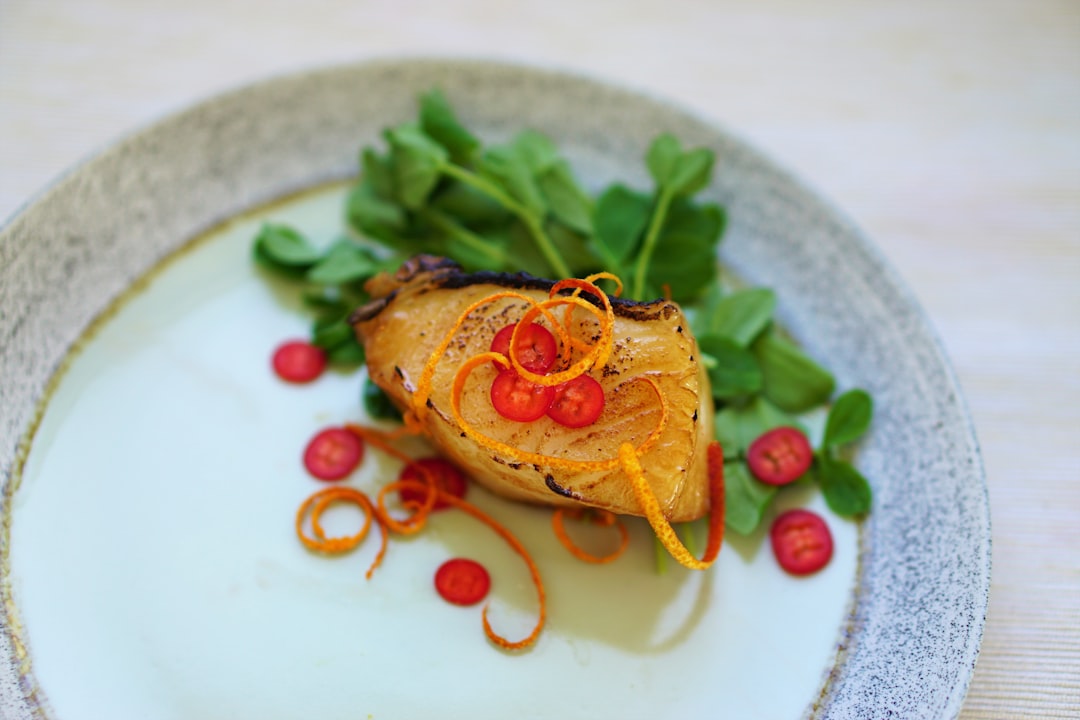
There is a reason Nobu Matsuhisa’s miso-marinated black cod became one of the most famous restaurant dishes of the past three decades. The combination of sweet white miso paste with the impossibly rich, buttery flesh of black cod creates something that transcends the sum of its parts. The fish practically dissolves on your tongue, and the glaze, caramelized under a blazing broiler, adds layers of sweet, salty, and umami complexity. The remarkable thing is how simple it is to replicate at home.
This miso glazed black cod recipe strips the dish down to its essentials. The marinade takes five minutes to prepare. The fish can marinate for as little as 30 minutes or as long as two days (the longer, the more deeply the flavors penetrate). The actual cooking time under the broiler is barely 10 minutes. What you get is a dish that looks and tastes like it belongs in a fine-dining restaurant, produced with minimal effort. If you enjoy cooking fish at home, our lemon herb grilled salmon uses a different but equally reliable technique for perfectly cooked seafood.
Why This Recipe Works
Black cod’s extraordinary fat content prevents drying out. Black cod, also called sablefish, contains roughly 15 grams of fat per 100 grams of flesh, making it one of the fattiest fish in the ocean, comparable to salmon belly. This high fat content serves as built-in insurance against overcooking. Even under the intense direct heat of a broiler, the fish remains moist and silky because the intramuscular fat bastes the flesh from within. According to Serious Eats, this natural richness is why black cod is the ideal canvas for bold, sweet glazes: the fish can stand up to intense flavors without being overwhelmed.
White miso provides sweetness and umami without harshness. Miso pastes range from white (shiro) to red (aka), with white being the mildest and sweetest. White miso is fermented for a shorter period, typically 1 to 3 months, which preserves the natural sweetness of the soybeans and rice koji. It contributes a deep umami backbone without the sharp, funky intensity of darker misos. For this delicate, rich fish, white miso is essential. The combination of glutamate from the miso and inosinic acid naturally present in the fish creates a synergistic umami effect that is far greater than either ingredient alone.
Sugar in the marinade drives caramelization under the broiler. The sugar and the natural sugars in mirin undergo rapid caramelization under the broiler’s intense radiant heat. This is the key to achieving the characteristic dark, lacquered crust that defines this dish. Without sugar, the miso would simply dry out and become pasty. The sugar also helps the marinade adhere to the fish surface, creating an even coating that caramelizes uniformly rather than in patches.
Sake tenderizes and removes fishy notes. Sake serves a dual purpose. Its alcohol content helps denature surface proteins on the fish, creating a slightly firmer exterior that contrasts beautifully with the silky interior. The alcohol also volatilizes during cooking, carrying with it trimethylamine, the compound responsible for fishy odors. This is a fundamental technique in Japanese cuisine known as sake-buri, and it is the reason properly prepared Japanese fish dishes never taste or smell “fishy.”
Broiling mimics the intense heat of a professional charcoal grill. The original Nobu preparation uses a Japanese charcoal grill (robatayaki), which produces extremely high radiant heat from above. A home broiler is the closest equivalent. Positioning the fish 6 inches from the heating element ensures the glaze caramelizes and bubbles without burning, while the fish below cooks through gently. The radiant heat from above, combined with the reflected heat from the foil-lined baking sheet below, creates an even, efficient cooking environment.
Recipe Card
| Prep Time | 10 minutes (plus 30 min to 48 hours marinating) |
| Cook Time | 10-12 minutes |
| Total Time | 25 minutes (active) |
| Servings | 4 servings |
| Difficulty | Easy |
| Cuisine | Japanese |
Ingredients
For the Miso Marinade
- 1/3 cup (80g) white (shiro) miso paste
- 3 tablespoons (45ml) mirin (sweet rice wine)
- 2 tablespoons (30ml) sake
- 2 tablespoons (25g) granulated sugar
- 1 tablespoon (15ml) soy sauce
- 1 teaspoon freshly grated ginger (from about a 1-inch piece)
- 1 teaspoon (5ml) toasted sesame oil
For the Fish
- 4 black cod (sablefish) fillets, 6 ounces (170g) each, skin on, about 1 inch thick
- Neutral oil for the baking sheet (such as canola or vegetable oil)
For Serving
- 2 scallions, thinly sliced on the bias
- 1 tablespoon toasted white sesame seeds
- Pickled ginger (gari) for serving
- Steamed Japanese short-grain rice
Step-by-Step Instructions
- Make the marinade. In a medium bowl, whisk together the white miso paste, mirin, sake, sugar, soy sauce, grated ginger, and sesame oil until the mixture is completely smooth and the sugar has dissolved. The consistency should be like a thick, spreadable paste. Taste it: it should be noticeably sweet, salty, and deeply savory. Reserve 2 tablespoons of the marinade in a small separate bowl; this will be used as a finishing glaze after cooking.
- Marinate the fish. Pat the black cod fillets thoroughly dry with paper towels on all sides. Moisture on the surface will prevent the marinade from adhering and will cause the fish to steam rather than caramelize under the broiler. Place the fillets in a shallow dish or a resealable plastic bag. Coat all sides generously with the miso marinade. Cover the dish with plastic wrap or seal the bag, removing excess air. Refrigerate for a minimum of 30 minutes and up to 48 hours. The longer marinating time produces a more intensely flavored fish with deeper miso penetration. If you are short on time, even 30 minutes makes a significant difference.
- Prepare for broiling. Position an oven rack approximately 6 inches from the broiler element. Preheat the broiler to high for at least 5 minutes; the element needs to be fully heated for proper caramelization. Line a rimmed baking sheet with aluminum foil and brush lightly with neutral oil. Remove the cod from the marinade, letting the excess drip off for a few seconds. You want a coating on the fish, not thick clumps of marinade, which would burn before the fish cooks through.
- Broil the cod. Place the fillets skin side down on the prepared baking sheet, spacing them at least 2 inches apart to allow heat circulation. Broil for 8 to 10 minutes, watching carefully. The surface should become deeply caramelized, with dark amber patches where the sugars have bubbled and browned. The fish is done when it flakes easily when gently pressed with a fork and the thickest part is opaque. If the glaze is browning too quickly before the fish is cooked through, move the baking sheet to a lower rack position. Black cod is forgiving and remains moist even if slightly overcooked, but the ideal internal temperature is 130 to 135 degrees F for a custardy, silky texture.
- Finish and serve. Remove the baking sheet from the oven. Brush the reserved 2 tablespoons of fresh marinade over the hot fillets. This adds a fresh layer of miso flavor that has not been cooked, providing a contrast between the caramelized exterior and the bright, raw miso finish. Sprinkle with sliced scallions and toasted sesame seeds. Serve immediately on warmed plates alongside steamed rice and pickled ginger. The contrast between the rich, unctuous fish and the sharp, refreshing ginger is essential. For an Asian-inspired dinner spread, pair this with our authentic pad Thai or Korean bibimbap.
Substitution Guide
| Original Ingredient | Substitution | Notes |
|---|---|---|
| Black cod (sablefish) | Salmon, Chilean sea bass, or halibut | Salmon is the most accessible substitute with similar fat content. Chilean sea bass is closest in texture. Halibut is leaner; reduce broiling time by 2 minutes to avoid drying. |
| White (shiro) miso | Yellow miso or sweet white miso | Yellow miso is slightly saltier and more complex. Do not use red miso; it is too intense and will overpower the fish. If using yellow, reduce soy sauce to 1 teaspoon. |
| Mirin | 1 tablespoon rice vinegar plus 2 tablespoons sugar dissolved in 2 tablespoons water | This approximates mirin’s sweet-tangy character. Alternatively, use dry sherry with a teaspoon of sugar. Avoid “mirin-style” seasoning, which contains corn syrup. |
| Sake | Dry white wine or dry vermouth | Both provide the acidity and alcohol for tenderizing and deodorizing. Dry vermouth is actually an excellent substitute for sake in most recipes due to its similarly clean, neutral profile. |
| Granulated sugar | Brown sugar or honey | Brown sugar adds molasses depth. Honey caramelizes faster; watch carefully under the broiler. Both work well with the miso’s sweetness. |
| Fresh ginger | 1/2 teaspoon ground ginger or 1 tablespoon ginger paste | Fresh ginger is strongly preferred for its bright, sharp flavor. Ground ginger has a different, more muted profile. Ginger paste (from a tube) is a reasonable convenience substitute. |
Storage and Reheating Instructions
Refrigerator: Store leftover miso-glazed cod in an airtight container for up to 2 days. The fish is best consumed within 24 hours, as the delicate texture changes with prolonged refrigeration. The glaze may absorb into the fish over time, which actually deepens the flavor.
Freezer: Freezing cooked miso cod is not recommended, as the high fat content of black cod can develop off-flavors. However, you can freeze the uncooked fish in its marinade for up to 1 month. Thaw overnight in the refrigerator and broil directly from the marinated state.
Reheating: Gently reheat in a 275-degree F oven for 6 to 8 minutes. The goal is to warm the fish without cooking it further. Black cod goes from perfectly silky to dry quickly when overheated. Alternatively, let it come to room temperature and serve at that temperature; this dish is surprisingly good slightly cool, similar to how Japanese bento boxes serve grilled fish.
Nutrition Facts (Per Serving, 1 Fillet with Glaze)
| Nutrient | Amount | % Daily Value |
|---|---|---|
| Calories | 420 kcal | 21% |
| Total Fat | 22g | 28% |
| Saturated Fat | 4g | 20% |
| Cholesterol | 75mg | 25% |
| Sodium | 680mg | 30% |
| Total Carbohydrates | 24g | 9% |
| Dietary Fiber | 1g | 4% |
| Sugars | 18g | — |
| Protein | 30g | 60% |
Nutrition values are estimates based on USDA FoodData Central data for sablefish (black cod) and white miso paste. Actual values may vary depending on the size of the fillets, the specific brand of miso, and how much marinade adheres to the fish.
Understanding Black Cod and Sourcing Tips
What exactly is black cod? Despite its name, black cod is not actually a member of the cod family. Its proper name is sablefish (Anoplopoma fimbria), and it is native to the deep waters of the North Pacific, from Alaska to California. The fish earned the nickname “butterfish” in Japanese markets due to its incredibly rich, silky texture. It is prized in Japanese cuisine where it is called “gindara” (silver cod). The flesh is pearly white, with large, buttery flakes that dissolve on the tongue when properly cooked.
Where to find it. Black cod can be found at well-stocked fishmongers, Japanese grocery stores, and online seafood retailers. It is more expensive than common whitefish varieties (typically $25 to $35 per pound), but a 6-ounce fillet is a generous, satisfying portion. Look for wild-caught Alaskan sablefish, which is considered the highest quality and is sustainably managed. The Monterey Bay Aquarium’s Seafood Watch program rates Alaska sablefish as a “Best Choice” for sustainability.
The Nobu connection. Chef Nobu Matsuhisa created his now-legendary black cod with miso in the late 1980s. The story goes that he was experimenting with traditional Japanese dengaku (miso-glazed) preparation and discovered that marinating black cod for two to three days in white miso with mirin and sake produced an extraordinarily deep, complex flavor. The dish became so famous that it appeared on the menu of every Nobu restaurant worldwide and spawned countless imitations. According to Bon Appetit, it remains one of the most requested restaurant recipes in history. This home version captures the essential character of the original with a simplified approach that requires no professional equipment.
Frequently Asked Questions
How long should I marinate the black cod?
The minimum effective marinating time is 30 minutes, which produces a noticeable miso flavor on the surface. For a deeper, more restaurant-quality result, marinate for 24 to 48 hours. The miso, sugar, and salt slowly penetrate the fish, seasoning it throughout and creating a more complex flavor profile. Beyond 48 hours, the salt in the miso can begin to cure the fish, changing its texture from silky to firmer. If you forget about it and marinate for 3 days, it will still be delicious, just slightly different in texture.
Can I use a different type of fish?
Yes, though the results will vary. Salmon is the most popular substitute: its high fat content mimics black cod’s richness, and the miso glaze pairs beautifully with its flavor. Use skin-on fillets about 1 inch thick and reduce the broiling time by 1 to 2 minutes, as salmon is denser. Chilean sea bass has a similar silky texture but is more expensive and raises sustainability concerns. Cod (actual Atlantic or Pacific cod), halibut, and mahi-mahi all work but are leaner; they require shorter cooking times and more careful attention to avoid drying out.
Why does my miso glaze burn instead of caramelize?
This usually happens when the fish is too close to the broiler element or the marinade coating is too thick. Keep the fish at least 6 inches from the element. When removing the fish from the marinade, let the excess drip off for a few seconds; you want a thin, even coating, not globs of paste. If your broiler runs exceptionally hot, you can start the fish in a 400-degree F oven for 8 minutes, then switch to the broiler for the final 2 to 3 minutes to caramelize the surface. This two-step approach gives you more control.
Is it safe to use the marinade that was in contact with raw fish?
You should not brush raw-fish marinade onto the cooked fish. That is why this recipe instructs you to reserve 2 tablespoons of fresh, unused marinade before adding the fish. This reserved portion is safe to brush onto the cooked fish as a finishing glaze. If you forgot to reserve some, you can bring the used marinade to a rolling boil for at least 1 minute to kill any bacteria before using it as a sauce, but the fresh reserved approach is cleaner and simpler.
What should I serve with miso glazed black cod?
Steamed Japanese short-grain rice is the classic and ideal accompaniment, as the sticky rice soaks up the rich glaze. Pickled ginger (gari) provides a sharp, refreshing contrast. For vegetables, lightly blanched broccolini, steamed bok choy, or a simple cucumber sunomono (vinegar salad) all complement the rich fish without competing. If you want a more substantial meal, serve the cod over a bowl of soba noodles in dashi broth. Keep sides clean and simple; the fish is the star.
Disclaimer
Nutritional information is provided as a general estimate and should not be considered a substitute for professional dietary advice. Values are calculated using USDA FoodData Central data and may vary depending on specific brands, ingredient sizes, and preparation methods. This recipe contains fish, soy, and wheat (in some miso and soy sauce brands). If you have food allergies or dietary restrictions, consult a healthcare professional before preparing this recipe. This article contains links to external websites for informational purposes; cookingzone.org is not responsible for the content of external sites.