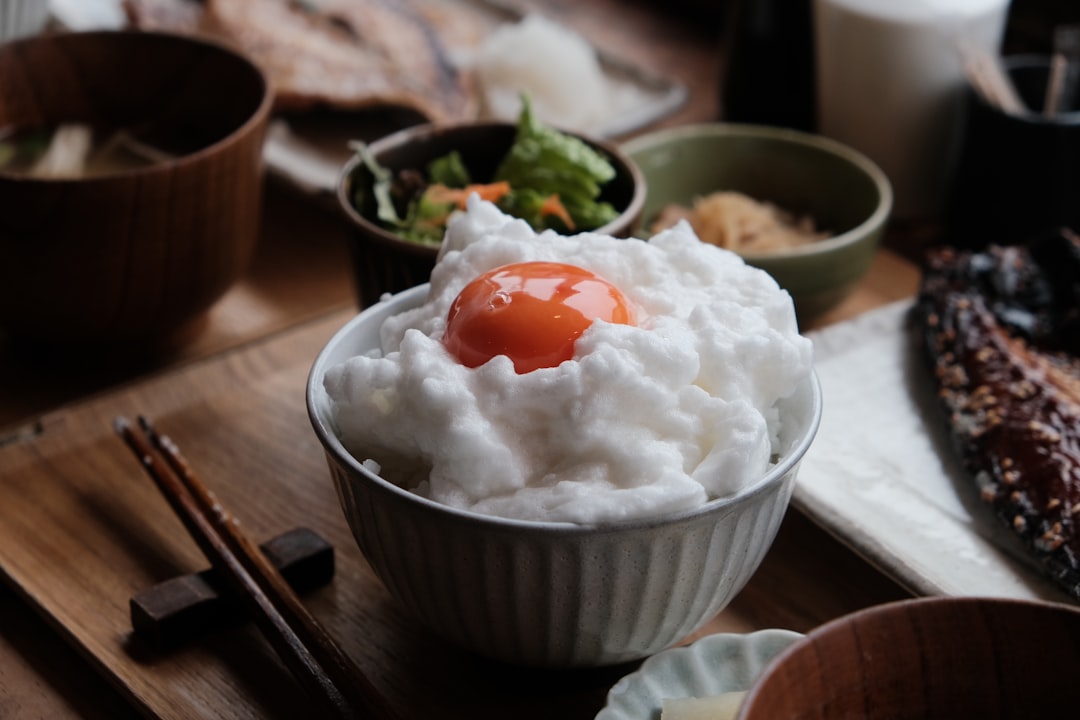
The beauty of bibimbap is contained in its name: mixed rice. That is it. A bowl of warm rice, an arrangement of seasoned vegetables, a protein, a fried egg, and a generous spoonful of gochujang that you stir through the entire thing until every grain is coated in spicy, savory, sesame-scented sauce. It is the most elegant solution to the eternal question of what to do with leftover vegetables that any cuisine has ever produced.
I first ate proper bibimbap at a small restaurant in Jeonju, a city in South Koreas Jeolla province that is considered the birthplace of the dish. The bowl arrived in a searing-hot stone pot (dolsot), the rice crackling against the sides, each vegetable topping (namul) prepared individually with its own specific seasoning. What struck me was the precision: nothing was randomly thrown together. Every component was considered. This home version captures that philosophy with components you can prepare in stages, using one wok or skillet and a single cutting board.
The Architecture of a Great Bibimbap
A traditional bibimbap has five categories of topping, loosely corresponding to the five colors of Korean cuisine (obangsaek): white (rice, bean sprouts), green (spinach, zucchini), red (gochujang, carrots), yellow (egg), and black (mushrooms, seaweed). You do not need to follow this literally, but understanding the principle helps you build a bowl with visual and textural balance. Each topping is seasoned separately because they serve different roles in the final mix. The Serious Eats bibimbap guide covers the cultural significance of this approach in depth.
Korean Bibimbap Rice Bowl
Prep Time: 30 minutes
Cook Time: 20 minutes
Total Time: 50 minutes
Servings: 4
Difficulty: Medium
Cuisine: Korean
Ingredients
Rice
- 2 cups short-grain white rice, cooked and warm
- 1 tablespoon sesame oil (for dolsot-style crispy rice, optional)
Beef Bulgogi
- 8 oz (225g) beef sirloin or rib eye, thinly sliced
- 2 tablespoons soy sauce
- 1 tablespoon sesame oil
- 1 tablespoon sugar
- 2 cloves garlic, minced
- 1 teaspoon freshly ground black pepper
Vegetable Toppings (Namul)
- 4 oz (115g) fresh spinach
- 1 medium carrot, julienned
- 1 medium zucchini, julienned
- 4 oz (115g) bean sprouts
- 4 oz (115g) shiitake mushrooms, sliced
- 1/2 cup kimchi, chopped (store-bought or homemade)
- 4 tablespoons sesame oil, divided (for cooking namul)
- 2 teaspoons toasted sesame seeds
- Salt to taste
Toppings
- 4 eggs (one per bowl)
- 4 tablespoons gochujang (Korean red pepper paste)
- 1 tablespoon rice vinegar
- 1 teaspoon sugar
- 1 tablespoon toasted sesame seeds
- 1 sheet roasted seaweed (gim), cut into strips
Instructions
- Marinate the beef. Combine the sliced beef with soy sauce, sesame oil, sugar, garlic, and black pepper in a bowl. Toss to coat and let marinate for at least 15 minutes while you prepare the vegetables. The sugar helps caramelize the meat when seared.
- Prepare the spinach namul. Blanch the spinach in boiling water for 30 seconds, then immediately transfer to ice water. Squeeze out all excess moisture (this is critical wet spinach dilutes the bowl). Toss with 1 teaspoon sesame oil, a pinch of salt, and a pinch of minced garlic.
- Prepare the remaining namul. Working one vegetable at a time in a skillet with 1 teaspoon sesame oil each: sauté the julienned carrot for 2 minutes until just tender; sauté the zucchini for 2 minutes with a pinch of salt; sauté the bean sprouts for 1.5 minutes until barely wilted; sauté the mushrooms for 3 minutes until golden. Season each with a small pinch of salt and keep them in separate piles. The individual preparation is the difference between authentic bibimbap and a generic stir-fry.
- Cook the beef. Heat 1 tablespoon sesame oil in the same skillet over high heat. Spread the marinated beef in a single layer and let it sear undisturbed for 90 seconds. Flip and cook another 60 seconds until caramelized but still juicy. Set aside.
- Fry the eggs. In a lightly oiled non-stick pan over medium heat, fry the eggs sunny-side up until the whites are set but the yolks remain runny, about 3 minutes. The runny yolk acts as a second sauce when mixed into the rice.
- Make the bibimbap sauce. In a small bowl, stir together gochujang, rice vinegar, and sugar until smooth. This is the unifying sauce that brings the entire bowl together. Adjust gochujang quantity to your heat preference.
- Assemble. Divide warm rice among 4 bowls. Arrange each vegetable topping, the kimchi, and the beef in neat sections on top of the rice (do not mix yet presentation is part of the experience). Place a fried egg in the center. Drizzle with the bibimbap sauce and sprinkle with sesame seeds and seaweed strips.
- Mix and eat. At the table, each person uses a spoon to break the egg yolk and thoroughly mix everything together. The magic of bibimbap happens in this moment the sauces coat the rice, the textures merge, and every bite is different depending on which toppings you catch.
Understanding Gochujang
Gochujang is a fermented red pepper paste that provides heat, sweetness, and deep umami in a single ingredient. It is not a hot sauce it has a complex, almost fruity depth that comes from months of fermentation. The heat level is moderate, roughly equivalent to a jalapeño. If you cannot find it at a regular grocery store, any Asian market will carry it, or order online. Once opened, it keeps for over a year in the refrigerator. There is no real substitute; sriracha mixed with miso is the closest approximation, but it lacks the fermented sweetness. The Bon Appétit gochujang guide explores the different grades and brands worth seeking out.
Dolsot (Hot Stone Bowl) Method
If you own a Korean stone bowl (dolsot), brush it with sesame oil, add the rice, and heat it directly on the stove over medium flame for 5 minutes before adding toppings. The rice forms a golden, crispy crust on the bottom called nurungji. This crust is considered the best part of the dish by many Koreans. When you stir the bibimbap, the crunchy rice bits mix in and add a toasty, nutty contrast to the soft toppings.
Vegetable Substitution Guide
| Traditional | Substitute | Prep Note |
|---|---|---|
| Spinach | Swiss chard or watercress | Blanch and squeeze dry the same way |
| Zucchini | Cucumber (raw, salted, drained) | Adds a cool, crisp element |
| Shiitake mushrooms | King oyster or cremini | Slice thicker; cook 1 min longer |
| Bean sprouts | Radish sprouts or shredded cabbage | Sauté briefly or serve raw |
| Beef bulgogi | Tofu, chicken, or fried tempeh | Marinate the same; adjust cook time |
Storage and Reheating
Bibimbap is best assembled fresh, but the components store well individually. Cooked namul vegetables keep in the refrigerator for 34 days in separate containers. The marinated beef (cooked) keeps for 3 days. Rice keeps for 2 days refrigerated or 1 month frozen. To reheat, warm each component separately and assemble fresh bowls. The gochujang sauce keeps indefinitely in the refrigerator. Do not assemble full bowls for storage the moisture from the vegetables softens the rice and the egg becomes rubbery.
For more Asian recipes from our kitchen, try the Thai basil chicken pad kra pao or explore our full healthy recipes section for balanced meal ideas.
Nutrition Facts (Per Bowl)
| Calories | 450 kcal |
| Protein | 24g |
| Carbohydrates | 52g |
| Fat | 16g |
| Fiber | 5g |
| Sodium | 680mg |
The Art of Banchan: Korean Side Dishes
To understand bibimbap, you first need to understand banchan. In Korean dining culture, the main dish is never served alone. It arrives surrounded by an array of small side dishes called banchan, each one prepared with its own seasoning and technique, each one served in its own small dish. A modest Korean meal might include three to five banchan; a celebratory spread might feature a dozen or more.
Bibimbap is, in a real sense, banchan in a bowl. Each vegetable topping (namul) is a banchan that has been arranged over rice instead of served on a separate plate. The individually seasoned spinach, the julienned carrots, the sauteed mushrooms, the bean sprouts: in a traditional Korean table setting, each of these would appear in its own small dish alongside a main course of grilled meat or stew. Bibimbap simply consolidates them into a single beautiful composition.
Some of the most common banchan that appear in or alongside bibimbap include:
Sigeumchi namul (spinach) is blanched, squeezed dry, and dressed with sesame oil, garlic, and salt. The technique of squeezing moisture out of blanched spinach is essential. Wet spinach dilutes the gochujang sauce and makes the rice soggy. Properly prepared spinach namul should feel almost dry to the touch before it goes into the bowl.
Kongnamul (soybean sprout namul) is a distinct preparation from the mung bean sprouts used in many bibimbap recipes. Soybean sprouts have a larger, yellow head and a nuttier flavor. They are typically blanched and dressed with sesame oil, scallion, and a small amount of garlic. In many Korean households, kongnamul is the most frequently served banchan of all.
Mu saengchae (pickled radish) provides a bright, vinegary crunch that cuts through the richness of the egg yolk and sesame oil. Korean radish (mu) is sliced into thin matchsticks and dressed with gochugaru (red pepper flakes), rice vinegar, sugar, and salt. The result is a lightly spicy, lightly sweet, thoroughly refreshing side that contrasts with every other element in the bowl.
Kimchi is perhaps the most famous banchan worldwide. While it appears in the bibimbap recipe above as a topping, it is worth noting that well-aged kimchi (two weeks or older) works far better than fresh kimchi in this application. The deeper fermentation produces more lactic acid and more complex umami flavors that stand up to the bold gochujang sauce. Fresh kimchi tastes too raw and vegetal in comparison.
The Korean concept of balance applies to banchan arrangement: you want a mix of flavors (salty, sweet, sour, spicy, savory), textures (crunchy, soft, chewy), and temperatures (warm namul, cool pickles, room-temperature kimchi). Bibimbap inherits this philosophy. When you stir the bowl and take a bite, you should experience multiple textures and flavor notes simultaneously.
Dolsot Bibimbap: The Hot Stone Bowl Version
If regular bibimbap is the everyday version, dolsot bibimbap is the special occasion version, and the difference is the rice. Dolsot translates literally to “stone pot,” and the dish is served in a thick, volcanic stone bowl that has been heated until screaming hot. The rice is pressed against the scorching walls of the bowl, where it forms a golden, crackling crust called nurungji.
Nurungji is not just a textural bonus. It is considered by many Koreans to be the single best part of the dish. The crust is crunchy, toasty, and faintly nutty, with a flavor similar to toasted rice tea (sungnyung). When you stir the bibimbap and the crust breaks away from the bowl in shards, those crispy rice pieces mix with the soft toppings and the gochujang sauce, creating a contrast of textures that elevates the entire eating experience.
To achieve dolsot-style bibimbap at home without a stone bowl, use a well-seasoned cast iron skillet. Heat the skillet over medium flame for 3 to 4 minutes until very hot. Brush the interior generously with sesame oil, then press cooked rice firmly into the bottom and up the sides about half an inch. Let the rice cook undisturbed for 5 to 7 minutes. You will hear it crackling. Do not stir or disturb it during this time. Then arrange your toppings over the rice, add the egg, and bring the entire skillet to the table.
The timing is important. The rice continues to crisp as long as the skillet holds heat, which means the crust develops even while you are eating. By the time you reach the bottom of the bowl, the nurungji is at its most golden and crunchy. Some diners pour a small amount of hot water or barley tea over the remaining crust, scrape it loose, and drink the resulting toasted rice broth as a digestif. This practice is traditional and surprisingly satisfying.
A few practical notes: the stone bowl or cast iron skillet will be extremely hot at the table. Always use a trivet or thick wooden board underneath. Warn guests not to touch the rim. The sizzling sound when the egg hits the hot surface is dramatic and is part of the appeal. If the rice begins to smoke rather than sizzle, your heat was too high; reduce it next time.
Korean Pantry Essentials
Korean cooking relies on a core set of fermented and seasoned ingredients that appear across dozens of recipes. Building a small Korean pantry makes bibimbap and many other dishes accessible on any weeknight. Here are the essentials:
Gochujang (fermented red pepper paste) is the cornerstone of Korean flavor. It is made from red chili powder, glutinous rice, fermented soybean powder, and salt, aged in earthenware pots traditionally for months or years. The result is a thick, sticky paste that delivers heat, sweetness, and deep umami in a single spoonful. Once opened, gochujang keeps in the refrigerator for well over a year. Look for it in the international aisle of most large supermarkets or at any Asian grocery store.
Gochugaru (Korean red pepper flakes) is different from standard red pepper flakes. It is made from sun-dried Korean chili peppers that are deseeded and coarsely ground to a texture between flakes and powder. The flavor is fruity, mildly sweet, and moderately hot, very different from the sharp, one-dimensional heat of Italian crushed red pepper. Gochugaru is essential for making kimchi, seasoning namul, and adding color and gentle heat to any Korean dish. Store it in the freezer for maximum freshness.
Sesame oil (chamgireum) is used as a finishing oil in Korean cooking, almost never as a cooking fat. It is added at the end of preparation to impart a rich, nutty aroma. Toasted sesame oil is what you want for Korean dishes; raw or light sesame oil lacks the depth. A small drizzle over each namul before serving makes an immediate, noticeable difference in aroma and flavor.
Doenjang (fermented soybean paste) is Korea’s answer to Japanese miso, though the fermentation process and flavor profile are distinct. Doenjang is earthier, funkier, and more aggressively savory than most miso. It appears in soups (doenjang jjigae), dipping sauces, and marinades. While not used directly in bibimbap, it is invaluable for the broader Korean recipes you will want to explore once your pantry is stocked.
Rice vinegar provides clean, mild acidity to sauces and pickles. Korean cooks use it in the bibimbap sauce (mixed with gochujang and sugar), in pickled radish, and as a dressing base for cold noodle dishes. It is gentler than white distilled vinegar and less sweet than seasoned rice vinegar (which contains added sugar). Buy unseasoned rice vinegar for the most versatile option.
These five ingredients, combined with soy sauce, garlic, scallions, and sesame seeds (which you likely already own), form the foundation of virtually every Korean recipe you will encounter. The total investment is modest, the shelf life is long, and the range of dishes they unlock is enormous.
Frequently Asked Questions
Can I make bibimbap vegetarian or vegan?
Absolutely. Skip the beef and egg; add extra mushrooms and tofu for protein. For a vegan version, ensure your gochujang does not contain shrimp paste (some brands do) and use a plant-based fried egg or simply omit it. The namul vegetables and sauce carry the dish perfectly on their own.
What type of rice should I use for bibimbap?
Short-grain white rice is traditional and provides the sticky, slightly chewy texture that holds sauces well. Medium-grain rice works as a substitute. Long-grain rice like jasmine or basmati does not have enough starch to cling to the sauce properly. For a healthier option, short-grain brown rice works but changes the texture significantly.
How spicy is gochujang?
Gochujang is moderately spicy, roughly a 4 out of 10. It has more sweetness and umami than pure heat. Start with 1 tablespoon per bowl and increase to taste. For children or those sensitive to spice, use 1 teaspoon mixed with 1 teaspoon of soy sauce and a drop of honey to approximate the flavor without the heat.
Do I have to prepare each vegetable separately?
Strictly speaking, yes, if you want authentic bibimbap. Each namul has a distinct flavor that gets lost when everything is cooked together. That said, if you are short on time, you can group vegetables with similar cook times (carrot and zucchini together; spinach and sprouts together). The taste will be slightly less nuanced, but the bowl will still be delicious.
Final Thoughts
The bibimbap recipe is proof that a great dish does not need complex technique it needs thoughtful composition. Each element is simple on its own: blanched spinach, sautéed mushrooms, marinated beef, fried egg. But arranged in a bowl, dressed with gochujang, and mixed together with a spoon, they become something far greater than the sum of their parts. Build the components on a quiet Sunday, and you will have weeknight dinners sorted for days.
Disclaimer: This article is for informational purposes only. Nutritional values are estimates and may vary based on specific brands and portions. Contains soy, sesame, eggs, and wheat (in soy sauce). Individuals with food allergies should review ingredient labels. This content does not constitute medical or dietary advice.