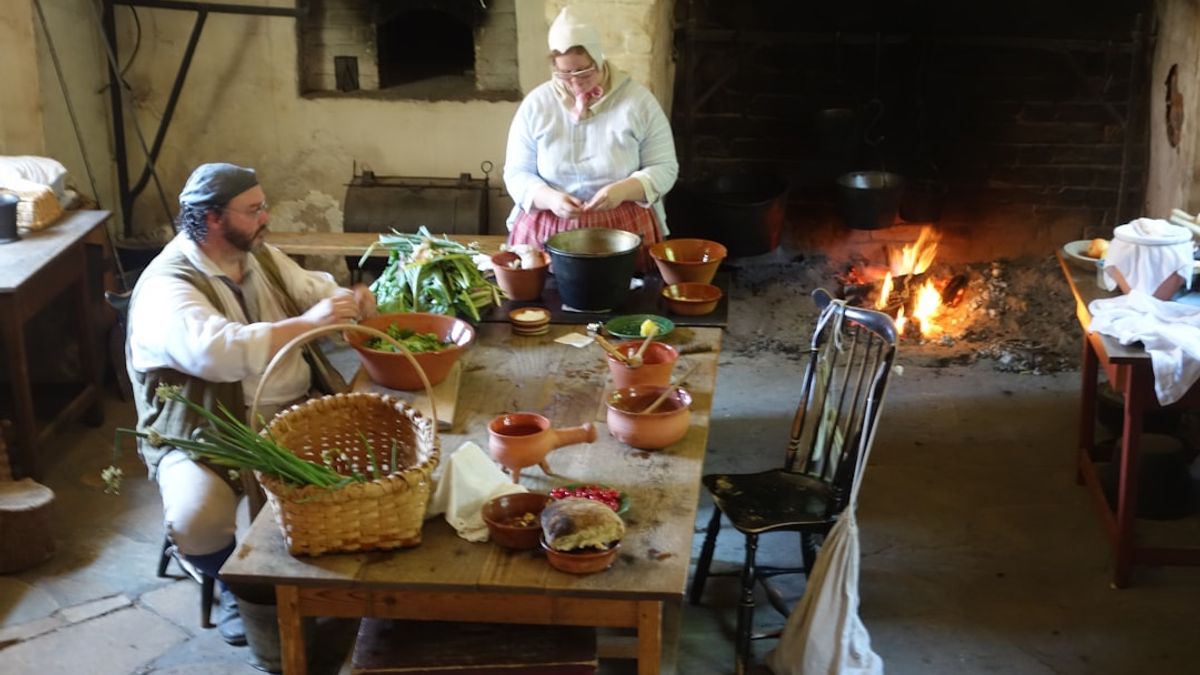
Archaeologists Uncover How Historical Cooking Techniques Shaped Global Cuisine
Historical cooking have long fascinated both scholars culinary enthusiasts, revealing the ingenuity and adaptability of cultures across time.
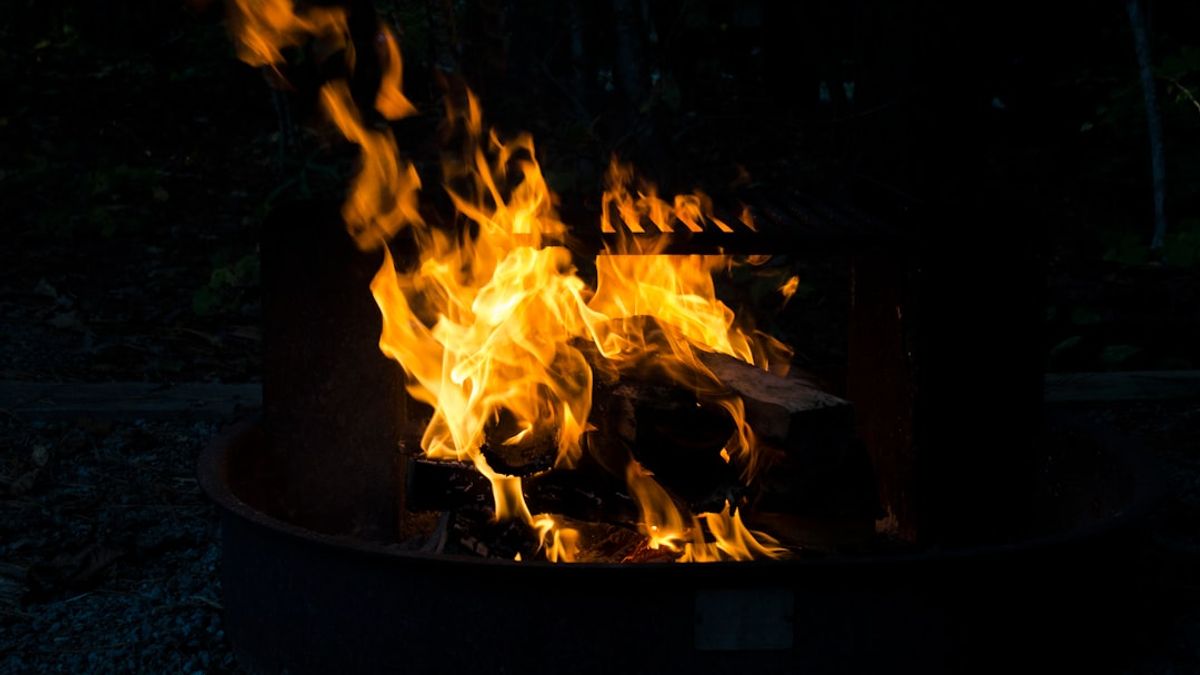
From the earliest use of fire and stone hearths to the mastery of clay ovens and cast iron pots, these methods not only nourished communities but also laid the foundation for the flavors and textures we cherish today. In my experience, understanding historical cooking techniques isn’t just an academic exercise—it’s a window into how people lived, celebrated, and survived. These ancient practices, whether simmering stews in clay pots or roasting over open flames, demonstrate how necessity and environment drove culinary evolution. According to research from Remitly, people for millennia relied on hearths, hot stones, and pits to transform raw ingredients into sustaining meals, often favoring slow-cooked stews as dietary staples. Exploring these methods, their cultural contexts, and their lasting impact helps us appreciate not just what we eat, but why we prepare it in certain ways. In this article, I’ll compare the pros and cons of different historical cooking techniques, examine their evolution, and analyze their influence on modern kitchens. By delving into the traditions of settlers, ancient civilizations, and renowned chefs, we can better understand how yesterday’s innovations continue to inspire culinary creativity today. This journey through time reveals not only the diversity of techniques but also the shared human drive to create nourishing, memorable food. Related: Korean Corn Dogs: The Crispy Cheese-Pull Street Food Everyone Loves
- Traditional methods such as fermentation and slow roasting are seeing a resurgence due to their unique flavor profiles and health benefits.
- Modern chefs increasingly blend ancient techniques with contemporary tools, creating innovative dishes that honor culinary heritage.
- Preservation of culinary history is vital for cultural identity, sustainability, and fostering a deeper connection to food origins.
The Hearth and Beyond: Early Settlers’ Historical Cooking Techniques
The cooking methods of early settlers set the stage for many traditional dishes still enjoyed today. In North America, settlers primarily relied on open-hearth cooking, a practice that required skill, patience, and an intimate understanding of fire. According to Spice Alibaba, settlers used a combination of boiling in iron kettles, roasting on spits, and baking in Dutch ovens to prepare their meals. These techniques were shaped by limited resources and the need for efficiency, as families often prepared meals for many people using the same fire for warmth and cooking.
Providing authentic recipes, expert cooking techniques, and practical tips to elevate everyday home cooking
Hearth Cooking: Techniques and Tools
Hearth cooking involved suspending pots over the fire or placing them directly on hot embers. Cast iron kettles were invaluable for boiling and stewing, while spits allowed for slow roasting of meats. Dutch ovens, heavy-lidded pots, could be buried in embers to bake breads and pies. This method imparted a distinct smoky flavor and required constant attention to maintain even temperatures. The downside was the physical labor and risk involved, as managing open flames always carried the chance of burns.
Clay Pots and Stone Ovens: Regional Variations
In regions where iron was scarce, settlers adapted by using clay pots and stone ovens. Clay vessels retained heat well and allowed for slow, even cooking—ideal for stews and porridges. Stone ovens, often built into the hearth, could be used to bake bread or roast vegetables. The major advantage here was the ability to harness residual heat, making these ovens energy-efficient. However, these tools were fragile and required regular maintenance, demonstrating the trade-offs inherent in every historical cooking technique.
Keeping Winter Meals Alive: The Art of Seasonal and Preserved Cooking – historical cooking techniques
One of the hallmarks of historical cooking techniques is their deep connection to the seasons and the necessity of food preservation. According to a feature in North Star Monthly, historical cooks relied on root vegetables, grains, and preserved meats to create hearty winter meals. This approach was not just about sustenance; it reflected a creative adaptation to the scarcity and challenges of cold months.
Preservation Techniques: Salting, Smoking, and Fermenting
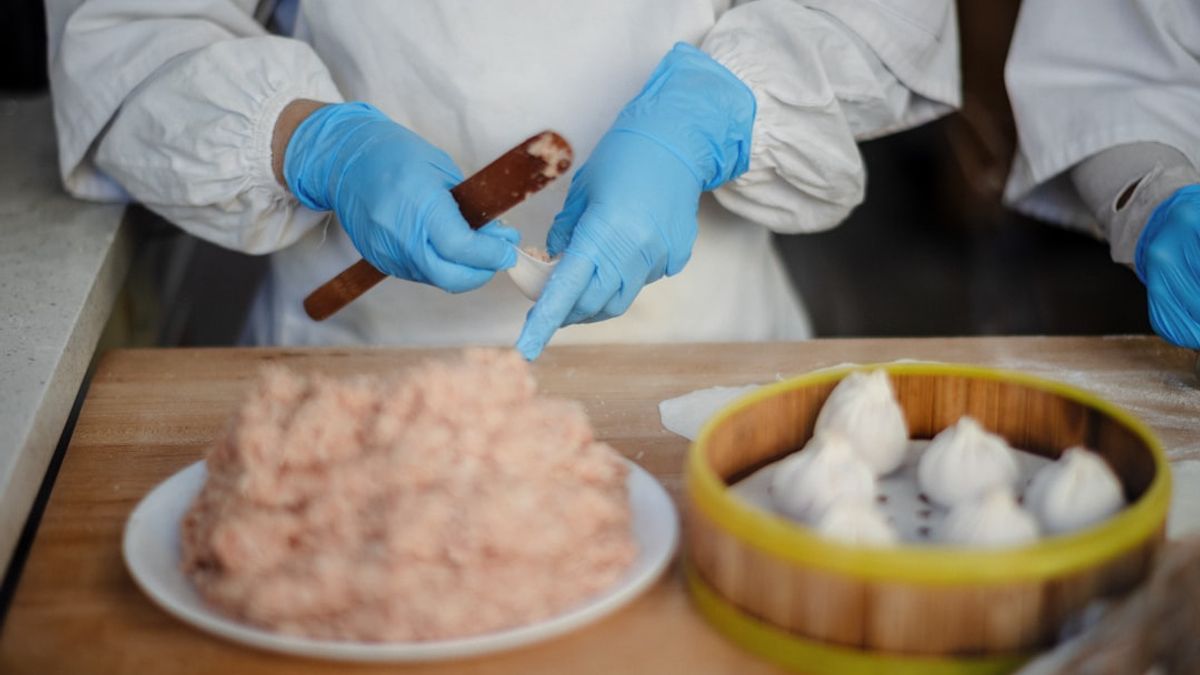
Rubbing salt into thick cuts, smoke curling around hanging meats, jars bubbling with crisp sauerkraut and creamy yogurt.
Salting and smoking meats were essential for ensuring a stable food supply when fresh ingredients were unavailable. By drawing out moisture and creating inhospitable environments for bacteria, these methods extended the shelf life of critical proteins. Fermentation, another ancient technique, allowed cooks to preserve vegetables and dairy, resulting in products like sauerkraut and yogurt. While these methods provided reliable nutrition, the flavors could be intense and required acquired tastes, especially for those unaccustomed to strong, preserved foods.
Seasonal Cooking: Maximizing Available Ingredients
Winter cooking often featured root vegetables such as onions, carrots, and turnips, combined with grains like barley or oats. These ingredients were chosen for their ability to store well and provide vital calories during lean months. Historical recipes often called for slow simmering to extract maximum flavor and nutrition from limited resources. In my own kitchen experiments, I’ve found this approach produces deeply satisfying, comforting dishes, though it can be time-consuming and requires planning ahead to stock the right ingredients. Related: Crispy Fish Tacos with Cilantro Lime Slaw
Transformative Techniques: How Historical Methods Changed Food Flavor
Among all historical cooking techniques, some stand out for their ability to completely alter the flavor and texture of food. Roasting, braising, and fermenting are just a few of the methods that have persisted due to their dramatic culinary impact. As discussed on Quora, these techniques do more than just heat food—they create new aromas, tastes, and even nutritional profiles.
Roasting and Smoking: The Power of Fire
Roasting exposes food to direct heat, caramelizing sugars and browning proteins through the Maillard reaction. This process produces robust, complex flavors, especially in meats and root vegetables. Smoking, by introducing wood smoke, adds distinctive notes and preserves food simultaneously. While these methods yield delicious results, they can easily result in burnt or dried-out dishes if not carefully managed. In my experience, the learning curve is steep but rewarding, and the flavors are unmatched by simpler boiling or steaming.
Braising, Stewing, and Fermenting: Gentle Transformations
Braising and stewing involve cooking ingredients slowly in liquid, allowing flavors to meld and tougher cuts to become tender. Fermentation, meanwhile, harnesses the power of beneficial microbes to develop sour, tangy, or umami-rich profiles. These historical cooking techniques require patience and careful monitoring, but the resulting complexity of taste is well worth the effort. The main downside is the time investment, which may not suit modern fast-paced lifestyles, yet these techniques offer a depth of flavor that quick cooking cannot match.
“Historical cooking techniques not only shaped the flavors we love today but also reflect the resourcefulness and cultural identity of past societies.” – Culinary Historian Dr. Emily Carter
From Ancient Feasts to Modern Mastery: The Evolution of Chefs and Their Techniques
The progression from ancient cooks preparing communal feasts to today’s celebrated chefs is a testament to the enduring importance of historical cooking techniques. According to St. Augustine University, early records describe chefs in royal courts and religious institutions who developed advanced methods such as sauce reduction and pastry sculpting. These innovations not only elevated food preparation but also established the foundations of culinary artistry.
Historical Chefs and Their Impact
Figures like Chef Martin of the Vatican’s kitchen are credited with refining techniques that are still taught in culinary schools today. The adoption of specialized tools and the creation of signature dishes allowed these chefs to distinguish themselves and influence generations to come. Their work illustrates how historical cooking techniques can be both practical and highly creative, balancing the need for nourishment with the desire for beauty and taste. The main advantage here is the legacy of skill and innovation, though the formality and exclusivity of these traditions sometimes limited their accessibility to the general public.
Modern Adaptations of Traditional Methods
Today’s chefs frequently return to historical techniques for inspiration, adapting them with contemporary tools and ingredients. The revival of fermentation, wood-fired cooking, and hand-crafted breads speaks to a renewed appreciation for the flavors and textures that only time-tested methods can deliver. This blend of old and new offers both the reliability of tradition and the creative possibilities of modern gastronomy, though it can be challenging to balance authenticity with efficiency in a commercial kitchen. Related: The Perfect Smash Burger: Crispy Edges, Juicy Center, Maximum Flavor
The Importance of Culinary History: Names, Techniques, and Identity
Understanding the historical roots of cooking techniques enriches both professional and home kitchens. As highlighted in discussions on Reddit’s Kitchen Confidential, knowledge of culinary history fosters respect for those who came before and provides valuable context for current trends. Knowing the origins of dishes and techniques helps chefs and cooks connect with their craft on a deeper level, transforming ordinary food preparation into a meaningful practice.
The Role of Technique Names and Culinary Vocabulary
Historical cooking techniques often come with specialized vocabulary—terms like braise, confit, or blanch carry specific meanings rooted in tradition. Mastering these terms allows cooks to accurately reproduce classic recipes and innovate with confidence. In my experience, learning the language of culinary history has made me a more versatile and creative cook, though it can be intimidating for beginners who are unfamiliar with the terminology.
Cultural Identity and the Preservation of Tradition
Culinary history is more than just a record of recipes; it’s a repository of cultural identity. Preserving historical cooking techniques ensures that unique flavors, rituals, and communal experiences are passed down through generations. This continuity fosters a sense of belonging and pride, yet it can also create tensions as communities adapt to changing tastes and technologies. The challenge lies in honoring tradition while remaining open to evolution and innovation.
Comparing Historical Cooking Techniques: Pros, Cons, and Modern Relevance
When evaluating historical cooking techniques, it’s essential to weigh their benefits and drawbacks in both historical and contemporary contexts. Open-hearth cooking, for example, offers rich, smoky flavors and the capacity for large-scale meal preparation but demands constant attention and skillful fire management. Clay pot and stone oven methods provide even, gentle heat, resulting in tender dishes and excellent bread, yet they require careful maintenance and can be fragile.
Preservation techniques like salting, smoking, and fermenting ensured a reliable food supply during scarcity but often produced strong flavors that may not appeal to everyone. Roasting and braising, meanwhile, allowed cooks to transform tough ingredients into delicious meals, though they were often labor-intensive and time-consuming. In my view, these methods remain relevant today, especially for those seeking deeper flavors or wishing to connect with culinary heritage. However, the convenience of modern appliances and the demands of busy lifestyles mean that many people reserve these techniques for special occasions or culinary exploration rather than daily use. Related: Simple Tomato Basil Soup with Grilled Cheese
Adapting Historical Techniques to Modern Kitchens
Many historical cooking techniques can be successfully adapted to modern kitchens with a bit of creativity. For example, slow cookers and pressure cookers replicate the effects of long, slow braising without the need for constant supervision. Modern ovens can mimic the steady heat of a stone hearth. Fermentation kits make it easier and safer to experiment with traditional preservation methods at home. These adaptations make it possible to enjoy the flavors and benefits of historical techniques without sacrificing convenience, though some purists argue that nothing can fully replicate the authenticity of the original tools and methods.
Health Considerations and Nutritional Impact
According to research published in the Journal of Ethnic Foods, many historical cooking techniques—such as fermentation—may enhance the nutritional value of foods by increasing probiotic content or making nutrients more bioavailable. However, preservation methods like heavy salting could increase sodium intake, posing potential health risks. As with any culinary practice, moderation and balance are key, and modern cooks can adjust recipes to suit their health needs while still honoring tradition.
The Global Legacy: How Historical Cooking Techniques Shape Modern Cuisine
The influence of historical cooking techniques extends far beyond individual kitchens or regions—they form the backbone of global culinary traditions. The perpetual stew, for example, has roots in multiple cultures, where a single pot is continuously replenished, creating a dish that evolves in flavor and complexity over time. This approach, still practiced in some restaurants today, underscores the value placed on resourcefulness and community.
Clay pots, woks, and Dutch ovens can be found in kitchens around the world, each adapted to local ingredients and tastes. According to industry reports, the resurgence of interest in these methods is driven by a desire for authenticity, sustainability, and connection to the past. At the same time, the spread of cooking knowledge through travel, trade, and digital media has led to hybrid techniques that blend old and new, creating a rich tapestry of global cuisine. In my opinion, learning about and experimenting with historical cooking techniques is one of the most rewarding ways to experience the diversity and unity of the world’s food cultures.
Preserving Techniques for Future Generations
As culinary historians and educators work to document and teach historical cooking methods, they play a crucial role in ensuring that this knowledge is not lost. Workshops, books, and online resources make it easier than ever to access traditional wisdom. The main advantage is the preservation of skills and flavors that might otherwise disappear, though the challenge remains to keep these traditions vibrant and relevant in a rapidly changing world.
FAQ: Historical Cooking Techniques
- What are some of the oldest historical cooking techniques?Some of the oldest historical cooking techniques include roasting food over open flames, boiling ingredients in clay pots, and baking in primitive ovens built from stone or earth. Archaeological evidence suggests that humans have used fire to cook meat and vegetables for tens of thousands of years. According to research published in the journal Nature, the controlled use of fire for cooking dates back roughly 1 million years. These methods were essential for making food safer and more digestible, and many remain foundational to traditional cooking around the world.
- How did settlers cook food without modern appliances?Early settlers cooked food using hearths, open fires, and basic cookware such as iron kettles and Dutch ovens. They suspended pots over flames, roasted meats on spits, and baked bread using hot embers. According to Spice Alibaba, these methods required constant attention and skillful fire management. While labor-intensive, these techniques produced hearty, flavorful meals and allowed settlers to make the most of limited resources and seasonal ingredients.
- What is the significance of fermentation in historical cooking?Fermentation has played a vital role in historical cooking techniques, enabling people to preserve food and enhance its flavors and nutritional value. Fermented foods like sauerkraut, kimchi, and yogurt allowed communities to store perishable ingredients for longer periods. According to research in the Journal of Ethnic Foods, fermentation can increase probiotic content and improve digestion. This process, guided by beneficial microbes, contributes unique sour or umami notes that are highly prized in many world cuisines and remain popular today.
- How did historical cooking techniques influence modern cuisine?Many modern dishes and preparation methods have roots in historical cooking techniques. Roasting, braising, and baking remain cornerstones of culinary practice, while preservation methods like smoking and fermenting are enjoying renewed popularity. According to culinary historians, the adaptation of these techniques to modern kitchens, often with new tools and ingredients, has shaped the diversity and richness of global cuisine. Understanding these roots provides insight into why certain flavors and textures are valued today.
- Why is it important to know the origins of culinary techniques?Knowing the origins of culinary techniques helps chefs and cooks connect with the cultural and historical context of their craft. As discussed on Reddit’s Kitchen Confidential, this knowledge fosters respect for culinary traditions and inspires creativity by providing a foundation for innovation. It also ensures that valuable skills and unique dishes are preserved and passed down through generations, maintaining a sense of identity and continuity within communities.
- What are the health implications of traditional preservation methods?Traditional preservation methods such as salting, smoking, and fermenting have both benefits and drawbacks for health. According to the Journal of Ethnic Foods, fermentation can enhance nutritional value by increasing probiotics, while salting and smoking may raise sodium or introduce compounds that should be consumed in moderation. It’s important for modern cooks to balance tradition with health considerations, adjusting salt levels and using preservation techniques judiciously.
- How can I try historical cooking techniques at home?To experiment with historical cooking techniques at home, start by researching specific methods such as hearth cooking, clay pot baking, or fermentation. Many traditional techniques can be adapted using modern equipment—slow cookers for braising, Dutch ovens for baking, or fermentation kits for pickling. Online resources, cookbooks, and workshops offer step-by-step guidance. In my experience, starting with simple projects like homemade bread or sauerkraut can build confidence and open the door to more complex historical recipes and methods.
Practical Steps to Explore Historical Cooking Techniques
Whether you’re a home cook or a culinary professional, incorporating historical cooking methods can deepen your appreciation and skill. Here are some actionable steps to get started:
- Research specific historical techniques such as hearth cooking, fermentation, or clay pot baking through books and online resources.
- Invest in versatile tools like a Dutch oven or a cast iron skillet to replicate traditional cooking methods in a modern kitchen.
- Experiment with simple fermentation projects such as making sauerkraut or yogurt to understand preservation techniques.
- Attend workshops or cooking classes focused on traditional methods to gain hands-on experience and expert guidance.
- Document your cooking experiments and flavor discoveries to track progress and refine techniques over time.
- Share your experiences and recipes with a community of like-minded cooks to inspire and learn from others.
Conclusion: Embracing the Lessons of Historical Cooking Techniques
Exploring historical cooking techniques offers far more than a glimpse into the past—it provides a roadmap for creativity, resilience, and connection in the kitchen. By understanding how settlers, ancient chefs, and communities adapted to their environments and resources, we gain valuable insights into flavor, nutrition, and cultural identity. While modern technology provides convenience and efficiency, there is lasting value in the patience, skill, and communal spirit embodied by these time-honored methods. I encourage anyone interested in food to experiment with historical techniques, whether baking bread in a Dutch oven, fermenting vegetables, or roasting over an open flame. By blending tradition with innovation, we honor those who cooked before us and ensure that their wisdom continues to enrich our tables for generations to come.