The coconut kitchri recipe has become popular among home cooks seeking both comfort and nourishment in a single dish.
Combining creamy coconut milk, lentils, and rice, this coconut kitchri recipe offers a unique twist on the traditional Indian kitchari. For those unfamiliar, kitchri (also spelled kitchari or khichdi) is a classic blend of rice and lentils, simmered until soft and often seasoned with warming spices. Incorporating coconut creates a rich, aromatic version that stands out for its flavor and health appeal. In this guide, you’ll find the origins, step-by-step preparation, and tips for perfecting your own coconut kitchri recipe, drawing from trusted culinary traditions and home cooking experience. Valerie Bertinelli Home Cooking – Returns
The coconut kitchri recipe is appreciated for its warming, creamy texture and the way it nourishes both body and soul—especially during cooler months or times when comfort food is in high demand.
The addition of coconut not only brings a subtle sweetness and luxurious mouthfeel, but it also offers potential health benefits. While kitchri has long been valued in Ayurveda for its gentle cleansing properties, coconut milk introduces healthy fats and a tropical flair that many find appealing.
“The creamy coconut kitchri has become a staple in many kitchens, praised for its comforting texture and nourishing qualities that appeal to a wide range of dietary preferences.” – Culinary Enthusiasts
Whether you’re looking for a cozy weeknight meal, an introduction to Ayurveda rice recipes, or a plant-based dish that satisfies all appetites, coconut kitchri deserves a place in your repertoire. Throughout this article, you’ll discover how to make this dish from scratch, learn about its roots in Indian cuisine, and explore creative adaptations like adding jammy eggs, tomatoes, or seasonal vegetables. You’ll also find answers to common questions and expert tips to ensure your coconut kitchri is always creamy, balanced, and delicious. Ready to get started? Let’s dive into the world of coconut kitchri and find out why it’s winning hearts—and appetites—across kitchens worldwide.
Understanding the Roots: The Story Behind This Coconut-Infused Kitchri – coconut kitchri recipe
To truly appreciate the coconut kitchri recipe, it’s essential to understand its origins. Kitchri, also known as kitchari or khichdi, has a long history in Indian cuisine as a humble, healing meal. Traditionally, it combines rice and lentils, simmered with spices such as cumin, turmeric, and mustard seeds. This dish is a staple in many Indian households and holds a revered place in Ayurvedic dietary practices, where it’s considered both nourishing and easy on the digestive system.
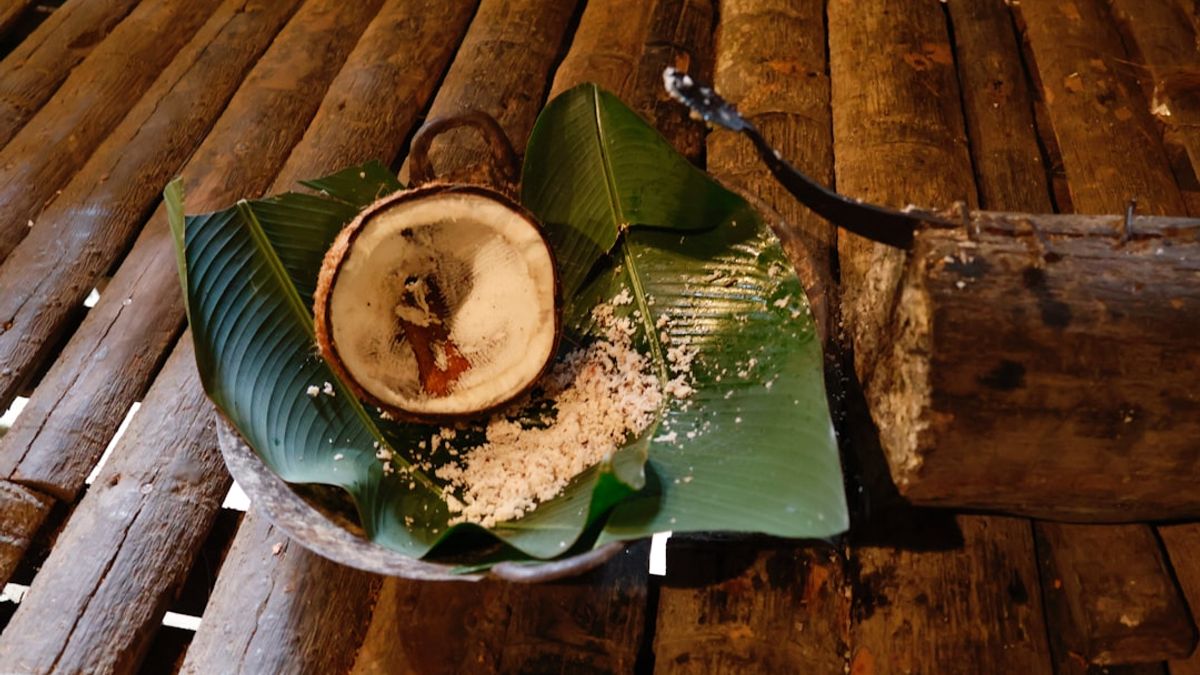
Coconut became part of this classic dish through regional variations. In South India and coastal areas, coconut milk and grated coconut are common additions to countless recipes. By blending coconut into kitchri, cooks create a rich, fragrant version that’s both soothing and satisfying. This variation is especially popular during seasonal transitions, when the body craves grounding, nourishing foods. Cookbook Club Ideas To Spark Fresh Culinary Adventures
The Ayurvedic Perspective on Kitchri and Coconut
From an Ayurvedic standpoint, kitchri is more than just a meal—it’s considered a balancing food that supports digestion and overall well-being. The classic mung beans Ayurveda recipe is often recommended during cleanses or periods of healing. Coconut, known for its cooling and grounding qualities, further enhances these benefits, making the coconut kitchri recipe ideal for calming Pitta and Vata doshas. This combination is not just wholesome but also deeply comforting, offering a gentle reset for both palate and body.
Regional Influences Across India
While the base of kitchri remains consistent—rice and lentils—regional influences add unique twists. In the south, coconut and curry leaves are embraced. In Gujarat, a touch of sweetness and peanuts may appear. Bengal might add vegetables and mustard oil. The coconut kitchri recipe draws inspiration from these coastal and southern traditions, layering in coconut milk or freshly grated coconut for a creamy, aromatic finish. This adaptability ensures that each cook can tailor the dish to their tastes, dietary needs, or what’s available in their pantry.
Step-by-Step Guide to Preparing the Classic Coconut Kitchri – coconut kitchri recipe
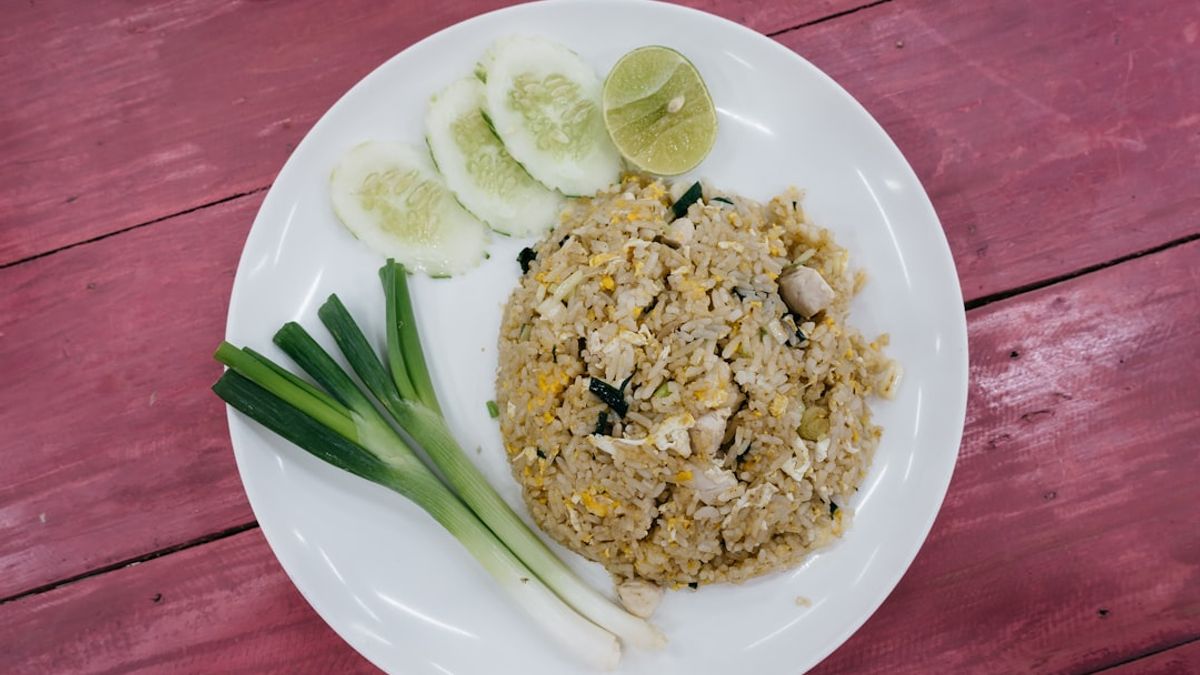
Making coconut kitchri at home is approachable, even for beginners. The dish requires basic pantry staples and can be on the table in under an hour. The foundation is rice and split mung beans (or moong dal), but you can experiment with other lentils if you prefer. Adding coconut milk transforms the texture, while spices and aromatics build flavor. Here’s a straightforward method to make a coconut kitchri recipe that echoes traditional versions.
- Ingredients:
- 1/2 cup basmati rice (rinsed)
- 1/2 cup split mung beans (moong dal, rinsed and soaked 30 min)
- 1 tbsp coconut oil or ghee
- 1 tsp cumin seeds
- 1/2 tsp mustard seeds
- 1 onion, finely chopped
- 2 cloves garlic, minced
- 1-inch ginger, grated
- 1/2 tsp turmeric powder
- 1/2 tsp ground coriander
- 1 can (13.5 oz) coconut milk
- 2-3 cups water (adjust for desired consistency)
- Salt to taste
- 1 cup mixed vegetables (optional: carrots, peas, spinach, sweet potato)
- Fresh cilantro and lime wedges for serving
Cooking Instructions for Perfect Coconut Kitchri
1. Prep your ingredients: Rinse the rice and mung beans separately. Soak the beans for at least 30 minutes to ensure a creamy texture.
2. Build your flavor base: Heat coconut oil or ghee in a large pot over medium heat. Add cumin and mustard seeds. When they begin to pop, add the chopped onion, garlic, and ginger. Sauté for 3-4 minutes, until softened.
3. Spice it up: Add turmeric and coriander, stirring for 1 minute until fragrant.
4. Add rice, beans, coconut milk, and water: Pour in the rinsed rice and drained mung beans, followed by coconut milk and 2 cups of water. Stir well. Bring to a gentle boil.
5. Simmer and add vegetables: Reduce heat to low, cover, and simmer for 25-30 minutes. Add vegetables halfway through if using. Stir occasionally and add more water if needed to reach your preferred porridge-like consistency.
6. Season and serve: Taste and adjust salt. Serve hot with fresh cilantro, a squeeze of lime, or a spoonful of coconut chutney on the side.
Tips for Personalizing Your Coconut Kitchri
– For extra protein, top with jammy eggs as suggested by popular home cooks.
– Add tomatoes or seasonal greens for a fall kitchari recipe twist.
– Use brown rice for a heartier texture, or try pre-cooked kitchari mixes for a shortcut.
– Swap in other lentils (like red lentils) if mung beans aren’t available.
– For a Kapha-balancing version, reduce the coconut milk and add more warming spices. Explore 2026 Food Trends Elevating Your Culinary Skills
Creative Twists: From Jammy Eggs to Flavorful Chutneys
Once you’ve mastered the classic coconut kitchri recipe, it’s easy to branch out with creative variations. Some cooks top their bowls with soft-boiled eggs for added richness and protein. Others pair the creamy porridge with a spicy, tangy coconut chutney for contrast.
Seasonal vegetables, such as sweet potato, kale, or tomatoes, add color and nutrition—making the dish suitable for year-round enjoyment. During the fall, a tomato kitchari recipe with coconut is especially comforting. If you’re following Ayurveda, you can adjust the spices and proportions to suit your dosha. For example, a Kapha kitchari recipe might incorporate more pungent or bitter vegetables and less coconut milk, while a Vata-friendly version focuses on creaminess and warmth.
Jammy Eggs: Protein-Packed Addition
Adding jammy eggs to your coconut kitchri recipe is not only delicious but also adds extra nutrition. Simply soft-boil eggs for 6-7 minutes, peel, and halve them before placing on top of each serving. The runny yolk melds with the creamy kitchri, creating a luscious bite that’s both filling and visually appealing. This twist is especially popular among those seeking a complete, balanced meal in one bowl.
Coconut Chutney and Other Flavorful Sides
For those who crave a little kick, coconut chutney is the perfect accompaniment. Made with fresh or desiccated coconut, green chilies, ginger, and tempered spices, it brings brightness and depth to the mild, comforting kitchri. You can also serve kitchri with pickled vegetables, yogurt, or a simple salad for added texture and color. These sides not only enhance the meal but allow you to personalize each bowl to your liking.
Health and Nutrition: Why Coconut Kitchri Is a Wholesome Choice
Coconut kitchri is often celebrated for its nourishing, easy-to-digest qualities—and with good reason. The combination of rice and lentils provides complete protein, while coconut milk adds healthy fats and essential nutrients. This makes the dish especially suitable for plant-based diets, those recovering from illness, or anyone seeking gentle, restorative meals. Historical Cooking Techniques Unlock Timeless Flavors Today
Coconut’s medium-chain triglycerides may support energy and digestion, though more research is needed to confirm these effects. The inclusion of turmeric, ginger, and garlic—classic kitchri spices—adds anti-inflammatory and immune-supportive properties, according to scientific studies. For more information on the health benefits of turmeric, visit the National Center for Biotechnology Information.
It’s worth noting that while kitchri is often recommended in Ayurveda for gentle detoxification, clinical research on such effects remains limited. The primary benefits come from the dish’s simplicity, digestibility, and balance of macronutrients. If you’re seeking a meal that’s filling but light, easy to prepare, and endlessly adaptable, coconut kitchri is a strong choice.
Ayurvedic Cleansing and Contemporary Trends
In Ayurveda, kitchri is the go-to meal during “cleanse” periods because it’s believed to reset the digestive fire (agni) and provide complete nutrition with minimal effort. The coconut kitchri recipe is especially favored during seasonal transitions, when the body needs warmth, hydration, and grounding. Modern cooks appreciate the dish for its minimal prep, gentle flavor, and ability to please everyone—from kids to adults to those following special diets like gluten-free or vegan. For more on Ayurvedic diets, check out the Ayurveda.com guide.
Comparing Coconut Kitchri to Other Kitchari Variants
While the classic version is always popular, many cooks experiment with fall kitchari recipes (adding pumpkin or squash), tomato kitchari recipes (for tang and vibrancy), and even pre-made kitchari recipe kits for convenience. Each variation has its own merits, but the coconut kitchri stands out for its creamy texture and subtle sweetness, making it a perennial favorite. For convenient options, explore brands like Sattviko that offer kitchari kits.
| Component | Coconut Kitchri | Traditional Kitchari |
|---|---|---|
| Calories (per serving) | Moderate calorie range with healthy fats from coconut milk | Moderate calorie range with fats mainly from ghee |
| Protein (g) | Good source of plant-based protein | Good source of plant-based protein |
| Fat (g) | Higher fat content from coconut milk | Lower fat content, mainly from ghee |
| Carbohydrates (g) | Moderate carbohydrate content | Moderate carbohydrate content |
| Fiber (g) | Good fiber content | Good fiber content |
| Key Vitamins & Minerals | Vitamin C, Magnesium, Potassium | Iron, Folate, Potassium |
Serving, Storing, and Adapting: Practical Tips for Coconut Kitchri Success
Once your coconut kitchri is ready, serving and storing it properly will ensure the best flavor and texture. This dish is incredibly forgiving—perfect for batch cooking, meal prep, or freezing for later. Here are some tips for enjoying coconut kitchri at its best.
- Serving Suggestions:
- Serve hot, topped with fresh cilantro, lime wedges, or a dollop of coconut chutney.
- Add protein with jammy eggs or a scoop of yogurt on the side.
- Pair with a simple salad or sautéed greens for a balanced plate.
- Storing Leftovers:
- Let kitchri cool to room temperature before transferring to an airtight container.
- Refrigerate for a few days. The texture may thicken, so add a splash of water or coconut milk when reheating.
- Freeze in individual portions for longer storage. Thaw overnight in the fridge and reheat gently on the stove.
- Adapting for Dietary Needs:
- For a gluten-free meal, ensure all ingredients are certified gluten-free.
- To make it vegan, use coconut oil instead of ghee and skip any dairy-based toppings.
- For higher protein, add tofu, chickpeas, or eggs.
- Those seeking a lighter meal can use light coconut milk or increase the proportion of vegetables.
Batch Cooking and Meal Prep Ideas
Coconut kitchri is ideal for meal prep. Make a double batch and portion it out for lunches or quick dinners. The flavors often deepen after a day in the fridge, making leftovers even more delicious. If you’re short on time, pre-made kitchari recipe kits can be a helpful shortcut—just add coconut milk, your favorite veggies, and spices to make it your own.
Creative Ways to Reimagine Leftovers
Leftover coconut kitchri can be transformed into patties or fritters—simply mix with a bit of flour, form into cakes, and pan-fry until golden. Alternatively, thin it with broth to make a nourishing soup, or stuff into bell peppers for a hearty baked dinner. The possibilities are endless, so don’t be afraid to get creative!
FAQ: Coconut Kitchri Recipe—Your Top Questions Answered
What is coconut kitchri, and how is it different from traditional kitchari?
Coconut kitchri is a variation of the classic Indian dish kitchari (or khichdi), which typically consists of rice and lentils cooked together with spices. The key difference is the addition of coconut milk or grated coconut, which imparts a creamy texture and subtle sweetness. This adaptation is influenced by South Indian and coastal cuisines, where coconut is a common ingredient. The result is a richer, more aromatic porridge that’s both comforting and filling, making it especially popular in modern kitchens.
Is coconut kitchri suitable for an Ayurvedic cleanse?
Yes, coconut kitchri can be included in an Ayurvedic cleanse, particularly for individuals with Vata or Pitta constitutions. Kitchri is a staple cleansing food because it’s easy to digest and supports gut health. Adding coconut milk may enhance its grounding and cooling qualities. However, those with Kapha imbalance may want to limit coconut due to its richness, instead favoring lighter versions with more spices and less fat.
Can I use other types of rice or lentils in this recipe?
Absolutely. While basmati rice and split mung beans (moong dal) are traditional, you can substitute with brown rice, red lentils, or even quinoa for a different texture and nutritional profile. Brown rice will require a longer cooking time and more liquid, while red lentils cook faster and yield a softer consistency. The beauty of the coconut kitchri recipe is its adaptability, making it easy to use what you have on hand or cater to dietary preferences.
How can I add more protein to coconut kitchri?
To boost protein, consider topping your coconut kitchri with jammy eggs or stir in tofu, cooked chickpeas, or paneer. You can also increase the proportion of lentils or add a scoop of yogurt on the side. These additions not only enhance the nutritional value but also create a more satisfying, well-rounded meal suitable for vegetarians and omnivores alike.
What are some creative ways to serve coconut kitchri?
You can serve coconut kitchri with a variety of toppings and sides, such as fresh cilantro, lime wedges, coconut chutney, pickled vegetables, or a simple salad. For added protein, try jammy eggs or a scoop of yogurt. Leftovers can be transformed into patties, fritters, or thinned into a soup for a new meal experience.
How should I store and reheat leftover coconut kitchri?
Allow coconut kitchri to cool to room temperature before storing it in an airtight container in the refrigerator for up to three days. When reheating, add a splash of water or coconut milk to restore its creamy consistency. For longer storage, freeze in individual portions and thaw overnight in the fridge before reheating gently on the stove.
Is coconut kitchri suitable for vegan and gluten-free diets?
Yes, coconut kitchri is naturally gluten-free and can easily be made vegan by using coconut oil instead of ghee and omitting any dairy-based toppings. Always check that all packaged ingredients are certified gluten-free if you have sensitivities.
Conclusion: Why the Coconut Kitchri Recipe Belongs in Every Kitchen
The coconut kitchri recipe stands out as a testament to the enduring appeal and adaptability of Indian comfort food. By merging the classic flavors of rice and lentils with the creamy richness of coconut, this dish offers the best of tradition and innovation. Whether you’re seeking a warming meal for cool evenings, a gentle dish for Ayurvedic cleansing, or a versatile recipe that welcomes endless customization, coconut kitchri is a reliable choice.
The beauty of coconut kitchri lies in its flexibility. Each time it is made, a handful of pantry staples can transform into something deeply satisfying—especially when tailored with seasonal vegetables, creative toppings, or even a jammy egg or two. Its positive reception among home cooks and wellness enthusiasts demonstrates its universal appeal.
If you haven’t yet tried this nourishing, flavorful dish, consider gathering your ingredients and giving coconut kitchri a spot in your meal rotation. Experiment with different variations, share it with friends or family, and enjoy the comforting embrace of a recipe that’s as good for the soul as it is for the body. For more inspiration, explore related Indian rice recipes, try a fall kitchari recipe with pumpkin or tomato, or check out convenient kitchari kits for a quick twist. No matter how you serve it, coconut kitchri is sure to become a staple in your kitchen—and a favorite at your table. Coconut Kitchri Recipe

A delicious bowl of coconut kitchri recipe, showcasing its creamy texture and vibrant colors.