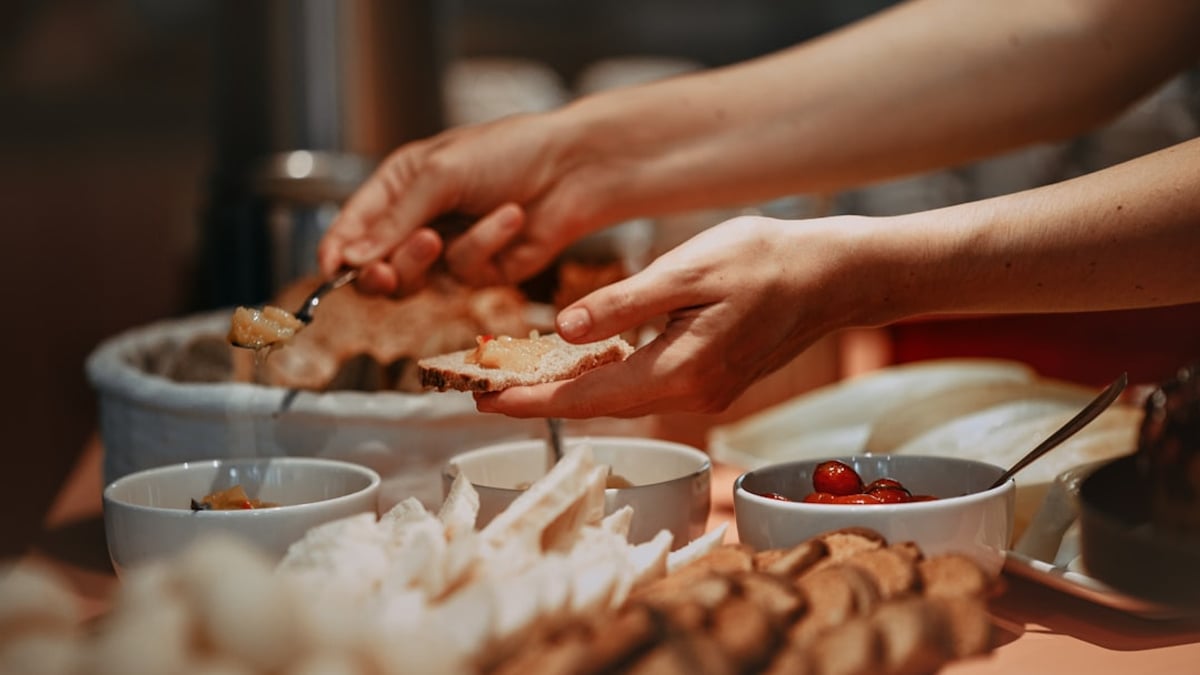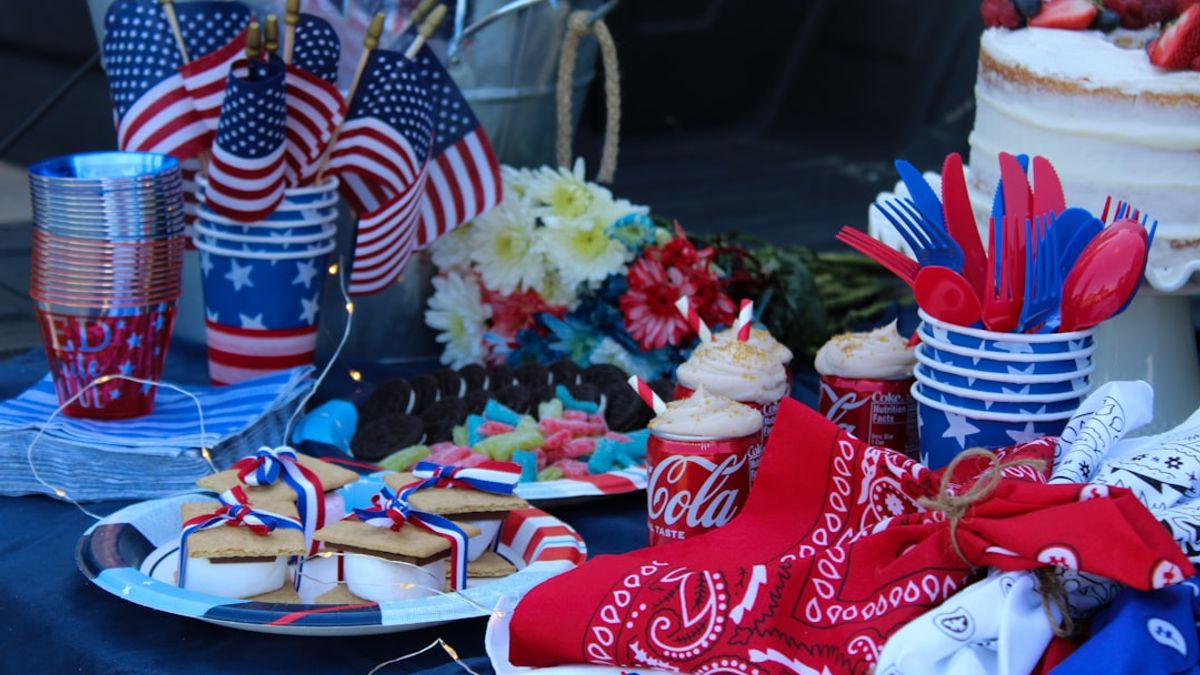
The countdown to the United States’ 250th birthday is quietly reshaping what appears on American tables. From Cracker Barrel’s comfort classics to church-run food deliveries and “America’s Potluck” block parties, America 250 food initiatives are turning a historic milestone into a nationwide conversation about who is fed, who cooks, and which stories are told through recipes. Related research such as the State of Home Cooking: Fast, Healthy Weeknight Wins report shows how home kitchens are already shifting in ways that intersect with these commemorative trends.
Unlike a typical holiday, the America 250 food movement stretches across years, cities, and institutions. National partners, local chambers of commerce, farmers, and faith communities are all experimenting with menus that honor 1776 while reflecting the diversity of today’s kitchens. The result is a patchwork of events: a heritage-inspired menu in Philadelphia, a barbecue-heavy block party in Utah, and agricultural showcases tied to the USDA’s Freedom 250 program.
Looking at these efforts together reveals more than patriotic bunting and red‑white‑and‑blue cupcakes. The initiatives highlighted by America250.org, the Huntington Township Chamber of Commerce, the U.S. Department of Agriculture, The Church of Jesus Christ of Latter-day Saints, and national media such as USA TODAY’s USA250 guide show how food is being used to bridge history, tourism, agriculture, and service. This feature traces those threads: the corporate partnerships, the 1776-inspired recipes, the Freedom 250 vs America 250 distinction, and the way cities like Philadelphia and New York are planning to feed millions of visitors—literally and culturally—during the semiquincentennial.
Cracker Barrel, Comfort Food, and the Corporate Turn Toward America 250
On a winter morning in Tennessee, executives at Cracker Barrel Old Country Store announced a partnership that signaled how mainstream the semiquincentennial had become. In a news release on America250.org, the restaurant chain confirmed it would join the America250 effort “to celebrate 250 years of the traditions, stories and comfort food that bring Americans together.” For a brand built on road‑trip nostalgia—rocking chairs, cast‑iron skillets, and all‑day breakfasts—the alignment was obvious.
Yet the move also underscored a deeper trend. Corporate partners are not just slapping a logo on July 4 promotions; they are being invited to help shape the narrative of what American food means at 250 years. Cracker Barrel’s role, for example, is about more than biscuits and gravy. It is about connecting its customer base—often families on the highway—to a larger story of migration, regional specialties, and shared memory.
Industry observers note several implications of this partnership-driven model:
- Scale and visibility: A chain with hundreds of locations can normalize America 250 food themes for travelers who might never attend a formal commemorative event.
- Menu experimentation: Limited‑time dishes or “heritage specials” can introduce diners to regional recipes that predate the restaurant itself.
- Storytelling at the table: Placemat histories, in‑store displays, or QR‑linked videos can turn a meal into a quick lesson on culinary history.
- Cross‑promotion with tourism: Locations near America 250 Philadelphia or America 250 New York events can tie into local programming and visitor itineraries.
As more brands look for an entry point into the semiquincentennial, the Cracker Barrel example shows how “comfort food” can double as a storytelling tool—if the partnership emphasizes substance over slogan.
From 1776 to the Menu: What the Founders Actually Ate
One striking claim emerging from local planning is that celebrating America’s 250th with historically grounded food may be more eye‑opening than any fireworks show. The Huntington Township Chamber of Commerce on Long Island illustrates this in its blog post “Celebrate America’s 250th with foods from 1776,” where organizers remind readers that access to modern ingredients was unheard of in 1776 and that meals were heavily influenced by English, Dutch, and Native American traditions. Their example list—simple breads, stews, and locally sourced produce—pushes back against the idea that patriotic food must be neon‑colored or sugar‑loaded.
Translating that history into a practical America 250 food menu requires compromise. Few modern guests expect to eat exactly as colonists did, but many are curious about the roots of familiar dishes. Planners experimenting with historically inspired recipes often start with core ingredients that would have been common in the late 18th century: corn, beans, squash, seasonal greens, preserved meats, and cider. They then layer in contemporary techniques, better food safety, and dietary accommodations.
For hosts, the appeal is twofold. First, a historically informed menu offers a built‑in conversation starter. Why is there Indian pudding on the dessert table? What made salt pork such a staple? Second, it encourages local sourcing at a moment when agriculture is also being highlighted by the USDA’s Freedom 250 initiative. Even a simple pot of bean soup or a loaf of brown bread can become a tangible link between backyard gatherings and broader national themes. Related reading such as the Americans Cooking Survey: Weeknight Meals that Save Time shows how home cooks are already rethinking staples in ways that align with these historical nods.
This approach also helps answer a quiet question that hovers over many semiquincentennial plans: how to make the event feel distinct from a routine Fourth of July. By leaning into 1776‑era flavors and stories, organizers can give America 250 food menus a character that feels anchored rather than generic.
What Is Freedom 250 vs America 250, and Why Does Agriculture Matter?
How do Freedom 250 and America 250 differ, and why are both showing up in conversations about food?
On the federal side, the U.S. Department of Agriculture created a dedicated portal, USDA Freedom 250, to coordinate its contributions to the semiquincentennial. The program emphasizes agriculture, forestry, and rural heritage—areas where the USDA has direct influence. Under the Freedom 250 banner, the agency highlights how farmers, ranchers, and land stewards have supported the nation across 250 years, from early subsistence plots to today’s complex food system.
America 250, by contrast, is the broader, congressionally authorized commemoration effort encompassing arts, education, civic engagement, and national storytelling. Food fits into that framework as both culture and infrastructure. When people search “Freedom 250 vs America 250,” they are often trying to understand whether these are competing brands or complementary efforts. In practice, Freedom 250 functions as the USDA’s specific contribution within the larger America 250 mosaic.
For food planning, that distinction matters in several ways:
- Program scope: Freedom 250 events may focus on farm tours, conservation projects, and rural festivals, while America 250 food programming can include urban restaurant weeks, museum exhibits, and community potlucks.
- Messaging: Freedom 250 materials tend to emphasize stewardship of land and resources; America 250 communications lean more toward shared stories and national identity.
- Participation: Farmers, extension offices, and 4‑H clubs are natural Freedom 250 partners, while city tourism bureaus, cultural organizations, and large chains often align with America 250.
- Legacy: Freedom 250’s focus on agriculture may leave behind new conservation or education programs; America 250 aims for a broader legacy of civic engagement and inclusive storytelling.
Together, they create space for both the producers of food and the eaters of food to see themselves in the semiquincentennial narrative.
“We Filled the Truck”: America 250 LDS Church Food Deliveries and Service
“We filled the truck and sent it out as our first America250 delivery,” a local leader from The Church of Jesus Christ of Latter-day Saints explained in a newsroom feature describing the denomination’s early involvement in the initiative.
The report on the Church’s official newsroom site, “Church Makes First Food Deliveries in America250 Initiative”, describes a semi‑truck wrapped in JustServe.org and America250 logos delivering around 40,000 pounds of donated food. The load included canned fruits and other staples, destined for community partners serving families in need. This America 250 LDS Church effort reframes the anniversary not just as a time for picnics but as a call to address hunger.
Placed alongside corporate partnerships and tourism campaigns, the contrast is striking. Where a restaurant chain might focus on celebratory meals, faith‑based organizations are often using the America 250 banner to scale up service projects. The LDS Church has long operated food production and distribution systems; tying some of that work to America250 gives volunteers a sense that their local efforts connect to a national story about compassion and resilience. Insights from everyday cooking trends, such as those in One Pan Weight Loss Recipes for Faster Weeknight Results, show how concerns about nutrition and access are already shaping how people think about food beyond celebrations.
Comparing this model to events like “America’s Potluck” reveals two complementary faces of these programs:
- Celebration‑oriented gatherings emphasize connection among people who have enough to eat, often through shared dishes and cultural exchange.
- Service‑oriented initiatives prioritize those who lack access to food, using the anniversary as an organizing framework for donations and logistics.
Together, they broaden the definition of what it means to “feed the nation” during a milestone year. The truck in the LDS story is not delivering trendy menu items; it is carrying basic security. Yet by carrying the America250 logo, it quietly asserts that food justice belongs in the same conversation as fireworks and parades.
Travel, Tourism, and the Taste of the Semiquincentennial
How USA250 Is Turning Food into a Travel Itinerary
National media have started treating America 250 food as a tourism asset in its own right. USA TODAY’s USA250 guide frames the semiquincentennial as a chance to explore the country through historic road trips, food festivals, and live music, with a particular emphasis on flavors that tell regional stories. Rather than listing only parades and reenactments, the guide highlights barbecue in the South, seafood in New England, and immigrant‑driven restaurant scenes in major cities.
For travelers, this approach turns the question “Show me America 250” into a literal route on the map. A family might start in America 250 Philadelphia, sampling soft pretzels and scrapple while touring Independence Hall, then drive to America 250 New York for pizza slices and food‑truck mashups near historic sites. Along the way, they might encounter Cracker Barrel’s branded partnerships or local America 250 food festivals that showcase indigenous ingredients and newer immigrant cuisines side by side.
Regional tourism boards are likely to build on this template with their own America 250 food menus and events—seafood boils tied to harbor histories, chili cook‑offs near frontier museums, or dessert trails that trace the evolution of American baking. In this framing, the anniversary is not just commemorated; it is tasted, one stop at a time.
America’s Potluck and the Rise of Neighborhood‑Scale Commemoration
In planning documents and event listings, one phrase keeps resurfacing: “America’s Potluck.” The national America250 commission describes it as a chance for neighbors to share a communal meal that fosters connection and belonging. The Utah affiliate, America250 Utah, echoes that language, emphasizing fun, shared dishes, and local community building.
Unlike large corporate or government‑led events, America’s Potluck is designed to be replicable at any scale. A cul‑de‑sac cookout, a church basement supper, or a city‑block street closure can all qualify. Hosts are encouraged to invite guests to bring dishes that reflect their heritage, regional roots, or personal stories. In practice, that might mean Navajo tacos next to pierogi, birria tacos beside Midwestern hotdish, or vegan soul food alongside gluten‑free pies.
Several features distinguish America’s Potluck from traditional holiday gatherings:
- Story‑forward design: Guests are often asked to share the origin of their dish, turning the buffet line into a series of short oral histories.
- Inclusive framing: Organizers highlight that participation does not require citizenship status, a particular political view, or a specific family structure.
- Flexible menus: There is no single mandated America 250 food menu; instead, the framework encourages local creativity and dietary sensitivity.
In some communities, America’s Potluck is being paired with service elements—collection bins for local food banks or sign‑up tables for JustServe.org projects—blending the celebratory and charitable strands of America 250 food initiatives. The result is a model that feels both distinctly 250th‑focused and adaptable enough to survive beyond the anniversary year. Complementary analyses like Americans Cooking: Fast Healthy Weeknight Wins suggest that these communal experiments may influence everyday eating long after the festivities end.
Motorsports, Media, and the Unexpected Places Food Shows Up
Freedom 250 IndyCar, Tailgates, and the Culture Around the Track
Not every Freedom 250 reference points to a government program. In motorsports circles, “Freedom 250 IndyCar” evokes racing events and sponsorships where patriotic branding meets high‑speed entertainment. While the racing calendar is separate from official semiquincentennial planning, the overlap in naming creates an interesting cultural echo: both use “Freedom 250” to signal American identity and a sense of milestone.
Food enters this picture through the tailgating and hospitality ecosystems that grow around major races. Fans gather in parking lots with coolers, grills, and regional specialties, effectively creating micro‑food festivals without the label. Brats in the Midwest, smoked meats in the South, and elaborate snack spreads in corporate suites all contribute to a sensory experience that many attendees remember as vividly as the race itself.
As the semiquincentennial draws attention to themes of freedom, mobility, and shared ritual, events like Freedom 250 IndyCar demonstrate how sports and food intertwine in everyday patriotism. While not formally part of the USDA’s Freedom 250 program or the America250 commission, they occupy overlapping emotional territory. For marketers and planners, this suggests potential partnerships: race‑weekend promotions that highlight local farmers, or America 250 food recipes tailored for tailgate grills.
Designing Your Own Menu: Practical Ideas
Balancing History, Diversity, and Modern Tastes
For individuals and organizations planning their own events, the challenge is translating all of these national themes into a coherent America 250 food menu that works at home, in a park, or in a community hall. The most successful menus tend to balance three elements: historical nods, present‑day diversity, and practical considerations like budget and dietary needs.
Drawing inspiration from the Huntington Chamber’s 1776‑focused guidance, from Cracker Barrel’s comfort‑food framing, and from America’s Potluck principles, a planner might think in layers:
- Anchor dishes with historical resonance: A corn‑based side, a simple stew, or an apple‑based dessert can gesture toward 18th‑century staples without requiring strict reenactment.
- Spotlight community heritage: Invite guests or vendors to contribute America 250 food recipes that reflect their family backgrounds—Caribbean, West African, East Asian, Eastern European, or others.
- Include plant‑forward options: Beans, grains, and seasonal vegetables both echo historical scarcity and meet modern health and environmental concerns.
- Plan for accessibility: Clearly label common allergens and offer non‑alcoholic beverages so that children, elders, and non‑drinkers feel fully included.
Hosts can also borrow a page from tourism‑driven programming by featuring “tasting stations” themed around regions—New England chowders, Southern greens, Pacific Northwest salmon, Southwestern chiles—each with a brief note about its historical and present‑day significance. This transforms an ordinary buffet into a miniature, walkable USA250 road trip.
Conclusion: Why America 250 Food Matters Beyond the Anniversary
Viewed in isolation, each America 250 food initiative can look like a niche project—a corporate promotion here, a church delivery there, a local chamber’s historical menu blog, or a state’s potluck toolkit. Taken together, they form a surprisingly coherent picture of how a nation uses food to think about itself at 250 years. Cracker Barrel’s alignment with America250 underscores the power of comfort food to carry memory. The Huntington Chamber’s 1776‑inspired guidance reminds hosts that American cuisine has always been a blend of indigenous knowledge and imported techniques. The USDA’s Freedom 250 platform centers agriculture and rural heritage, while the LDS Church’s America250 deliveries insist that basic nourishment is part of any honest celebration.
Tourism‑driven efforts, such as USA TODAY’s USA250 road‑trip and festival coverage, turn these themes into travel itineraries, inviting visitors to taste their way through history in Philadelphia, New York, and beyond. Neighborhood‑scale models like America’s Potluck push the conversation down to the block level, where families negotiate what it means to share heritage, adapt recipes, and welcome newcomers at a shared table. Even unexpected contexts—like Freedom 250 IndyCar tailgates—demonstrate how deeply food is woven into everyday expressions of patriotism and community.
For planners, the practical takeaway is clear: designing an America 250 food menu is less about finding the “right” dish and more about curating the right mix of stories, histories, and needs. A successful event might pair a simple colonial‑inspired stew with a contemporary immigrant dish, add a donation bin for the local food pantry, and invite guests to explain why their contribution matters to them. For individuals, participating in these efforts—whether by attending a festival, cooking a heritage recipe, or volunteering with a service project—offers a way to experience the semiquincentennial with all the senses engaged.
As the 250th anniversary approaches, the most lasting legacy of America 250 food may not be a specific recipe but a renewed habit: using meals as a place to remember, to question, to include, and to care. Those habits can outlive any fireworks display. They can shape how the nation eats, talks, and gathers long after the official commemorations fade. Now is the moment to decide what will be on that table—and who will have a seat.
America 250 food celebrations are redefining how the nation eats together by blending comfort food, history, and community service.
— “Cracker Barrel Joins America250 to Celebrate 250 Years of the Traditions, Stories and Comfort Food that Bring Americans Together”
Sources at a Glance
- “America 250 Food Celebrations Redefine How the Nation Eats Together” — Cracker Barrel joins America250 to celebrate 250 years of traditions, stories, and comfort food.
- “Celebrate America's 250th with foods from 1776” — Huntington Township Chamber of Commerce guidance on historically inspired America 250 food menus.
- “USDA x Freedom 250: Celebrating America's Agricultural Heritage” — Freedom 250 resources highlighting the role of farmers and rural communities.
Disclaimer: The information in this article is for general informational purposes only and is not intended as medical advice. Always consult a qualified healthcare professional before making changes to your diet or health routine.
Pastry chef with nine years in boutique patisseries and fine-dining kitchens across Tokyo and Paris. Focuses on plated desserts, wagashi techniques, sugar and gelatin work, and adaptable gluten-free pastry methods.