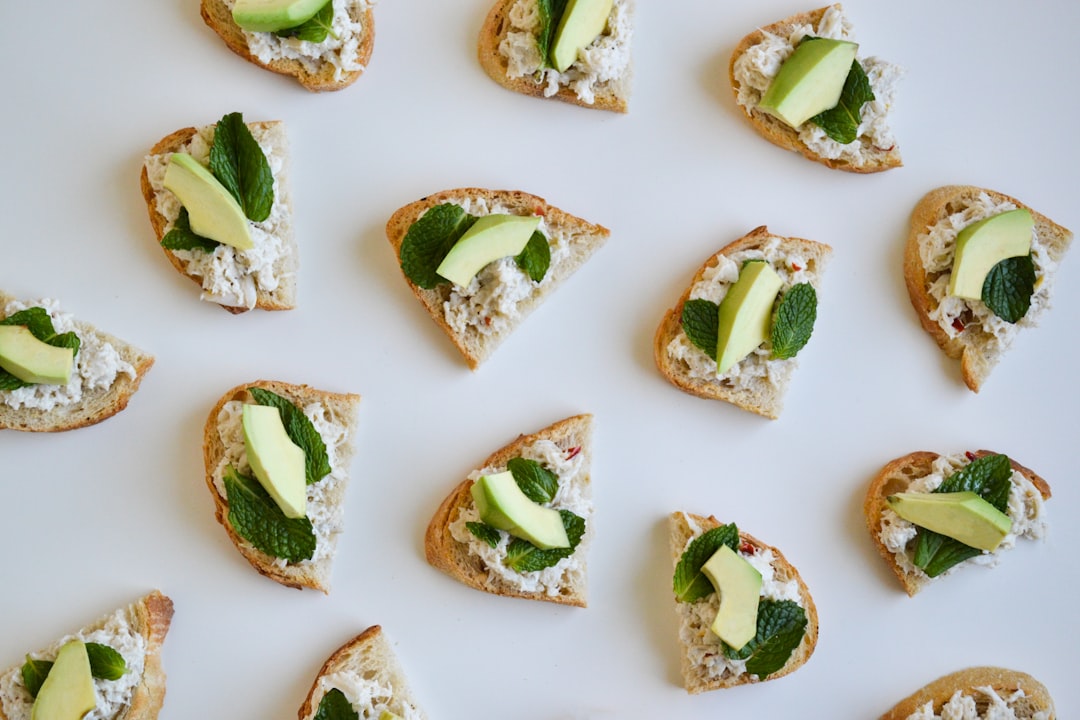
There are appetizers you make because they feed a crowd, and there are appetizers you make because they stop people mid-conversation. Whipped feta crostini does both. A crisp slice of baguette spread with a cloud of silky, tangy whipped feta, then piled with sweet spring peas, torn mint, and a bright shower of lemon zest. The combination is so visually striking and so immediately delicious that these disappear from a platter faster than almost anything else you can set out. This whipped feta crostini has become one of the most requested appetizers in recent food culture for good reason: it looks like it took hours and takes about 25 minutes.
The technique behind whipped feta is simple but transformative. By processing crumbled feta with cream cheese, olive oil, and lemon juice until completely smooth, you convert a crumbly, salty cheese into something that resembles a rich, tangy mousse. It is spreadable, pipeable, and infinitely more elegant than simply crumbling feta on top of bread. The spring peas, barely blanched to preserve their color and snap, add sweetness and texture. The mint and lemon zest provide the aromatic brightness that ties everything together. If you enjoy feta-based dishes, our baked feta pasta takes the cheese in a completely different but equally compelling direction.
Why This Recipe Works
Processing feta with cream cheese creates a silky texture. Feta cheese, on its own, is crumbly and dry. Its microstructure consists of tightly packed protein matrices with relatively little moisture between them. When processed with cream cheese (which is approximately 55% water and 33% fat), the feta’s proteins are broken apart and suspended in the cream cheese’s smooth, emulsified base. The food processor’s blade action, which creates shear forces that disrupt protein bonds, transforms the mixture from grainy to silky in about 2 minutes of continuous processing. According to Serious Eats, the key is processing longer than you think necessary: when you think it is smooth, process for another full minute.
Blanching peas preserves color and sweetness. Fresh spring peas contain an enzyme called lipoxygenase that begins to convert their bright chlorophyll into dull, army-green pheophytin the moment they are heated. A quick 60-second blanch in heavily salted boiling water followed by an immediate plunge into ice water (known as shocking) deactivates this enzyme, locking in the vibrant green color. The brief cooking time also preserves the peas’ natural sugars, which longer cooking would break down, maintaining that burst of sweetness that contrasts so beautifully with the salty feta.
Lemon zest provides aroma without acidity. While lemon juice adds tang (from citric acid), lemon zest contributes something entirely different: essential oils. The outermost layer of lemon peel is packed with limonene and other aromatic compounds that are intensely fragrant but not sour. Zesting directly over the assembled crostini releases these volatile oils at the moment of serving, creating an aroma that enhances every bite. This is why the zest is added at the very end, not during processing.
The crostini texture matters as much as the topping. A properly made crostini should be crisp enough to support the whipped feta without becoming soggy, but not so hard that it shatters when you bite into it. Brushing with olive oil before baking creates a golden, flavorful crust while the interior retains a slight chew. Slicing the baguette on a bias (at an angle) produces longer pieces with more surface area for toppings. The thickness, about 1/2 inch, ensures structural integrity without requiring excessive jaw effort.
Mint provides a cooling counterpoint to the rich feta. Fresh mint contains menthol, which triggers cold receptors on the tongue, creating a cooling sensation that contrasts with the creamy richness of the whipped feta. This physiological effect, combined with mint’s bright, herbaceous flavor, prevents the appetizer from feeling heavy. Tearing the mint leaves rather than cutting them releases more of the essential oils without the bruising that a knife blade causes, which can turn the leaves black. According to Bon Appetit, the mint-feta-pea combination has become one of the defining flavor profiles of modern spring entertaining.
Recipe Card
| Prep Time | 15 minutes |
| Cook Time | 10 minutes |
| Total Time | 25 minutes |
| Servings | 24 crostini (serves 6-8 as an appetizer) |
| Difficulty | Easy |
| Cuisine | Mediterranean |
Ingredients
For the Whipped Feta
- 8 ounces (225g) feta cheese, crumbled (use block feta packed in brine for best results)
- 4 ounces (113g) cream cheese, softened to room temperature
- 2 tablespoons (30ml) extra-virgin olive oil, plus more for drizzling
- 1 tablespoon (15ml) fresh lemon juice
- 1 small clove garlic, roughly chopped
For the Crostini
- 1 baguette (French bread), cut on a bias into 24 slices, each approximately 1/2 inch thick
- 2 tablespoons (30ml) olive oil for brushing
- Pinch of flaky sea salt
For the Spring Pea Topping
- 1 1/2 cups (200g) fresh or frozen peas
- 1/4 cup fresh mint leaves, torn into small pieces
- Zest of 1 lemon (preferably organic, as you are using the peel)
- Flaky sea salt (such as Maldon)
- Freshly ground black pepper
- 1/4 teaspoon red pepper flakes (optional)
- High-quality extra-virgin olive oil for finishing
- Honey for drizzling (optional, about 1 teaspoon)
Step-by-Step Instructions
- Toast the crostini. Preheat your oven to 400 degrees F (204 degrees C). Arrange the baguette slices in a single layer on a large rimmed baking sheet. Brush the top of each slice lightly with olive oil and sprinkle with a tiny pinch of flaky salt. Bake for 8 to 10 minutes, until the edges are golden and the tops are crisp but the centers retain a slight chew. The crostini should be firm enough to hold the whipped feta without bending. Remove from the oven and let cool on the baking sheet. They will crisp further as they cool.
- Make the whipped feta. In a food processor, combine the crumbled feta, softened cream cheese, 2 tablespoons olive oil, lemon juice, and garlic. Process for 2 to 3 minutes, stopping to scrape down the sides of the bowl every 30 seconds. The mixture will start grainy and gradually become completely smooth and fluffy, with a texture similar to thick Greek yogurt or soft cream cheese. If the mixture seems too thick, add an additional tablespoon of olive oil or a teaspoon of water and process again. Taste for seasoning; depending on your feta, you may not need additional salt (feta is already quite salty). Transfer to a bowl and set aside, or refrigerate if making ahead.
- Prepare the peas. Bring a small pot of generously salted water to a rapid boil (it should taste like the sea). Prepare a bowl of ice water nearby. If using fresh peas, blanch for 60 seconds. If using frozen peas, blanch for 30 seconds (they are already partially cooked). Immediately drain and transfer to the ice water to stop the cooking. Let sit in the ice water for 1 minute, then drain thoroughly and spread on a clean kitchen towel to absorb excess moisture. The peas should be bright green, tender but still slightly firm, and sweet.
- Assemble the crostini. Spread a generous tablespoon of whipped feta onto each cooled crostini, using the back of the spoon to create a smooth, slightly mounded layer. The whipped feta should be thick enough to hold the peas in place. Scatter the blanched peas over the whipped feta, pressing them gently into the surface so they adhere. You want roughly 8 to 10 peas per crostini. Sprinkle torn mint leaves, lemon zest, a pinch of flaky sea salt, and a grind of black pepper over each one. Add red pepper flakes if desired for a subtle heat. Finish each crostini with a light drizzle of your best extra-virgin olive oil. If you enjoy a sweet-salty contrast, a tiny thread of honey over each crostini is an excellent optional touch.
- Serve immediately. Arrange the crostini on a platter or wooden board and serve right away. These are at their best within 15 minutes of assembly, while the crostini are still crisp, the peas are still cool, and the mint is still bright. For a spring appetizer spread, pair with our avocado toast for a contrast in textures, or alongside our Vietnamese spring rolls for a lighter accompaniment.
Substitution Guide
| Original Ingredient | Substitution | Notes |
|---|---|---|
| Feta cheese | Goat cheese (chevre) or ricotta salata | Goat cheese produces a tangier, smoother result and may not need cream cheese. Ricotta salata is milder and saltier. Both whip beautifully in a food processor. |
| Cream cheese | Greek yogurt (full-fat) or mascarpone | Greek yogurt produces a lighter, tangier whip. Mascarpone creates a richer, milder version. Use the same quantity as the cream cheese. |
| Fresh peas | Edamame, fava beans, or sugar snap peas (sliced thin) | Edamame adds a nuttier flavor. Fava beans are more work (double-shelling) but elegant. Sliced sugar snaps add crunch. All look beautiful on the crostini. |
| Baguette | Sourdough, ciabatta, or gluten-free crackers | Sourdough adds tang that complements the feta. Ciabatta produces a more rustic presentation. GF crackers make this accessible for gluten-sensitive guests. |
| Fresh mint | Fresh basil, dill, or chives | Basil adds a peppery sweetness. Dill pairs naturally with feta. Chives add a mild onion note. Any fresh herb brightens the dish; avoid dried herbs here. |
| Lemon zest | Orange zest or preserved lemon (minced) | Orange zest is sweeter and less sharp. Preserved lemon adds an intensely salty, fermented citrus note; use sparingly (1/2 teaspoon, minced). |
Storage and Reheating Instructions
Whipped feta: Stored in an airtight container, the whipped feta keeps in the refrigerator for up to 5 days. Its flavor actually improves overnight as the garlic and lemon meld. Let it come to room temperature for 15 minutes before spreading, as it firms up when cold. It can also be used as a dip with vegetables, a spread on sandwiches, or a topping for grilled meats.
Crostini: Baked crostini can be stored in an airtight container at room temperature for up to 3 days. If they soften, re-crisp them in a 350-degree F oven for 3 to 4 minutes. For best results, bake the crostini no more than a few hours before serving.
Assembled crostini: Once assembled, crostini should be served within 15 to 20 minutes. The moisture from the whipped feta and peas will soften the bread over time. For a party, prepare all components in advance and assemble just before guests arrive, or set out the components and let guests build their own.
Nutrition Facts (Per Serving, 3 Crostini)
| Nutrient | Amount | % Daily Value |
|---|---|---|
| Calories | 180 kcal | 9% |
| Total Fat | 10g | 13% |
| Saturated Fat | 5g | 25% |
| Cholesterol | 25mg | 8% |
| Sodium | 380mg | 17% |
| Total Carbohydrates | 16g | 6% |
| Dietary Fiber | 2g | 7% |
| Sugars | 2g | — |
| Protein | 7g | 14% |
Nutrition values are estimates based on USDA FoodData Central data for feta cheese, cream cheese, French bread, and green peas. Actual values may vary depending on specific brands, the amount of whipped feta spread per crostini, and optional toppings.
Variations and Seasonal Adaptations
Summer version: whipped feta with roasted cherry tomatoes. Replace the peas and mint with halved cherry tomatoes roasted at 400 degrees F for 15 minutes until blistered, fresh basil, and a balsamic drizzle. The warm, sweet tomatoes against the cool whipped feta create an extraordinary temperature and flavor contrast.
Fall version: whipped feta with fig and honey. Replace the peas with sliced fresh figs (or rehydrated dried figs), substitute thyme for the mint, and add a generous drizzle of honey and a scattering of toasted pistachios. The sweetness of the figs and honey against the salty feta is a classic Mediterranean combination that works beautifully on crostini.
Winter version: whipped feta with roasted beets and walnuts. Top the whipped feta with thinly sliced roasted beets, toasted walnuts, and fresh dill. The earthy sweetness of beets, the crunch of walnuts, and the tang of feta create a stunning jewel-toned appetizer that brightens even the grayest winter gathering.
Use the whipped feta beyond crostini. This whipped feta is incredibly versatile. Spread it inside a wrap or sandwich. Use it as a dip for raw vegetables or pita chips. Dollop it on grilled steak or roasted chicken. Spread it on pizza dough before adding toppings. Thin it with a bit more olive oil and use it as a pasta sauce base. Once you have a batch in your refrigerator, you will find yourself using it on everything.
Frequently Asked Questions
Can I make whipped feta in a blender instead of a food processor?
Yes, a high-speed blender works, though a food processor is preferred because its wider bowl makes scraping down the sides easier. In a blender, you may need to add an extra tablespoon of olive oil or a splash of water to help the mixture move around the blades. Process in short pulses at first, then switch to continuous blending. Stop and scrape frequently. An immersion blender in a tall, narrow container also works well for smaller batches.
What type of feta should I use?
For the smoothest, most flavorful whipped feta, use block feta packed in brine rather than pre-crumbled feta from a bag. Block feta (especially Greek, Bulgarian, or French varieties made from sheep’s milk or a sheep-goat blend) has a creamier texture and more complex, tangy flavor. Pre-crumbled feta is often coated with anti-caking agents and is drier, which can produce a grainier whipped texture. Drain the brine before processing, but do not rinse the feta; the residual brine contributes seasoning.
How far ahead can I make the whipped feta?
The whipped feta can be made up to 3 days in advance and stored in an airtight container in the refrigerator. In fact, it benefits from at least a few hours of refrigeration, which allows the garlic and lemon flavors to meld and mellow. Remove it from the refrigerator 15 to 20 minutes before assembling the crostini so it softens to a spreadable consistency. If it seems stiff, stir in a teaspoon of olive oil.
Can I use frozen peas?
Yes, and for most of the year, frozen peas are actually preferable to “fresh” peas at the supermarket. Frozen peas are blanched and flash-frozen within hours of harvest, locking in their sweetness and color. Supermarket “fresh” peas may have been in transit for days, losing sugar (which converts to starch) with each passing hour. For this recipe, thaw frozen peas by running warm water over them for 30 seconds, then drain and pat completely dry. A brief 30-second blanch in boiling water is optional but brightens the color.
How do I keep crostini from getting soggy?
Assemble the crostini as close to serving time as possible, ideally within 15 minutes. The moisture in the whipped feta and peas will gradually soften the bread. For a party setting, bake and cool the crostini, prepare the whipped feta and blanch the peas, but do not assemble until just before guests arrive. Alternatively, set out the components separately and let guests assemble their own. Brushing the crostini with olive oil before baking also creates a subtle moisture barrier that helps them stay crisp longer.
Disclaimer
Nutritional information is provided as a general estimate and should not be considered a substitute for professional dietary advice. Values are calculated using USDA FoodData Central data and may vary depending on specific brands, ingredient sizes, and preparation methods. This recipe contains dairy (feta cheese, cream cheese) and wheat (baguette). If you have food allergies or dietary restrictions, consult a healthcare professional before preparing this recipe. This article contains links to external websites for informational purposes; cookingzone.org is not responsible for the content of external sites.

Rachel Summers
Rachel grew up in a Pacific Northwest kitchen, learning Sunday roasts from her mother and pie crust from a grandmother who never wrote a recipe down. CookingZone began as a way to save her family's cooking before it was forgotten, and grew when her cousins started sending in their own. Her work covers foundational American, Italian, French, and Mexican recipes, with an emphasis on weekend baking, comfort food, and the techniques that span both European and American home kitchens.
Please note: Nutritional estimates in our recipes are derived from the USDA FoodData Central database and may vary based on specific brands and ingredient sizes. If you have food allergies, dietary restrictions, or medical conditions, consult a registered dietitian or healthcare provider before preparing this recipe. Always follow safe food-handling guidelines, including proper cooking temperatures for meat, poultry, fish, and eggs. Nothing in this article should be interpreted as medical, nutritional, or dietary advice.