There is a moment, somewhere between the first sizzle of shallots in butter and the final toss of pasta in gochujang-spiked sauce, when you realize this dish has no business being this good with so few ingredients. Gochujang butter pasta is the kind of recipe that reads like a dare — Korean fermented chili paste meets Italian pecorino and butter — and then delivers on every level. It is sweet, spicy, savory, funky, and rich, all wrapped around perfectly al dente noodles and crowned with shatteringly crispy shallots.
This recipe belongs to the new wave of pantry-driven fusion cooking: dishes born not from classical technique but from the happy collision of condiments in a well-stocked kitchen. Gochujang, the thick fermented Korean chili paste made from red pepper flakes, glutinous rice, fermented soybeans, and salt, brings a complexity that no single Western condiment can match. It is simultaneously spicy, sweet, and deeply umami. When you emulsify it with butter and starchy pasta water, then finish with sharp, salty pecorino, you get a sauce that tastes like it simmered for hours but comes together in the time it takes to boil spaghetti.
Why This Recipe Works
Gochujang as a flavor multiplier. Where most chili pastes offer one-dimensional heat, gochujang delivers at least four distinct flavor dimensions: fermented funk from the soybeans, gentle sweetness from the rice, moderate heat from the gochugaru peppers, and a deep savory backbone. Mixed into melted butter, it creates an instant compound sauce that coats pasta evenly.
The crispy shallot effect. Thinly sliced shallots, slowly fried in a generous amount of neutral oil until golden and crisp, provide textural contrast that elevates the dish from good to memorable. The sweetness of caramelized shallots balances gochujang’s heat, and the crunch against soft pasta creates the kind of textural interplay that keeps you reaching for another bite. Reserve the shallot-infused frying oil — it becomes an aromatic finishing element.
Emulsification with pasta water. The starchy cooking water is the secret ingredient that no one lists on the label. When you toss hot pasta with gochujang butter and add splashes of pasta water, the starch molecules act as emulsifiers, binding fat and water into a smooth, glossy sauce that clings to every strand. Under-salting or using too little starchy water are the two most common reasons this dish fails. We address both head-on.
Pecorino Romano over Parmesan. Pecorino’s sharper, saltier, more assertive flavor stands up to gochujang better than milder Parmesan. The pairing follows the same logic as Italian cacio e pepe: you need a cheese aggressive enough to hold its own against a bold sauce. Finely grated pecorino melts more smoothly and resists clumping.
Ingredients
Crispy Shallots
- 4 large shallots, peeled and sliced into thin rings (about 1 1/2 cups)
- 1/2 cup neutral oil (vegetable or grapeseed)
- Pinch of kosher salt
Gochujang Butter Pasta
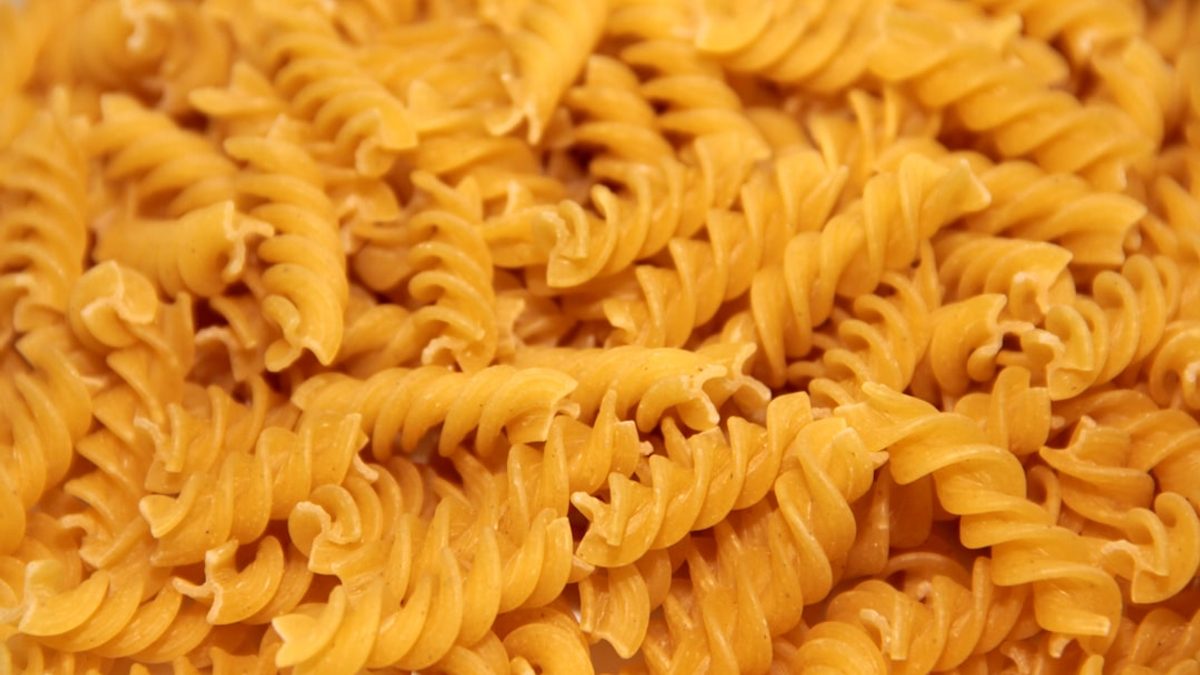
- 1 pound spaghetti or bucatini
- Kosher salt (for pasta water)
- 4 tablespoons (1/2 stick) unsalted butter, cut into cubes
- 2 tablespoons gochujang paste
- 1 tablespoon soy sauce
- 1 tablespoon rice vinegar
- 2 teaspoons honey
- 2 cloves garlic, minced
- 3/4 cup reserved pasta cooking water
- 1 cup finely grated Pecorino Romano cheese, plus more for serving
- 2 tablespoons reserved shallot oil
- 2 scallions, thinly sliced (green and white parts)
- Toasted sesame seeds, for garnish
Recipe Overview
| Detail | Value |
|---|---|
| Prep Time | 15 minutes |
| Cook Time | 25 minutes |
| Total Time | 40 minutes |
| Servings | 4 |
| Difficulty | Easy to Moderate |
| Cuisine | Korean-Italian Fusion |
Step-by-Step Instructions
- Fry the shallots. Place the sliced shallots and oil in a small saucepan over medium heat. Cook, stirring occasionally, for 12 to 15 minutes. The shallots should turn from pale to deep golden brown gradually. Do not rush this step with high heat — low and slow produces even crisping without bitterness. When golden, transfer the shallots to a paper-towel-lined plate using a slotted spoon. Season immediately with a pinch of salt. Reserve the shallot oil in a small bowl.
- Boil the pasta. Bring a large pot of heavily salted water (it should taste like the sea) to a rolling boil. Add the spaghetti and cook according to package directions minus 1 minute — you want it just shy of al dente, since it will finish cooking in the sauce. Before draining, reserve 1 1/2 cups of the starchy pasta water. Drain the pasta.
- Build the gochujang butter sauce. In the same large pot (or a wide 12-inch skillet) over medium heat, melt the butter. Add the minced garlic and cook for 30 seconds. Add the gochujang paste, soy sauce, rice vinegar, and honey. Whisk everything together and cook for 1 minute until the sauce is smooth and fragrant.
- Combine pasta and sauce. Add the drained pasta directly to the gochujang butter. Toss vigorously with tongs. Add 1/2 cup of the reserved pasta water and continue tossing. The sauce should become glossy and coat every strand. If it looks tight or dry, add more pasta water a few tablespoons at a time.
- Add cheese off heat. Remove the pot from the heat. Sprinkle in the grated Pecorino Romano and toss rapidly. Adding the cheese off heat prevents it from clumping. The residual heat and pasta water create a creamy emulsion. Drizzle in 2 tablespoons of the reserved shallot oil and toss again.
- Plate and garnish. Divide the pasta among 4 warm bowls. Top each serving generously with crispy shallots, sliced scallions, a sprinkle of toasted sesame seeds, and an extra grating of pecorino. Serve immediately — this dish is best eaten hot, before the shallots lose their crunch.
Substitution Guide
| Ingredient | Substitution | Notes |
|---|---|---|
| Gochujang | Sriracha + 1 tsp miso paste | Different profile; add miso for fermented depth |
| Pecorino Romano | Parmesan (Parmigiano Reggiano) | Milder and less salty; increase by 2 tablespoons |
| Spaghetti | Bucatini, rigatoni, or udon | Tubular shapes trap more sauce |
| Butter | Olive oil + 1 tbsp tahini | Dairy-free; tahini adds richness |
| Honey | Maple syrup or brown sugar | Equal amounts; slightly different sweetness |
| Shallots | Store-bought crispy fried onions | Convenience option; less sweet than fresh |
Expert Techniques and Cooking Notes
Salt your pasta water aggressively. The pasta needs to be seasoned internally. Two tablespoons of kosher salt per gallon of water is the minimum. Under-seasoned pasta will taste flat no matter how good the sauce is. The Serious Eats test kitchen recommends about 1 to 2 percent salt by weight for optimal pasta seasoning.
Do not rinse the pasta. The surface starch on cooked pasta is essential for sauce adhesion. Rinsing strips it away and leaves you with slippery noodles that repel sauce. If you are not combining pasta and sauce immediately, toss the drained pasta with a drizzle of the shallot oil to prevent sticking.
If you enjoy pantry-powered weeknight pastas, our Lemon Blueberry Muffins uses a similarly minimal ingredient list to achieve outsized flavor. For another Korean-inspired recipe that comes together quickly, take a look at our Lemon Herb Grilled Salmon.
Buy the right gochujang. Not all gochujang is created equal. Korean brands like Sunchang or CJ Haechandle offer more authentic, well-balanced flavor compared to fusion-style products that often add excessive sugar. Check the ingredient list: fermented soybeans, rice, and chili should be the primary components. According to the USDA FoodData Central database, traditional gochujang contains about 10 grams of sugar per 2-tablespoon serving, which is why we only add 2 teaspoons of honey to the sauce.
Storage and Reheating
Refrigerator: Store leftover pasta in an airtight container for up to 3 days. The sauce will tighten as it cools. To reheat, add the pasta to a skillet over medium-low heat with a splash of water or broth, tossing until the sauce re-emulsifies and the pasta is warmed through, about 3 to 4 minutes.
Crispy shallots: Store separately in an airtight container at room temperature for up to 5 days. They will stay crisp as long as moisture is kept out. Add them fresh to reheated pasta just before serving.
Not recommended for freezing. Cream-based and cheese-based pasta sauces tend to separate and become grainy after freezing. This dish is best made fresh.
Nutrition Facts (Per Serving, Based on 4 Servings)
| Nutrient | Amount | % Daily Value |
|---|---|---|
| Calories | 582 kcal | 29% |
| Total Fat | 24 g | 31% |
| Saturated Fat | 11 g | 55% |
| Cholesterol | 48 mg | 16% |
| Sodium | 740 mg | 32% |
| Total Carbohydrates | 72 g | 26% |
| Dietary Fiber | 3 g | 11% |
| Protein | 20 g | 40% |
| Calcium | 22% DV | — |
| Iron | 18% DV | — |
Nutrition estimates based on USDA FoodData Central values. Actual amounts may vary by brand and preparation method.
For more globally inspired weeknight meals, explore our Sheet Pan Dinner — another bold dish that comes together in under 30 minutes. And for a helpful overview of pasta-making techniques, Bon Appetit’s guide to salting pasta water is an essential read.
Understanding Gochujang: More Than Just Heat
Gochujang is one of the most complex condiments in the world, and understanding its depth helps explain why this pasta works so well. Unlike hot sauces that deliver one-dimensional heat, gochujang is a fermented paste with layers of flavor that develop over months or even years of aging.
The Fermentation Process
Traditional gochujang begins with gochugaru (Korean red pepper flakes), glutinous rice powder, meju (fermented soybean powder), and salt. These ingredients are combined into a thick paste and packed into large earthenware crocks called onggi, which are left outdoors to ferment. The fermentation process, driven by naturally occurring Bacillus subtilis bacteria and various molds, breaks down the starches in the rice into sugars and the soy proteins into amino acids. This dual transformation creates the signature flavor profile: the sugars provide a mellow sweetness, while the amino acids generate deep umami. The process takes anywhere from three months to over a year, with longer fermentation producing a more complex, less aggressively spicy paste.
The Flavor Profile
Gochujang delivers at least five distinct flavor dimensions in every taste: heat from the gochugaru peppers, sweetness from the fermented rice, umami from the soybeans, a subtle funkiness from the fermentation, and a mild saltiness that ties everything together. This complexity is why gochujang works as a standalone sauce base — it already contains the depth that most Western recipes achieve through layering multiple ingredients. When you combine it with butter and Pecorino, you are not just adding heat to pasta; you are building a sauce with the same depth and nuance as a traditional Italian ragu, achieved in a fraction of the time.
Choosing the Right Brand
Not all gochujang is created equal. Korean brands like Sunchang, CJ Haechandle, and Sempio offer traditional formulations where fermented soybeans and rice dominate the ingredient list. Western-market fusion brands often add corn syrup or excessive sugar, which produces a one-note sweetness that lacks the fermented depth. When reading labels, look for meju or fermented soybean paste as a primary ingredient, and avoid products where corn syrup appears in the first three ingredients. The color should be a deep brick red, not bright orange. Once opened, gochujang keeps for over a year in the refrigerator, making it one of the most shelf-stable and versatile condiments you can own.
Scaling for a Dinner Party
This recipe scales beautifully, making it an excellent choice for entertaining. The key adjustments when cooking for a crowd involve the sauce-to-pasta ratio and the crispy shallots.
For 8 Servings
Double all ingredients. Use a large stockpot or two separate skillets for the sauce. The critical consideration when scaling is the pasta water: you need proportionally more starchy water to emulsify the larger quantity of sauce. Reserve at least 3 cups of pasta water when cooking 2 pounds of pasta. Add the water in stages — start with 1 cup, toss, then add more as needed. The larger volume of pasta and sauce takes longer to come together, so allow an extra 60 to 90 seconds of tossing time.
Make-Ahead Strategy for Entertaining
The crispy shallots can be fried up to 5 days ahead and stored in an airtight container at room temperature. The gochujang butter sauce can be prepared (step 3 in the recipe) up to 2 days ahead and refrigerated. When ready to serve, reheat the sauce gently over medium-low heat while the pasta boils. The only component that must be done fresh is the pasta itself and the final tossing with cheese, which takes under 5 minutes. This make-ahead approach means that for a dinner party, you spend 5 minutes in the kitchen while your guests are seated, rather than 40 minutes with your back to the room.
Presentation Tips
For a dinner party presentation, serve the pasta family-style in a large, warm serving bowl. Pile the crispy shallots in a mound on top (the height creates visual drama), scatter the scallions and sesame seeds around the edges, and bring an extra wedge of Pecorino and a microplane to the table so guests can add more cheese to their taste. If you want to elevate it further, add a few drops of toasted sesame oil and a pinch of gochugaru flakes on top for color contrast. The deep red of the gochugaru against the golden shallots and white sesame seeds makes the dish as photogenic as it is delicious.
Frequently Asked Questions
How spicy is gochujang butter pasta?
Moderately spicy. Gochujang is rated around 1,000 to 2,000 Scoville units, which makes it milder than sriracha. The butter, cheese, and honey in this recipe further mellow the heat. If you are sensitive to spice, start with 1 tablespoon of gochujang and increase to taste.
Can I use a different pasta shape?
Yes. Bucatini is the best alternative because its hollow center traps sauce. Rigatoni and penne also work well. Even udon noodles make an excellent cross-cultural swap that leans further into the Korean inspiration.
What if I cannot find gochujang?
Mix 1 tablespoon of red miso paste with 1 tablespoon of sriracha and 1 teaspoon of brown sugar. It will not be identical, but it approximates the fermented, spicy-sweet character. Most Asian grocery stores and well-stocked supermarkets carry gochujang in the international aisle.
Can I make this dairy-free?
Replace the butter with a good-quality olive oil and substitute the pecorino with nutritional yeast (about 3 tablespoons). The result will be less rich but still deeply flavorful. Adding a tablespoon of tahini helps compensate for the lost creaminess.
Why did my sauce break or become clumpy?
Two likely causes: the cheese was added over heat (it clumps when too hot) or there was not enough pasta water in the mix. Always remove the pan from heat before adding pecorino, and add pasta water gradually until the sauce is smooth and glossy.
Nutritional Disclaimer
The nutritional information provided is an estimate based on USDA FoodData Central data and is intended for informational purposes only. Values may vary depending on specific ingredients, brands, and preparation methods. This content is not a substitute for professional dietary or medical advice. Individuals with food allergies, intolerances, or specific health conditions should consult a qualified healthcare provider before making dietary changes. CookingZone.org does not assume liability for the accuracy of nutritional data or individual health outcomes.

Tom Nakamura
Tom learned to cook from his obaachan during summers in Japan - pickling daikon at the kitchen table, watching her stir miso into broth without ever measuring. Later, family trips with cousins took him through markets in Bangkok, Shanghai, and Hanoi, and the food stuck with him. His writing focuses on making authentic Asian techniques accessible to home cooks without diluting the technique or the culture that defines them. He handles Chinese, Japanese, Korean, Thai, Vietnamese, Indian, and Middle Eastern recipes at the publication.
Please note: Nutritional estimates in our recipes are derived from the USDA FoodData Central database and may vary based on specific brands and ingredient sizes. If you have food allergies, dietary restrictions, or medical conditions, consult a registered dietitian or healthcare provider before preparing this recipe. Always follow safe food-handling guidelines, including proper cooking temperatures for meat, poultry, fish, and eggs. Nothing in this article should be interpreted as medical, nutritional, or dietary advice.