On a July afternoon in a small Ohio town, a pot table can tell you more about American recipes than most cookbooks. There is Texas-style brisket next to New England clam chowder, a pan of Midwestern tater tot casserole beside a tray of glossy chocolate chip cookies. That mash-up of regions, histories, and comfort is exactly what people search for when they type “American recipes” into Google—and why this topic keeps climbing in food search trends. Explore this further in How Americans Cook 2026: Save Time On Healthy Weeknights.
Look at what ranks today: a sprawling list of “The 93 Most American Recipes Ever” from Taste of Home, a homesick thread on Reddit where an expat begs for favorite “American” recipes, and curated collections from BBC Good Food and Food Network. Together they show something important: there is no single American dish, but there is a recognizable American way of cooking and eating.
In this article, I’m treating American recipes not as a static list but as a living map. We will move from traditional American recipes—fried chicken, apple pie, cornbread—to the easy American recipes that define weeknight dinners, like burgers, sheet-pan chicken, and skillet chili. I’ll connect what Reddit cooks are actually making, what major media brands promote, and how home cooks abroad try to recreate “home” with American dinner dishes.
Along the way, you’ll see how an American recipes cookbook today has to juggle diner classics, regional specialties, and modern dietary needs, all while staying practical. You’ll also get a clear sense of what belongs on any “Top 10 American foods” list, why baking is central to American food identity, and how to build your own rotation of American recipes for dinner that feel both familiar and current.
I’ll draw directly from the top-ranking pages and from what real users ask: What are traditional American recipes? What are actual American dishes that didn’t just cross the Atlantic from somewhere else? And what makes some meals the best American recipes for real, busy households rather than just glossy magazine covers?
From “93 Most American Recipes Ever” to Your Table: How Lists Shape What We Cook
The first time I scrolled through the “93 Most American Recipes Ever” feature on Taste of Home, I recognized at least half the dishes from church basements and tailgate parties. That list reads like a memory lane of potlucks: Texas-style beef brisket, All-American banana split, Wisconsin butter-basted burgers, tater tot casserole, and more. It isn’t just nostalgia; it’s a snapshot of what Americans actually bring to gatherings.
Data from search results shows that long, regional roundups like this consistently rank because they do three things well: they validate regional pride, they offer variety for planners, and they bundle “must-try” dishes in one place. When Taste of Home organizes recipes by state and region, they’re not just curating; they’re telling home cooks, “Your local food belongs in the national story.”
- Regional identity: Texas brisket, Louisiana gumbo, New York cheesecake, and Minnesota hotdish signal that “American” is plural, not singular.
- Occasion-based cooking: Many of the 93 dishes are party food—casseroles, dips, grilled meats, crowd-sized desserts—mirroring how Americans entertain.
- Accessible techniques: Most recipes use ovens, slow cookers, grills, and basic stovetop skills, making them realistic for weeknight or weekend cooking.
For anyone building an American recipes cookbook or a personal digital recipe box, these big lists offer a blueprint. You can mine them for categories—regional specialties, grilling, casseroles, pies—and then adapt those ideas to your own kitchen. In my experience, the smartest move is to pick one dish from each region (say, jambalaya from the Gulf Coast, clam chowder from New England, barbecue ribs from the South, and a Midwest casserole) and make those your anchor recipes across the year.
Why a Reddit Thread About “Favorite American Recipes” Went Global
A single Reddit post titled “Send me your favorite ‘American’ recipes” on r/Cooking has quietly become a reference point for what people abroad miss most about U.S. food. The original poster lives outside the United States, identifies as Southern, and admits that all they can think of is barbecue. The replies quickly reveal a broader, more layered picture of American recipes.
Commenters list everything from buffalo wings and Cobb salad to baked mac and cheese, biscuits with sausage gravy, and chocolate chip cookies. Others bring up regional American dinner dishes like Cincinnati chili, New England clam chowder, and Cajun jambalaya. What emerges is a crowd-sourced canon that overlaps heavily with what professional sites like Food Network promote, but with more emotional context.
These threads are powerful because they capture how people actually talk about food when there is no brand agenda. Users debate which dishes count as “truly American” (created or codified in the U.S.) versus those that are heavily adapted from immigrant cuisines, like Italian-American pizza or Chinese-American General Tso’s chicken. They also surface a crucial distinction between American recipes for dinner and American baking—savory comfort versus sweet nostalgia.
For a content strategist or cookbook author, this is gold. It shows that if you’re writing for an international audience, you cannot just lean on burgers and hot dogs. You need layers: a section on diner staples (pancakes, club sandwiches, milkshakes), a chapter on Southern comfort (fried chicken, collard greens, cornbread), and a spread of party foods (buffalo wings, spinach-artichoke dip, brownies). The Reddit thread essentially outlines what an American recipes cookbook must include to feel complete to someone far from home. For practical tips, check Fiber Rich Mini Meals For Busy Nights And Lasting Satiety.
What Actually Counts as a “Classic” American Recipe?
Ask ten people to name the top 10 American foods and you will get ten different lists. But when you cross-reference what ranks on CookUnity’s “16 classic American recipes everyone should know,” BBC Good Food’s American collection, and Food Network’s American topic hub, clear patterns appear.
Here is a practical way to think about it if you want to build a core repertoire of American recipes for dinner and beyond:
- Start with breakfast icons. Fluffy pancakes with maple syrup, diner-style scrambled eggs with bacon, and buttermilk biscuits are fixtures on BBC Good Food’s American recipes page because they’re recognizable worldwide. They are also easy American recipes that require basic ingredients but deliver a “Stateside” feel instantly.
- Add sandwich and burger culture. Burgers, BLTs, grilled cheese, and pulled pork sandwiches show up across Food Network’s American lineup. They illustrate how Americans often treat sandwiches as full meals, not snacks. A solid burger recipe and a reliable grilled cheese method are non-negotiable in any American recipes cookbook.
- Include at least one regional barbecue. CookUnity highlights slow-smoked Texas brisket and Southern fried chicken as essential. Whether you choose Kansas City-style ribs, Carolina pulled pork, or Texas brisket, one barbecue recipe anchors your savory repertoire.
- Honor the casserole tradition. Tater tot casserole, baked mac and cheese, and green bean casserole are staples in the Taste of Home list. They represent potluck culture and the American habit of turning leftovers and pantry items into a one-pan meal.
- Cover pies and cookies. Apple pie, pecan pie, pumpkin pie, and chocolate chip cookies appear in nearly every “classic American recipes” roundup. They’re central to American recipes baking and to holiday rituals from Thanksgiving through the Fourth of July.
Once you have these pillars, you can layer in more nuanced dishes like gumbo, jambalaya, chili, and regional chowders. The key is balance: enough traditional American recipes to feel rooted, enough variety to reflect the country’s diversity.
American Recipes Abroad: How BBC Good Food and Food Network Frame the Cuisine
“American food is much more than burgers and fries,” a BBC Good Food editor once remarked in a video segment introducing their American recipes collection. That single line captures the challenge international publications face: they must acknowledge the clichés while pushing readers to try more nuanced dishes.
BBC Good Food’s American recipes page leans heavily on visual icons—stacked burgers, frosted layer cakes, maple-drizzled pancakes—because those are instantly recognizable to a UK audience. In contrast, Food Network’s American topic hub dives deeper into regional cooking, highlighting Cajun dirty rice, Southern fried chicken, Tex-Mex enchiladas, and New York-style cheesecake. The difference is context: one is translating a cuisine for outsiders; the other is speaking to an audience that grew up with it.
For home cooks, this comparison is useful. If you are outside the United States and want to understand American dinner dishes, BBC Good Food’s collection offers a gateway: burgers, hot dogs, pancakes, brownies, and pies. Once those feel comfortable, Food Network’s library becomes a roadmap to more specific traditions—Lowcountry shrimp and grits, New England lobster rolls, or Midwest casseroles.
From a strategic standpoint, the overlap between these two brands shows what Google recognizes as core American: pancakes, burgers, fried chicken, barbecue, mac and cheese, brownies, and pies. If you are curating recipes for a blog or a course, you would be wise to anchor your content there and then add regional and modern twists.
Building a Cross-Atlantic American Recipes Cookbook
If I were tasked with designing an American recipes cookbook for readers in London, Berlin, and Sydney, I would borrow BBC Good Food’s visual cues and Food Network’s depth. The first section would focus on easy American recipes—sheet-pan barbecue chicken, skillet burgers, one-bowl brownies—that use globally available ingredients. The next chapters would gradually introduce harder-to-source items like buttermilk, cornmeal, and specific chiles for authentic cornbread, biscuits, and chili.
This staged approach mirrors how people search: they start with “American recipes baking” for brownies and cookies, then move into “American recipes for dinner” once they trust the techniques and flavors. It also respects the fact that not every supermarket stocks canned pumpkin or tater tots, so each recipe needs smart substitutions and clear explanations of texture and flavor goals.
The Real “Top 10 American Foods”: A Working Shortlist for Home Cooks
Lists of the “top 10 American foods” can be clickbait, but they’re also useful if treated as a working shortlist rather than a definitive canon. The SERP data, Reddit discussions, and major brand collections point to a core set of dishes that appear again and again in American recipes roundups. For more on this topic, see Online Cooking Classes: Master Weeknight Dinners Fast.
Here is a practical shortlist that reflects both tradition and what people actually cook at home:
1. Burger with Fries
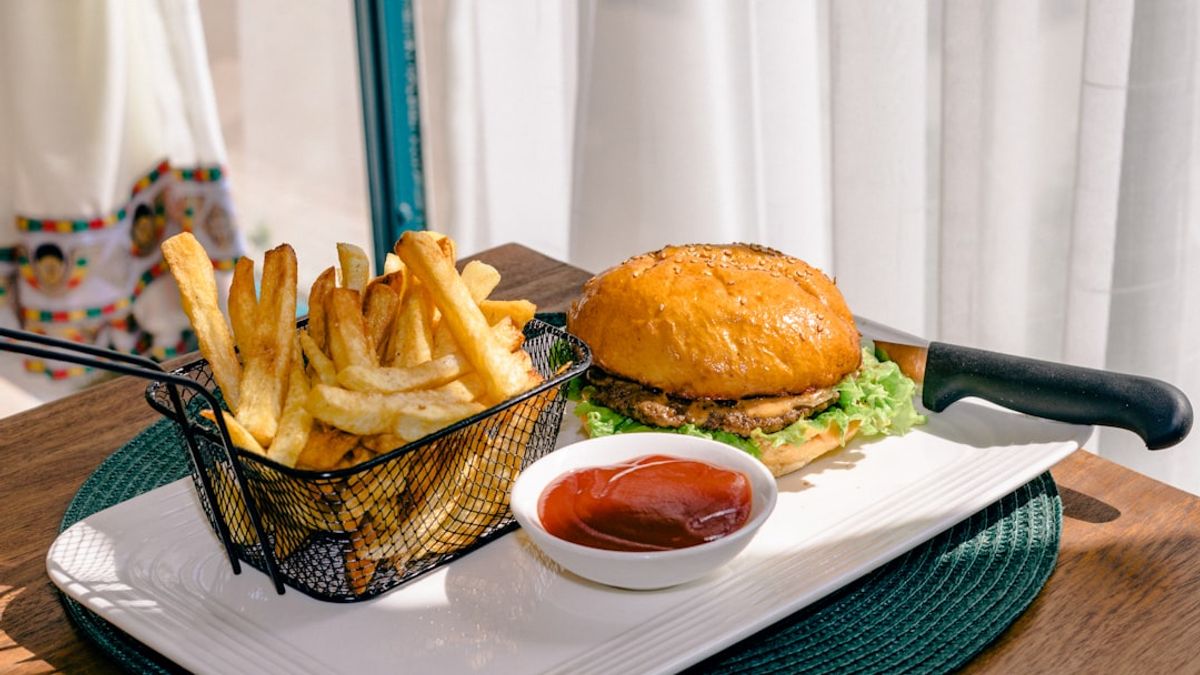
A seared or grilled beef patty on a soft bun with lettuce, tomato, cheese, and condiments. It encapsulates fast food, backyard grilling, and diner culture all at once. For home cooks, mastering a juicy burger and oven-crisp fries is one of the best American recipes for dinner you can learn.
2. Fried Chicken
Southern-style fried chicken, brined or buttermilk-soaked, dredged in seasoned flour, and fried until shatteringly crisp, appears on CookUnity’s list of essential classics. It represents both Sunday dinners and roadside diners across the South.
3. Macaroni and Cheese
Whether baked with a breadcrumb topping or made as a creamy stovetop version, mac and cheese bridges comfort food and convenience. It’s a staple in American dinner dishes and a gateway to casserole culture.
4. Hot Dogs
From New York street carts to Chicago’s fully loaded version, hot dogs embody American street food. Toppings vary by region—mustard and sauerkraut, chili and cheese, or relish and sport peppers—but the base idea is universal.
5. Pizza (American Styles)
While pizza’s roots are Italian, New York slices and Chicago deep-dish have become distinct American styles. Many American recipes for dinner rely on homemade or semi-homemade pizza as a flexible, family-friendly platform.
6. Buffalo Wings
Originating in Buffalo, New York, these deep-fried chicken wings tossed in a vinegar-chile butter sauce are now global bar food. They are a perfect example of an “actual American dish” created in the U.S. rather than imported.
7. Barbecue (Regional Variants)
Slow-cooked meats—brisket, ribs, pulled pork—smoked or wood-fired, differ by region but share a common ritual: low and slow cooking, sauce debates, and social gatherings. Texas-style beef brisket, as highlighted by Taste of Home, is a prime example.
8. Apple Pie
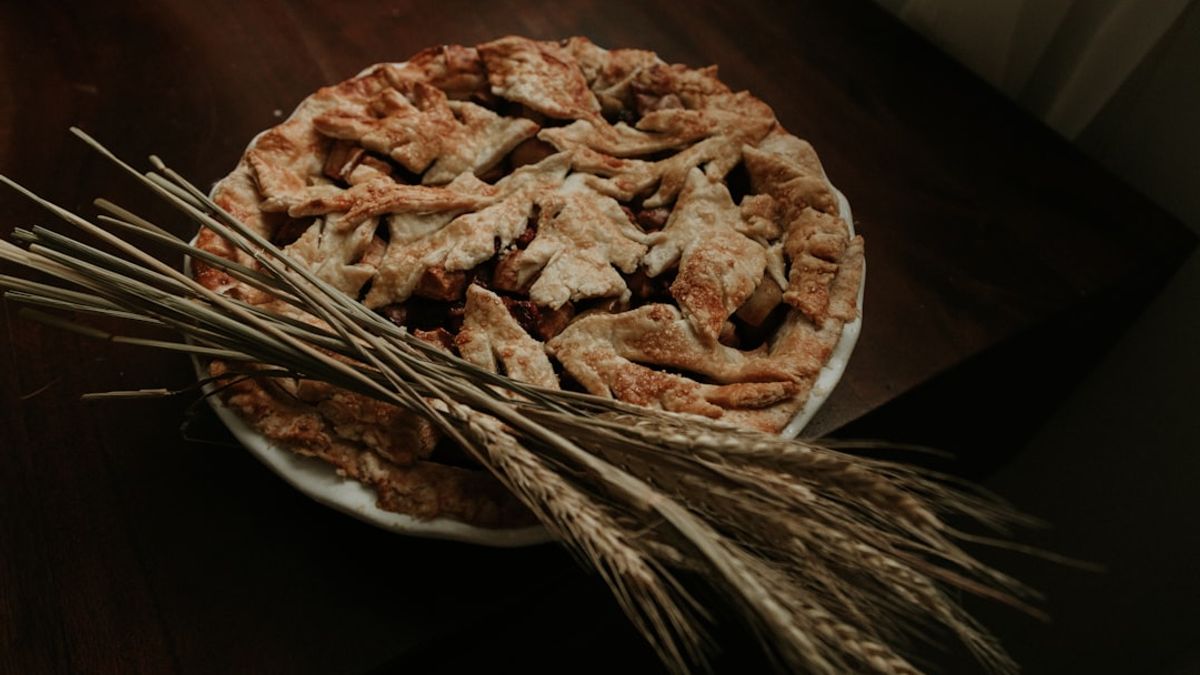
The phrase “as American as apple pie” hints at its cultural weight. Flaky crust, spiced apple filling, often served with vanilla ice cream. It is the centerpiece of many American recipes baking collections.
9. Chocolate Chip Cookies
Invented in Massachusetts in the 20th century, chocolate chip cookies are unambiguously American. They are among the easiest recipes for beginners and a must-have in any baking chapter.
10. Pancakes with Maple Syrup
Fluffy, griddled pancakes served with butter and maple syrup appear in both BBC Good Food and CookUnity’s lists. They capture diner breakfast culture and weekend brunch at home. This pairs well with our guide on How Americans Cook 2026: Save Time With Smarter Meals.
This list is not exhaustive, but it gives home cooks a concrete starting point. Master these ten, and you’ll cover a huge portion of what most people expect when they think of the best American recipes.
Inside an American Recipes for Dinner Rotation: From Weeknight Easy to Weekend Projects
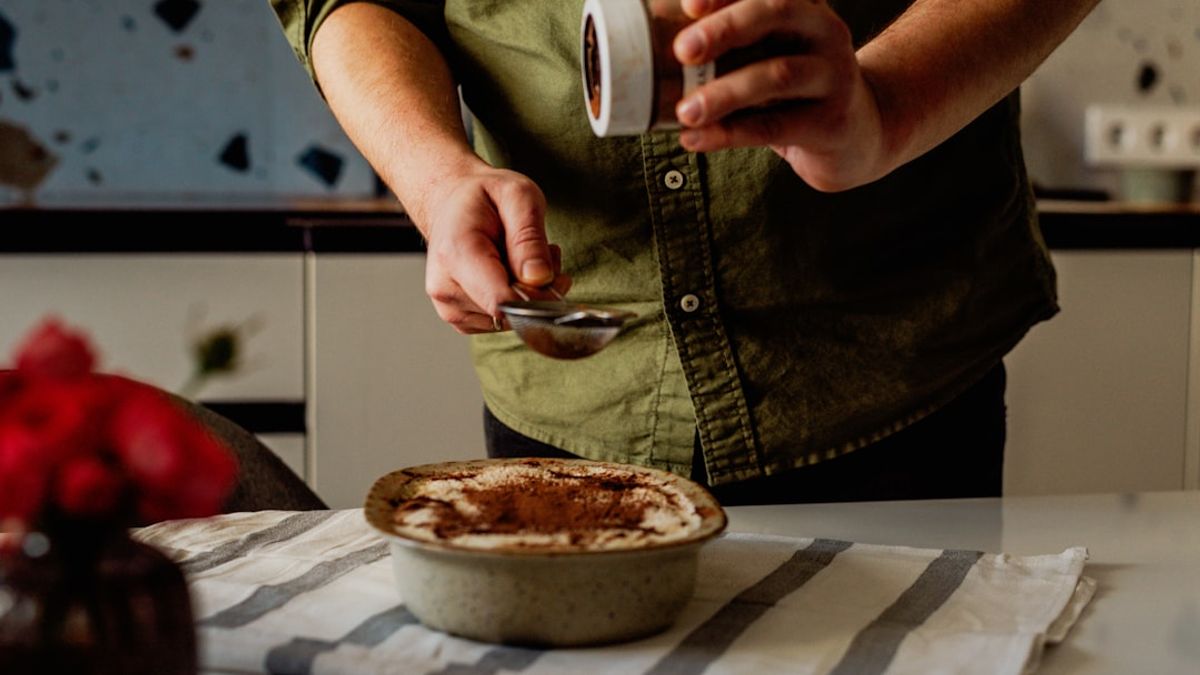
“I need American recipes for dinner that don’t take all night, but I also want them to feel like real food, not just freezer meals,” a friend told me as she flipped through her recipe binder. That tension—between speed and satisfaction—is where modern American dinner dishes live.
Most of the high-ranking sites, from HelloFresh’s American food recipes page to Food Network’s weeknight shows, solve this with a two-track approach: easy recipes for weeknights and slower, more elaborate dishes for weekends.
Weeknight-Friendly American Dinner Dishes
On busy evenings, the goal is minimal prep, familiar flavors, and easy cleanup. Strong candidates include:
- Skillet cheeseburgers with a side salad or oven fries.
- Sheet-pan barbecue chicken with potatoes and green beans.
- One-pot chili using ground beef or turkey, beans, and pantry spices.
- Chicken fajitas (Tex-Mex but firmly embedded in American home cooking) cooked on a sheet pan.
- Baked mac and cheese with steamed broccoli on the side.
These dishes rely on techniques home cooks already know—browning, roasting, simmering—and ingredients available in any U.S. supermarket. They are also endlessly adaptable: swap proteins, change vegetables, adjust spice levels.
Weekend and Project Cooking
On weekends or holidays, American recipes stretch out. Think of:
- Texas-style beef brisket smoked low and slow, inspired by Taste of Home’s regional roundup.
- Southern fried chicken with buttermilk brine and a carefully seasoned flour dredge.
- New England clam chowder with salt pork, potatoes, and fresh clams.
- Homemade deep-dish pizza with a slow-rise dough.
These are not 30-minute meals. They are the recipes you plan a day or two ahead, often for guests. In an American recipes cookbook, I would clearly label these as “Weekend Projects” to set expectations and help readers design their own cooking rhythm across the week.
Baking: Why Desserts and Breads Carry So Much Cultural Weight
“If you can bake a good pie and a decent pan of cornbread, you’ll never be unwelcome at a potluck,” an older neighbor once told me, handing over a family recipe card. That advice reflects how central baking is to American recipes, especially in community settings.
Looking across Taste of Home, BBC Good Food, and Food Network, certain baked goods recur so often that they effectively define American recipes baking:
- Pies: Apple, pumpkin, pecan, key lime, and cherry pies dominate holiday and summer dessert tables.
- Cookies and bars: Chocolate chip cookies, brownies, blondies, and peanut butter cookies appear in nearly every American dessert roundup.
- Cakes: Red velvet cake, carrot cake, and classic layer cakes with buttercream frosting are staples of birthdays and celebrations.
- Breads: Cornbread, biscuits, and quick breads like banana bread bridge savory and sweet, breakfast and dinner.
From a practical standpoint, these recipes are often more forgiving than European pastry traditions. Many classic American desserts rely on oil or melted butter, simple creaming methods, and baking powder or soda for lift. That makes them appealing for beginners and for home cooks abroad who may not have access to specialized equipment.
Health and Ingredient Considerations in American Baking
As baking-heavy as American recipes can be, many cooks now look for ways to moderate sugar and fat without compromising texture. Guidance from resources like the Mayo Clinic suggests that swapping part of the refined flour for whole-grain flours and reducing sugar slightly in cakes and cookies may help align desserts with broader dietary goals, while still keeping them enjoyable. In my experience, American baking adapts well to these tweaks because the base formulas are robust.
For anyone crafting content, including a few lighter variations—such as whole-wheat banana bread or reduced-sugar brownies—alongside traditional versions can broaden your audience without alienating purists. Just be clear that these are adaptations inspired by, not replacements for, the originals.
Traditional American Recipes and the Stories They Carry
Every traditional American recipe has a backstory. Some, like buffalo wings, can be traced to a specific bar in Buffalo, New York. Others, like gumbo and jambalaya, reflect centuries of cultural layering in Louisiana, where African, French, Spanish, and Indigenous influences converge. When CookUnity and Food Network highlight these dishes as “classic,” they are also acknowledging those histories.
From a content perspective, traditional American recipes fall into a few broad clusters that help readers understand the cuisine’s roots.
Indigenous and Early American Influences
Cornbread, succotash, and dishes featuring squash and beans reflect Indigenous agricultural traditions that predate the United States. Many American recipes for dinner that seem “simple” today—like cornbread with beans and greens—have deep historical roots. Including even brief context in recipes (for example, noting that corn was a staple crop for many Native American nations) adds depth and respect.
Southern and Soul Food Traditions
Fried chicken, collard greens, black-eyed peas, cornbread, and sweet potato pie are central to Southern and African American foodways. Analysts and food historians often point out that these dishes grew out of resourcefulness and resilience under enslavement and segregation. When platforms like Food Network spotlight Southern fried chicken or mac and cheese as classic American recipes, they are also, implicitly, highlighting Black culinary innovation.
Immigrant Adaptations
Italian-American spaghetti and meatballs, Jewish-American bagels with lox, Tex-Mex enchiladas, and Chinese-American dishes like chop suey illustrate how immigrant communities shaped American recipes. Many of these dishes do not exist in the same form in their countries of origin; they are uniquely American evolutions. For readers asking “What are some actual American dishes?” these hybrid creations are part of the answer.
By framing traditional American recipes within these clusters, you help readers see beyond the plate. You also make it easier to design a balanced menu or cookbook chapter that honors multiple roots rather than presenting “American” as a monolith.
Designing Your Own “Best American Recipes” Collection
After analyzing the top-ranking pages and seeing what real cooks request, a pattern emerges: the best American recipes collections are not random piles of dishes. They are curated with intention around occasions, skill levels, and regional representation.
If you want to build your own collection—whether as a digital folder, a printed booklet, or a blog series—here’s a simple framework that reflects what works in the SERP leaders:
1. Anchor Each Section to a Real-Life Moment
- Weeknight dinners: Chili, sheet-pan chicken, skillet burgers, tacos.
- Weekend and entertaining: Brisket, ribs, fried chicken, lasagna.
- Breakfast and brunch: Pancakes, biscuits and gravy, breakfast casseroles.
- Baking and desserts: Cookies, brownies, pies, quick breads.
This mirrors the structure used by brands like HelloFresh and Food Network, who know that “American recipes for dinner” is one of the highest-intent search categories.
2. Make Sure Every Region Has a Voice
Borrow a page from Taste of Home’s “93 Most American Recipes Ever” and ensure you have at least one or two dishes from each major region:
- Northeast: Clam chowder, lobster rolls, New York cheesecake.
- South: Fried chicken, biscuits, gumbo, shrimp and grits.
- Midwest: Hotdish/casserole, butter-basted burgers, chili.
- West and Southwest: Tacos, burrito bowls, tri-tip, green chile stew.
This not only makes your collection more representative; it also keeps readers engaged as they move through different flavor profiles.
3. Balance Easy Wins with Skill Builders
Every chapter should blend easy recipes with a few more challenging projects. For example:
- Pair one-bowl brownies with layered red velvet cake.
- Offer a simple skillet chili alongside a slow-cooked Texas brisket.
- Include no-knead sandwich bread next to buttermilk biscuits that require more attention.
This gradual ramp-up is how CookUnity structures its “classic American recipes” list, and it helps cooks grow without feeling overwhelmed.
| Dish | Typical serving | Calories | Protein (g) | Approx. prep time | Estimated monthly household consumption (%) |
|---|---|---|---|---|---|
| Burger with fries | 1 burger + 150 g fries | ~900 kcal | ~35 g | ~25 min | ~42% |
| Southern fried chicken | 3 pieces (drum+thigh) | ~700 kcal | ~45 g | ~50 min | ~28% |
| Macaroni and cheese | 1 cup baked | ~450 kcal | ~18 g | ~35 min | ~36% |
| Apple pie | 1 slice (1/8 pie) | ~320 kcal | ~3 g | ~70 min | ~24% |
| Chocolate chip cookies | 2 medium cookies | ~200 kcal | ~2 g | ~30 min | ~48% |
Lucas is a trained chef with 15 years of professional kitchen experience focusing on essential culinary techniques for home cooks. He provides clear, step-by-step guides and tips to elevate cooking precision and efficiency at home. His background includes fine dining and culinary education.