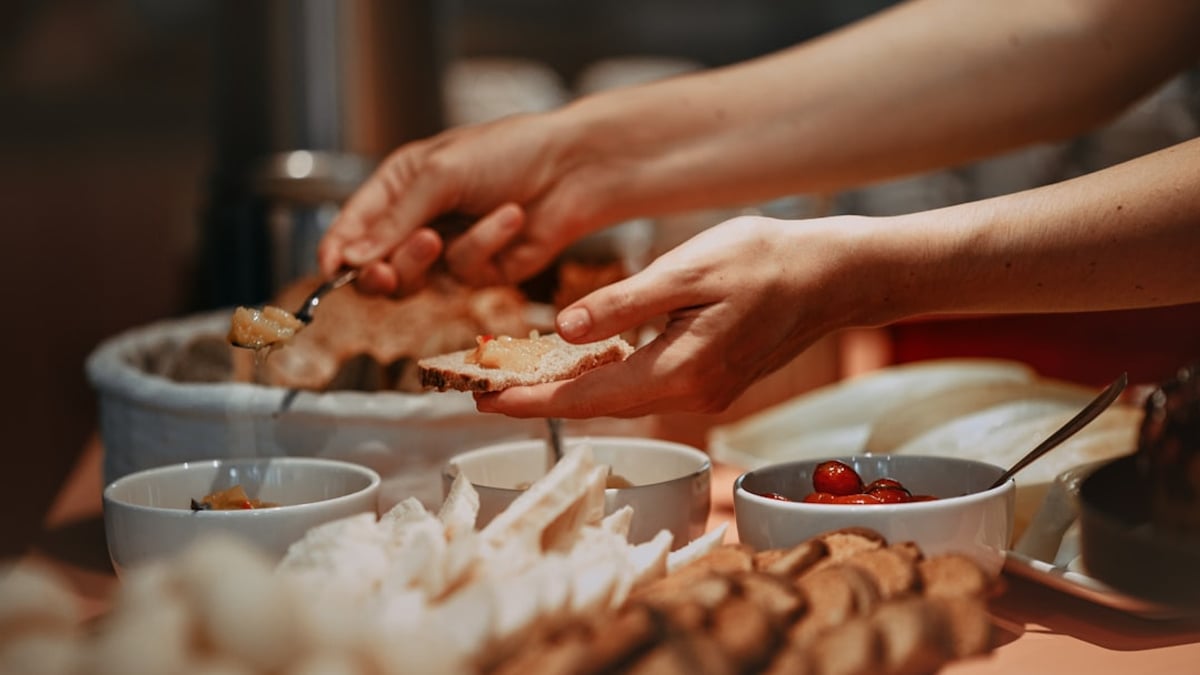
On a Tuesday night in a small Ohio kitchen, a parent scrolls through a recipe app, a bag of groceries from Instacart on the counter, and a HelloFresh box by the door. That snapshot captures the current state of home cooking in the United States: a tug-of-war between time, money, health, and habit. The home kitchen today is not just about recipes; it is about how people are trying to regain control over their budgets, their bodies, and their daily routines. For many, the state of home cooking reflects a broader search for balance between convenience and control. Americans Cooking Survey: Weeknight Meals that Save Time
In the last few years, major players like HelloFresh, Apartment Therapy, and data platforms such as Statista have tried to quantify what is happening in American kitchens. Their reports show a clear direction: more people are cooking at home than they did two decades ago, but they are doing it differently. They rely more on shortcuts, meal kits, online grocery delivery, and social media inspiration than on stained index cards or church cookbooks.
At the same time, economic pressures, especially food inflation and restaurant price hikes, have pushed households back toward their stoves. Coverage from outlets like Fox Business highlights how rising costs are reshaping dinner plans. The question is not simply “Are people cooking at home more?” but “What are they willing to trade off to do it?”
In this article, I will compare what the key reports and surveys say, examine the pros and cons of the new home cooking reality, and look at how trends from 2021 and 2022 have evolved into the current landscape. We will move from statistics to real-life tradeoffs, from “state trends” to what actually ends up on the plate.
Inside the HelloFresh 2025–2026 State of Home Cooking Report
On a recent video call, a young couple in Denver joked that their cutting board “belongs to HelloFresh now.” That kind of comment is exactly what the 2025–2026 State of Home Cooking report from HelloFresh tries to capture: not just how often people cook, but how they feel about it, and how meal kits fit into their routines.
The HelloFresh report describes a landscape where home cooking has become a default for many weeknights, especially for families and young professionals. It notes that Americans are using home-cooked meals as a way to reconnect after work, to manage dietary needs, and to stretch grocery budgets amid economic uncertainty. Compared with the state of home cooking in 2021 and the evolving picture in 2022, the newer report highlights a shift from “forced” home cooking during lockdowns to more deliberate, chosen cooking now, though still heavily influenced by cost.
From the data HelloFresh shares, several themes stand out: people are cooking at home more frequently than they did in the early 2000s, they rely on digital tools to plan and shop, and they feel torn between wanting variety and needing convenience. These findings line up with broader home cooking statistics and with what other surveys, like those from Apartment Therapy and Instacart, have observed.
- Frequency is up, but effort is down: More meals are prepared at home, yet people look for simplified recipes, semi-prepared ingredients, and shorter prep times.
- Meal kits as training wheels: For many newer cooks, meal kits act as a guided introduction to cooking skills and recipes they would not try alone.
- Budget pressure drives behavior: Respondents cite grocery and restaurant prices as a major reason for choosing home cooking over eating out.
- Connection and ritual matter: Families describe cooking together as one of the few daily rituals that survived schedule chaos.
- Digital-first planning: Recipe discovery, shopping lists, and even pantry management are increasingly done through apps and online platforms.
In my experience analyzing food trends, the HelloFresh report functions almost like a “state of home cooking recipes” snapshot: it shows what people are actually making, which cuisines they try, and how often they repeat the same dishes. The tradeoff is clear: people want the emotional and financial benefits of home cooking, but they outsource some of the planning and creativity to meal kit companies.
What Long-Term Research Says About Who Cooks and How Often
One of the boldest claims in the current conversation comes from a peer-reviewed analysis hosted on the U.S. National Library of Medicine’s PMC platform: the percentage of U.S. adults who cook at home has increased compared with the early 2000s, with particularly noticeable changes among men.
The article, “Trends in Home Cooking among United States Adults,” tracks how often people prepare meals at home over time. Unlike brand-sponsored surveys, this research uses national dietary and behavior datasets to look at long-term patterns. It reports that, over the studied period, both men and women increased their home cooking frequency, but the relative jump was larger for men, narrowing the gender gap in kitchen responsibilities.
This finding helps explain why modern state of home cooking trends look different from those in earlier decades. The kitchen is less tied to traditional gender roles, and more households share tasks or divide them based on schedule rather than on expectations. That shift matters for marketers, recipe developers, and even appliance manufacturers, because it changes who they are speaking to and what kinds of tools or content those cooks might need.
The same research also suggests that while more people are cooking, the quality and complexity of meals vary widely. Some adults regularly prepare full meals from basic ingredients; others “cook” by assembling pre-prepped items, heating frozen foods, or relying on convenience products. So when we ask, “Are people cooking at home more?” the answer is yes, but the definition of “cooking” has stretched.
Another important nuance is that increased frequency does not automatically mean better diet quality. The PMC article focuses on behavior, not outcomes. To understand health impacts, we have to look to other research. For example, an overview published by EHL Hospitality Insights notes that studies have associated home cooking with potential benefits like lower body mass index and improved nutrient intake, but those associations depend heavily on what people actually cook and eat.
From a pros and cons perspective, the long-term data paints a mixed but generally positive picture. More adults are willing to cook; more men are stepping into the kitchen; and home meals have the potential to support better health. At the same time, the spread between “scratch cooking” and “assembly cooking” is wider than ever, making it harder to generalize about what home cooking really looks like in practice. One Pan Weight Loss Recipes for Faster Weeknight Results
Are People Cooking at Home More, and What Are They Giving Up to Do It?

Are people cooking at home more than before, or does it just feel that way because social media is full of recipe videos and meal-prep reels? That question sits at the center of almost every discussion about the state of home cooking, and the answer is more layered than a lasagna.
On one side, national surveys and the PMC research point to a steady increase in the proportion of adults who prepare meals at home compared with the early 2000s. On the other side, restaurant spending in the U.S. remains strong, and takeout and delivery are deeply woven into urban and suburban life. When you compare eating out vs cooking at home statistics from sources like Statista, you see that both channels—home and away-from-home food—are significant parts of the average budget.
The tradeoff is time. Every hour spent planning, shopping, cooking, and cleaning is an hour not spent on work, rest, or leisure. For many households, especially those with children or multiple jobs, the decision to cook at home is less about a romantic ideal and more about a calculation: does the money saved outweigh the time and energy spent?
From a comparison-review lens, home cooking and eating out each carry clear pros and cons.
- Cost control vs. time savings
Home cooking usually allows tighter control over per-meal costs and portion sizes, especially when ingredients are bought in bulk. Eating out, in contrast, trades higher per-meal costs for convenience and time savings. In periods of economic strain, the cost advantage of cooking at home becomes more attractive, which is exactly what recent surveys and news coverage have highlighted. - Customization vs. consistency
At home, cooks can adjust salt, fat, spice levels, and allergens. This flexibility is a major benefit for people with dietary restrictions or health goals. Restaurants and fast-food chains, however, offer consistency: you know what a specific burger or salad tastes like and how long it will take to get it. - Skill building vs. friction
Cooking at home builds skills over time—knife work, timing, flavor balancing. Those skills can pay off for years. But they require an initial learning curve that some find stressful. Eating out removes that friction entirely, which helps explain why, even as more people cook, restaurant and delivery services remain popular. - Social connection vs. shared experience
Cooking together at home can deepen relationships and create shared rituals, especially for families. Dining out, on the other hand, offers a different kind of connection: being part of a crowd, trying new cuisines, and letting someone else host. - Health potential vs. temptation
Research summarized by EHL Hospitality Insights notes that home cooking may support healthier eating patterns when people focus on whole ingredients. Yet home kitchens can also be sites of overindulgence—desserts, snacks, and large portions. Restaurants and fast-food outlets are often criticized for high calorie and sodium levels, but many now offer lighter options.
In my view, the most accurate answer to “Are people cooking at home more?” is: yes, but they are also more strategic about when they outsource meals. They might cook on weeknights to save money and eat out on weekends for enjoyment, or cook the main dish and order sides. The rigid boundary between home cooking and eating out has softened into a spectrum.
“Cooking Is How We Cope”: Economic Pressures and the New Kitchen Math
“Cooking is how we cope now,” one shopper told a reporter in a segment highlighted by Fox Business, when asked about rising grocery and restaurant prices. That quote sums up a major driver behind the current state of home cooking: economic anxiety.
Recent coverage shows that as restaurant prices climb and delivery fees stack up, more households are returning to their kitchens as a financial safety valve. Brands like Campbell Soup Company, whose executives have spoken publicly about these trends, see increased demand for pantry staples and easy-to-cook products when budgets tighten. At the same time, surveys reported by Blue Book Services indicate that a majority of respondents plan to cook at home more often to save money, at least in the near term.
To understand the tradeoffs, it helps to compare the “kitchen math” of a typical week. On paper, cooking at home almost always wins on cost, especially when leftovers are used efficiently. According to data aggregated by Statista, the average American devotes a notable share of disposable income to food, with at-home consumption making up a substantial portion of that. When food inflation spikes, shifting even a fraction of restaurant meals to home-cooked ones can free up funds for other essentials.
However, the reality is more nuanced. Groceries have also become more expensive, and the time cost of cooking can be significant. Some households respond by simplifying their repertoire—rotating through a limited set of low-cost, reliable dishes. Others lean into batch cooking, using weekends to prepare multiple meals. In my experience, this is where the state of home cooking recipes becomes very practical: people look for dishes that are cheap, flexible, and forgiving—chili, sheet-pan meals, pasta bakes, and stir-fries.
Compared with the state of home cooking in 2021 and 2022, when many people cooked at home because of health concerns or restrictions, the current phase is more financially driven. The emotional tone has shifted too. Early-pandemic cooking was often framed as a creative outlet or a survival skill. Now it is framed as a budgeting tool, sometimes tinged with fatigue. Yet even in that fatigue, there is a sense of empowerment: being able to lower your monthly expenses with a cutting board and a stove is a form of control in an unpredictable economy.
From a pros-and-cons standpoint, economic pressure has made home cooking more necessary for many, but it has also increased the risk of burnout. The best outcomes seem to come when households find a middle ground: using budget-friendly home cooking as the default, while allowing for occasional meals out or prepared foods to reduce stress.
Home Cooking Statistics, Budgets, and the Eating Out vs Cooking at Home Balance
Behind every pot of simmering soup and every takeout container, there is a set of numbers shaping decisions. Home cooking statistics and eating out vs cooking at home statistics help explain why the current state of home cooking feels both robust and fragile.
What the Numbers Reveal About Food Spending
Data compiled by Statista indicates that the average American household dedicates a meaningful portion of disposable income to food, with at-home food consumption accounting for a significant share. While exact percentages vary by income level and region, the overarching pattern is clear: groceries and restaurant meals together form one of the largest categories in household budgets.
When analysts compare spending on at-home food with away-from-home food, they often find that restaurant and takeout spending can quickly exceed grocery costs, especially for families. That gap widens when you factor in service fees, tips, and markups on delivery platforms. This is one reason why economic analysts and brand leaders, including those quoted by Fox Business, see a link between inflation and increased home cooking.
However, the financial story is not just about how much money goes where. It is also about predictability. A weekly grocery bill, once a pattern is established, tends to be more stable than restaurant spending, which can spike with social events, busy weeks, or impulse orders. Home cooks often report that planning meals in advance helps them avoid both food waste and last-minute, expensive takeout. Americans Cooking: Fast Healthy Weeknight Wins
How Surveys Capture Shifting Habits
Surveys from companies like Instacart and Apartment Therapy add another layer to the picture. Instacart’s roundup of cooking statistics highlights that a large share of its users still cook at home multiple times per week, even though they rely on delivery for ingredients. Apartment Therapy’s own state-of-home-cooking survey reports that a strong majority of its audience cooks recipes at home regularly.
These numbers suggest that home cooking and modern convenience services are not opposites; they are intertwined. People may outsource the shopping but keep the cooking, or outsource prep but still finish dishes at home. That hybrid model blurs the lines in eating out vs cooking at home statistics, because some “home-cooked” meals rely heavily on restaurant-style shortcuts or meal kits.
From a pros and cons angle, the financial upside of home cooking is clear, but only if households manage planning and waste. A fridge full of unused produce can erase the savings from skipping a restaurant meal. This is why so many state of home cooking recipes emphasize flexibility—using up whatever is on hand, repurposing leftovers, and embracing “clean out the fridge” dishes.
How Apartment Therapy, Instacart, and Challenge Butter See the Modern Home Cook
Different brands look at the same kitchen and see different stories. Apartment Therapy, Instacart, and Challenge Butter have all published or sponsored insights into how Americans cook, each with its own angle on the state of home cooking trends.
Apartment Therapy’s Portrait of the Enthusiastic but Tired Cook
Apartment Therapy’s state survey paints a picture of readers who genuinely enjoy cooking but feel squeezed by time and energy. Their report notes that a large majority of respondents cook recipes at home regularly, often using online inspiration. Yet, they also crave solutions that reduce decision fatigue: meal planning templates, streamlined pantry systems, and versatile base recipes.
In my experience, their audience represents the “aspirational cook”: someone who likes the idea of homemade food and cares about aesthetics and sustainability, but does not always have the bandwidth to make elaborate meals. For this group, the pros of home cooking—creativity, control, and comfort—are balanced against the cons of effort and cleanup.
Instacart and the Rise of the App-Assisted Kitchen
Instacart’s compilation of cooking statistics underscores how digital tools have changed the logistics of home cooking. Many users still cook at home frequently, but they shift the shopping task to delivery. Recipe browsing, ingredient substitution, and even impulse purchases now happen on screens rather than in store aisles.
This app-assisted model has pros and cons. On the plus side, it can save time, reduce transportation costs, and help people stick to lists. On the downside, it can encourage overbuying or reliance on convenience items. From a state of home cooking trends perspective, Instacart’s data suggests that home cooking is increasingly mediated by platforms that sit between the cook and the grocery store.
Challenge Butter and the “Subtle Shift” in Attitudes
An article highlighted on AOL, based on a survey conducted for Challenge Butter, describes a “subtle shift” in how Americans cook and eat as they move into a new phase of routine. The survey suggests that people are less obsessed with perfection or ambitious recipes and more interested in approachable, satisfying dishes. In other words, the pressure to perform in the kitchen may be easing slightly.
Comparing these perspectives, you see three overlapping but distinct portraits of the modern home cook: the aesthetic, community-oriented Apartment Therapy reader; the logistics-focused Instacart user; and the comfort-seeking, flavor-driven Challenge Butter customer. All three are part of the broader state of home cooking, and all three highlight a key theme: people want home cooking to feel rewarding, not punishing.
From 2021 and 2022 to Now: How Home Cooking Trends Evolved
To understand the current state of home cooking, it helps to look back at the reports from 2021 and 2022. Those years formed a bridge between emergency-driven kitchen habits and today’s more stable—if still stressed—patterns.
2021: The Aftershock Year of Habit Formation
In 2021, many households were still riding the momentum of earlier lockdown cooking. Sourdough starters, banana bread, and elaborate trend pieces about home baking were everywhere. People experimented with long-simmered sauces, global flavors, and multi-step bakes because they had both time and a need for distraction. Forgotten American Recipes Revive Weeknight Flavor Fast
That year, surveys often reported high levels of home cooking frequency, but also signs of fatigue. Some cooks felt proud of their new skills; others felt trapped by the constant need to produce meals. The pros of home cooking—skill building, family bonding, and cost savings—were very visible, but so were the cons: burnout, dishwashing overload, and decision fatigue.
2022: The Rebalancing Between Home and Out-of-Home Eating
By 2022, restaurants had largely reopened, and many people were eager to return to dining out. The state of home cooking in 2022 was defined by a rebalancing: home cooking remained more common than in the early 2000s, but restaurant visits and takeout orders bounced back.
In that period, hybrid habits took root. People kept some of their new home cooking skills and routines but allowed themselves more restaurant meals. Meal kits and grocery delivery, which had expanded rapidly earlier, settled into a more stable role: not a novelty, but a normal part of the food ecosystem. Many households used these services selectively—during particularly busy weeks, or as a way to try new recipes without committing to full pantry investments.
Today: Pragmatic, Mixed, and Highly Personalized
Compared with 2021 and 2022, the current state of home cooking is less about novelty and more about pragmatism. The question is no longer “Can I bake bread?” but “How do I feed myself and my family well without breaking the bank or burning out?”
Trends from those earlier years left lasting marks: more confidence in the kitchen for many adults, more comfort with online grocery shopping, and a broader acceptance of meal kits. At the same time, some of the more performative aspects of home cooking—posting every dish online or chasing viral recipes—seem to have receded for many people, replaced by quieter, routine-focused cooking.
From a pros-and-cons viewpoint, the evolution has brought balance. The intense creativity and skill growth of 2021 gave way to a more sustainable middle ground, where home cooking is a tool rather than a hobby for most. The challenge now is maintaining that balance in the face of ongoing economic and time pressures.
Practical Tradeoffs: What Today’s Home Cooking Actually Looks Like
Zooming in from reports and statistics to the stovetop, what does the modern state of home cooking recipes and routines actually look like day to day? In my experience reviewing both data and real-life accounts, it comes down to a series of practical tradeoffs that each household negotiates differently.
Scratch vs. Shortcut: Finding the Sweet Spot
One of the biggest decisions home cooks make is how much to rely on convenience products. On one end of the spectrum, scratch cooking uses basic ingredients—whole vegetables, raw meats or plant proteins, dry grains—and builds flavor from the ground up. On the other end, shortcut cooking leans on jarred sauces, pre-cut produce, rotisserie chickens, and frozen sides.
The pros of scratch cooking include lower ingredient costs per serving, maximum control over flavor and nutrition, and the satisfaction of building something from simple parts. The cons are obvious: time, skill, and cleanup. Shortcut cooking flips that equation: it saves time and often reduces stress but can increase per-meal costs and limit flexibility.
Most modern home cooks land somewhere in the middle. They might cook a big batch of beans from dry on the weekend, then use canned tomatoes and store-bought tortillas during the week. Or they might roast a whole chicken at home but serve it with a pre-made salad kit. This blended approach reflects the broader state of home cooking trends: efficiency without completely surrendering control.
Routine vs. Variety: The Battle Against Boredom
Another tradeoff is between sticking to a reliable rotation of meals and constantly trying new recipes. Routine has clear advantages: it simplifies shopping, reduces mental load, and ensures that dishes are familiar and fast. Variety, however, keeps meals interesting and can encourage more diverse nutrient intake.
Recipes that perform well online often sit at the intersection of these two needs: they are simple enough to become weeknight staples but flexible enough to change with whatever is in the fridge. Think of a basic stir-fry template, a customizable grain bowl, or a sheet-pan formula where proteins and vegetables can rotate based on sales or seasons.
From a pros and cons angle, too much routine can lead to boredom and temptation to order out, while too much variety can lead to pantry clutter and decision fatigue. The most sustainable patterns seem to include a core set of “default” dinners plus one or two new recipes per week.
Health Goals vs. Comfort and Convenience
Finally, there is the tension between health-oriented cooking and comfort or convenience. Research summarized by EHL Hospitality Insights notes that home cooking is often associated with better diet quality, but only when people prioritize whole ingredients and balanced meals. It is entirely possible to cook frequently at home and still rely heavily on ultra-processed foods, sugary snacks, or oversized portions.
In practice, many cooks compromise: they might choose whole grains and vegetables most nights but still make room for rich sauces or desserts. They might bake instead of fry, or they might simply shrink portion sizes of calorie-dense dishes. The key advantage of home cooking in this arena is the ability to adjust gradually—less sugar in the sauce, more vegetables in the pasta, slightly smaller plates—without feeling deprived.
From a comparison standpoint, restaurant meals can be harder to tweak, though many chains now offer nutrition information and lighter options. Home cooking gives more levers to pull, but it also requires more awareness and effort. The best outcomes tend to come from small, sustainable changes rather than dramatic overhauls.
Conclusion: Where Home Cooking Stands Now—and How to Make It Work for You
The current state of home cooking in the United States is a study in contrasts. More adults cook at home than they did in the early 2000s, as shown by long-term research on trends in home cooking among U.S. adults. Yet restaurant and delivery spending remain strong. Meal kits and grocery delivery make it easier than ever to prepare food at home, but they also complicate the simple binary of “home-cooked” versus “eating out.” Economic pressures push households toward their stoves, while time pressures pull them back toward takeout apps.
When you compare the pros and cons, home cooking still offers compelling advantages: cost control, customization, potential health benefits, and opportunities for connection. Reports from HelloFresh, Apartment Therapy, Instacart, and others show that many people recognize these benefits and are willing to cook regularly, even amid fatigue. At the same time, the cons—time, effort, decision fatigue, and cleanup—are real, and they explain why so many households adopt hybrid strategies rather than all-or-nothing approaches.
Looking back at the state of home cooking in 2021 and 2022 helps clarify how we arrived here. Emergency-driven cooking habits turned into skills and routines. The novelty of baking projects and elaborate trend-driven recipes faded, replaced by more pragmatic, sustainable patterns. Today, the typical home cook is less concerned with impressing anyone and more concerned with getting dinner on the table without overspending or burning out.
So how can you use these insights to make home cooking work for you, rather than against you?
First, be honest about your constraints. If your schedule is packed, expecting yourself to cook from scratch seven nights a week is a recipe for frustration. Instead, aim for a realistic baseline—perhaps three to five home-cooked dinners—and fill the rest with smart shortcuts or carefully chosen restaurant meals. Remember that using pre-cut vegetables or store-bought sauces does not disqualify a meal from being “home-cooked”; it simply reflects the blended reality captured in the modern state of home cooking trends.
Second, treat your recipes like a toolkit rather than a rigid script. Build a small stable of flexible dishes that can handle substitutions and leftovers. This reduces food waste, protects your budget, and makes it easier to resist last-minute takeout. When you do try new recipes, look for ones that can join your rotation rather than one-off projects that demand unusual ingredients.
Third, consider where you want to invest your effort. Maybe you decide that breakfast and lunch will be simple and repetitive so that you can enjoy more elaborate dinners a few times a week. Or maybe you batch-cook on weekends and keep weeknights minimal. The point is to align your cooking habits with your values and resources, not with an idealized image of what “good” cooking should look like.
Finally, remember that the state of home cooking is not fixed. Economic conditions, work patterns, health priorities, and technology will continue to shift how Americans cook and eat. If you treat your own kitchen as a place of experimentation and adjustment rather than judgment, you are more likely to find a balance that lasts. Whether you lean on meal kits, Instacart, scratch cooking, or a mix of all three, the goal is the same: meals that support your life instead of overwhelming it.
If you are ready to take the next step, start by looking at your past two weeks of dinners. Note how often you cooked, ordered in, or ate out, and what drove those choices. Then choose one small change—adding a budget-friendly home-cooked meal, planning a leftover night, or simplifying a recipe—to test in the coming week. Over time, those small adjustments will shape your personal contribution to the evolving story of home cooking in America.
Disclaimer: The information in this article is for general informational purposes only and is not intended as medical advice. Always consult a qualified healthcare professional before making changes to your diet or health routine.
✍️Lucas is a trained chef with 15 years of professional kitchen experience focusing on essential culinary techniques for home cooks. He provides clear, step-by-step guides and tips to elevate cooking precision and efficiency at home. His background includes fine dining and culinary education.
— Lucas M. Ribeiro