New Survey on How Americans Cook 2026 Reveals Quiet Kitchen Revolution
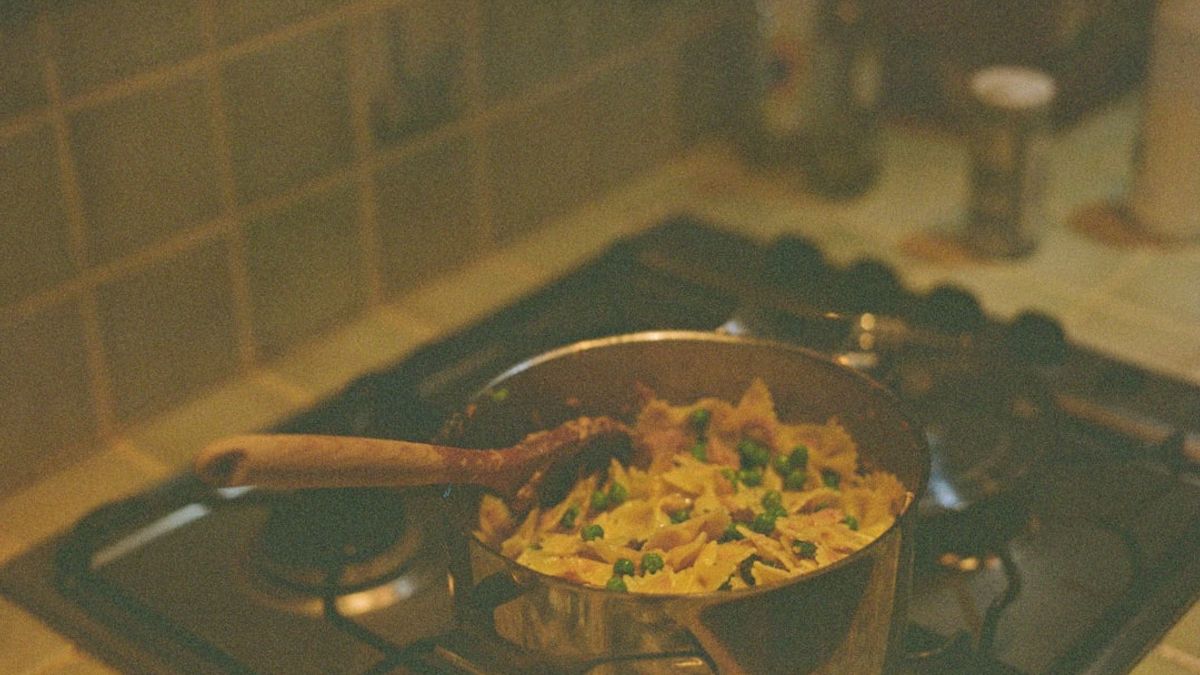
On a gray January evening in 2026, a Denver mom named Alicia looked at the clock, opened her fridge, and did something that neatly captures how Americans cook 2026: she ignored the dusty stack of diet cookbooks, pulled out butter, frozen veggies, and leftover roast chicken, and cooked a 20‑minute skillet meal purely because it sounded good. No macros, no guilt, no elaborate plating for social media — just dinner that felt comforting and doable. For more on this topic, see Budget Friendly Recipes That Stretch Your Grocery Budget.
That small choice mirrors a much bigger national shift. A recent survey highlighted by Tasting Table suggests Americans are reframing home cooking around joy, ease, and real ingredients instead of restriction and perfection. At the same time, coverage in AOL described updated dietary guidance that emphasizes whole foods, proteins, and healthy fats — framed in media coverage as an approach meant to fit real life rather than an idealized kitchen. In other words, how Americans cook 2026 is being reshaped by both emotional priorities and practical guidelines.
If you’re trying to understand this season by season — what people are actually making on weeknights, which tools they rely on, and why so many are setting specific cooking goals on Reddit and beyond — this is the story behind the trend. It’s not about flashy restaurant dishes. It’s about how everyday people are quietly redesigning their relationship with food at home, one pan and one new recipe at a time.
The Joy-First Mindset Starts in the Kitchen
One home cook from Portland described it perfectly in a comment thread: “I used to cook to impress other people. Now I cook to impress my future self.” Her story echoes through interviews, survey coverage, and social feeds: the drama in American kitchens isn’t about what’s on the plate as much as how people feel while they’re cooking it.
The survey highlighted by Tasting Table found that a noticeable share of respondents now describe cooking as a source of comfort and creativity rather than a chore. While estimates of exactly how many Americans cook at home vary by outlet, industry observers note that those who do are more likely to describe it in emotional terms — “relaxing,” “rewarding,” “my time” — than they did a few years ago.
That subtle mindset shift is reshaping recipes from the inside out. Instead of chasing “perfect” meals, people are chasing:
- Low-pressure dishes that tolerate substitutions and still taste good.
- Familiar flavors with small twists — like miso in mac and cheese, or gochujang in chili.
- Flexible portions that work for solo diners, couples, and families without complex math.
- Emotion-first planning, where the question is “What would feel good tonight?” not “What should I eat?”
- Micro-celebrations: lighting a candle, using the “good” plates, or putting on a favorite playlist even for an ordinary Tuesday dinner.
In my experience talking with home cooks, this joy-first approach doesn’t mean people have abandoned health. Instead, they’re rejecting shame-based rules. They might roast vegetables in butter instead of forcing themselves to eat a cold salad. They’ll bake a tray of cookies and freeze half the dough. The new rule is simple: if a way of eating makes you miserable, it’s not sustainable — and 2026 is the year many Americans are acting on that insight.
Whole Foods, Real Life: Guidelines Meet the Weeknight Rush
One public marker of how Americans cook 2026 came in January, when media coverage described updated dietary guidance that emphasizes whole foods, diverse proteins, and healthy fats over ultra-processed products. Coverage from AOL framed the change as a push toward realistic, real-life eating rather than rigid rules.
On paper, that sounds idealistic. In practice, it’s colliding with the reality of long workdays, rising grocery prices, and limited time. The 2025–2026 State of Home Cooking report from meal-kit company HelloFresh notes that many Americans are cooking at home roughly as often as they did a year ago, but they’re leaning harder on shortcuts and planning to make it work.
So what happens when whole-food guidance meets a Tuesday night traffic jam?
For many households, it looks like this: a sheet pan of chicken thighs and vegetables instead of breaded nuggets, instant rice instead of takeout, or a pot of beans simmered on Sunday that shows up in tacos, soups, and grain bowls all week. The frequency of cooking at home may not have changed dramatically, but the way those meals are built is quietly evolving.
Rather than obsessing over individual nutrients, people are asking more practical questions: Can I pronounce the ingredients on this label? Is there a way to swap one processed element for something fresher without adding an hour to my day? Is this “healthy recipe for 2026” something I’ll actually make twice, or just save on Pinterest?
Analysts who track home cooking point out that meal kits, grocery delivery, and prepared components (like pre-cut vegetables and marinated meats) are functioning as bridges between high-level guidance and everyday life. These services can allow cooks to center whole foods without starting from absolute scratch every night. In other words, the American kitchen in 2026 is less about purity and more about pragmatism — staying close to the spirit of guidance while still getting dinner on the table by 7 p.m.
What Are Americans Actually Cooking? From Bucket Lists to Tuesday Night
The Kitchn offered one snapshot by publishing the recipes its editors can’t wait to cook in 2026 — everything from Filipino beef short ribs adobo to elaborate baking projects. Meanwhile, Taste of Home released a 2026 food trends report that leans into comfort, global flavors, and smart shortcuts.
So how does that translate to the stove on an average night? Looking across recipe sites, social media, and home cooking reporting, a few patterns emerge in the best recipes 2026 home cooks keep returning to when we talk about how Americans cook 2026 in real life:
- One-pan and one-pot meals
Skillet lasagnas, sheet-pan fajitas, and Dutch oven stews dominate because cleanup is minimal and flavor payoff is high. Many of the most-saved “how Americans cook 2026” recipes combine protein, vegetables, and starch in a single vessel. - Global comfort foods
Dishes like adobo, ramen-inspired soups, birria-style tacos, and West African peanut stews appear on weeknight tables far from their origins. Home cooks are borrowing techniques — like toasting spices or blooming tomato paste — to build deeper flavor without restaurant-level effort. - Healthier nostalgia
Classic American comfort foods are being gently updated. Think baked mac and cheese with roasted cauliflower folded in, or meatloaf made with a mix of ground beef and lentils. The goal isn’t to hide vegetables; it’s to make them feel integral. - Breakfast-for-dinner and snack boards
Eggs, pancakes, and yogurt bowls show up in the evening, while “grazing boards” of cheese, nuts, fruits, and dips function as low-effort meals. These options reflect how Americans cook 2026 season by season when energy runs low but the desire for something satisfying stays high. - Slow-cooked weekends, fast weekdays
Many cooks tackle big projects — braises, breads, stocks — on weekends, then rely on leftovers, pre-portioned proteins, and big batches of sauce to power quick weeknight meals.
Put simply, new recipes in 2026 are less about viral stunts and more about repeatability. The dishes that stick are the ones people can imagine cooking again next month, not just photographing once. How Americans cook 2026 is increasingly defined by meals that are realistic to repeat. Related reading: American Home Cooking Classics Updated For Faster Flavor.
Story Spotlight: What a National Report Shows About Everyday Cooking
Context: The 2025–2026 State of Home Cooking report from HelloFresh, cited earlier in this piece, provides a useful real-world snapshot of how Americans are translating big ideas (joy-first cooking, whole-food nudges) into practical behavior in the kitchen.
Factual findings: The HelloFresh report documents that while the overall frequency of cooking at home has remained broadly stable year-over-year, many respondents report relying more on planning and semi-prepared components to make whole-food meals happen on busy weeknights. That includes greater use of meal kits, grocery delivery, pre-cut produce, and batch-cooked components such as grains and sauces that can be recombined through the week. The report frames these behaviors as pragmatic adaptations that allow people to center fresher ingredients without adding time to their evenings.
Why it matters: This case study from a national meal-kit company helps explain a central tension in 2026 cooking trends: a public appetite for simpler, more joyful home cooking combined with real constraints like time and rising food costs. According to HelloFresh, many cooks are meeting that tension by designing workflows — planning, batching, and selectively using convenience products — that align with guidance and everyday life.
Source: HelloFresh, “State of Home Cooking” report (2025–2026), hellofresh.com.
“I Want to Waste Less and Learn More”: What Reddit Reveals About Kitchen Goals
“This year I just want to stop throwing out slimy herbs and half a bag of spinach,” one user wrote in the popular thread “What’s your cooking goal for 2026?” on r/Cooking. Another replied, “I want to finally learn how to season properly so I stop relying on bottled sauces.”
Those comments offer a raw, unfiltered window into how Americans cook 2026 Reddit-style: aspirational but grounded, curious but practical. Unlike polished magazine spreads, Reddit threads reveal the small frustrations and ambitions that shape what people actually do at the stove.
Reading through many responses, a few themes surface, and they align with broader home cooking reporting and trend reports.
Skill-building over recipe-hoarding
Many Redditors say they’re tired of saving recipes they never make. Instead, they want to master techniques: knife skills, sautéing without burning garlic, making pan sauces, or baking bread with consistent results. This shift from “what should I cook?” to “how can I cook better?” is a quiet but important part of how Americans cook 2026. Explore this further in Swavory Swangy Food Trends: Reinvent Weeknight Cooking.
As home cooks focus on fundamentals, they become less dependent on exact instructions. That confidence makes it easier to adapt to what’s on sale, what’s in season, or what’s left in the fridge — which in turn supports goals like reducing food waste and cooking more at home.
Waste reduction and budget awareness
Rising grocery bills show up in post after post. People talk about planning meals around pantry staples, freezing leftovers, and learning how to revive “sad” vegetables. They swap tips on turning carrot tops into pesto, chicken bones into broth, and stale bread into croutons or bread crumbs.
These habits may not dramatically change how often people cook at home overall, but they do change how those meals are built. A pot of soup becomes a vehicle for odds and ends; a frittata becomes a strategy for using up roasted vegetables. In effect, reading Reddit threads reveals people turning frugality into a creative challenge rather than a burden.
Health, but without self-punishment
Plenty of users mention wanting to eat “healthier recipes for 2026,” but the tone is noticeably different from older diet-culture threads. Instead of extreme restrictions, people talk about cooking more from scratch, cutting back on ultra-processed snacks, and finding satisfying ways to eat more plants and protein.
When they share progress, it’s often about energy, mood, and confidence in the kitchen rather than numbers on a scale. That mirrors a broader cultural move toward viewing home cooking as a long-term investment in well-being, not a short-term fix.
Season by Season Across the Calendar
If you zoom out from individual kitchens and Reddit threads, another pattern appears: how Americans cook 2026 season by season is becoming more intentional. Instead of treating every month the same, many cooks are leaning into seasonal rhythms that make the most of produce, weather, and energy levels.
Winter: Simmering, stocking, and comfort layers
In January and February, kitchens across colder states hum with slow cookers, Dutch ovens, and pressure cookers. People batch-cook beans, stews, and braises, often inspired by the quieter flavor profiles food forecasters described in The New York Times preview of 2026 food trends.
This is also prime time for skill-building: baking bread, learning to make stock, or finally tackling a project recipe from a favorite cookbook. New recipes in winter tend to be hearty but streamlined — think chicken stew with dumplings that uses store-bought broth, or vegetable curries built on a jarred paste plus fresh aromatics. For practical tips, check Weeknight Cookbook Recipes: 10 Fast Dinners Under 30 Mins.
Spring: Lighter plates, quick sautés, and fresh herbs
As days lengthen, cooks pivot to faster, brighter meals. Salads become main courses, but they’re more substantial than the lettuce-and-tomato plates of the past: grains, beans, grilled chicken, and marinated tofu all show up in big bowls. Herbs like cilantro, basil, and dill play starring roles, often chopped into sauces and dressings rather than sprinkled on top as an afterthought.
Home cooks talk about feeling a renewed desire to experiment — maybe with a new vegetable from the farmers market or a different way to cook fish. How Americans cook 2026 season by season often starts with a simple spring question: “What’s fresh and how can I make it satisfying?”
Summer: Grill, chill, and “no-recipe” cooking
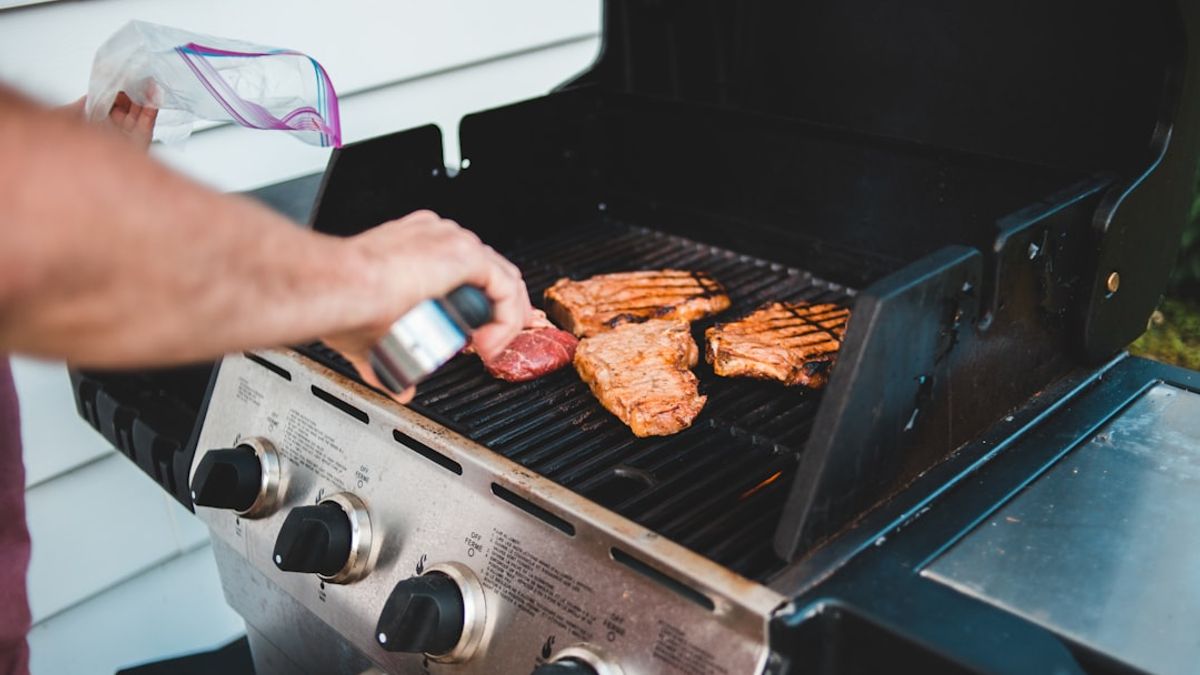
Summer cooking leans heavily on the grill, but not just for burgers and hot dogs. People are grilling romaine, stone fruit, halloumi, and tofu, often marinated in yogurt or miso. Cold noodle salads, ceviche-style dishes, and fruit-forward desserts dominate social feeds.
This is peak “no-recipe” season. Once you know how to balance acid, salt, fat, and sweetness, you can throw together a tomato salad, a quick salsa, or a grilled vegetable platter with whatever looks best. That’s where the skill-building goals from Reddit threads really pay off.
Fall: Batch-cooking and back-to-school structure
As school resumes and work ramps up, many households return to stricter routines. Sunday becomes batch-cooking day again; freezers fill with soups, chilis, and casseroles. Pumpkin and squash appear everywhere, but often in savory dishes with global influences: kabocha curry, roasted squash tacos, or pumpkin miso soup.
Here, seasonal cooking in 2026 dovetails with the best recipes highlighted in trend reports: cozy, flexible, and easy to reheat. Fall is also when many people reassess their year’s cooking goals, deciding which habits stuck and which need a reset before the holidays.
From Trend Reports to Your Stove: Turning 2026 Insights into Everyday Cooking
For all the talk of trends, surveys, and guidance, the most important question is simple: what can you actually do with this knowledge in your own kitchen?
Borrow the “joy-first” filter
Instead of asking, “Is this the healthiest possible meal?” start by asking, “Will I enjoy cooking and eating this enough to do it again?” That filter is at the core of how Americans cook 2026 in a sustainable way. If a recipe feels like punishment, it won’t become part of your life.
Try this practical exercise: the next time you scroll through new recipes on a site like Taste of Home or browse inspiration from The Kitchn, only save dishes you can realistically imagine making on a weeknight. Look for short ingredient lists, familiar techniques, and flavors you already love.
Think in building blocks, not individual meals
Many of the most successful home cooks in 2026 plan around components rather than fully scripted menus. They cook:
- A big pot of grains (rice, farro, quinoa)
- One or two proteins (roasted chicken, marinated tofu, beans)
- A tray of roasted vegetables
- One versatile sauce (yogurt-herb, tahini-lemon, salsa verde)
Those pieces can be recombined into grain bowls, tacos, salads, or pasta dishes throughout the week. This approach reflects how Americans cook 2026 when they’re balancing work, family, and budgets: it reduces decision fatigue while still allowing variety.
Use data as a nudge, not a verdict
Home cooking reporting and national guidance can be helpful, but they’re not the boss of your kitchen. If you feel motivated by reports that show many people cook less often than they’d like, treat that as motivation to add one more cooked-at-home meal per week, not a reason to feel behind.
Public health organizations such as the Mayo Clinic often highlight the potential benefits of cooking more at home — from better control over ingredients to improved awareness of portion sizes — and they note that any change has to fit your life. Incremental shifts, like swapping one takeout night for a simple pasta with vegetables, can be more powerful than dramatic overhauls that burn out quickly.
Action Steps You Can Try This Week
Start turning these trends into habit with a short, practical plan. Pick one or two items and keep them simple.
- Batch one building block: Cook a pot of grains (rice, farro, or quinoa) on Sunday and portion it into containers for the week.
- Make one versatile sauce: Whip up a tahini-lemon or yogurt-herb sauce that can dress salads, grain bowls, or roasted vegetables.
- Choose one “joy-first” meal: Identify a recipe you actually want to eat this week and make it on a low-pressure night (no photos required).
- Reduce waste with one habit: Freeze vegetable scraps and chicken bones in a labeled bag to make stock later, or repurpose wilted greens into a pesto or frittata.
- Set a tiny skill goal: Practice one technique — proper seasoning, a pan sauce, or a basic roast chicken — and repeat it until you feel comfortable.
Conclusion: Writing Your Own 2026 Kitchen Story
Underneath the headlines and reports, how Americans cook 2026 comes down to millions of small, personal decisions: choosing to season boldly instead of playing it safe, to roast a tray of vegetables instead of letting them wilt, to invite a friend over for soup instead of meeting at a noisy bar.
Reporting from Tasting Table, coverage of updated guidance in AOL, the aspirational recipe lists at The Kitchn, and candid goals on Reddit all point in the same direction: Americans want cooking to feel more joyful, more intentional, and more aligned with real life.
You don’t need a perfect kitchen or endless free time to join that quiet revolution. Start with one small shift that resonates: maybe it’s mastering a single new sauce, committing to one “project” recipe a month, or setting a personal goal to waste less food. Pay attention to which meals actually make you feel good — physically, emotionally, and financially — and let those be your compass.
The story of how Americans cook 2026 is still being written every night at dinner. Your stove, your habits, and your table are part of that story. The next move is yours: what will you cook tonight, and why?
Note: This article is informational and not medical or nutritional advice. For official dietary guidance and personalized recommendations, consult public health resources and a licensed healthcare professional. See the Dietary Guidelines for Americans and the Mayo Clinic for more guidance.
—: Kenji Sato
Kenji Sato is a culinary technologist focused on precision cooking and preservation techniques with a decade in restaurant R&D. Formerly a research chef at a Tokyo kaiseki kitchen, he breaks down methods like sous-vide, controlled fermentation, and low-temp smoking into step-by-step guides for home cooks.