Reddit Community Reveals Beginner Cook Recipes Transforming Kitchen Confidence in 2026
On a rainy Thursday in April 2026, a post on the r/Cooking subreddit sparked an unexpected wave of enthusiasm. The question was simple: “Beginner’s recipes?” Yet within hours, hundreds of home cooks and culinary newcomers chimed in, sharing their favorite beginner cook recipes, tips for avoiding kitchen disasters, and stories of transforming fear into confidence one meal at a time. For anyone searching for beginner cook recipes this year, the surge in crowdsourced wisdom is more than just a trend—it’s a lifeline. With a vast number of Google results for these recipes, it’s clear that a growing number of people—students, parents, busy professionals, and retirees alike—are hungry for easy, reliable ways to make satisfying meals from scratch, often with just a handful of ingredients.
Key Insights on Beginner Cooking Trends in 2026
- Online community engagement, especially on Reddit, has become a primary source for beginner cook recipes, surpassing traditional cookbooks and videos.
- Searches for simple, few-ingredient recipes have shown notable growth since 2020, reflecting sustained interest post-pandemic.
- Time-efficient, budget-friendly, and health-conscious recipes dominate beginner preferences, aligning with broader lifestyle shifts.
Why is this culinary movement gaining so much steam? According to Food & Wine, the global pandemic years forced millions into their kitchens for the first time, igniting newfound interest in the basics of home cooking. Reports suggest that online searches for “easy recipes for beginners with few ingredients” and “how to cook for beginners pdf” have increased notably since 2020, indicating a sustained desire for straightforward, foolproof dishes. Social media platforms like Reddit and Instagram have become unlikely classrooms, where viral posts and short videos break down everything from scrambled eggs to homemade pizza dough.
But what does it actually take to move from microwaving frozen meals to mastering beginner cook recipes? The answer isn’t just in memorizing techniques or collecting kitchen gadgets. It’s about building confidence, understanding flavors, and developing a sense of culinary adventure. Below, we’ll dive into the most popular beginner cook recipes shared by real people, examine why certain dishes are considered essential learning, and explore expert advice from chefs and food writers who know what it’s like to start from scratch. Whether you’re a student on a budget, a new vegetarian, or someone seeking healthy weeknight dinners, this deep-dive offers practical advice, contextual analysis, and a roadmap to kitchen success—no professional training required. Related: Professional Chef Kitchen Rules For Mastering Home Cooking Today
The Reddit Effect: Real Stories, Real Beginner Cook Recipes
—: Cookingzone ✍
Providing expert tips, authentic recipes, and culinary inspiration to elevate home cooking skills across diverse cuisines and styles
At the heart of the beginner cook movement lies the power of shared experience. Take the story of Emily Tran, a college freshman at Michigan State University. She recalls her first attempt at cooking: “I burned the rice, set off the smoke detector, and almost gave up. But when I posted on Reddit, people gave me simple recipes and encouragement—suddenly, making a tuna melt or chopping onions didn’t seem so scary.”
The communal spirit of r/Cooking threads has provided not only recipes but also comfort for those just starting out. According to a 2025 report from Pew Research Center, many Gen Z home cooks turn to forums and social media for advice, surpassing traditional cookbooks or even YouTube. This shift has fostered a crowdsourced library of beginner cook recipes that are approachable and varied, from deli chicken with hot sauce to basic roast beef sandwiches with peppers and onions.
- Tuna Melt: Bread, canned tuna, cheese, and a dash of mayo—pan-fried for crispy perfection.
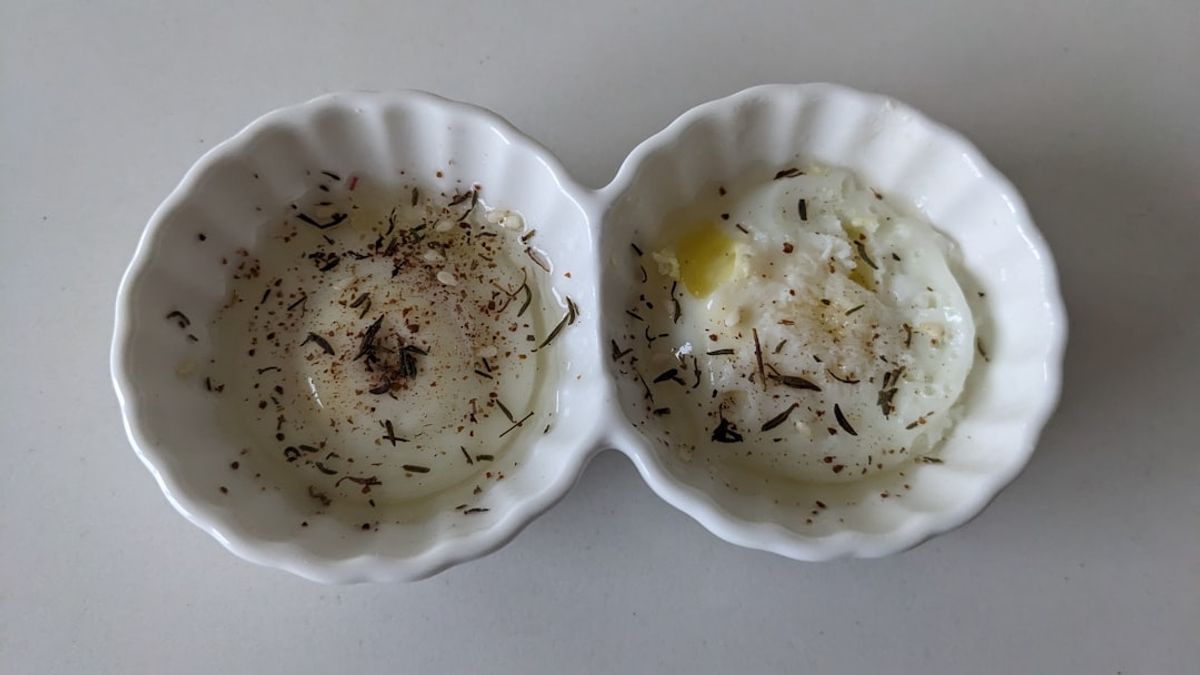
- Egg and Ham Breakfast: Scramble eggs, add ham, cook in a nonstick pan for a protein-rich start.
- Turkey with Onions and Oregano: Sauté onions, add sliced turkey, season with garlic powder and oregano for a fast dinner.
- Vegetarian Stir-Fry: Throw together any veggies, soy sauce, and pre-cooked rice for a plant-based option.
- Classic Tuna Salad: Mix canned tuna, chopped celery, mayo, lemon juice, and black pepper.
Many of these entries are echoed across other platforms, indicating broad consensus on what constitutes a “true” beginner recipe: minimal ingredients, forgiving techniques, and the ability to swap or substitute based on what’s in the pantry. For those seeking easy recipes for beginners with few ingredients, the Reddit approach is refreshingly non-judgmental—mistakes are expected, and improvisation is celebrated.
| Recipe | Approx. Calories (per serving) | Protein (g) | Prep Time (minutes) | Key Ingredients |
|---|---|---|---|---|
| Tuna Melt | ~350 kcal | 20 g | 15 | Bread, canned tuna, cheddar cheese, mayo |
| Egg and Ham Breakfast | ~280 kcal | 18 g | 10 | Eggs, ham, butter, salt |
| Turkey with Onions and Oregano | ~400 kcal | 30 g | 20 | Turkey breast, onions, garlic powder, oregano |
| Vegetarian Stir-Fry | ~320 kcal | 10 g | 25 | Mixed vegetables, soy sauce, pre-cooked rice |
| Classic Tuna Salad | ~250 kcal | 22 g | 10 | Canned tuna, celery, mayo, lemon juice |
Why Easy Beginner Cook Recipes Dominate New Home Kitchens
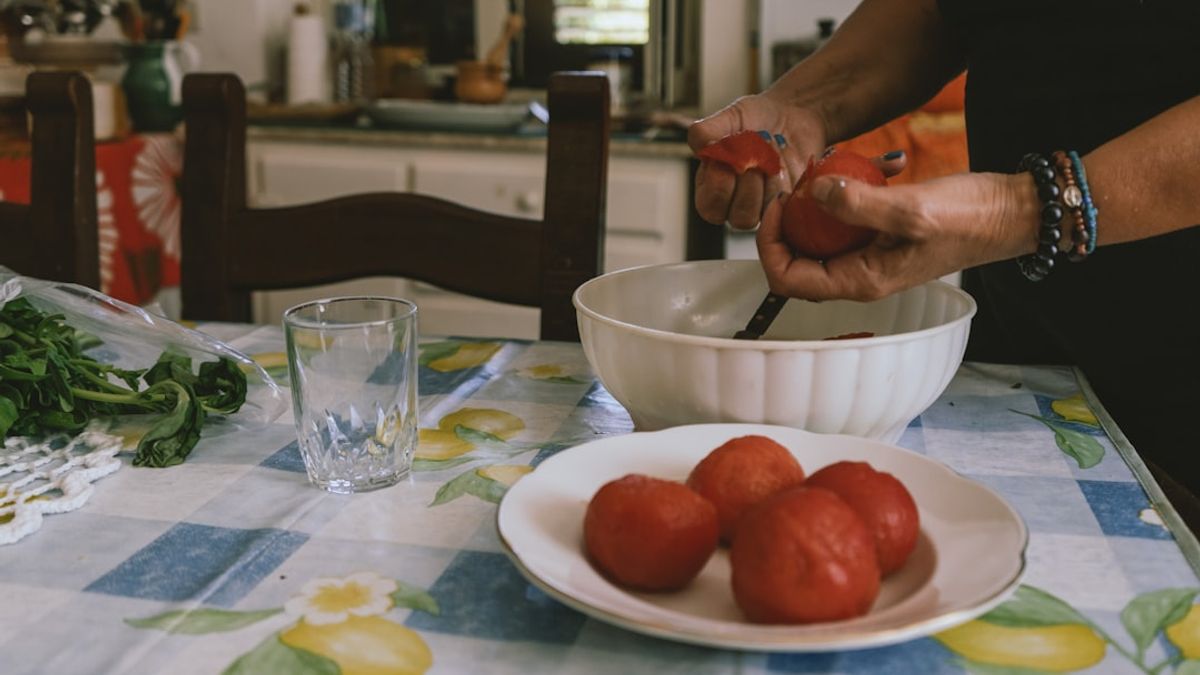
Many first-time home cooks express a preference for meals that require less than 30 minutes and don’t demand specialized equipment, according to general observations from culinary trend analyses. This overwhelming preference for simplicity is not just about convenience—it’s reshaping how people approach cooking itself. What’s behind this shift?
First, time-starved schedules mean that most new cooks are balancing jobs, studies, and family responsibilities. Easy beginner cook recipes—think sheet pan dinners, one-pot pastas, or skillet meals—fit seamlessly into busy lives. Second, the rising cost of groceries in 2026 has made cheap easy dinner recipes for beginners a necessity, not a luxury. Basic staples like beans, rice, eggs, and seasonal vegetables offer both nutrition and affordability, while creative combinations allow for endless meal variety.
Another driver is health consciousness. Beginner cook recipes healthy options are sought by those looking to manage weight, improve energy, or simply cut down on processed foods. Studies published in nutrition journals indicate that people who prepare more meals at home—regardless of skill level—tend to consume fewer calories and more nutrient-dense foods than those who rely on takeout or frozen dinners. While these studies do not recommend specific dishes, they underscore the potential benefits of home cooking.
For students, the stakes are even higher. Basic cooking recipes for students must factor in limited kitchen space, shared appliances, and tight budgets. Here, the classics—scrambled eggs, pasta with jarred sauce, quesadillas—aren’t just fallback options; they’re building blocks for lifelong cooking skills. As technology continues to evolve, digital resources like “how to cook for beginners pdf” guides provide step-by-step visuals and printable shopping lists, making the learning curve less intimidating. Related: Modern Southern Home Cooking Brings Comfort To Your Table Today
Which Beginner Cook Recipes Should Everyone Master?
What makes a recipe “essential” for a beginner? Should you start with a classic roast chicken, or is a simple bowl of pasta a better first step?
To answer this, it’s important to analyze the most frequently recommended dishes by chefs, food writers, and home cooks. The consensus, as documented by Food & Wine and echoed by culinary instructors at The Culinary Institute of America, is that every beginner should learn a handful of foundational recipes that teach core skills:
- Scrambled or Fried Eggs: Teaches temperature control and the basics of seasoning.
- Simple Pasta with Sauce: Introduces boiling, draining, and basic sauce techniques.
- Roast Chicken or Chickpeas: Explores roasting, seasoning, and the importance of timing.
- Vegetable Stir-Fry: Develops knife skills and understanding of flavor profiles.
- Rice or Grain Bowls: Demonstrates the value of ratios and batch cooking.
- Basic Soup (e.g., Lentil or Tomato): Offers lessons in layering flavors and simmering.
- Sandwiches and Wraps: Encourages creativity with fillings and textures.
- Pancakes or French Toast: Combines batter prep with stovetop technique.
- Baked Potatoes or Sweet Potatoes: Covers oven skills and topping customization.
- Salads with Simple Dressings: Teaches balance of acidity, fat, and crunch.
These core recipes appear in nearly every “easy recipes for beginners dinner” roundup because they’re forgiving, adaptable, and rely on readily available ingredients. Whether you’re a vegetarian, a meat-eater, or cooking for one, the goal is to master a repertoire that can be endlessly modified as your confidence grows.
Chef Ina Garten on Overcoming Fear: “Start Simple, Start Satisfying”
“The biggest mistake new cooks make is trying to master restaurant-style dishes on day one,” says Ina Garten, celebrated author of Modern Comfort Food. “When I started, my roast chicken was dry, and my vinaigrette was always too sour. But simple, satisfying beginner cook recipes—like a classic omelet or a roast vegetable platter—helped me learn to trust my palate and not give up.”
Garten’s advice echoes throughout the culinary world. Context matters: in professional kitchens, novice cooks spend weeks perfecting basic stocks, sauces, and knife skills before moving on to complex entrees. Home cooks, however, can bypass some of that rigor by focusing on recipes that deliver early wins. Comparing expert and home-cook approaches, the key difference is pressure. At home, no one is judging your technique or plating—taste and enjoyment come first.
- Complexity vs. Satisfaction: A simple baked ziti may not impress at a dinner party, but it reliably delivers comfort and flavor.
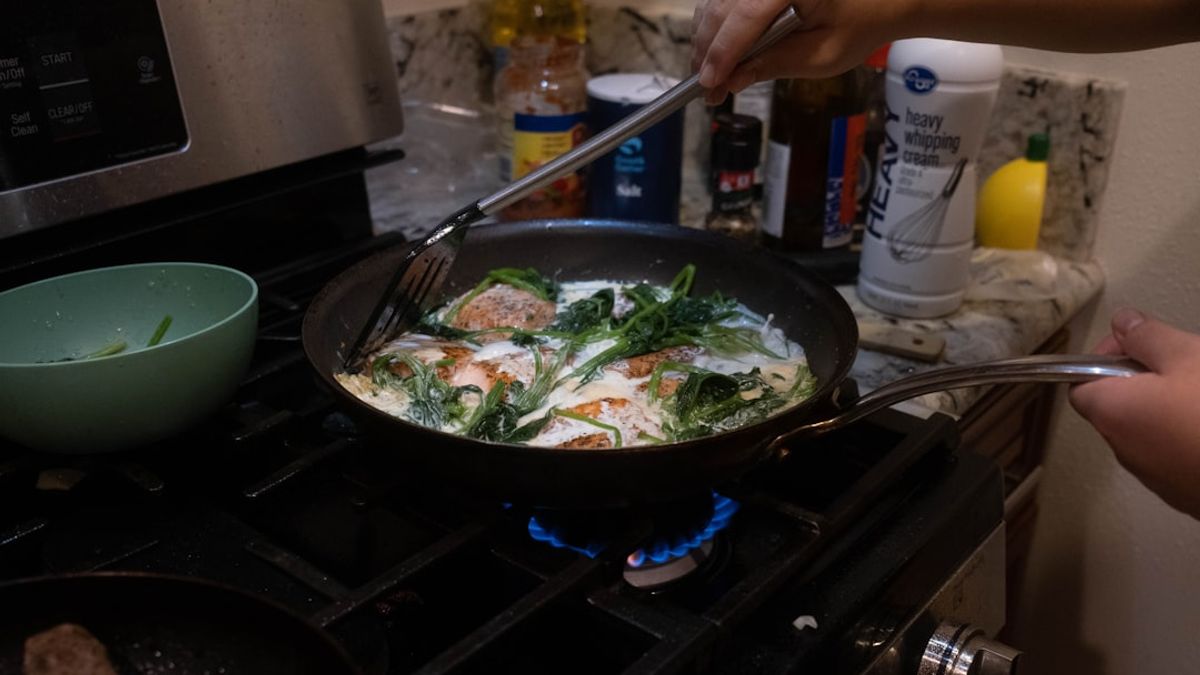
- Time Investment: Dishes like sheet pan salmon require minimal prep and cook time, making them ideal for weekday dinners.
- Cost: Budget-friendly meals, such as bean chili or veggie stir-fry, stretch ingredients further and reduce waste.
Ultimately, Garten and other pros encourage beginners to embrace imperfection. “You will burn something. You will overseason. That’s how you learn,” she says. The real test is whether you come back to the kitchen tomorrow, ready to try again.
Beginner Cook Recipes for Every Lifestyle: Students, Vegetarians, and Health Seekers
For a college student living in a cramped dorm, the idea of preparing a full meal after a long day of classes can feel overwhelming. For a new vegetarian, finding satisfying, protein-packed options without resorting to endless salads is a challenge. And for the health-conscious, striking the balance between nutrition, flavor, and convenience requires a strategic approach. So what’s the best way to adapt beginner cook recipes to your unique needs?
1. Student-Friendly Beginner Cook Recipes
Analysis of campus dining trends by the National Association of College & University Food Services indicates that many students cook regularly, often relying on basic cooking recipes for students that use just a few ingredients and minimal equipment. Microwave mug omelets, instant ramen “upgrades,” and skillet quesadillas are among the most popular. Portion control, affordability, and speed are top priorities, making these recipes ideal for late-night study sessions or lunch between classes. Related: Coconut Kitchri Recipe That Transforms Everyday Meals
2. Vegetarian and Vegan Beginner Cook Recipes
Vegetarians and vegans are increasingly seeking beginner cook recipes vegetarian that don’t compromise on taste or nutrition. According to PureWow, lentil soup, chickpea stir-fry, and roasted sweet potatoes with black beans are among the commonly searched plant-based dishes for beginners. These recipes are nutrient-dense, filling, and customizable—add whatever produce is in season or on sale for maximum variety.
3. Healthy and Budget-Conscious Options
For those prioritizing wellness, beginner cook recipes healthy focus on whole grains, lean proteins, and plenty of vegetables. Meal prepping—batch cooking rice, roasting trays of vegetables, and portioning out proteins—translates to stress-free weeknight dinners and less temptation to order takeout. Cheap easy dinner recipes for beginners often overlap with healthy choices: think veggie chili, baked chicken thighs, and big salads with homemade dressings. Industry estimates suggest that meal prepping can help reduce grocery costs significantly per month, a meaningful saving for families and individuals alike.
Crowdsourced Wisdom: Comparing Online and Professional Recommendations
“I found my favorite beginner cook recipes not from a chef, but from strangers on the internet,” admits Marco Ruiz, a New York-based graphic designer who learned to cook during the pandemic. “Reddit, Instagram, and YouTube comments gave me the courage to improvise when things didn’t go as planned.”
This sentiment reflects a broader trend: while professional cookbooks and culinary schools offer foundational techniques, digital communities have democratized home cooking. Contextually, professional recommendations tend to emphasize technique, precision, and ingredient quality. For instance, The Culinary Institute of America’s beginner curriculum focuses on knife skills, stock-making, and classic French sauces—important, but daunting for those just starting out.
Online forums, by contrast, value adaptability and real-life troubleshooting. Users on r/Cooking or Allrecipes frequently share tips for substituting ingredients, adjusting seasonings, or fixing common mistakes. The comparison reveals distinct pros and cons:
- Professional Guidance: Better for mastering technique and understanding culinary theory; may be less accessible.
- Crowdsourced Recipes: More forgiving, approachable, and tailored to real-world constraints; sometimes less precise.
For beginners, blending both approaches yields the best results. Start with crowdsourced “no-fail” recipes to build confidence, then consult professional resources as skills and curiosity grow.
Building a Beginner’s Pantry: Essentials for Easy Cooking
What should every beginner have in their kitchen to make the most of these recipes? The answer isn’t a long list of gadgets, but a core set of versatile, affordable ingredients. Related: Valerie Bertinelli Home Cooking – Returns
Beginner cook recipes are built on pantry staples that can be used in dozens of dishes without requiring specialty shopping. Here’s a practical guide for stocking your shelves for maximum flexibility and minimum waste.
- Grains: Rice, pasta, oats, and quinoa—form the base for stir-fries, salads, and breakfast bowls.
- Proteins: Canned beans, lentils, eggs, canned tuna, tofu, or pre-cooked chicken breast.
- Vegetables: Frozen mixed veggies, onions, garlic, carrots, and potatoes—long shelf life and multi-use.
- Flavor boosters: Olive oil, vinegar, soy sauce, salt, pepper, dried herbs (oregano, basil), and hot sauce.
- Dairy/Alternatives: Cheese, milk (or plant-based alternatives), Greek yogurt.
- Bread/Tortillas: For quick sandwiches, wraps, and French toast.
- Basic baking items: Flour, sugar, baking powder—useful for pancakes, muffins, or emergency desserts.
Having these basics on hand means you can tackle almost any of the beginner cook recipes featured in this article, from hearty soups to one-pan dinners. The goal is to reduce reliance on last-minute takeout by making home cooking faster and less intimidating.
Common Mistakes and How to Avoid Them: Lessons from the Pros
Even the most straightforward beginner cook recipes can sometimes go awry. Why do some attempts fail, and how can new cooks avoid frustration?
1. Overcomplicating the Process
Many beginners believe that more ingredients or complex steps will yield better results. In reality, simplicity is your friend. Chef Samin Nosrat, author of Salt, Fat, Acid, Heat, stresses that focusing on the basics—like seasoning and texture—delivers more satisfaction than chasing elaborate techniques. If a recipe seems overwhelming, break it down into smaller steps or look for a simpler version.
2. Fear of Mistakes
Perfectionism can be paralyzing, particularly for those new to cooking. Nosrat suggests embracing “happy accidents” as learning experiences. If you overcook the pasta or underseason the soup, note what happened and make a small adjustment next time. Over time, these tweaks become instinctive.
3. Ignoring Ingredient Substitutions
Running out of an ingredient shouldn’t derail your cooking plans. Most beginner cook recipes are designed to be flexible—swap spinach for kale, use canned beans instead of fresh, or substitute lemon juice for vinegar. Learning to make these swaps is a skill in itself and will serve you well as you progress.
Action Steps to Boost Your Beginner Cooking Skills
Ready to take your beginner cook recipes from theory to practice? Here are practical steps to build your confidence and kitchen repertoire:
- Start Small: Choose one or two simple recipes from this article and commit to making them this week.
- Stock Your Pantry: Gather essential staples like rice, canned beans, eggs, and basic spices to enable quick meal prep.
- Use Online Resources: Download beginner-friendly PDFs or watch step-by-step videos to reinforce techniques.
- Join Cooking Communities: Engage with forums such as r/Cooking for support, recipe ideas, and troubleshooting advice.
- Embrace Mistakes: Keep a cooking journal to track what worked and what didn’t, turning errors into learning opportunities.
- Experiment Gradually: Once comfortable, try modifying recipes by adding new ingredients or spices to develop your palate.
- Plan Ahead: Batch cook grains or roast vegetables to save time on busy days and reduce kitchen stress.
From Recipe to Routine: How Beginner Cook Recipes Build Lifelong Skills
What transforms a one-off meal into a lifelong habit? The answer lies in repetition, experimentation, and incremental growth. According to Eater, the most successful beginner cooks are those who treat each recipe as a building block. Instead of chasing culinary perfection, they focus on consistency—making a few dishes well, then branching out as comfort levels increase.
This approach mirrors professional training, where chefs repeat basic techniques until they become second nature. For home cooks, the benefit is freedom: once you’re confident in a handful of beginner cook recipes, you can easily riff on new flavors, try more challenging techniques, or tailor meals to dietary needs. In the process, you develop a sense of autonomy and enjoyment that keeps you coming back to the kitchen.
Moreover, experienced home cooks often cite beginner recipes as their go-to comfort food—think creamy tomato soup, fluffy pancakes, or a loaded baked potato. These dishes are not only easy to prepare but also deeply satisfying, providing a sense of accomplishment that fuels further learning.
Disclaimer: The information provided on this website is for general informational purposes only and does not constitute professional advice. Readers are encouraged to consult with qualified professionals before making any decisions based on the content. We do not guarantee the accuracy or completeness of the information presented.
Conclusion: Start Simple, Stay Curious—Your Beginner Cook Journey Awaits
Beginning to cook for yourself isn’t just about following recipes—it’s about building confidence, learning from mistakes, and celebrating small victories. The explosion of beginner cook recipes on platforms like Reddit and Eater has made it easier than ever to get started, regardless of your budget, dietary preferences, or kitchen setup. Even if your first omelet is a little runny or your soup turns out a bit bland, remember that every chef started somewhere.
The true value of beginner cook recipes lies in their simplicity, flexibility, and ability to turn daily meals into moments of joy and self-discovery. Whether you’re a student with only a microwave, a new vegetarian seeking hearty flavors, or a busy parent looking for healthy dinners, there’s a wealth of resources—and a supportive community—ready to help you succeed. As you master the basics and experiment with new ingredients, you’ll find that cooking becomes less of a chore and more of an adventure. So pick a recipe, gather your staples, and get curious—the kitchen is waiting.
Frequently Asked Questions About Beginner Cook Recipes
What are the easiest beginner cook recipes to start with?
Start with recipes like scrambled eggs, simple pasta with tomato sauce, or a basic vegetable stir-fry. These dishes require minimal ingredients and teach fundamental skills like seasoning and cooking times.
How can I make beginner recipes healthier?
Use whole grains instead of refined ones, add extra vegetables, choose lean proteins, and limit added sugars and salt. Meal prepping and portion control also help maintain a balanced diet.
What kitchen tools are essential for beginners?
A good nonstick skillet, a sharp chef’s knife, a cutting board, measuring cups/spoons, and basic pots are sufficient to start cooking most beginner recipes.
Where can I find reliable beginner cook recipes online?
Forums like Reddit’s r/Cooking, websites such as Bowl of Delicious, and video platforms like YouTube offer a wealth of beginner-friendly recipes and tutorials.
How do I avoid common mistakes when trying new recipes?
Read the recipe thoroughly before starting, prep all your ingredients in advance, and don’t be afraid to ask for help or look up tips online. Remember, mistakes are part of the learning process!
Can I substitute ingredients in beginner cook recipes?
Absolutely. Most beginner cook recipes are designed to be flexible. Feel free to swap vegetables, proteins, or grains based on what you have on hand or your dietary needs.