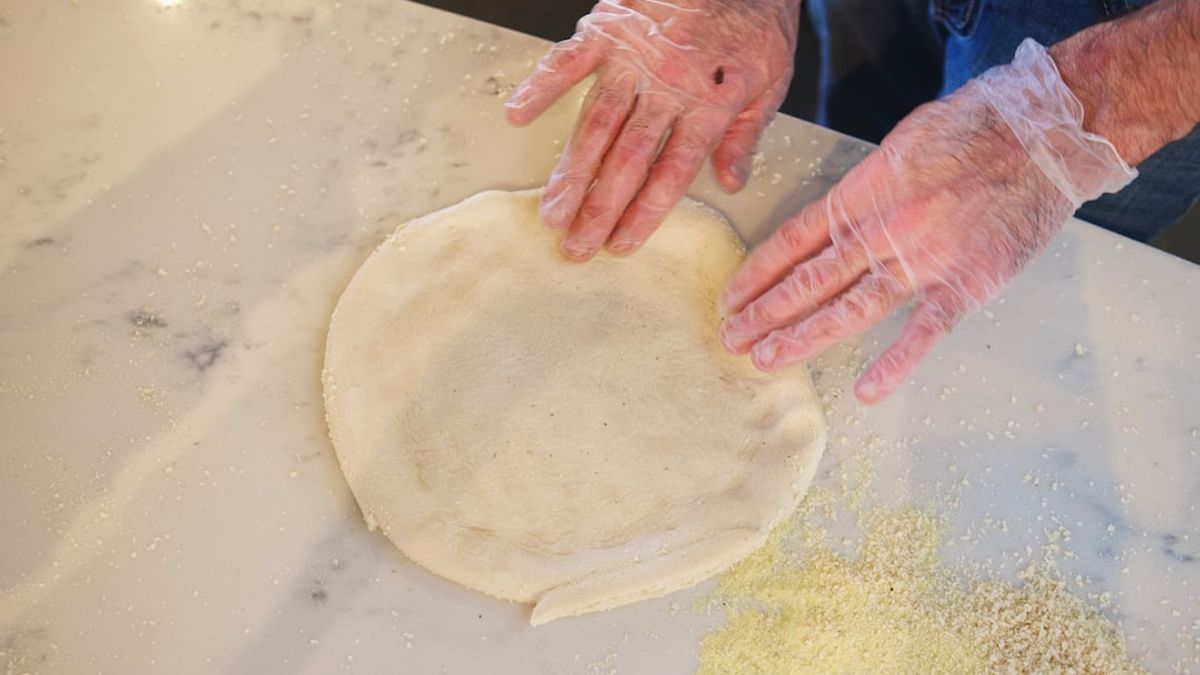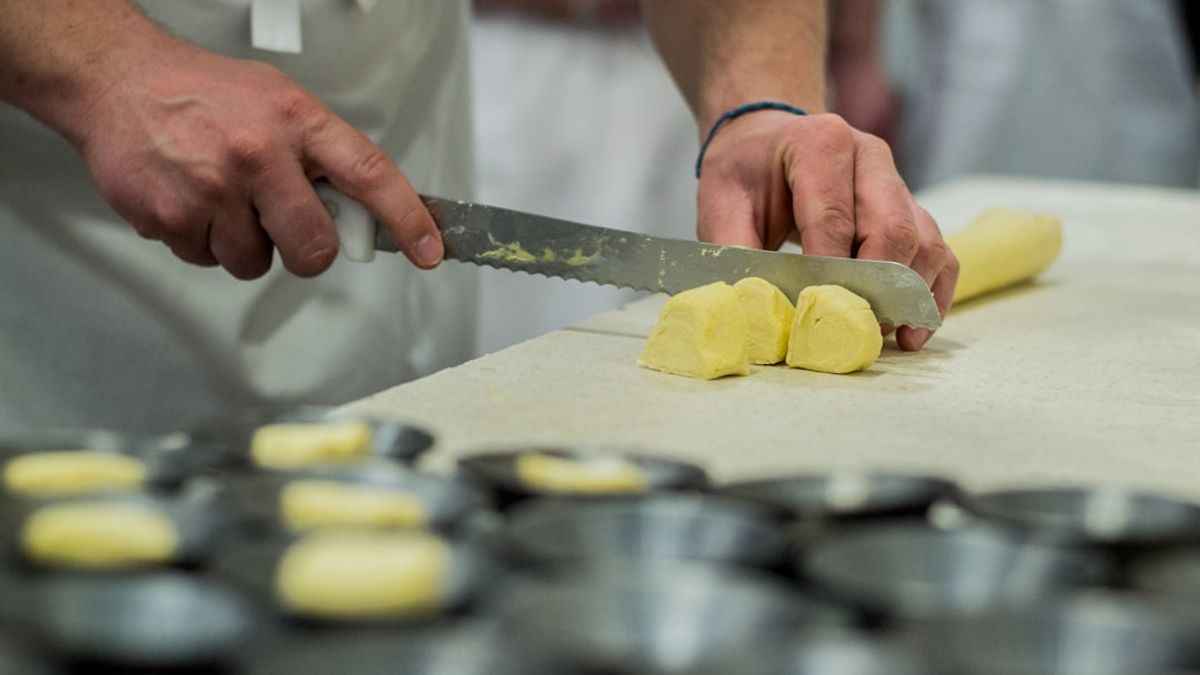
At 5:30 a.m., before the city stirs, Amanda Freitag stands in the kitchen of New York’s Rise & Thyme, sharp knife in hand, sleeves rolled, prepping mise en place with military precision. “If you’re not five minutes early, you’re ten minutes late,” Freitag jokes, echoing the unwritten professional chef kitchen rules that have governed her decades-long career. These aren’t just habits—they’re the backbone of every high-functioning kitchen, from Michelin-starred bistros to bustling hotel banquets. Modern Southern Home Cooking Brings Comfort To Your Table Today
Professional chef kitchen rules are not just about food safety or efficiency; they’re about respect, discipline, and the unspoken code that keeps a brigade humming through a dinner rush. Explore the ethos that chefs like Thomas Keller, Dominique Crenn, and José Andrés live by every shift. Why do so many kitchens worldwide enforce “one cook at a time,” a ban on cheese with seafood, or the ironclad “clean as you go”? And what happens when these rules are broken?
In this deep dive, we’ll uncover the real professional chef kitchen rules—from the written regulations to the subtle gestures only insiders know. Drawing on insights from Allrecipes’ interviews with working chefs, the legendary “Kitchen Code” from Chef’s Resources, and the wit of culinary veterans, we’ll demystify what it takes to keep a professional kitchen running smoothly. Whether you’re a beginner chef, a restaurant manager, or a home cook eager to bring discipline to your own kitchen, these rules offer lessons in teamwork, leadership, and culinary success.
Let’s step behind the line, into the world where every second counts and every detail matters. Welcome to the code of the professional chef kitchen—where rules aren’t just followed; they’re lived.
Inside the Brigade: Why Kitchen Rules Matter
—: Cookingzone ✍
Providing expert tips, authentic recipes, and culinary inspiration to elevate everyday home cooking
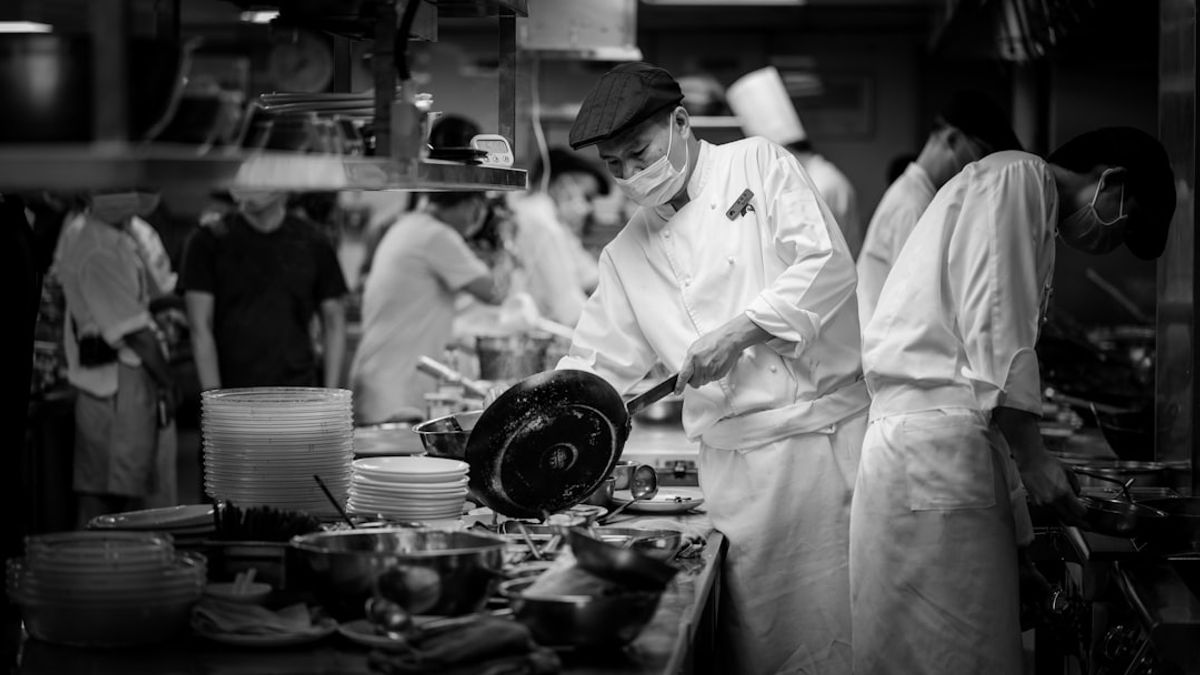
Walk into any serious restaurant kitchen and you’ll feel it: the hum of activity, the economy of movement, and the silent communication between cooks. Professional chef kitchen rules aren’t arbitrary—they’re the invisible scaffolding that supports safety, quality, and respect. According to Harvest America Cues, these rules stem from classical French brigade traditions, refined by generations of chefs.
Why such a strict code? Kitchens are high-pressure environments. Without clear rules, even small mistakes can become disasters, leading to wasted food, injuries, or lost customers. These rules create a shared language and set expectations, from how to store knives to when to announce “behind!” when moving through a crowded space.
Safety and Efficiency: The Dual Pillars
Safety and efficiency are at the heart of every professional chef kitchen rule. Sharp knives, boiling pots, and slippery floors can turn dangerous in moments. That’s why “clean as you go,” “announce your presence,” and “never run” are universal mantras. When rules are respected, chefs focus on their craft, not on avoiding accidents.
The Hidden Benefit: Teamwork and Respect
Beyond logistics, rules foster respect. By following the same standards, everyone—dishwasher to executive chef—becomes part of a disciplined team. As chef Marcus Samuelsson once noted, “Respect in the kitchen is not given, it is earned through consistency and care for your team.”
“Respect in the kitchen is not given, it is earned through consistency and care for your team.” – Marcus Samuelsson, Award-Winning Chef
The Unspoken Kitchen Code: Rituals and Rules Only Chefs Know
Not all professional chef kitchen rules are written on posters or in handbooks. Many are passed down through whispered warnings or hard-earned lessons. The “kitchen code,” as described by Chef’s Resources, includes rituals that go beyond simple regulations.
- Announce your moves: “Behind!” “Corner!” “Hot!”—these calls prevent collisions and burns in crowded kitchens.
- Respect the mise en place: Every ingredient prepped and in its place, ready to use. Disrupt your station, and you disrupt the flow.
- Clean as you go: A messy station is a dangerous station. Wipe, sanitize, and organize constantly.
Hierarchy and Harmony
Professional kitchen rules reinforce the brigade system: the executive chef leads, sous chefs coordinate, and line cooks execute. Even in modern kitchens, this hierarchy ensures clear communication and quick problem-solving. Break the chain, and chaos can follow. Coconut Kitchri Recipe That Transforms Everyday Meals
The Power of Unwritten Rules
Some of the most crucial rules are never posted. For example, “Don’t use someone else’s knife without asking,” or “Don’t critique another chef’s plating during service.” These codes of conduct are enforced by peer pressure and tradition. They might not be in a professional chef kitchen rules PDF, but ignore them at your peril.
Emerging Trends in Professional Chef Kitchen Rules
- Technology Integration: Digital tools and apps are streamlining kitchen checklists and temperature monitoring.
- Inclusivity Initiatives: More kitchens are adopting zero tolerance policies for harassment and promoting mental health awareness.
- Global Culinary Respect: Kitchens are increasingly honoring ethnic food traditions and dietary restrictions within their rules.
Classic and Controversial: The Rules Chefs Debate
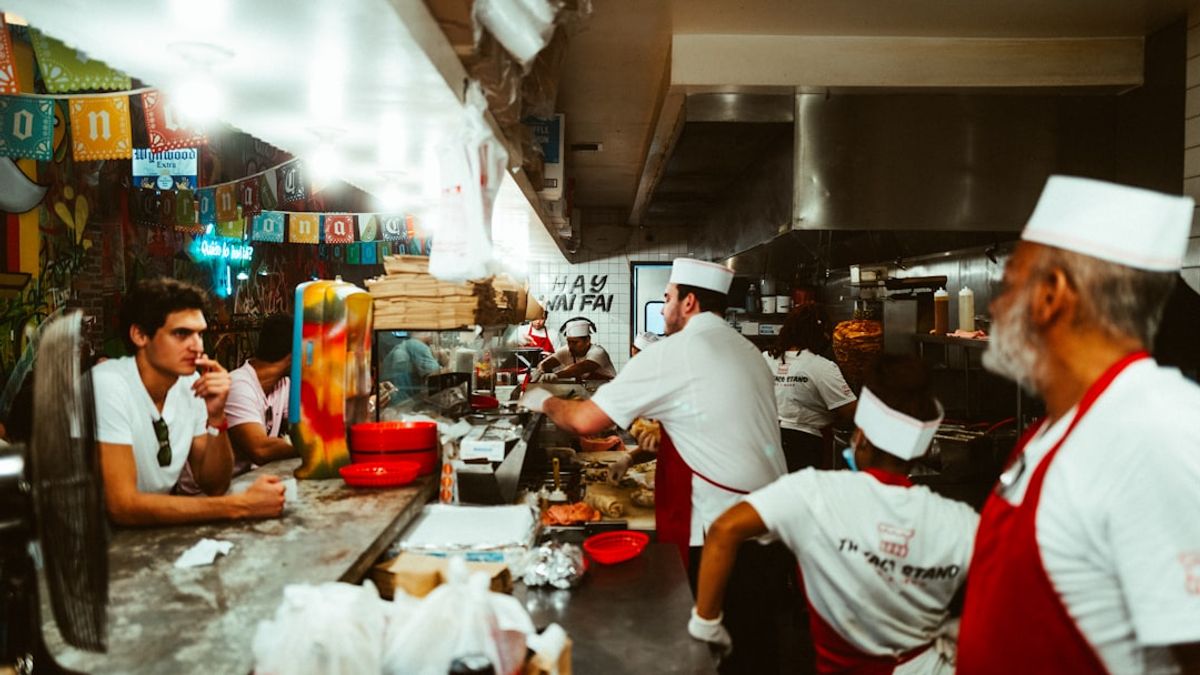
If you ask chefs about the professional chef kitchen rules they live by, you’ll quickly find that some are non-negotiable, while others spark heated debate. For instance, “Never put cheese on seafood” is a rule with passionate defenders and equally passionate rebels.
- Coffee should be freshly brewed, not reheated. (Amanda Freitag swears by this.)
- Italian pasta must be served al dente—never mushy.
- Cheese and seafood rarely mix. (But try telling that to a chef who loves shrimp parmesan!)
- One cook per station during service. No crowding the line.
Breaking the Rules: When Is It Okay?
Even the strictest kitchens sometimes bend the rules. According to Tasty’s roundup of rules chefs break, some pros will microwave potatoes or add raw alcohol to sauces when the situation calls for it. The best chefs know the rules—and when to break them for creativity or necessity.
Story Spotlight: How The French Laundry Upholds Kitchen Discipline
Thomas Keller’s The French Laundry in Yountville, California, is renowned for its impeccable kitchen discipline. According to Fine Dining Lovers, the kitchen enforces strict mise en place protocols and “clean as you go” habits to maintain efficiency during high-volume service. The brigade system is meticulously followed, ensuring each chef knows their role and adheres to the unspoken codes. This discipline has been credited as a key factor in the restaurant’s three Michelin stars and consistent culinary excellence.
Essential Safety and Efficiency Guidelines
Safety is not optional in a professional kitchen. The most respected chefs enforce rigorous kitchen rules and regulations to protect their teams and customers. These are universal, often required by law, and form the foundation of every kitchen’s training manual.
- Wash hands regularly—before, during, and after handling food.
- Keep raw and cooked foods separate to avoid cross-contamination.
- Store knives and sharp tools safely when not in use.
- Wear non-slip shoes and appropriate uniforms (including hairnets or hats).
- Sanitize surfaces frequently, especially after working with raw meat or eggs.
- Never leave hot pans unattended.
- Label and date all prepped foods.
- Know where fire extinguishers and first aid kits are located.
- Report spills and clean them immediately.
- Follow proper lifting techniques to avoid injury.
Commercial Kitchen Rules vs. Home Cooking
While some of these rules might feel over-the-top at home, they are non-negotiable in commercial kitchens where the pace is intense and the risks are higher. A professional chef kitchen rules poster often reminds staff of these basics.
Training and Accountability
Most restaurants provide a professional chef kitchen rules PDF as part of onboarding. Staff are expected to follow these rules at all times, and violations can lead to disciplinary action or even termination. Valerie Bertinelli Home Cooking – Returns
Notable Kitchen Safety and Efficiency Statistics
- 85% of kitchen accidents are due to poor communication or ignoring safety rules. (Source: National Restaurant Association)
- Chefs who follow “clean as you go” reduce prep time by up to 30%. (Source: Culinary Institute of America)
- Staff turnover decreases by 20% in kitchens with strong leadership and clear rules. (Source: Restaurant Business Online)
- Cross-contamination incidents drop by 40% when strict handwashing protocols are enforced. (Source: CDC)
- 90% of Michelin-starred kitchens enforce the “one cook per station” rule to maintain quality. (Source: Fine Dining Lovers)
Leadership and Communication: The Backbone of Kitchen Success
Great kitchens are built on more than technical skills—they rely on strong leadership and clear communication. Professional chef kitchen rules emphasize listening more than talking, as chef mentors at Harvest America Cues highlight. “If you’re not paying attention, you’ll never lead a team,” says chef Eric Ripert of Le Bernardin.
- Announce your moves: Always say “behind,” “corner,” or “hot” to alert others.
- Check in often: Regularly communicate with your team about prep, timing, and challenges.
- Handle conflict privately: Never embarrass a colleague in front of the team.
Motivating the Brigade
Recognition, constructive feedback, and leading by example are core leadership practices. When chefs follow the rules themselves, staff are more likely to do the same. As chef Daniel Boulud puts it, “A chef sets the tone. If you’re calm and organized, your kitchen will follow.”
Mentoring Beginners
For new cooks, professional chef kitchen rules for beginners can seem overwhelming. Mentors help by breaking down complex rules into manageable habits and providing feedback in real time.
Professional Kitchen Rules for Beginners: Building Good Habits Early
Starting out in a professional kitchen can be intimidating. The best approach for beginners is to master a core set of professional chef kitchen rules that build confidence and trust. According to interviews with chefs on AOL, new cooks should focus on the following:
- Show up early and ready—never walk in as your shift starts.
- Read the entire recipe before starting any prep.
- Maintain a clean, organized station at all times.
- Ask questions if you’re unsure—never guess with food safety or technique.
- Listen more than you speak, especially during service.
The Value of Patience and Observation
Beginners benefit from watching experienced chefs at work. Notice how they move, communicate, and prioritize tasks. These habits, more than any list of rules, define a true professional.
Commercial Kitchen Staff Regulations: What Every Restaurant Enforces
Every commercial kitchen has its own set of staff rules and regulations, tailored to their concept and local health codes. What’s consistent across the industry is the emphasis on safety, sanitation, and respect.
- Uniforms are required: Clean chef coats, aprons, hair restraints, and closed shoes.
- Phones off the line: Personal devices are not allowed during service.
- No eating or drinking in food prep areas.
- Clock in and out accurately: Timekeeping is non-negotiable for payroll and safety.
- Follow chain of command: Issues are reported up, not out.
Kitchen Rules and Regulations for Staff
These rules help foster a professional environment and reduce the risk of accidents or misunderstandings. A kitchen rules poster or digital handbook often reinforces the core expectations.
Constant Reinforcement
Regular meetings, pre-shift “lineups,” and spot checks help keep everyone on track. Many restaurants update their professional chef kitchen rules PDF annually to reflect changing standards and new regulations. Cookbook Club Ideas To Spark Fresh Culinary Adventures
From Poster to Practice: Instilling Rules in Daily Operations
It’s one thing to have rules printed on a kitchen wall, but how do professional chefs make sure they’re followed? The answer lies in daily habits, peer accountability, and a culture of respect.
- Daily checklists for opening and closing duties ensure nothing is missed.
- “Clean as you go” is enforced by quick spot checks throughout a shift.
- Senior cooks model best practices for new hires, correcting quietly when rules are forgotten.
- Violations are addressed immediately—never in front of guests, always with an eye toward learning.
Kitchen Rules Poster: More Than Decor
A kitchen rules poster is a constant reminder, but it’s the living example of the chef and team that truly sets the standard. As chef Gordon Ramsay famously says, “The standard you walk past is the standard you accept.”
The Evolution of Kitchen Rules in Modern Restaurants
While many kitchen rules are timeless, today’s restaurants adapt the code to new realities—dietary restrictions, technology, and shifting staff cultures. For example, allergy protocols are now central to most commercial kitchen rules, with strict cross-contamination safeguards and ingredient labeling.
Technology and Training
Digital checklists, temperature monitoring apps, and cloud-based kitchen rules PDFs help standardize procedures and ensure compliance. Some restaurants use online training modules to onboard new staff and provide refreshers on professional chef kitchen rules and regulations.
Inclusivity and Mental Health
Modern kitchen rules increasingly address workplace harassment, mental health, and work-life balance. According to industry reports, many restaurants now include “zero tolerance” policies for discrimination or bullying as part of their staff regulations.
Global Influences
With the rise of international cuisine, professional kitchens are adopting new rules around cultural respect—for instance, honoring traditional techniques when preparing ethnic dishes, or being sensitive to religious dietary laws.
Frequently Asked Questions: Professional Chef Kitchen Rules
What are the 5 roles in a professional kitchen?
The five key roles in a professional kitchen often follow the classic French brigade system. These include the Executive Chef (head of all kitchen operations), Sous Chef (second-in-command, managing staff and prep), Chef de Partie (station chef, responsible for a specific area), Commis Chef (junior cook, assists station chefs), and Pastry Chef (oversees desserts and baked goods). Each role is vital for smooth, efficient service and upholding kitchen rules. The specific hierarchy may vary by restaurant size and style.
What are the 5 C’s of the kitchen?
The “5 C’s” of the kitchen are foundational principles for safety and efficiency: Cleaning (keeping all areas sanitized), Cooking (following correct temperatures), Chilling (proper cold storage to prevent spoilage), Cross-contamination prevention (separating raw and cooked foods), and Communication (clear, concise interaction among staff). These principles are widely advocated in professional chef kitchen rules and regulations, ensuring both food safety and teamwork.
What are the 10 kitchen safety rules?
Ten common kitchen safety rules are: wash hands frequently; keep knives sharp and handle with care; prevent cross-contamination; store food at proper temperatures; clean spills immediately; wear proper uniforms and shoes; never leave cooking unattended; use equipment properly; keep flammable items away from heat; and know emergency procedures. These are typically listed in any professional chef kitchen rules PDF or staff handbook, forming the cornerstone of commercial kitchen safety.
What does 87 mean in a restaurant?
“86” is the standard code for an item that is out of stock or unavailable. “87” is much less common but is sometimes used in kitchens to mean “we’re running low” or “almost out” of an item. It’s a heads-up for the team to prepare for a menu change or to alert servers before an ingredient is completely out. Not every restaurant uses this code, but it can be part of the internal communication rules.
How can home cooks apply professional chef kitchen rules?
Home cooks can benefit from professional chef kitchen rules by adopting habits such as “clean as you go,” organizing ingredients before cooking (mise en place), and practicing clear communication with anyone helping in the kitchen. These rules improve safety, efficiency, and the overall cooking experience, making home kitchens more enjoyable and productive.

Conclusion: Bringing Professional Chef Kitchen Rules Into Every Kitchen
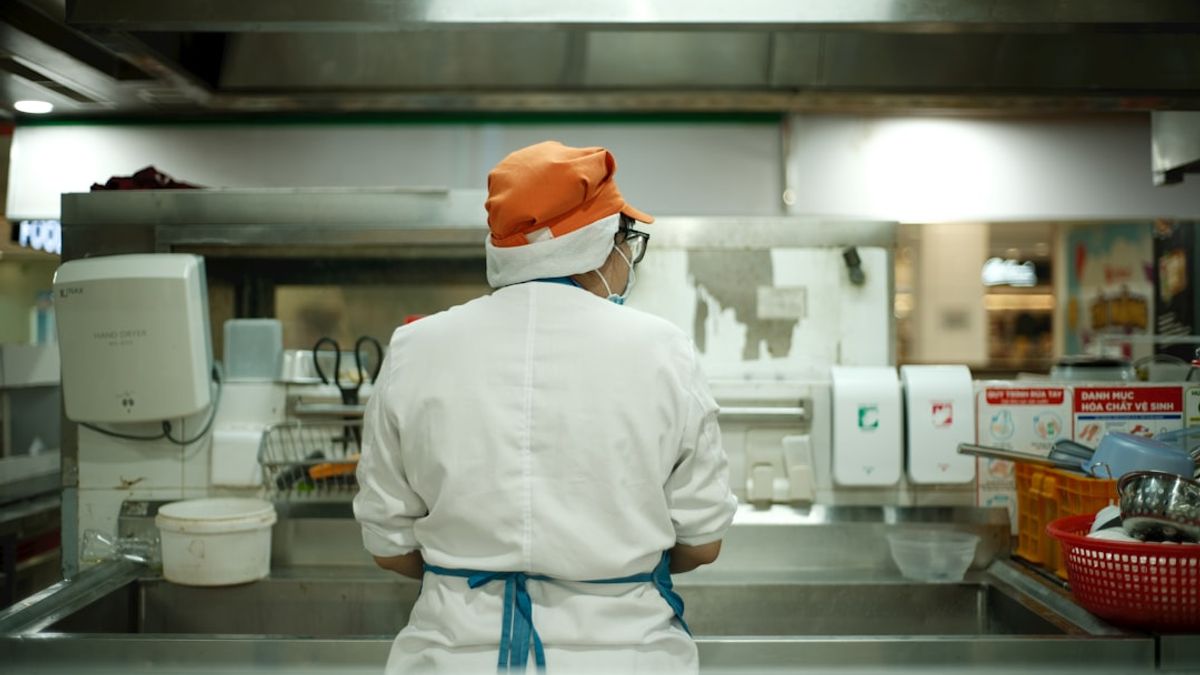
Stepping behind the scenes of a professional kitchen reveals more than just sizzling pans and creative plating. It’s a place where rules—both written and unspoken—guide every action, from a chef’s first prep to the final dish leaving the pass. The professional chef kitchen rules highlighted here are not just tradition; they are the reason kitchens function smoothly, safely, and with a spirit of mutual respect.
Whether you’re an aspiring cook, a seasoned chef, or a home enthusiast inspired by the discipline of culinary pros, these rules have value far beyond the restaurant world. They teach us about teamwork, leadership, and the importance of details—skills that apply to any field. Adopting even a handful of these professional chef kitchen rules for beginners can transform your own cooking space, making it more organized, efficient, and enjoyable.
Ready to level up your kitchen? Start by picking one or two rules—like “clean as you go” or “announce your presence”—and practice them until they become second nature. For those looking for formal guidance, many restaurants and culinary schools offer a professional chef kitchen rules PDF or poster for easy reference. No matter your level, embracing the ethos of the professional kitchen will sharpen your skills and deepen your appreciation for the craft.
If you’re hungry for more, explore classic cookbooks like “The French Laundry Cookbook” by Thomas Keller or visit resources like Fine Dining Lovers’ kitchen survival tips for further inspiration. The journey to true culinary professionalism starts with respect—for food, for your team, and for the rules that make great cooking possible.