Chefs Redefine Modern Southern Home Cooking, Blending Tradition With Bold Innovation
Modern southern home cooking stands at the crossroads of heritage and innovation, captivating food lovers with dishes that honor the past while embracing bold new flavors. This culinary evolution is not simply a trend—it’s a dynamic movement rooted in regional history, Black Southern traditions, and the resourcefulness that defined the American South. Today, chefs and home cooks alike are reimagining classics, introducing global influences, and transforming what it means to serve a southern meal. From reinterpreted fried chicken and sides to inventive pies and plant-forward twists, modern southern home cooking is reshaping menus across the United States. As this article explores, the movement bridges old-fashioned southern dishes with contemporary techniques, generating a fresh culinary narrative that continues to inspire and delight. Coconut Kitchri Recipe That Transforms Everyday Meals
At its core, southern cuisine is a tapestry of diverse influences: indigenous ingredients, African and Caribbean flavors, European preservation methods, and the ingenuity of generations working with what was available. Modern southern home cooking patterns draw from this legacy, updating recipes to reflect changing tastes and health priorities, while celebrating the communal spirit of the southern table. According to Food Network’s compilation of southern recipes, the most beloved dishes often balance simplicity with depth—think buttermilk biscuits, collard greens, and slow-cooked meats—yet today’s chefs are not afraid to break the mold. They experiment with new ingredients, lighter preparations, and creative presentations, all while maintaining the defining soul of southern food.
This comprehensive guide will examine how modern southern home cooking is being redefined in kitchens, restaurants, and cookbooks. Through an exploration of classic recipes, new interpretations, culinary storytelling, and the social significance of southern food, readers will gain an authoritative understanding of this rich, ever-changing tradition. The article references top sources, including insights from The ComplEAT Kitchen and culinary reviews published in Gastronomica, to provide a nuanced perspective on the pleasures and challenges of southern cooking today.
The Roots of Modern Southern Home Cooking: A Legacy Reimagined
Understanding modern southern home cooking requires a look back at the historical patterns that shaped the region’s foodways. Southern cuisine has always reflected the land and its people—a blend of Native American staples, West African flavors, European preservation techniques, and the realities of what could be grown or foraged. This culinary DNA continues to influence today’s menus, even as chefs add new layers of complexity and creativity.
Old Fashioned Southern Dishes Meet Modern Techniques
Classic southern dishes, such as fried chicken, collard greens, and cornbread, have been mainstays for generations. Traditionally, these recipes relied on simple, affordable ingredients and slow-cooked methods. However, modern southern home cooking patterns involve lighter frying methods, the use of healthier oils, and a focus on fresh, local produce. For example, chefs might pan-sear chicken instead of deep frying, or substitute smoked turkey for ham hocks in greens to reduce saturated fat. These adaptations preserve the spirit of the dish while catering to evolving nutritional preferences.
Influences of Black Southern Recipes and Global Flavors
Black southern recipes have played a foundational role in shaping the region’s food identity. From gumbo to sweet potato pie, these dishes carry stories of resilience and innovation. Modern southern home cooking honors these roots while embracing the global influences that define contemporary palates. Spices from the Caribbean, North African preserved lemons, and Asian-inspired glazes now find their way onto southern menus, reflecting the South’s ongoing dialogue with the wider world.
Signature Dishes: Reinventing the Southern Food Menu
The modern southern food menu is both a tribute to tradition and a showcase for innovation. Chefs and home cooks reinterpret old-fashioned southern dishes with new ingredients, fusion techniques, and creative plating. According to Food Network’s list of top southern recipes, fried catfish, baked macaroni and cheese, shrimp and grits, and biscuits remain staples—but their preparation often departs from the past in meaningful ways.
Contemporary Approaches to Classic Sides
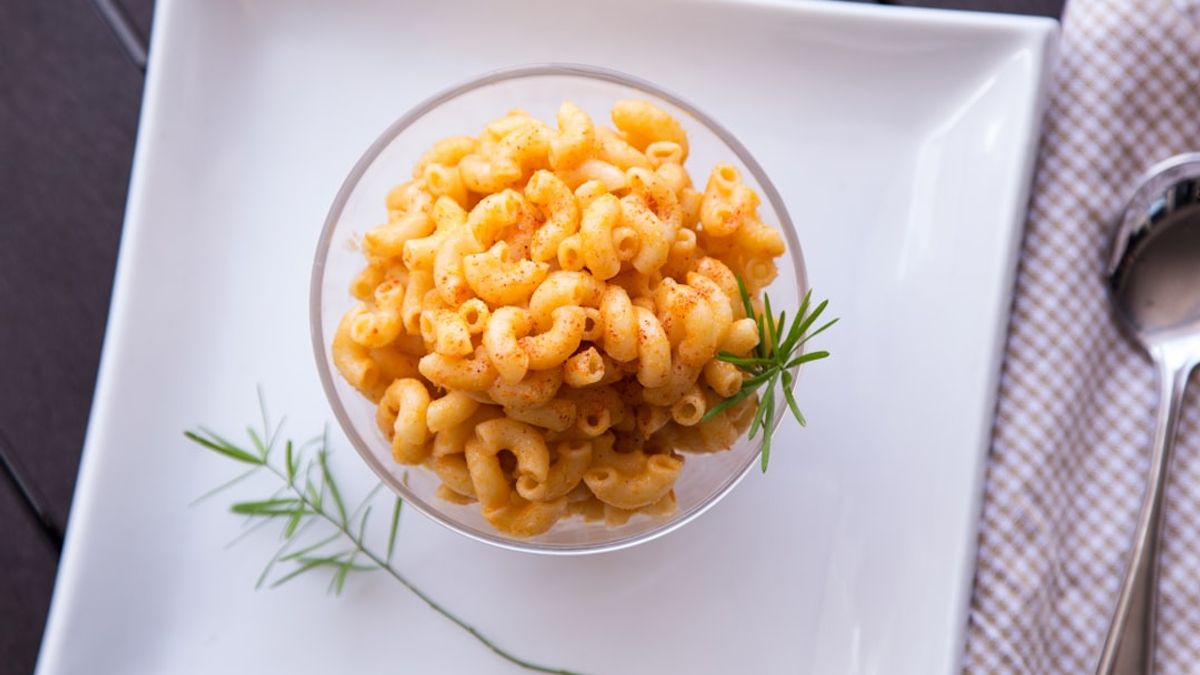
Modern southern home cooking transforms staple sides into culinary showpieces. Macaroni and cheese, for instance, might feature a blend of artisan cheeses and a crunchy panko topping. Collard greens could be braised in a miso broth or finished with citrus zest. Even cornbread sees updates, such as the addition of roasted jalapeños or honey butter, creating layers of flavor that move beyond the expected. Valerie Bertinelli Home Cooking – Returns
Plant-Based and Health-Conscious Southern Food Dishes
As dietary preferences shift, plant-forward versions of southern classics are gaining popularity. Dishes like barbecue jackfruit, vegan “buttermilk” biscuits, and cauliflower grits are featured in modern southern home cooking, appealing to a broader range of eaters. According to nutrition guides on southern home-cooked meals, these adaptations allow diners to enjoy the comfort of southern flavors while meeting health and wellness goals.
| Dish | Calories (kcal) | Fat (g) | Saturated Fat (g) | Sodium (mg) | Fiber (g) |
|---|---|---|---|---|---|
| Traditional Fried Chicken (deep-fried) | 450 | 30 | 8 | 700 | 1 |
| Modern Pan-Seared Chicken (olive oil) | 320 | 18 | 3 | 550 | 1.5 |
| Classic Macaroni & Cheese | 600 | 40 | 15 | 900 | 2 |
| Modern Mac & Cheese (artisan cheese, panko topping) | 520 | 28 | 9 | 750 | 3 |
| Traditional Collard Greens (ham hocks) | 180 | 12 | 4 | 650 | 4 |
| Modern Collard Greens (miso broth, citrus zest) | 140 | 6 | 1 | 400 | 5 |
Restaurants Lead the Charge: Where Modern Southern Home Cooking Shines
Restaurants across the South and beyond are redefining what it means to serve southern food. Establishments in cities like Nashville, Atlanta, and Charleston are famous for their creative takes, but even small-town eateries showcase the evolution. By blending old-fashioned southern cooking recipes with contemporary tastes, these restaurants elevate familiar comfort food and introduce diners to new experiences.
Case Study: Chicken and Sides at Modern Southern Tables
According to firsthand accounts from southern restaurant diners, fried chicken remains a quintessential dish, but sides like black-eyed pea salad, roasted okra, and artisanal cornbread now share the spotlight. These menus often feature house-made hot sauces, local greens, and seasonal vegetables, all presented with an eye toward freshness and flavor complexity. The result is an elevated dining experience that honors the past while looking toward the future.
Charleston’s Lowcountry Cuisine: Blending History and Innovation
Charleston’s food scene exemplifies how historic Lowcountry flavors meet modern southern cuisine. Restaurants in the region are known for their creative takes on shrimp and grits, she-crab soup, and benne seed wafers, often incorporating locally sourced seafood and innovative garnishes. According to the Michelin Guide’s overview of Charleston dining, these establishments successfully bridge tradition and innovation, making the city a benchmark for modern southern home cooking.
Cookbooks and Culinary Storytelling: Documenting the New South
The story of modern southern home cooking is being chronicled in a new generation of cookbooks, blogs, and food writing. These resources do more than provide recipes—they explore the cultural, historical, and emotional significance of southern food. As described in The ComplEAT Kitchen, contemporary authors are moving beyond nostalgic tropes, instead offering nuanced perspectives on what southerners eat today and why it matters.
The Role of Cookbooks in Preserving and Innovating Southern Recipes
Modern southern cookbooks blend old and new, often featuring recipes passed down from family with contemporary twists. These books might include classic buttermilk biscuits alongside gluten-free versions, or offer historical context for Black southern recipes such as red rice or chess pie. The best southern cooking cookbooks act as living documents, capturing both the continuity and evolution of the cuisine.
Digital Platforms and Recipe Websites
Online platforms are democratizing access to modern southern home cooking. Websites dedicated to old fashioned southern cooking recipes and modern twists attract a broad audience, from home cooks seeking comfort food to culinary professionals looking for inspiration. These resources often feature video tutorials, user reviews, and interactive forums, allowing for real-time exchange of ideas and techniques. Cookbook Club Ideas To Spark Fresh Culinary Adventures
Frequently Asked Questions
What defines modern southern home cooking?
Modern southern home cooking combines traditional southern recipes with innovative techniques, healthier ingredients, and global flavor influences, while maintaining the cultural and communal spirit of southern food.
How are traditional southern dishes adapted for health?
Chefs and home cooks use lighter cooking methods, substitute ingredients like smoked turkey for pork, incorporate more vegetables, and offer plant-based versions to reduce fat, sodium, and calories without sacrificing flavor.
What role do restaurants play in this culinary evolution?
Restaurants serve as hubs for experimentation and preservation, blending heritage recipes with contemporary tastes, sourcing local ingredients, and introducing diners to creative southern dishes that reflect both tradition and innovation.
Where can I find resources to learn modern southern cooking?
Cookbooks, food blogs, recipe websites, and digital platforms provide extensive resources, including traditional recipes, modern adaptations, video tutorials, and cultural storytelling to support cooks of all skill levels.
How are southern desserts evolving in modern kitchens?
Southern desserts are being reimagined with new flavors, alternative ingredients, and adaptations for dietary needs such as gluten-free or vegan diets, ensuring everyone can enjoy classic southern sweets with a modern twist.
What trends are shaping the future of modern southern home cooking?
Key trends include a focus on sustainability, local sourcing, global fusion, inclusivity, and the preservation of culinary heritage, all of which are influencing how southern food is prepared and enjoyed today.
The Role of Memory, Pain, and Pleasure in Southern Food
Southern food is inseparable from the emotions and memories it evokes. Cooking and eating are acts of cultural transmission, laden with nostalgia, pride, and sometimes, pain. According to a review published in Gastronomica, the relationship between food and memory is particularly potent in the South, where dishes often represent survival, resistance, and celebration.
Cooking as an Act of Remembrance
Preparing old southern recipes—such as those from the 1930s—can be an act of remembrance, connecting families to ancestors and history. These recipes, often simple and resourceful, are cherished for their authenticity and the stories they carry. Modern southern home cooking honors this legacy by preserving these traditions while making them accessible to new generations.
Pain, Pleasure, and the Complexity of Southern Foodways
The pleasures of southern home cooking are intertwined with the region’s difficult history, including the legacy of slavery and segregation. Contemporary chefs and writers acknowledge these complexities, aiming for transparency and inclusivity in their storytelling. By sharing the full narrative, modern southern home cooking becomes not just a celebration, but a space for reflection and growth. Explore 2026 Food Trends Elevating Your Culinary Skills
Pies, Sweets, and the Evolution of Southern Desserts
Southern desserts, especially pies, have always been a centerpiece of family gatherings and community celebrations. Modern southern home cooking reinvents these favorites, adding unexpected flavors or adapting recipes for contemporary diets. According to Southern Living’s vintage pie collection, classics like chess pie, key lime pie, and sweet potato pie remain beloved—but today’s bakers also experiment with ingredients like brown butter, bourbon, and even matcha.
Classic Pies With a Modern Twist
Modern southern home cooking often features reimagined versions of time-honored pies. For example, a pecan pie might include dark chocolate or smoked salt, while lemon chess pie may get a boost of candied ginger. These updates respect the original flavors while introducing new dimensions, appealing to adventurous eaters and traditionalists alike.
Adapting Desserts for Special Diets
As dietary needs evolve, southern desserts are being adapted for gluten-free, vegan, and low-sugar diets. Almond flour crusts, coconut-based fillings, and natural sweeteners are now standard in many southern bakeries and home kitchens. These innovations ensure that everyone can enjoy a slice of southern hospitality, regardless of dietary restrictions.
Modern Southern Home Cooking Patterns: Trends and Innovations
Modern southern home cooking patterns reflect larger shifts in American food culture. The movement toward seasonality, sustainability, and global fusion is evident in southern kitchens, where cooks blend heritage with experimentation. Chefs seek out local farmers, revive heirloom ingredients, and adopt techniques from other cuisines, all while maintaining a distinctly southern sensibility.
Embracing Local and Seasonal Ingredients
Locally grown produce, pastured meats, and fresh seafood are central to modern southern home cooking. Farmers’ markets and community-supported agriculture programs supply kitchens with high-quality ingredients, inspiring new takes on old dishes. Seasonal menus not only support local economies but also result in fresher, more flavorful food.
Global Influences and Fusion Cuisine
Contemporary southern chefs are increasingly drawing inspiration from around the world, creating dishes like kimchi collard greens, curry-spiced fried chicken, and tamarind-glazed ribs. This approach reflects the South’s multicultural history and its openness to innovation. By fusing global flavors with traditional southern techniques, cooks expand the possibilities of what southern food can be.
Old Southern Recipes From the 1930s: Preserving and Updating Heritage
Many of the recipes that define southern cooking trace their origins to the Great Depression and earlier. Dishes like tomato aspic, chicken and dumplings, and vinegar pie were born of necessity, using inexpensive ingredients and minimal waste. Modern southern home cooking preserves these recipes while adapting them to contemporary tastes and techniques.
Restoring Forgotten Classics
There is a growing interest in reviving lost or overlooked southern recipes. Food historians and chefs dig through old cookbooks and oral histories to rediscover dishes like pimento cheese, ambrosia salad, and cracklin’ cornbread. By bringing these classics back to the table, modern cooks celebrate the ingenuity and resilience of past generations.
Modernizing For Today’s Kitchen
While the spirit of 1930s southern cooking remains intact, modern kitchens offer new tools and ingredients. Slow cookers, pressure cookers, and high-quality pantry staples streamline preparation, while substitutions—such as olive oil for lard or almond milk for cow’s milk—accommodate contemporary diets. These updates allow home cooks to enjoy the flavors of the past with the convenience of today.
The Future of Modern Southern Home Cooking: Community, Identity, and Sustainability
As modern southern home cooking continues to evolve, its future lies in the balance between innovation and preservation. The movement is defined by inclusivity, environmental consciousness, and a celebration of regional identity. Chefs, home cooks, and food writers collaborate to ensure that southern food remains relevant, delicious, and meaningful for future generations.
Building Community Through Food
Southern food has always been about bringing people together. Modern southern home cooking fosters community through shared meals, cooking classes, and pop-up events. These gatherings celebrate diversity, foster dialogue, and strengthen cultural ties, ensuring that the southern table remains a place of welcome and connection.
Sustainability and Ethical Sourcing
Environmental stewardship is now a central concern for many southern cooks. Sourcing from local farmers, reducing food waste, and choosing sustainable seafood are common practices in modern kitchens. These efforts not only benefit the planet but also preserve the region’s agricultural heritage, ensuring that future generations can enjoy the bounty of the South.
Conclusion: The Enduring Allure and Innovation of Modern Southern Home Cooking
Modern southern home cooking stands as a vibrant testament to the region’s resilience, creativity, and generosity. By blending old-fashioned southern dishes with fresh ideas and global influences, today’s cooks honor the past while forging new culinary frontiers. The movement’s commitment to community, sustainability, and storytelling ensures that southern food will continue to captivate and comfort for generations to come.
For those eager to explore this rich tradition, the journey begins in the kitchen—experimenting with updated classics, seeking out new flavors, and sharing meals with loved ones. Whether you’re drawing inspiration from a cherished family recipe or a cutting-edge southern restaurant, modern southern home cooking offers endless possibilities for nourishment, connection, and joy. Embrace the legacy, celebrate the innovation, and discover the enduring magic of southern food in your own home today.