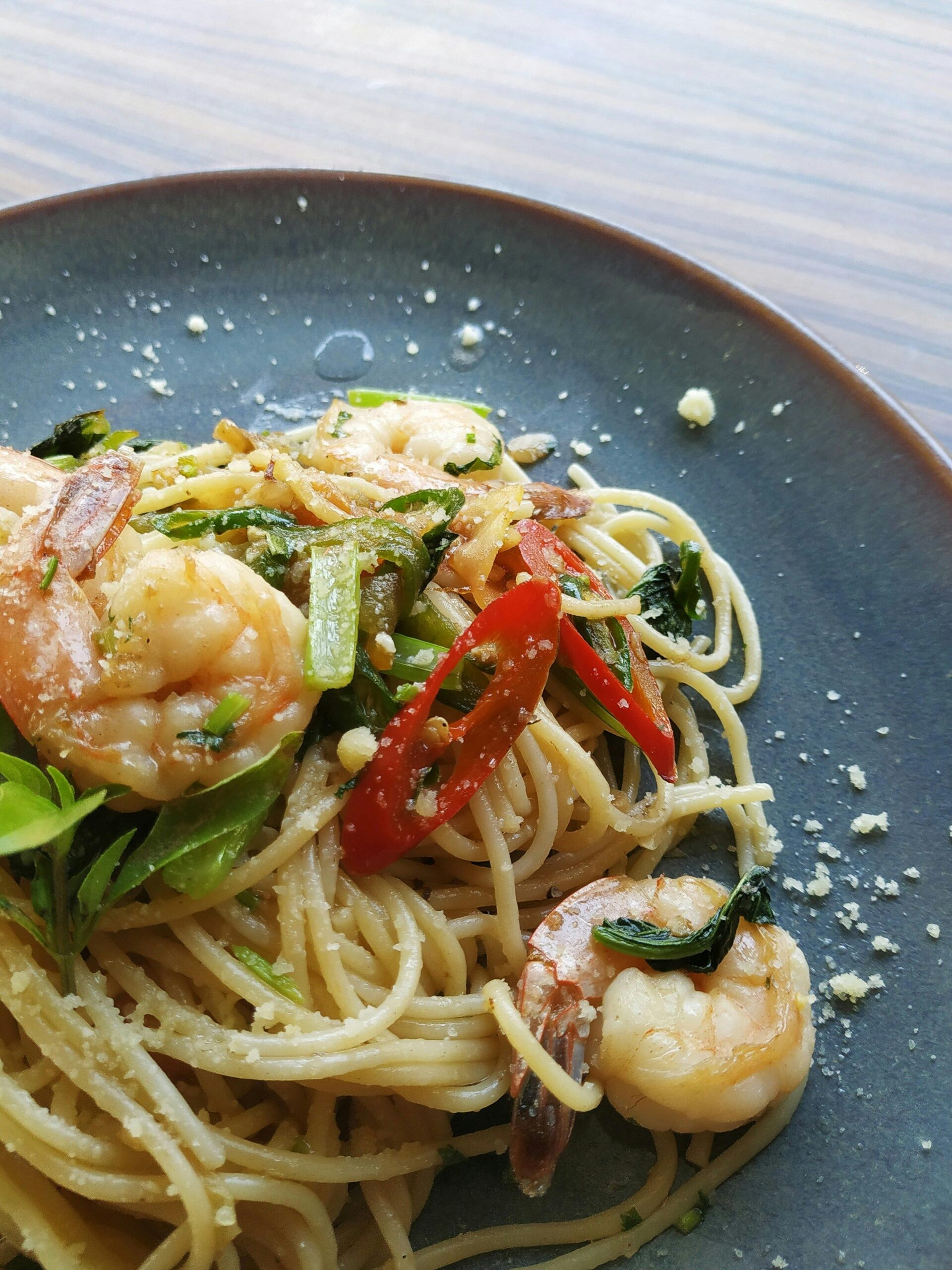
On a chilly January morning in New York, chef Dominique Crenn unveiled a tasting menu that set social media alight and foreshadowed a year of culinary innovation. The first bites—tiny, artfully fermented vegetables with a drizzle of sweet miso caramel—hinted at the core of 2026 food trends: bold flavor mashups, health-driven ingredients, and a dramatic shift in how Americans eat. Within days, TikTok exploded with home cooks attempting their own versions, sparking the most viral food challenge of the winter. This pairs well with our guide on 2026 Kitchen Trends: Top Designs To Elevate Your Cooking Space.
This early peek at 2026 food trends is more than a passing moment. According to the James Beard Foundation’s Flavor Forecast, restaurants across the U.S. are embracing savory cocktails, intentional fermentation, and the return of affordable luxury. Meanwhile, Kroger’s 2026 predictions highlight a surge in grazing and snackification, as portion control and personalization become priorities for health-conscious consumers. From Whole Foods’ focus on plant-forward innovations to the resurgence of red meat and even “blue drinks” as noted by Food & Wine, the American table is in flux.
The pace of change is rapid. Ingredient sourcing, cooking platforms, and even the 2026 food pyramid are being reimagined. Industry insiders from the National Restaurant Association to emerging TikTok creators are shaping what we eat and how we talk about food. This year, the intersection of health, indulgence, sustainability, and technology is rewriting the rules of dining. Here’s a comprehensive look at the stories, statistics, and flavors guiding 2026 food trends across the USA, with insights directly from top sources, real chefs, and the most current research.
Story Spotlight: Kroger’s 2026 Food Trend Predictions
Kroger’s 2026 food trend report reveals notable increases in sales of single-serve snacks and mini meal kits compared to previous years, reflecting a strong consumer shift toward grazing and snackification. The report highlights that a significant portion of shoppers prioritize portion control and personalized nutrition when selecting products. Additionally, Kroger has expanded its regenerative meat offerings year-over-year, responding to growing consumer demand for sustainable protein sources.
Restaurant Innovations: Savory Cocktails, Fermentation, and Affordable Luxury

Late last year, chef Marcus Samuelsson recalled a dinner at Chicago’s Ever restaurant that changed his view of what “dining out” means in 2026. The tasting menu began with a tomato-whey martini—an emblem of the new savory cocktail wave—and continued with house-fermented grains, root vegetables, and an extravagant, shareable short rib. Samuelsson noted how each course captured both comfort and surprise, two hallmarks of today’s top restaurant trends.
Industry reports support his experience. According to the James Beard Foundation’s 2026 Flavor Forecast, the following trends are dominating restaurant menus this year:
- Savory Cocktails: Drinks like clarified tomato martinis and miso-infused old fashioneds are replacing sugary concoctions.
- Intentional Fermentation: Chefs are using koji, miso, and lacto-fermentation to add complexity and enhance gut health.
- Large Plates and Sharing: Family-style service and “big plates” encourage connection and indulgence.
- Affordable Luxury: Tasting menus with accessible pricing are making fine dining less exclusive.
- Bold, Layered Flavors: Sweet-heat and sweet-savory combinations, such as miso caramel or tahini swirl desserts, are everywhere.
These shifts reflect a deeper focus on experience, flavor intensity, and a desire to surprise diners. Industry observations indicate that a notable portion of new restaurant concepts opening in major cities now feature fermentation or a signature savory cocktail. Social media amplifies this momentum, with TikTok and Instagram serving as key platforms for trend discovery and recipe inspiration.
Emerging Insights on Restaurant Trends
- Fermentation is not just a flavor enhancer but also a health-driven ingredient increasing in menu prominence.
- Savory cocktails have grown in popularity, representing a significant share of new cocktail menu items in urban restaurants.
- Affordable luxury tasting menus have expanded access, with more venues offering multi-course meals at accessible price points.
Health-Focused Eating: Fiber, Red Meat Revival, and the New Food Pyramid
Fiber is poised to become the year’s dietary superstar, with industry insights suggesting consumption is on the rise compared to previous years. This surge is driven by a combination of gut-health awareness, interest in GLP-1 related diets, and the influence of health-focused platforms.
At the same time, 2026 food trends USA reports reveal a renewed interest in red meat—particularly grass-fed and regenerative varieties—alongside plant-based dishes. According to Food & Wine, blue drinks and playful throwbacks are making a splash on beverage menus, offering nostalgia with a modern, health-conscious twist. For practical tips, check Beginner Cook Recipes: 7 Easy Dishes To Master Today.
Americans are balancing indulgence and functionality more than ever. The revised 2026 food pyramid, as outlined by the USDA, places a stronger emphasis on fiber-rich vegetables, fermented foods, and moderate portions of animal protein. Probiotic-rich foods like kimchi, kefir, and yogurt are mainstream, and snackification is becoming a primary eating pattern. Instead of three large meals, “mini meals” or grazing—highlighted in Kroger’s predictions—are gaining traction among busy professionals and families alike.
This evolution of the American diet reflects several key priorities:
- Gut health and fiber
- Personalized nutrition and portion control
- Balanced inclusion of animal and plant proteins
- Nostalgic flavors with a healthy spin
Research published in the American Journal of Clinical Nutrition suggests that diets emphasizing fiber and fermented foods may support digestion and immune health, though individual results can vary. This blend of health, flavor, and flexibility defines what’s on America’s plate in 2026.
“The integration of fermentation and fiber-rich ingredients into everyday meals represents a significant advancement in how we approach nutrition and flavor. It’s a trend that combines tradition with modern science to benefit both palate and health.”
Social Media’s Role in Snackification and Mini Meals
Why are so many 2026 food trends recipes going viral on social platforms? The answer lies in the fusion of fast, fun, and functional eating. Analysis of TikTok and Instagram in early 2026 shows that snackification—the art of eating small, diverse bites throughout the day—has become a dominant food movement.
Social media food trends 2026 highlight grazing boards, one-bite snacks, and customizable mini meals as the format of choice for both home cooks and restaurants. The reasons behind this shift are multifaceted:
- Portion Control: Mini servings help Americans manage calories while sampling many flavors.
- Personalization: Snack boards and bento boxes allow for dietary customization and creative expression.
- Shareability: Visually stunning snacks are tailor-made for TikTok and Instagram stories.
- Convenience: Busy schedules demand flexible, portable meal options.
- Health Focus: Bite-sized portions make it easier to incorporate nutrient-dense and fiber-rich foods.
Kroger’s 2026 trend report underscores this movement, noting that grocery store sales of single-serve snacks and mini meal kits are outpacing traditional lunch and dinner staples. Whole Foods’ trends likewise feature snack-friendly items designed for both taste and wellness. At home, Americans are experimenting with global flavors, functional ingredients, and easy-to-assemble recipes that spotlight variety and balance.
Global Flavor Mashups and the Rise of “Fricy” Cuisine
“2026 is the year of fricy—fresh and spicy—flavors,” declares chef Anita Lo, whose Manhattan pop-up has earned acclaim for its sweet-savory mashups and international inspiration. Lo’s signature dish, a chili-honey roasted carrot with tahini yogurt, exemplifies the playful complexity that diners crave. Related reading: Professional Chef Kitchen Rules For Mastering Home Cooking Today.
This context mirrors findings from the BBC’s 2026 food trend roundup, which singles out fricy flavors, mini portions, and functional foods as key themes. Compared to previous years’ trends that leaned heavily on single-ingredient superfoods or hyper-localism, today’s focus is on layered flavors and cross-cultural creativity.
A side-by-side comparison of popular 2025 and 2026 dishes shows clear evolution:
- 2025: Sweet-heat dominated, with chili crisp drizzles and spicy honey on everything.
- 2026: Sweet-savory combinations like miso caramel, black sesame with citrus, and spicy-tart fruit salsas lead the pack.
Lo credits this shift to a new openness among both chefs and eaters to experiment, influenced by global travel, migration, and the reach of digital platforms. Restaurants are now more likely to blend techniques and flavors from Korean, Middle Eastern, and Latin American cuisines, creating menus that defy easy categorization.
Grocery Innovation: Personalization, Transparency, and Regenerative Sourcing
Walk into a Whole Foods Market in Los Angeles today, and you’ll spot a host of new products that embody 2026 food trends USA: fiber-packed tortillas, plant-based “cheeses” with live cultures, and adaptogenic beverages in hues of blue and pink. Grocery giants are racing to meet consumer demand for foods that are at once nutritious, customizable, and visually striking.
Personalized Shopping Experiences
Whole Foods’ 2026 food trends focus on personalization and functional nutrition. In-store kiosks now offer DNA-based meal planning, and prepared food counters feature globally inspired, mix-and-match snack platters. Kroger’s predictions highlight similar themes, with a special emphasis on “grazing” and mini-meal kits designed for on-the-go lifestyles.
Ingredient Transparency and Sourcing
Consumers want to know the origins and health benefits of what they buy. Industry observations indicate that a large portion of U.S. shoppers now read ingredient labels and seek out foods with clear sourcing. Both Whole Foods and Kroger are expanding lines of regenerative meats, heritage grains, and locally fermented products.
This grocery innovation is not just a response to demand but also a driver of further trends. As seen in Food Dive’s 2026 outlook, mergers and partnerships are accelerating the rollout of new health-focused and globally inspired products nationwide.
Innovative Beverage Trends: Blue Drinks, Sensory Sips, and Wellness
When New York’s Dante bar launched its “Electric Blue Fizz” in late 2025, lines stretched around the block. By spring 2026, blue drinks—many made with spirulina, butterfly pea flower, or blue algae—had moved from novelty to staple in cafes and cocktail menus nationwide. This trend, highlighted by Food & Wine, taps into both nostalgia and wellness.
Beverage trends 2026 are defined by their sensory appeal. From texture-rich bubble teas to savory coffee infusions, drinks have become a playground for experimentation and self-expression. Americans are drinking less alcohol but seeking more complex, layered flavors. According to industry insights, nonalcoholic beverage sales have increased notably over recent years, with “sensory sips” leading the charge. Explore this further in Modern Southern Home Cooking Brings Comfort To Your Table Today.
Key Beverage Trends
- Blue drinks made with natural pigments
- Fermented sodas and health tonics
- Savory cocktails with ingredients like tomato, seaweed, or miso
- Bubble teas and other textural beverages
- Low- and no-alcohol options with bold flavor profiles
This beverage revolution reflects broader 2026 food trends: a blending of health, fun, and personalization that’s rewriting the rules of how—and why—Americans drink.
Home Cooking and Recipe Innovation: Embracing the 2026 Food Trends
Not all food innovation starts in restaurants or grocery aisles. Home cooks are at the forefront of 2026 food trends, experimenting with recipes that prioritize fiber, fermentation, and flavor mashups. The recent viral success of the “fiber wrap challenge” on TikTok, which encouraged millions to craft wraps stuffed with gut-friendly fillings, shows the power of social media food trends 2026.
Recipe Innovations
- Sweet-savory breakfast bowls with roasted fruit, miso caramel, and toasted seeds
- Mini grazing boards featuring pickled vegetables, artisanal cheeses, and fiber-rich crackers
- One-bite desserts that combine global flavors, such as tahini brownies with cardamom
- Fermented yogurt parfaits layered with citrus and spicy honey
- Blue smoothie bowls using spirulina and tropical fruit
Whole Foods’ in-house cookbook, “Eat Colorfully in 2026,” features dozens of these trending dishes, emphasizing ease, health, and visual appeal. The New York Times (NYT) has dedicated a weekly column to 2026 food trends recipes, further fueling experimentation at home.
Home cooks are not merely following but actively shaping what becomes mainstream, as viral hits and creative spins quickly influence grocery offerings and restaurant menus alike.
Functional Foods and Well-Being: Supporting Health Goals Through Diet
There’s a growing belief that food should do more than satisfy hunger—it should actively support well-being. In 2026, functional foods are a top priority for both consumers and product developers. This includes everything from adaptogen-laden beverages to high-fiber snacks and probiotic-rich fermented items.
According to research published in the journal Frontiers in Nutrition, diets that incorporate a variety of fibers, probiotics, and plant-based compounds may help support digestive and metabolic health; however, individual responses can vary and more research is ongoing. Brands are responding with transparent labeling, clinical partnerships, and product innovation.
- Prebiotic and probiotic yogurts
- Fiber-enhanced breads and snacks
- Adaptogenic teas and tonics
- Plant-based protein blends
- Anti-inflammatory spice mixes
The intersection of taste and well-being is driving consumer choices. Many Americans are moving beyond fad diets and focusing on sustainable, enjoyable ways to eat better every day.
Dining Redefined: Affordable Luxury and Food Inclusivity
In 2026, the definition of “luxury dining” is shifting away from exclusivity and toward inclusivity and value. Affordable luxury tasting menus—once reserved for elite diners—are now available at neighborhood restaurants across the country. This trend allows more people to experience innovative cuisine without exorbitant prices.
At the same time, food inclusivity has become a guiding principle. Menus are increasingly allergy-aware, embracing gluten-free, dairy-free, and plant-based options as standard. Restaurants and brands are partnering with nutritionists to ensure offerings meet diverse dietary needs, a move encouraged by advocacy from groups like the Celiac Disease Foundation and the American Heart Association.
Dining experiences are also adapting to new social rituals. Communal tables, shareable plates, and interactive courses are designed to foster connection and fun. The 2026 food trends USA scene is more welcoming, more creative, and more accessible than ever before.
What Comes Next: The Future of Food in 2026 and Beyond
As the culinary calendar turns toward the second half of 2026, the landscape of American eating looks more dynamic and health-focused than ever. Restaurant chefs like Dominique Crenn and Anita Lo continue to push boundaries, while grocery giants such as Whole Foods and Kroger drive innovation in every aisle. The blending of health, global flavors, and visually compelling foods is not a passing fad but a sustained movement, reshaping the 2026 food trends food pyramid and daily eating habits.
Social media remains a powerful engine for food culture, turning home cooks into influencers and accelerating the spread of snackification, mini meals, and bold beverage trends. At the same time, research institutions and nutrition advocates are helping Americans make sense of functional foods, fiber, and fermentation, supporting a more informed approach to wellness.
Looking ahead, expect personalization, inclusivity, and sustainability to continue driving change. Whether you’re a chef, a home cook, or a curious eater, there’s never been a more exciting time to explore what’s possible on your plate. For those eager to try the latest 2026 food trends, the invitation is clear: experiment, share, and enjoy the new flavors and experiences that define this groundbreaking year in American cuisine.
Disclaimer: The information provided on this website is for general informational purposes only and does not constitute professional medical or nutritional advice. Readers are encouraged to consult with qualified healthcare professionals before making any decisions based on the content. Individual results may vary. We do not guarantee the accuracy, completeness, or suitability of the information presented.