The first time a major grocery brand labeled a sauce “swangy,” shoppers stopped to read the fine print. Spicy, sweet and tangy in one bottle felt like a dare—and a preview of where flavor was headed. Within months, “swavory” snacks and condiments followed, and the phrase “swavory swangy food trends” began appearing in industry decks, consumer reports and chef briefings. What looked like a quirky marketing gimmick has quickly become one of the defining flavor stories of food trends 2026. Related reading: Weeknight Cookbook Recipes: 10 Fast Dinners Under 30 Mins.
These mash‑up terms do more than describe heat levels. They capture a broader shift in how people want to eat: layered, emotional, nostalgic and global all at once. Nestlé’s 2026 kitchen trends story highlights “swangy” (spicy + sweet + tangy) and “swavory” (spicy + sweet + savory) as headline directions, evolving from the earlier “swicy” wave. At the same time, coverage from NPR and analysis from industry outlets show how these profiles connect to “newstalgia,” value‑driven dining and a more relaxed, slower style of eating.
This article maps that landscape in detail. It unpacks how swavory and swangy flavors emerged, why they resonate with stressed and price‑sensitive consumers, and how they intersect with health food trends 2026, fast food trends and broader food‑media coverage. It also translates those insights into practical ideas: what a swavory‑swangy menu might look like at home, how brands are building recipes around these profiles, and why retailers from specialty grocers to mass chains are betting on this layered flavor language. In short, it explores how swavory swangy food trends are reshaping the 2026 flavor play.
From swicy to swavory and swangy
In one often‑cited example from NPR’s early‑2026 segment on emerging flavors, a chef described a miso caramel sundae finished with chile oil and plum compote. Sweet, salty, funky, fruity and just a little hot—essentially swavory in a bowl—this kind of dessert would have seemed niche a decade ago but now reads like a blueprint for where mainstream flavor is heading.
Nestlé’s 2026 trends story traces the evolution back to the “swicy” boom—sweet plus spicy—seen in hot honey, gochujang glazes and chili‑mango snacks. As swicy became ubiquitous, consumers started looking for more nuance. A retail synthesis published early in 2026 breaks the new language down very clearly:
- Swangy: spicy, sweet and tangy—think chili‑lime pineapple, tamarind hot sauce or a grapefruit‑chile spritz.
- Swavory: spicy, sweet and savory—like honey gochujang wings, maple‑chile roasted nuts or miso‑caramel popcorn.
- Hybrid or “swing” profiles: dishes that can read as either swangy or swavory depending on context, such as chile‑plum sauces or spicy‑sweet glazes used across proteins and produce.
Observers note these flavor combinations are common in Mexican, Korean, Thai and West African cooking; the novelty is that large packaged‑food players, restaurant groups and retailers are codifying them into clear, playful labels. That shorthand helps shoppers quickly understand what a sauce or snack will taste like without parsing a long ingredient list.
For product developers, the swavory‑swangy vocabulary provides a framework for experimentation. A chip flavor can be briefed as “lean into swangy, less smoke, more citrus,” or a beverage team can be tasked with “a swavory‑adjacent mocktail that still feels refreshing.” This language is quietly reshaping R&D meetings as much as it is changing pantry shelves, and it sits at the center of many swavory swangy food trends in 2026.
Context: NPR’s early‑2026 coverage highlighted restaurant examples used by chefs to illustrate the layered‑flavor concept, including a miso caramel sundae finished with chile oil and plum compote—an item that blends sweet, salty, umami, fruit acid and heat.
Factual findings: The NPR example lists five distinct sensory components—sweet, salty, funky (umami/fermentation), fruity (acid/tang) and hot—demonstrating how a single item can move beyond binary sweet‑spicy into swavory territory when umami or acid are intentionally added. The example follows a transferable pattern: base, sweet, heat and tang or umami finish.
Source attribution: Reporting referenced: NPR; additional context on naming and retail synthesis: Nestlé 2026 kitchen trends and industry retail summaries.
One common thesis in current flavor analysis is that swavory and swangy profiles are emotional as much as sensory. A deep‑dive into flavor, texture and ingredient trends argues that “newstalgia”—a blend of nostalgia and novelty—is a core driver of 2026 eating habits. People want food that feels familiar but arrives in a surprising format or with a global accent.
Swangy and swavory flavors slot neatly into that desire. A honey‑mustard chicken tender is a childhood staple; add fermented chili, preserved lemon or tamarind and it becomes swangy without losing its comfort factor. An ice cream base modeled on vanilla soft‑serve can carry ribbons of tahini, miso caramel or chile plum and suddenly read as swavory. The recognizable structure lowers the barrier to trying something new.
Coverage of 2026 dining trends reinforces this point by highlighting “dopamine décor” and value‑driven menus: restaurants are creating spaces and dishes designed as small mood boosts in a stressful economic and social climate. Layered flavors that deliver multiple sensations—sweet relief, gentle heat, bright acidity or umami depth—support that goal, making a single bite feel like a mini experience even in fast‑casual settings.
Health‑conscious diners are not excluded. Health food trends 2026 increasingly emphasize satisfaction and fullness over strict deprivation. A swangy dressing built on citrus juice, herbs and measured chili can make vegetables more appealing without heavy cream. Likewise, a swavory glaze using miso, modest sugar and chili flakes can transform roasted carrots or tofu into a centerpiece. The same flavor logic that makes indulgent snacks addictive can be redirected toward nutrient‑dense meals, illustrating how swavory swangy food trends can align with wellness goals.
How does a cook or product developer know when a recipe has crossed from simple sweet‑spicy into full swavory or swangy territory? The language is playful, but the structure is consistent.
At its core, a swavory profile layers three sensations: sweetness, heat and a clearly savory note such as umami, fat or roasted depth. A swangy profile swaps that savory element for bright acidity or tang. In both cases, balance matters as much as intensity. If the chili dominates, the dish just tastes hot; if the sugar overwhelms, it reads as candy with a kick. For practical tips, check 2026 Food Trends: Chefs And Grocers Rewire Your Pantry.
- Anchor the base flavor
Start with a familiar anchor—fried chicken, popcorn, ice cream, roasted vegetables, grilled tofu—to give eaters a frame of reference. - Choose the sweet component
Use honey, maple, brown sugar, date syrup, fruit purée or sweetened condensed milk depending on context. - Layer in the heat
Chili crisp, hot sauce, gochujang, chipotle, Aleppo pepper, black pepper or ginger provide different styles of warmth that can be tuned up or down. - Add tang or umami
For swangy, reach for citrus juice, vinegar, tamarind or pickled elements; for swavory, use miso, soy, browned butter, cheese or roasted alliums. - Adjust for balance
Taste and tweak, nudging sweetness, heat and tang or savoriness until no single element overwhelms the others.
In many dishes highlighted by early‑2026 flavor coverage, that structure appears almost unconsciously. A chile‑plum sauce can swing swangy with grilled fish or read swavory over seared pork; context changes how the same components register.
That pattern makes a swavory‑swangy menu interesting for chefs: understanding the architecture allows remixing pantry items rather than starting from scratch. A bar program might reframe a spicy margarita as swangy by emphasizing grapefruit and tamarind, while a kitchen reworks a honey‑garlic wing into a swavory gochujang‑miso version. The menu language shifts while operational load stays manageable, which is one reason swavory swangy food trends appeal to busy operators.
One flavor strategist quoted in Nestlé’s 2026 trend story notes that swangy is an entry point into a broader move toward “layered sensory experiences” across snacks, beverages and center‑of‑plate items. That perspective treats these terms as doorways into more complex product architectures rather than one‑season fads.
Restaurant reporting shows how this plays out: upscale casual spots in large cities have been early adopters of swavory desserts—tahini‑swirled brownies with chili‑salted caramel, or olive‑oil cakes with grapefruit‑chile glaze—while neighborhood bistros introduce swangy vinaigrettes on grain bowls, using citrus and fermented chilies to wake up simple plates.
- Snacks lean heavily swavory, especially nuts, popcorn, chips and coated crackers where fat and umami provide the anchor.
- Beverages skew swangy, with spicy‑citrus seltzers, ginger‑chile lemonades and nonalcoholic cocktails built on tart fruit and gentle heat.
- Desserts toggle between the two, often swavory when dairy‑rich and swangy when fruit‑forward.
Fast food trends are beginning to reflect this split. Limited‑time chicken sandwiches may highlight swavory glazes—honey‑miso‑chile or maple‑chipotle‑soy—while seasonal beverages and frozen drinks experiment with swangy profiles such as mango‑chile‑lime or pineapple‑jalapeño. Mainstream coverage suggests chains see these flavors as a way to add excitement without alienating core customers.
Chef‑driven outlets echo the same logic: chefs frequently mention “sweet heat plus acid” or “sweet heat plus funk” as tools for building memorable small plates. The vocabulary may differ, but the architecture aligns closely with swangy and swavory frameworks, indicating staying power rather than a passing buzzword.
Swavory swangy food trends in the broader 2026 landscape
Zooming out, swavory and swangy flavors sit inside a larger constellation of 2026 food and dining trends. Several overlapping forces—economic pressure, a desire for emotional comfort, and curiosity about global ingredients without the formality of fine dining—help explain their rise.
Value, vegetables and slower dining
A regional feature on shifting 2026 food trends highlights three Vs: vegetables, value and vibes. Diners are trading some fast, on‑the‑go meals for slower, easier dining at home or in relaxed restaurants. They still care about budget, but they also want meals that feel like an occasion. Swangy dressings and swavory glazes make inexpensive ingredients—cabbage, beans, rice, frozen chicken—feel more special. You might also enjoy Home Cooking Processed Foods: Reclaim Flavor, Cut Additives.
The evolution from swicy to swangy and swavory can be read as “flavor maturing.” Instead of blunt heat, people want layers that reward slower eating: the first bite may feel sweet, the second reveals tang or umami, and the third delivers lingering warmth. That pacing fits with longer dinners and shared plates.
Premium cues and specialty retail
While annual trend lists from premium grocers emphasize plant‑forward eating, upcycled ingredients and functional beverages, their selections often intersect with swavory and swangy trends. Fermented chili pastes, global spice blends and citrus‑forward condiments appear in trend displays, equipping home cooks to build these flavors without being told what to call them.
A swangy sauce made with real citrus, quality vinegar and carefully chosen chilies aligns more closely with premium positioning than a generic “sweet heat” glaze. That alignment encourages better‑for‑you brands to adopt the language and push beyond simple sugar‑plus‑spice formulas.
Newstalgia and “dopamine décor” in restaurants
Bright colors, playful plating and nostalgic references are responses to heavy news cycles, and swavory and swangy dishes plug into that same mood. A neon‑orange chili‑cheese corn dish with a hint of sweetness and lime can be plated in a vintage diner bowl; a swavory sundae can arrive in a metal coupe reminiscent of childhood ice cream parlors. The flavors are modern, but the visual and emotional cues recall simpler times.
This combination of emotional comfort, visual fun and sensory complexity explains why menus across price points are experimenting with swavory and swangy recipes rather than treating them as fringe ideas. The trend is less about chasing novelty and more about rebuilding joy around everyday eating.
Health food trends 2026: where indulgence and wellness meet
Health‑oriented brands and nutrition‑minded consumers are approaching swavory and swangy flavors with cautious optimism. They recognize the appeal of layered combinations but also worry about added sugar, sodium and ultra‑processed ingredients. The most interesting developments in health food trends 2026 sit at that intersection.
Leveraging natural sweetness and whole ingredients
Instead of relying exclusively on refined sugar, many better‑for‑you products use fruit purées, dates or small amounts of honey to create the sweet component. A snack brand might coat roasted chickpeas in a chili‑date glaze with lemon zest, delivering crunch, protein and fiber alongside layered flavor. Similarly, a salad kit could include a citrus‑chile vinaigrette using orange juice, olive oil and spices in place of thicker, sugar‑heavy dressings. For more on this topic, see American Home Cooking For Two: Weeknight Meals That Spark.
Clinical guidance referenced in reporting generally encourages limiting added sugars and sodium, while building meals around vegetables, whole grains and lean proteins supports overall health. Within that framework, a swangy marinade used sparingly on grilled vegetables or a swavory drizzle over a grain bowl can be compatible with a balanced diet, especially when the rest of the plate is nutrient‑dense.
Functional heat and mindful indulgence
Some wellness‑oriented brands highlight chili, ginger and spices for perceived functional benefits as well as flavor. Research compiled in scientific databases has explored how certain chili compounds may influence appetite or metabolism, though findings vary and are context‑dependent. Industry communicators position swavory and swangy products as “mindful indulgences”—foods that feel exciting and satisfying in small portions, which can help some consumers avoid grazing on blander snacks.
Nonalcoholic beverages are another frontier. A swangy ginger‑citrus‑chile spritz can provide a complex, adult flavor profile without alcohol, aligning with sober‑curious and moderation movements. Health‑minded drinkers often prefer these layered profiles to ultra‑sweet sodas because heat and tang slow down sipping and make each glass feel like a deliberate choice rather than a habit.
| Metric | Value | Source |
|---|---|---|
| Headline flavor categories identified in Nestlé’s 2026 kitchen trends | 3 categories (swicy, swangy, swavory) | Nestlé USA (2026) |
| Sensory components listed in NPR’s miso‑caramel sundae example | 5 components: sweet, salty, funky, fruity, hot | NPR (Jan 2026) |
| Recommended added sugar limits (AHA guidance cited by clinical summaries) | Women: approx. 25 g/day; Men: approx. 38 g/day | Clinical guidance summarized by health organizations |
| Indexing of scientific studies on capsaicin and metabolism (PubMed search, 2026) | ~1,200 indexed results for related search terms (approx.) | Scientific literature databases (search conducted 2026) |
Building a swavory swangy menu at home
For home cooks, designing a swavory‑swangy menu often involves small tweaks rather than radical reinvention. The goal is a progression of dishes that echo one another’s flavor logic without becoming repetitive.
Starters and snacks
Swangy starters work well because acidity wakes up the palate: roasted cauliflower tossed in a chili‑lime‑honey glaze, or shrimp skewers marinated in orange juice, garlic, chili flakes and a touch of brown sugar. For a swavory opening, spiced nuts coated in maple, smoked paprika, chili and soy deliver sweet‑spicy‑savory crunch.
These dishes can be built from pantry staples. A basic hot sauce, citrus, a sweetener and either soy or vinegar form the backbone of multiple recipes. Many brand‑created downloads and retailer recipe booklets follow simple ratios that can be adapted to different proteins or vegetables.
Mains and sides
For mains, swavory glazes shine on roasted or grilled items: chicken thighs with a honey‑miso‑gochujang coating, salmon with maple‑soy‑chile lacquer, or tofu baked in a miso‑tahini‑chili sauce. Sides can lean swangy: cabbage slaws with chili‑lime dressing, roasted sweet potatoes finished with tamarind‑chile syrup, or rice bowls topped with pickled jalapeños and citrusy salsas.
Balance across the table matters. If the main is heavily swavory, a bright, tangy side prevents palate fatigue; a very swangy main pairs well with a more neutral grain or lightly seasoned vegetable to keep the meal from tipping into sensory overload.
Desserts and drinks
Desserts are an opportunity to play with swavory gently: vanilla ice cream drizzled with miso caramel and sprinkled with chili‑salted peanuts demonstrates the concept without advanced skills. A fruit crumble becomes swangy with lime zest, ginger and a hint of chili, served with lightly sweetened yogurt instead of heavy cream.
Drinks tie the menu together. A nonalcoholic swangy spritz built on grapefruit juice, sparkling water, a spoonful of chili‑honey syrup and a squeeze of lime echoes starters and mains without repeating them exactly. For alcohol drinkers, a mezcal‑based cocktail with pineapple, lime and chili sits squarely in swangy territory while staying refreshing.
How brands and media are codifying swavory swangy recipes
Food brands and media outlets are working to turn swavory and swangy recipes into repeatable formats, making these flavors accessible enough for everyday use while still feeling novel.
Retailer recipe cards and PDFs
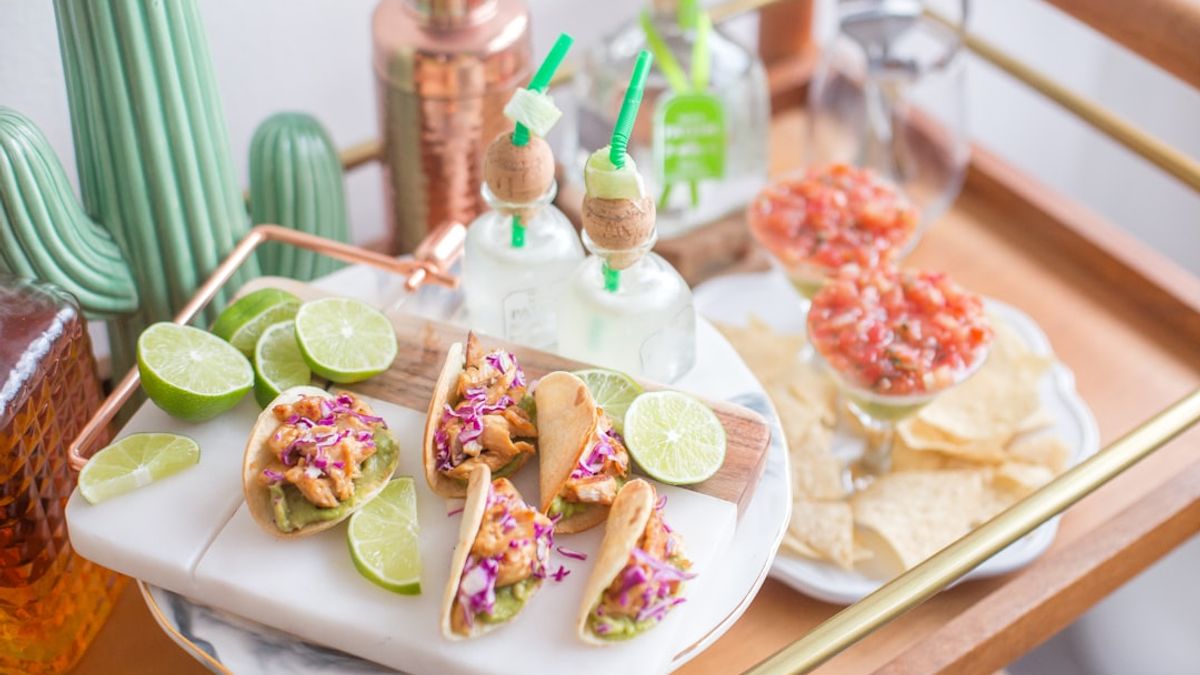
Grocery chains and CPG brands increasingly release downloadable recipe booklets that showcase new products. A swangy hot sauce might be accompanied by a “week of swangy dinners” booklet featuring tacos, grain bowls and a brunch dish, while a swavory snack line could appear in a game‑day flavor playbook with mix‑and‑match suggestions.
These materials typically break recipes into modular components: base, sauce, finishers and suggested pairings, along with simple ratios and swap suggestions that make recipes adaptable to different proteins, vegetables or dietary preferences.
As the language spreads across retail, restaurants and media, swavory and swangy have moved from niche descriptors to practical frameworks that help cooks, marketers and retailers design layered, emotionally resonant eating experiences for 2026 and beyond. Together, these swavory swangy food trends are shaping how consumers talk about, shop for and savor flavor in the years ahead.