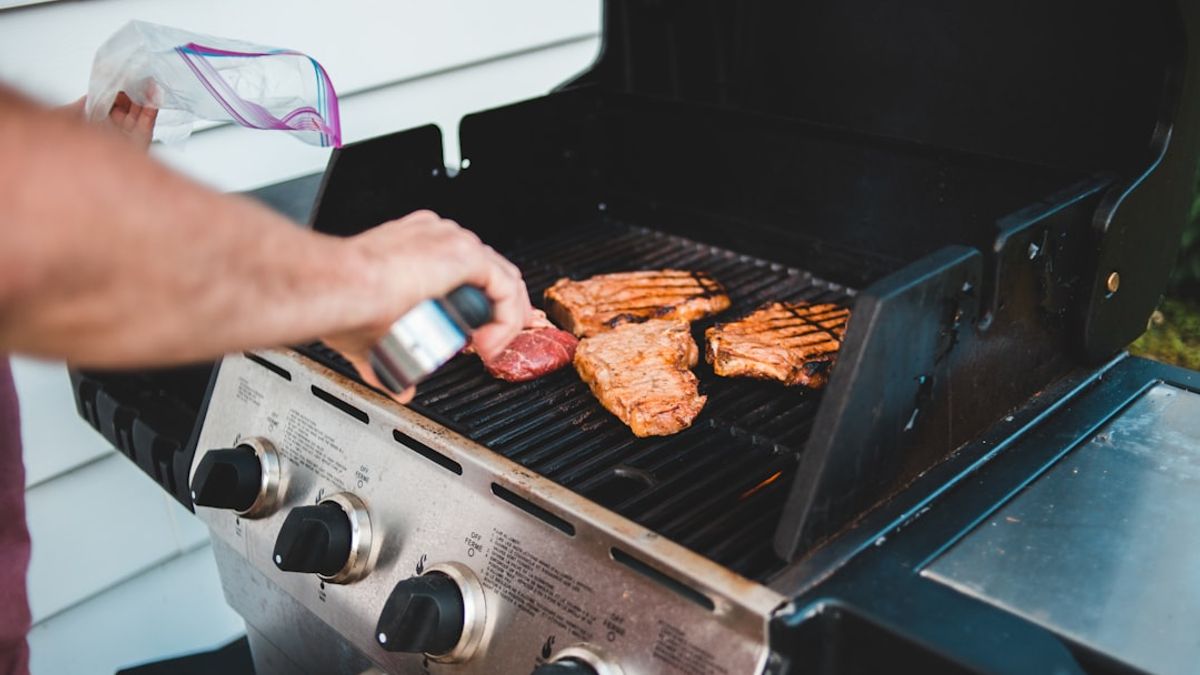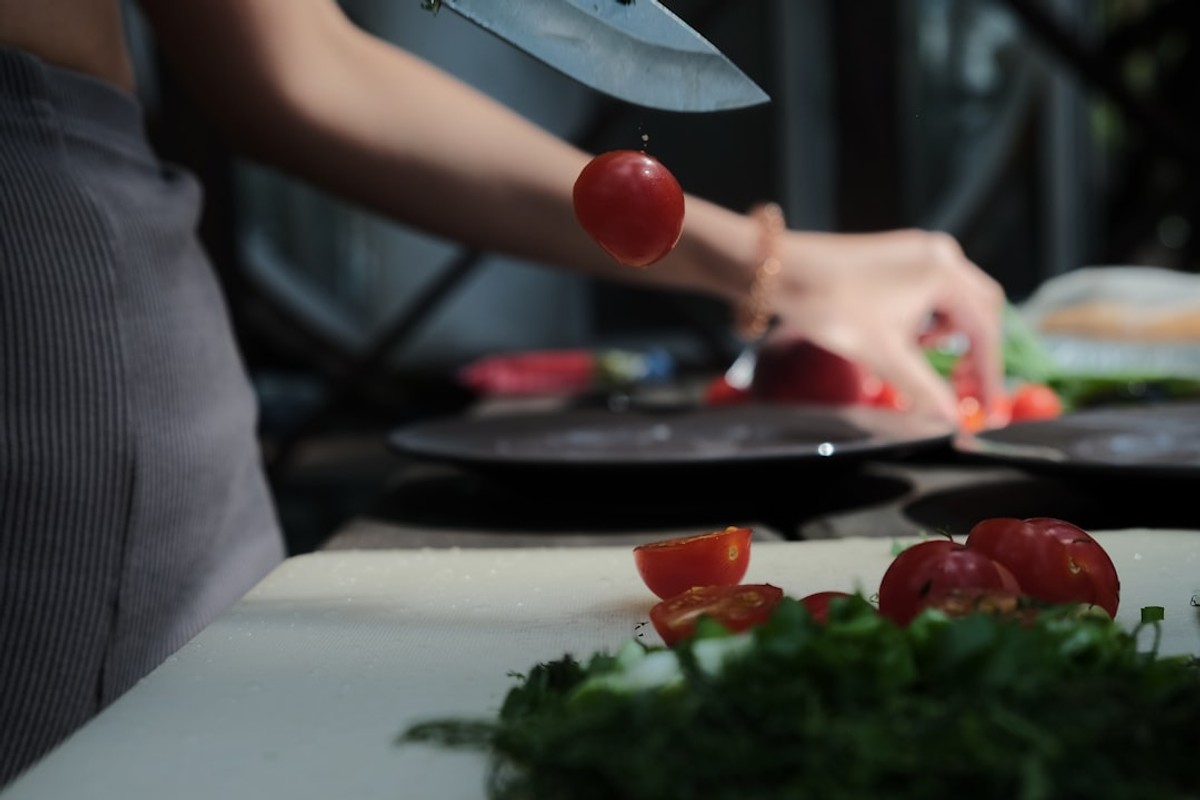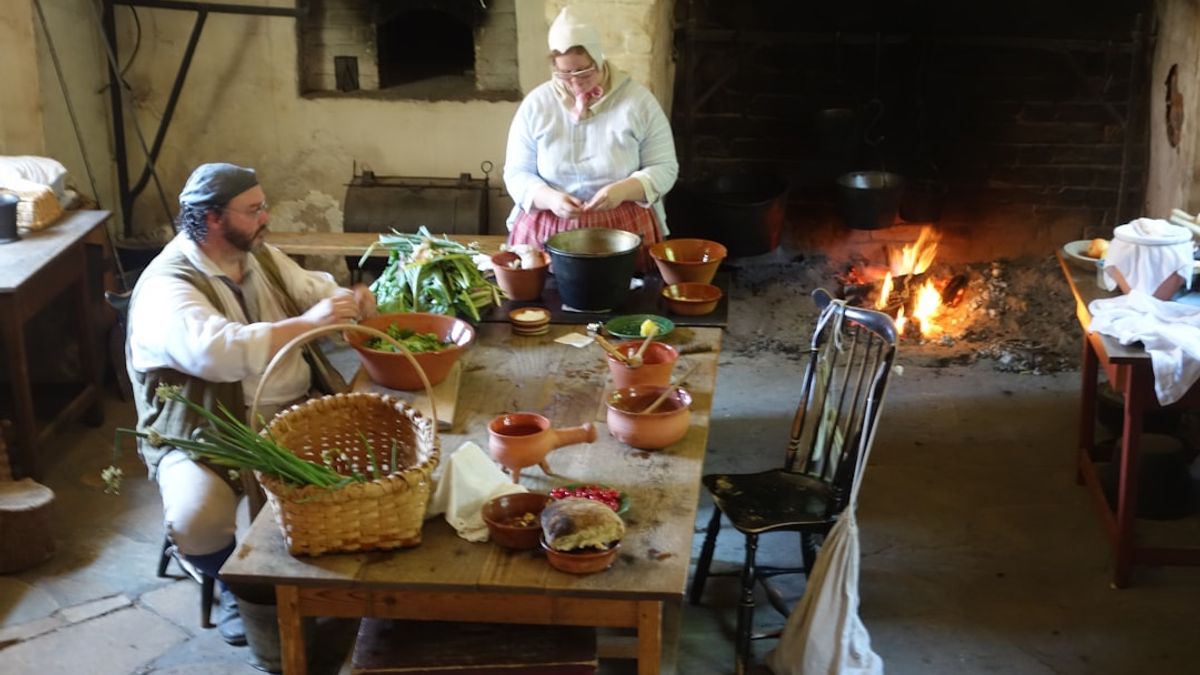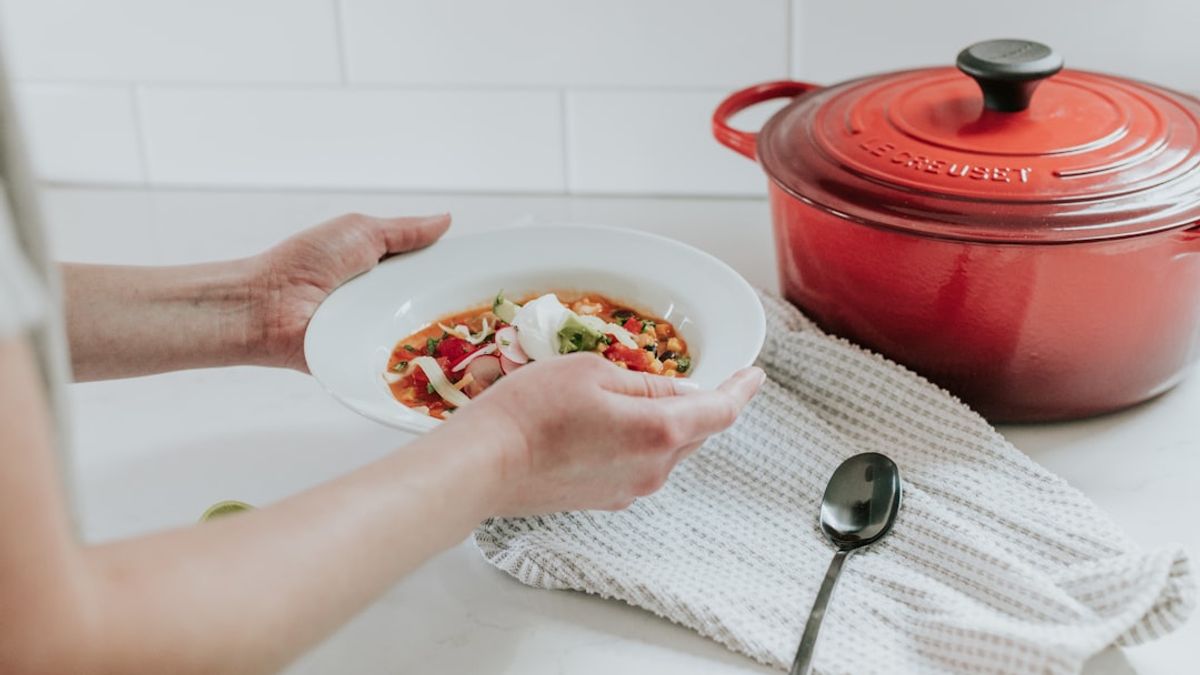
On a Tuesday night in Austin, a software engineer is searing salmon while a retired teacher in Fresno whisks a lemon beurre blanc. Both are following the same chef on Zoom, part of a surge in online cooking classes that has quietly reshaped how Americans learn to cook. What began as a gap‑filling experiment during lockdowns has matured into a serious alternative to brick‑and‑mortar culinary schools, with offerings that range from free, one‑off workshops to structured multi‑week programs. You might also enjoy How Americans Cook 2026: Save Time With Smarter Meals.
Platforms like Homemade Cooking, America’s Test Kitchen Online Cooking School, and Sur La Table’s virtual studios now compete directly with local classes in California, Texas, and beyond. At the same time, independent instructors such as Chef Shelby Fahrni of Le Cooking Studio have built loyal followings by teaching home cooks live, every week, from their own kitchens through online cooking classes.
For decision makers—whether you run a food brand, a culinary school, or you are simply deciding where to invest your own learning time—the question is no longer whether these are “real” education. The question is how to separate entertainment from instruction, and which models actually build durable skills. In my experience working with both culinary educators and home cooks, the most successful online programs share three traits: a clear learning pathway, genuine interactivity, and credible technique grounded in professional kitchens, not just social media trends.
This briefing looks at the major players, the formats that work, and the trade‑offs you should weigh before choosing or recommending an online program—especially if you are comparing options for beginners, couples, or serious hobbyists near California or Texas who might otherwise default to local, in‑person schools.
From Free Zoom Sessions to Structured Programs
In 2020, a Chicago marketing manager logged into what she thought would be a casual free pasta class from Homemade Cooking.
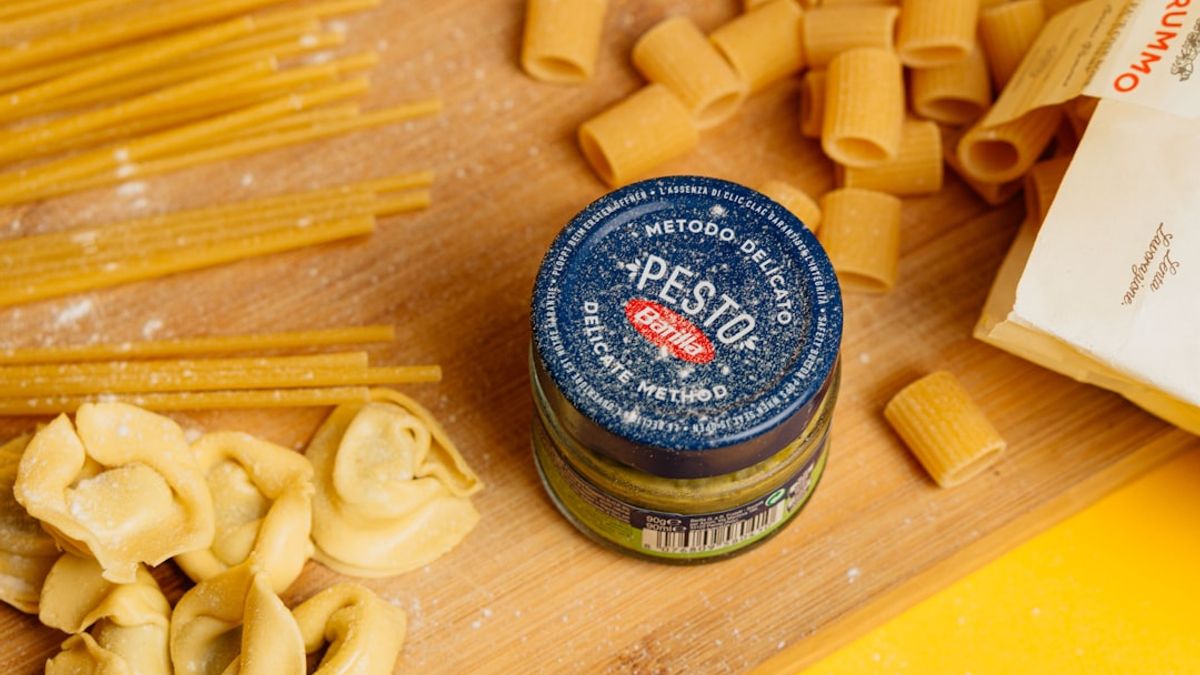
Forty‑five minutes later, she had fresh tagliatelle on the table and, more importantly, the confidence to cook it again without a recipe. That early experience captures why free, live classes became a gateway for millions of people who had never considered formal instruction before.
As lockdowns extended, demand shifted from one‑off entertainment to repeatable learning. Platforms responded quickly. Homemade built a roster of recurring free sessions led by working chefs. Sur La Table expanded its real‑time virtual schedule so customers could book near California or Texas without stepping into a store. America’s Test Kitchen, long known for its rigorous print and TV content, doubled down on structured online cooking classes that mirrored culinary‑school logic.
Industry observers note a few clear patterns in this evolution:
- Free, live classes became the primary entry point for beginners who were unsure about paying for a course.
- Hybrid models—live sessions plus on‑demand replays and written recipes—helped learners review techniques at their own pace.
- Communities formed around recurring instructors, from Chef Shelby Fahrni’s weekly classes at Le Cooking Studio to regional groups organizing via Reddit threads.
- Local culinary schools, including Cambridge School of Culinary Arts and Slice Utah, began offering virtual options to reach students beyond driving distance.
Today, the field ranges from entirely free offerings to premium subscriptions that rival the cost of community college courses. Understanding where each platform sits on that spectrum is the first step in making a strategic choice.
Why Online Classes Now Rival Traditional Culinary Schools
One bold reality stands out: for motivated home cooks, high‑quality online cooking classes can now deliver a level of technique and repetition that, a decade ago, required formal enrollment at a brick‑and‑mortar school. That does not mean they replace a professional culinary degree, but they can approximate entry‑level training for serious hobbyists.
America’s Test Kitchen Online Cooking School is a prime example. Its catalog covers knife skills, sauces, baking, regional cuisines, and equipment fundamentals in a sequence that feels similar to a first‑year culinary program. The difference is format: instead of eight hours in a campus kitchen, students work through video modules, detailed recipes, and graded quizzes, then apply the techniques at home. For many adults with full‑time jobs, that flexibility is the deciding factor.
Similarly, Cambridge School of Culinary Arts runs comprehensive online cooking classes for adults that emphasize foundations rather than one‑off recipes. Their instructors focus on why techniques work—heat transfer, emulsification, seasoning—so participants can adapt dishes rather than follow scripts blindly.
For learners near California or Texas, the comparison is no longer simply “local school vs. YouTube.” It is a choice between driving to a campus at fixed times or logging into a live or on‑demand program that may offer equal or better instructor access, but requires more self‑discipline. In my view, the decisive factors are threefold: the presence of a structured pathway rather than disconnected classes, the level of feedback, and the credibility of the curriculum.
First, the presence of a structured pathway rather than disconnected classes matters. Second, the level of feedback—do you get comments on your knife cuts, or just a replay link? Third, the credibility of the curriculum: platforms like America’s Test Kitchen build on decades of testing and editorial oversight, which many ad‑hoc online offerings cannot match.
Which Classes Fit Your Goal and Skill Level?
What exactly are you trying to achieve when you sign up for an online class: a fun date night, or a systematic upgrade of your skills? That simple question should drive every decision you make about platforms, instructors, and price points.
Analysis of the major providers reveals three broad categories of learners: beginners who need confidence with basics, committed home cooks seeking depth, and couples or groups looking for a shared experience. Each group benefits from a different mix of live interaction, structure, and cost.
1. Beginners: Build Confidence with Free and Low‑Risk Options
For absolute beginners, free or low‑cost sessions are the most rational starting point. Homemade Cooking’s free online classes allow you to cook along in real time with an instructor, ask questions as you go, and see how other participants are progressing. The risk is low: if you burn the onions, you have lost time and ingredients, not tuition.
Online cooking classes for beginners should emphasize a few fundamentals: knife safety, basic sautéing, roasting, and seasoning. Programs like Web Cooking Classes’ “Learn to Cook” course are explicitly built around techniques that can be reused across many meals rather than single recipes. In my experience, this approach is far more effective than themed novelty classes for someone who struggles just to get dinner on the table.
For beginners near California or Texas, the choice often comes down to whether you prefer a local instructor—perhaps through a Sur La Table branch—or a national platform. Either way, the priority is repetition and practice, not breadth of cuisines. For more on this topic, see Budget Friendly Recipes That Stretch Your Grocery Budget.
2. Committed Home Cooks: Invest in Structured Curricula
Once you can follow a recipe without panic, the bottleneck shifts from confidence to precision. This is where structured online cooking classes for adults become valuable. America’s Test Kitchen Online Cooking School, Cambridge Culinary, and Web Cooking Classes all offer multi‑lesson sequences with clear outcomes, from mastering pan sauces to baking artisan bread.
These programs demand more time and money but reward that investment with cumulative skill. Graded assignments, technique‑focused modules, and instructor feedback create a sense of progression that YouTube playlists cannot match. If you are already cooking three to four nights a week, shifting some of that time into deliberate practice via a structured course can move you from “competent” to “consistently excellent.”
3. Couples and Groups: Prioritize Interactivity and Experience
Online cooking classes for couples or teams serve a different goal: shared experience. Platforms like Cozymeal curate live, fully interactive events where a chef leads a small group through a menu—often themed around regional cuisines or restaurant‑style dishes. Ingredient delivery is sometimes included, simplifying logistics.
For couples near California or Texas, these sessions can replace a restaurant date with a more engaging alternative. Sur La Table also runs virtual classes intentionally designed for pairs, with menus that require collaboration. In this segment, the key metrics are energy, pacing, and how well the instructor facilitates conversation, not the depth of technique covered.
- Hybrid learning models (live + on‑demand + community) are becoming the dominant design, combining convenience with accountability.
- Technique‑forward curricula backed by editorial or institutional credibility (editorial testing, culinary schools) outperform celebrity‑led recipe showcases for long‑term skill retention.
- Localized programming—menus and ingredient lists tailored to regional availability—improves real‑world adoption and reduces friction for learners.
“I Want You to Stop Following Recipes”: Technique‑First Teaching
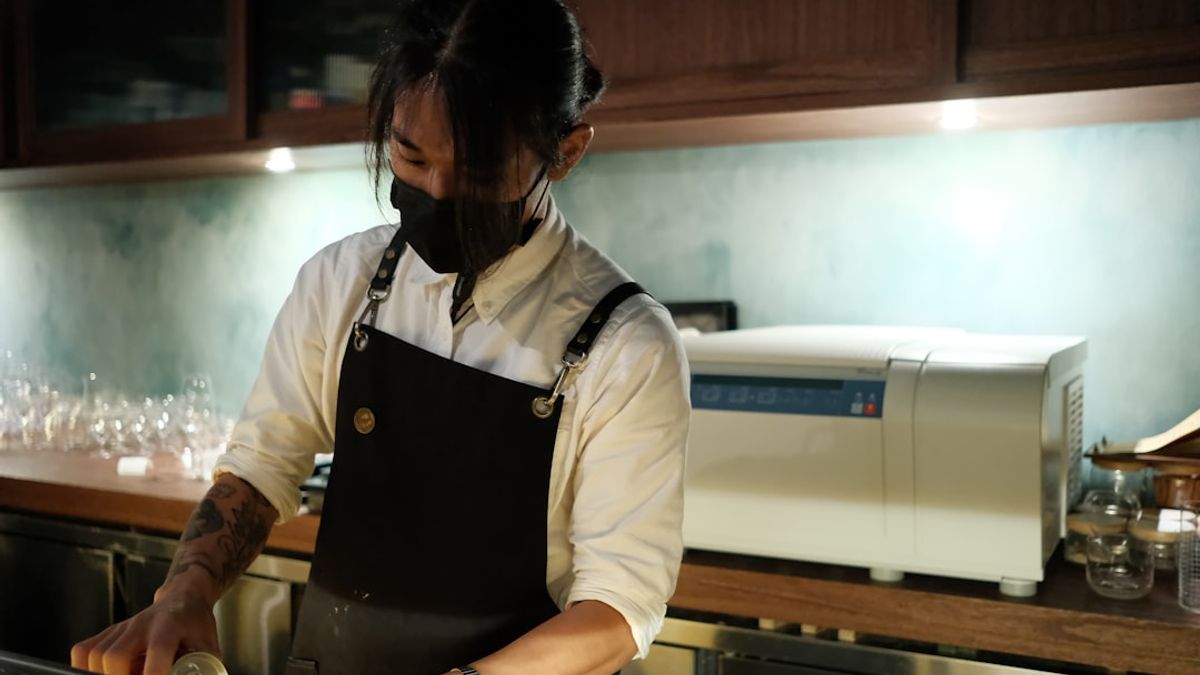
“I want you to stop following recipes and start cooking,” Chef Todd Mohr of Web Cooking Classes tells his students in his introductory lesson. That quote captures a deeper philosophical split in the online education market: recipe‑driven entertainment versus technique‑driven instruction.
Web Cooking Classes, highlighted at webcookingclasses.com, pushes hard toward the technique side. Its “Care Free Cooking Methods” are presented as a logical, self‑paced system designed to free students from dependence on step‑by‑step instructions. Instead of “chicken piccata,” you learn sauté + pan sauce, then apply that pattern to dozens of proteins and flavor profiles.
By contrast, many marketplace platforms organize their catalogs around recipes, holidays, or celebrity instructors. MasterClass, for example, offers beautifully produced series with chefs like Thomas Keller and Massimo Bottura, but the emphasis is often on signature dishes and storytelling rather than incremental skill‑building. Cozymeal sits somewhere in the middle, with classes that teach techniques through specific menus.
When you compare these approaches, a few trade‑offs stand out. Technique‑first programs may feel slower at the outset, because you repeat similar motions across multiple dishes. However, they tend to produce more independent cooks who can improvise with what is in the pantry. Recipe‑first programs deliver faster gratification and Instagram‑ready plates, but often leave students dependent on written instructions.
Technique Systems vs. Recipe Libraries
From a decision‑maker’s standpoint, the choice between a technique system and a recipe library should align with your long‑term goal. If your aim is to reduce takeout spending or cook healthier meals consistently, a technique‑based curriculum is usually the better investment. It trains you to adapt when you are tired, short on ingredients, or cooking for different dietary needs.
Recipe libraries, including many “best online cooking classes” lists promoted on lifestyle sites, are excellent for inspiration and special occasions. They shine when you want to recreate a restaurant dish, explore a new cuisine, or host friends. However, without a backbone of technique, they can become digital cookbooks you rarely use effectively.
How America’s Test Kitchen Bridges Both Worlds
America’s Test Kitchen Online Cooking School attempts to bridge these worlds by embedding technique lessons within recipes that have been exhaustively tested. A sauce module, for example, might walk you through multiple pan sauces, gravies, and emulsions, explaining why each step matters and how to troubleshoot. This hybrid model appeals to learners who want both immediate, tasty outcomes and a deeper understanding of the underlying methods. Explore this further in American Home Cooking Classics Updated For Faster Flavor.
For home cooks comparing options, this is where reading syllabi and sample lessons matters. Look for programs that explicitly state what techniques you will master, not just the dishes you will complete.
How Major Platforms Compare on Cost, Access, and Experience
For most adults weighing online cooking classes, the decision comes down to a few practical variables: price, schedule flexibility, level of instructor access, and how engaging the experience feels over time. The major providers in the current SERP each occupy a distinct position on this grid.
Homemade Cooking vs. Sur La Table: Free Entry vs. Retail Ecosystem
Homemade Cooking focuses on free, live, interactive classes. The upside is obvious: zero tuition, real‑time Q&A, and exposure to a variety of chefs and cuisines. The trade‑off is that you may not get a cohesive curriculum; instead, you assemble your own learning path from the schedule.
Sur La Table’s virtual classes, accessible via surlatable.com, are fee‑based and tightly integrated with its retail business. You receive a prep packet outlining ingredients and equipment, often featuring products the company sells. For learners near California or Texas who already shop there, the convenience is substantial: you can pick up tools in person and then use them in class. The downside is cost per session, which can add up if you attend frequently.
Le Cooking Studio and Independent Instructors
Le Cooking Studio, where Chef Shelby Fahrni leads weekly live sessions, represents a third model: independent instructor‑driven programs. These operations often feel more personal than large platforms. You see the same chef every week, build rapport, and receive tailored advice as they learn your kitchen strengths and constraints.
However, independent studios may have limited schedules and fewer on‑demand archives. If you miss a live class, a replay might not always be available. For learners who value continuity with a single instructor and a small community, this trade‑off is acceptable. For those with unpredictable calendars, a larger platform with flexible viewing may be more realistic.
America’s Test Kitchen and Web Cooking Classes: Depth and Discipline
At the more structured end, America’s Test Kitchen Online Cooking School and Web Cooking Classes are designed for long‑term engagement. You pay for access to full courses rather than individual events. The expectation is that you will work through modules in order, complete exercises, and revisit material as needed.
This model demands more discipline but offers the clearest return in skill. It is particularly well‑suited to online cooking classes for adults who are serious hobbyists, or for professionals in adjacent fields (such as food media or product development) who need a stronger technical foundation without pursuing a full culinary degree.
What Actually Changes in Home Kitchens
Underneath the marketing language, the real question is impact: do online cooking classes measurably change what and how people cook at home? While long‑term academic research on this specific format is still emerging, there are relevant signals from nutrition and behavior studies.
According to guidance from the Harvard T.H. Chan School of Public Health, home cooking is generally associated with improved diet quality, more control over ingredients, and potentially better long‑term health markers compared with frequent reliance on restaurant or ultra‑processed foods. Harvard’s nutrition experts emphasize that cooking skills and confidence are key enablers: people who feel competent in the kitchen are more likely to prepare meals at home regularly.
Online cooking classes intersect directly with that confidence gap. A learner who understands how to roast vegetables, cook whole grains, and build flavor with herbs is more likely to assemble a quick, balanced meal rather than default to takeout. While formal trials comparing different types of online classes are limited, early initiatives by public health departments and non‑profits have used virtual formats to teach basic cooking and budgeting, especially in rural areas where in‑person programs are scarce.
For individuals near California or Texas, where food cultures are already rich and diverse, online instruction can also broaden repertoire beyond local norms. A Texan who primarily grills meat might learn plant‑forward Mediterranean dishes from a Sur La Table instructor, while a Californian accustomed to farmers’ market produce might finally master braising tougher cuts of meat through America’s Test Kitchen modules. Explore this further in Swavory Swangy Food Trends: Reinvent Weeknight Cooking.
Behavior Change: From Occasional Hobby to Weekly Habit
In my experience, the biggest predictor of long‑term change is not the production quality of a class, but the rhythm it creates. Weekly live sessions—like those at Le Cooking Studio or recurring Homemade Cooking events—anchor cooking as a recurring appointment. On‑demand libraries are valuable, but without some kind of schedule or accountability, they often become “someday” resources.
This is one reason why online cooking classes Reddit threads frequently highlight programs with built‑in progression or community check‑ins. Learners report that seeing familiar names in the chat or sharing photos of completed dishes in a forum nudges them to keep going, much like a workout buddy.
Limitations and Realistic Expectations
It is important to maintain realistic expectations. Online classes cannot replicate the intensity of a professional kitchen, the speed demanded on a line, or the tactile feedback of an instructor physically adjusting your knife grip. They also rely on your home equipment, which may limit certain techniques.
However, for the vast majority of home cooks, those constraints are acceptable. The goal is not to train executive chefs; it is to create confident, competent cooks who can feed themselves and others well. When viewed through that lens, the combination of live guidance, structured curricula, and flexible access makes online instruction a pragmatic tool for behavior change rather than a novelty.
Choosing the Right Online Cooking Class: A Strategic Checklist
Given the crowded market, a systematic approach to choosing the best online cooking classes for your needs is essential. Instead of relying solely on marketing claims or star ratings, use a more rigorous set of criteria to evaluate options.
Clarify Your Primary Objective
Before comparing platforms, define your main objective in one sentence. Examples:
- “I want to cook simple, healthy dinners three nights a week without stress.”
- “We want online cooking classes for couples that feel like a date night, not a lecture.”
- “I want to master foundational techniques at a level approaching culinary school.”
Use this objective as a filter. If a program’s strengths do not align, move on quickly.
Evaluate Curriculum Structure and Depth
- Pathway vs. menu: Does the provider offer a recommended sequence (e.g., knife skills → sautéing → sauces), or just a catalog of unrelated classes?
- Techniques vs. themes: Are you learning transferable methods or only specific dishes?
- Assessment: Are there quizzes, assignments, or instructor feedback mechanisms that reinforce learning?
America’s Test Kitchen and Web Cooking Classes score high on structured pathways. Homemade and Sur La Table lean more toward menus of individual sessions, though you can create your own sequence.
Assess Interactivity and Support
Interactivity is where online cooking classes diverge sharply:
- Live Q&A: Can you ask questions during class, or is it one‑way video?
- Feedback on your work: Do instructors review photos or videos of your dishes?
- Community: Is there a forum, chat, or group where learners share progress?
Cozymeal, Homemade, and independent studios like Le Cooking Studio excel at real‑time interaction. Large on‑demand libraries may have limited or no direct feedback, which can slow improvement for some learners.
Consider Logistics: Time Zones, Ingredients, and Equipment
- Time zones: If you are looking for online cooking classes near California or Texas, check whether “7 p.m.” classes are listed in Pacific or Eastern time.
- Ingredient availability: Review sample recipes to ensure ingredients are accessible in your local supermarkets.
- Equipment requirements: Some programs assume access to stand mixers, Dutch ovens, or specialty knives. Make sure the gear list matches your kitchen or your willingness to invest.
Sur La Table’s prep packets are particularly useful here, as they spell out equipment and mise en place clearly. Homemade’s free classes often keep ingredient lists and tools relatively simple to encourage broad participation.
Regional and Demographic Nuances: California, Texas, Adults, and Couples
While most platforms market globally, regional and demographic nuances still shape how learners experience online cooking classes. California and Texas, frequently searched alongside this topic, illustrate how local context interacts with virtual instruction.
In California, where farmers’ markets and plant‑forward cuisine are widely embraced, learners often look for classes that emphasize seasonal produce, vegetarian dishes, and lighter preparations. Sur La Table’s coastal branches and various West Coast‑based instructors tailor menus accordingly, even when teaching online. A class on Mediterranean grain bowls or California‑style tacos resonates strongly with this audience.
In Texas, where barbecue, Tex‑Mex, and hearty comfort foods are central to food culture, interest often skews toward smoking, grilling, and bold flavors. Online cooking classes near Texas may feature chili, brisket techniques, or cast‑iron skillet skills more prominently. That said, many Texans use online classes to diversify beyond familiar dishes, exploring Southeast Asian stir‑fries or Italian pastas under the guidance of national platforms.
Adults Returning to the Kitchen
Online cooking classes for adults frequently serve people who skipped formal kitchen education earlier in life. This group includes professionals who relied on restaurants, parents whose children are now older, and retirees seeking a new hobby. They tend to value:
- Clear explanations that respect their intelligence without assuming prior technique knowledge.
- Flexible scheduling to accommodate work or caregiving responsibilities.
- Evidence‑based guidance on nutrition and food safety, often informed by resources such as the U.S. Food and Drug Administration’s food safety recommendations.
Structured platforms like America’s Test Kitchen and Cambridge Culinary cater well to this demographic, combining rigor with accessibility.
Couples and Social Learners
Online cooking classes for couples occupy an overlapping but distinct niche. These learners are less concerned with mastering a full curriculum and more focused on:
- Engaging, hands‑on menus that both partners can share.
- Moderate complexity—enough to feel special, but not stressful.
- Instructors who can manage group dynamics and keep the tone light.
Cozymeal and Sur La Table design many of their live sessions with this use case in mind. Date‑night classes around handmade pasta, sushi rolls, or tapas are common. For couples near California or Texas, the ability to join a session that also includes participants from New York, Chicago, or abroad can add a subtle sense of occasion and connection.
Conclusion: Making Online Cooking Classes Work for You
Online cooking classes have moved far beyond their early, improvised days. Today’s landscape includes free, high‑quality live sessions from Homemade Cooking, rigorous multi‑month curricula at America’s Test Kitchen Online Cooking School, technique‑centric systems such as Web Cooking Classes, and retail‑anchored experiences from Sur La Table. Independent instructors like Chef Shelby Fahrni at Le Cooking Studio add yet another dimension: small, loyal communities built around a single teaching voice.
For decision makers—whether you are choosing a program for yourself, your family, or your organization—the key is to match this diversity to clearly defined objectives. If you are a beginner, prioritize low‑risk entry points: free online cooking classes, simple ingredient lists, and instructors who focus on core techniques. Homemade’s live sessions or introductory modules from Web Cooking Classes are logical starting points.
If you are a committed home cook, treat your choice as a medium‑term investment. Look for structured pathways, explicit technique outcomes, and mechanisms for feedback. America’s Test Kitchen, Cambridge Culinary, and similar schools provide that scaffolding. For adults who want the discipline of a curriculum without the cost or intensity of a full culinary degree, these platforms are particularly well‑aligned.
If your goal is connection—online cooking classes for couples, friends, or teams—then interactivity, pacing, and instructor personality matter more than depth. Cozymeal and Sur La Table, along with many local studios now teaching virtually near California and Texas, are optimized for this kind of experience. Their classes turn cooking into an event, not just a skill‑building session.
Across all these segments, two patterns stand out. First, technique‑oriented teaching—emphasizing methods you can reuse—creates more lasting change than recipe‑only instruction. Second, consistent participation, whether through weekly live sessions or a disciplined approach to on‑demand modules, matters more than any single class or celebrity chef.
As public health guidance from institutions such as the Centers for Disease Control and Prevention continues to highlight the benefits of home‑cooked meals for long‑term well‑being, the role of accessible, flexible cooking education will only grow. Online formats are uniquely positioned to reach people who lack time, transportation, or local offerings, including those searching for online cooking classes near California, Texas, or smaller cities without robust in‑person options.
The practical next step is straightforward. Define your objective in one sentence. Shortlist three providers whose strengths align with that objective—perhaps Homemade for free experimentation, America’s Test Kitchen for structured learning, and a platform like Cozymeal or Sur La Table for social cooking. Commit to a specific number of sessions over the next month, and treat them as non‑negotiable appointments, the way you would an important meeting.
Used this way, online cooking classes become more than entertainment. They turn your own kitchen into a laboratory, your weeknight dinners into practice sessions, and your screen time into a tangible skill that pays dividends in money saved, meals shared, and confidence gained. Whether you are cooking solo, with a partner, or for a household, the tools are now in place; the remaining decision is how deliberately you will use them.