New Data on Home Cooking Processed Foods Reveals Hidden Health Divide
On a weeknight in Baltimore, a mother stands at her stove, simmering a pot of beans while a frozen pizza waits in the freezer “just in case.” That quiet moment captures the tension at the heart of the debate over home cooking processed foods: does cooking at home automatically mean eating healthier, or have ultra-processed products quietly taken over our kitchens? The answer matters for families trying to balance time, money, and health, and for public health experts tracking how everyday meals shape long-term disease risk. This pairs well with our guide on American Home Cooking For Two: Weeknight Meals That Spark.
Recent research suggests the answer is more complicated than the simple “home-cooked equals healthy” mantra. A large analysis indexed on PubMed reports that people who frequently cook dinner at home generally eat fewer ultra-processed foods and more minimally processed ingredients. At the same time, analyses led by researchers at the Johns Hopkins Bloomberg School of Public Health indicate that ultra-processed items make up a substantial share of calories eaten at home in the United States. Together, these findings reveal a hidden health divide in how different households approach home cooking processed foods.
So which is it? Are we nourishing ourselves with healthier meals, or are we just reheating industrial formulations in our own ovens and calling it “homemade”? In this article, we’ll unpack what “processed” really means, why home-cooked food often but not always beats restaurant and takeout meals, and how you can shift your own kitchen toward minimally processed eating without doubling your grocery bill.
We’ll also look at the public health implications of this shift, why some researchers describe home meal preparation as a “powerful medical intervention,” and where the disadvantages of home-cooked meals and the rise of meal prep culture complicate the story. By the end, you’ll have a clear, practical framework for navigating the grey zone between scratch cooking and ultra-processed convenience.
Story Spotlight: What the Research Shows in Real Data
Context: National surveys and time-use studies have been combined with dietary recall data to map how often people prepare meals at home and what they actually eat there. This work helps clarify how home cooking processed foods fit into broader eating patterns.
Factual findings: Analyses led by researchers at the Johns Hopkins Bloomberg School of Public Health show that, when foods eaten at home are tallied, ultra-processed foods account for a substantial share of calories consumed at home. Parallel research indexed on PubMed found a consistent association between higher frequency of cooking dinner at home and lower intake of ultra-processed foods, along with greater consumption of minimally processed staples like vegetables, grains, and legumes.
Source attribution: Johns Hopkins Bloomberg School of Public Health (analysis published via public reporting) — publichealth.jhu.edu. PubMed-indexed study on cooking frequency and diet quality — pubmed.ncbi.nlm.nih.gov/38462128.
These headline summaries reflect the research and reporting described in this article.
Key Statistics at a Glance
These headline summaries reflect the research and reporting described in this article.
- Analyses by public health researchers indicate that a substantial share of the calories Americans consume at home come from ultra-processed foods (Johns Hopkins Bloomberg School of Public Health, 2024).
- People who report cooking dinner most nights tend to consume fewer ultra-processed foods and more minimally processed ingredients (PubMed-indexed analysis).
- Public summaries of trend analyses describe increases in the share of at-home calories from ultra-processed foods over an extended period (Public Health Post summary of Johns Hopkins work).
- Some industry surveys report that many younger adults cite lack of time as a barrier to cooking more; industry surveys are not necessarily representative of the general population and should be interpreted cautiously.
- Systematic reviews and controlled feeding studies summarized in media coverage suggest diets centered on minimally processed foods are often associated with more favorable weight or metabolic outcomes than diets high in ultra-processed foods; original trial reports and reviews should be consulted for details and methodological context (coverage example: The Guardian).
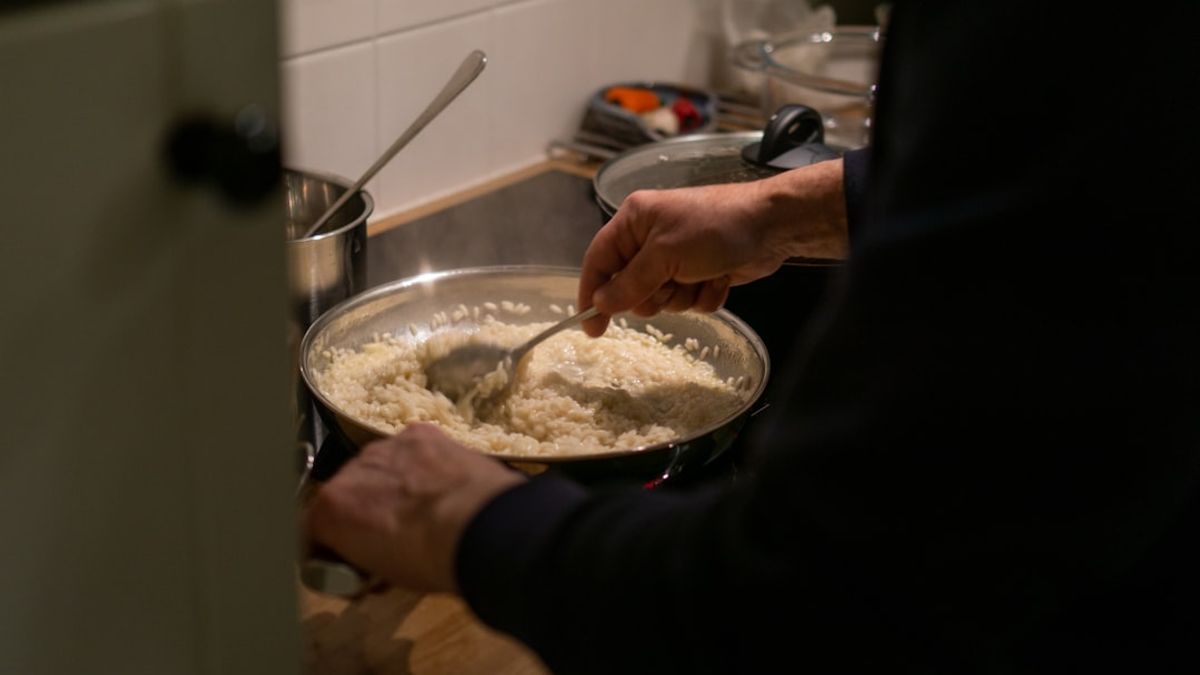
Several years ago, nutrition researchers started noticing a pattern in diet surveys: people who reported cooking dinner most nights didn’t just eat differently at home, they ate differently all day. In interviews, participants described simple habits—packing leftovers for lunch, keeping beans and rice on hand, or roasting a tray of vegetables once a week—that slowly crowded out packaged snacks and frozen entrées.
That anecdotal pattern was quantified in a study indexed on PubMed, which examined the relationship between the frequency of home-cooked dinners and the types of foods people consumed. That research found an association between cooking at home more often and lower consumption of ultra-processed foods and higher intake of unprocessed or minimally processed foods. The authors did not assert that cooking itself definitively causes those changes, but they reported a consistent link between time spent cooking and shifts in the types of calories consumed.
Complementing that work, reporting based on analyses from the Johns Hopkins Bloomberg School of Public Health describes what some outlets call a “home cooking crisis,” where a substantial proportion of the calories Americans consume at home come from ultra-processed products such as frozen dinners, packaged snacks, and sugar-sweetened beverages. When researchers analyzed trends over an extended window, they reported increases in the share of at-home calories from ultra-processed foods.
Those two findings might sound contradictory, but together they outline a critical divide in how home cooking processed foods show up in real life:
- Households that cook frequently from basic ingredients tend to rely less on ultra-processed foods and more on minimally processed staples like vegetables, grains, and fresh or frozen meats.
- At the population level, however, ultra-processed products still occupy a large portion of home food intake, indicating that many “home-cooked” meals actually center on industrial formulations.
- The health benefits of cooking at home depend heavily on what is being cooked—reheating frozen pizza nightly is not equivalent to preparing beans, rice, and vegetables most evenings.
Understanding that divide is the first step toward leveraging home cooking as a genuine health intervention rather than an empty slogan. Factors such as income, work schedules, and cooking skills all play a role in shaping whether home cooking processed foods become a path to better health or just a different route to the same ultra-processed patterns.
Some studies and media summaries have highlighted weight and metabolic differences associated with diets higher in minimally processed foods versus diets high in ultra-processed products. Reporting in outlets such as The Guardian describes research in which participants following a minimally processed pattern experienced more favorable weight changes than those regularly eating ultra-processed meals; those reports should be read alongside the original trial data and systematic reviews to understand design and causality limits.
“Ultra-processed foods are formulations of ingredients, mostly of exclusive industrial use, that result from a series of industrial processes and often contain additives designed to make the product more palatable, durable or convenient.”
Researchers studying ultra-processed foods often use the NOVA classification, which groups foods by how much industrial processing they undergo. Minimally processed foods include items like fresh fruits and vegetables, dried beans, plain yogurt, and raw meat. Ultra-processed foods, by contrast, are industrial formulations that typically contain multiple additives, refined ingredients, and cosmetic enhancements such as colorings and flavorings.
When people cook mostly from minimally processed ingredients, several mechanisms may contribute to better weight management and metabolic health. Meals built around whole ingredients often have higher fiber content, more intact structure, and lower energy density, which can make them more filling for fewer calories. Public health analysts often note that ultra-processed foods tend to be easier to overconsume because their textures and flavors are engineered for palatability and rapid consumption. For practical tips, check Kbis 2026 Kitchen Products: 10 Trendy Picks Chefs Crave.
At the same time, it would be misleading to suggest that home cooking automatically produces healthy outcomes. A pan of fries made from fresh potatoes, deep-fried in reused oil and heavily salted, is technically “home-cooked” and only moderately processed by NOVA standards, yet may still be high in energy and sodium. Homemade desserts can rival packaged cookies in sugar and saturated fat. The health benefits of cooking at home depend not only on the degree of processing but also on portion sizes, ingredient choices, and overall dietary pattern.
Still, when people shift a meaningful share of their meals from ultra-processed convenience foods to home-cooked dishes built around minimally processed staples, several potential advantages emerge. Some lifestyle outlets note that home-cooked meals tend to be lower in calories, unhealthy fats, and sodium compared with restaurant or heavily processed meals, in part because cooks can adjust seasoning and portion sizes to their own preferences. While such claims reflect general trends rather than strict rules, they align with the broader literature suggesting that more frequent home cooking is often associated with better diet quality.
From a public health perspective, analysts increasingly describe home meal preparation as a powerful intervention not because it is magical, but because it changes the default foods available in the household. A pot of lentil soup or a tray of roasted vegetables generates leftovers that compete directly with frozen entrées and packaged snacks. Over time, those small shifts can add up, even if not every home-cooked dish is perfectly balanced or low in calories.
Where Does “Processed” Begin? Rethinking Home Cooking in the Age of UPFs
At what point does your own home cooking count as “processed food”? If you bake bread, are you now part of the processed food industry in miniature, or does “processed” only apply to factory-made products?
This question surfaces frequently in online discussions. A widely read thread on Reddit’s r/nutrition captures the confusion. One commenter argues that processed food is “stuff that comes in boxes at the supermarket,” not the meals you cook at home using ingredients. Others point out that, technically, any alteration of a food from its original state—chopping, cooking, freezing—counts as processing in a broad sense.
Nutrition science typically resolves this confusion by distinguishing levels of processing rather than treating “processed” as a simple yes-or-no label. The NOVA system, used in many studies on ultra-processed foods, divides foods into four categories, which can be translated into a practical framework for your own kitchen.
- Unprocessed or minimally processed foods
These are foods that are either in their natural state or have undergone basic processes such as washing, cutting, freezing, or drying without added substances. Examples include fresh or frozen vegetables, fruits, plain oats, brown rice, eggs, and plain yogurt. When people talk about a “minimally processed foods list,” they are usually referring to this group. - Processed culinary ingredients
Items like oils, butter, sugar, and salt are extracted from whole foods and used in cooking. They are more processed but typically consumed as part of recipes rather than on their own. - Processed foods
These are relatively simple products made by adding sugar, oil, salt, or other ingredients to minimally processed foods—for example, canned tomatoes with salt, cheese, or homemade bread. Many traditional foods fall into this category. In that sense, some homemade items do qualify as “processed,” but they are distinct from ultra-processed products. - Ultra-processed foods (UPFs)
These are industrial formulations that usually contain multiple ingredients not commonly used in home kitchens, such as certain emulsifiers, colorings, and flavor enhancers. Packaged snacks, many breakfast cereals, instant noodles, and frozen pizzas typically fall here.
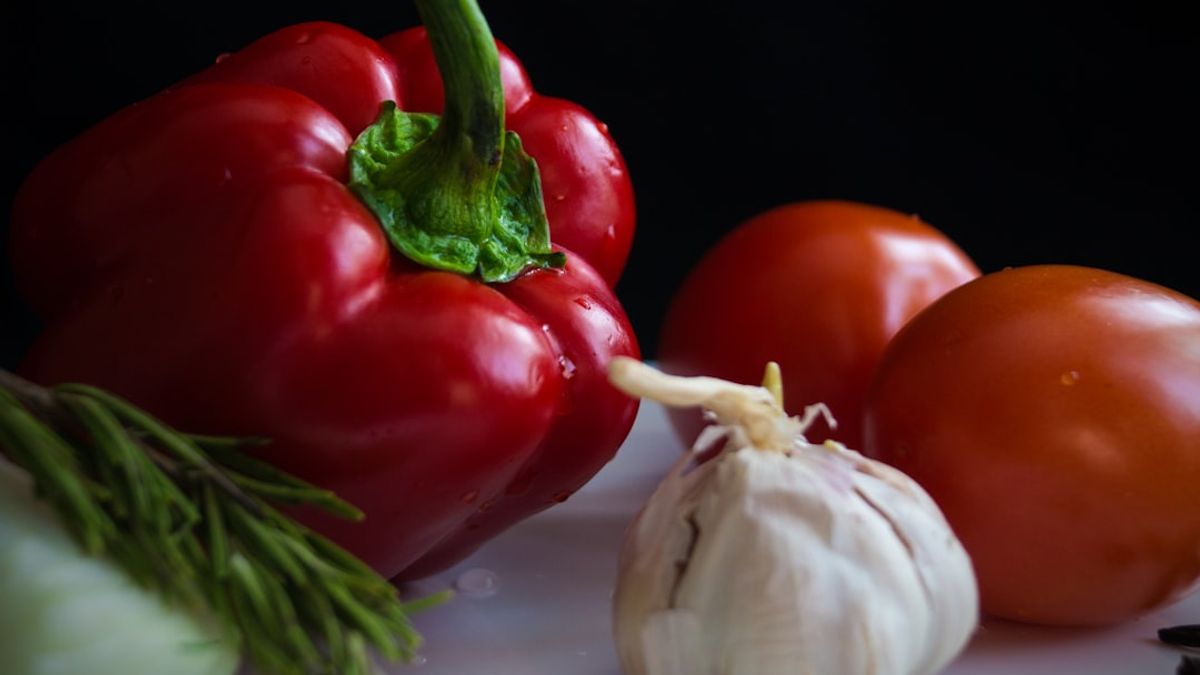
Using this lens, most home cooking processed foods land in the “processed” but not “ultra-processed” category. A homemade tomato sauce made from canned tomatoes, olive oil, garlic, and herbs is processed but relatively simple. A boxed sauce mix with multiple stabilizers and flavor enhancers is more likely to be ultra-processed. Related reading: Best Cookbooks 2026: Elevate Your Home Cooking Today.
For someone trying to decide whether these foods are healthy, this distinction matters. Shifting your meals toward unprocessed or minimally processed ingredients, using processed culinary ingredients sparingly, and limiting ultra-processed products can improve diet quality without requiring perfection. It also resolves a common misconception: homemade foods like bread, cheese, or canned jams are indeed processed. But they occupy a very different nutritional and cultural space than industrial ultra-processed snacks.
“More Than Half Our Calories”: The Home Cooking Crisis Behind Closed Doors
“Today, more than half of the calories Americans consume at home come from ultra-processed foods.” That stark line has been cited widely in discussions about the so-called home cooking crisis and is drawn from reporting based on analyses by researchers at the Johns Hopkins Bloomberg School of Public Health. Their work examined national dietary data spanning roughly 15 years and highlighted increases in the share of at-home calories coming from ultra-processed items such as frozen meals, packaged snacks, and sweetened drinks.
On the surface, this can seem to clash with the narrative that home cooking is a health solution. But a closer look reveals an important nuance: “at home” does not necessarily mean “home-cooked from scratch.” Calories eaten in the home include everything from reheated restaurant leftovers to microwaveable entrées and bottled drinks. In many households, the primary dinner “cooking” task may be preheating the oven for frozen pizza or boiling water for instant noodles.
Comparing these patterns with the PubMed-indexed study on cooking frequency helps clarify the picture. The PubMed study focused on how often people reported cooking dinner at home and found that those who cooked more frequently tended to eat fewer ultra-processed foods. The Johns Hopkins analysis, by contrast, measured what people ate at home regardless of who cooked it or how it was prepared.
- Households that seldom cook and rely heavily on ready-made or restaurant foods often consume a large share of ultra-processed calories, both inside and outside the home.
- Households that cook occasionally may mix scratch cooking with a significant amount of frozen or boxed meals, leading to a diet where ultra-processed products still dominate home calories.
- Households that cook frequently from basic ingredients are more likely to reduce ultra-processed intake and increase minimally processed foods, even if they still incorporate some convenience items.
From a health equity perspective, this divide is not purely about personal choice. Time scarcity, work schedules, cooking skills, and access to affordable ingredients all shape whether families can move beyond ultra-processed defaults. Industry surveys and qualitative research both indicate that time constraints are a common barrier for many younger adults and caregivers; such surveys are useful for signals but may not represent the general population.
In this context, the question “Why home cooked food is better than outside food?” needs reframing. For many households, the real comparison is not between a lovingly prepared stew and a restaurant entrée, but between a semi-homemade meal built from packaged components and an ultra-processed takeout option. The public health challenge is to make the minimally processed option the easier default, not the luxury choice available only to those with ample time and resources.
Balancing Health, Time, and Money: Making Home Cooking Work for Real Life
Health Benefits of Cooking at Home—With Realistic Caveats
Research summarized on PubMed and in media coverage suggests that people who cook more often from minimally processed ingredients tend to have better diet quality and, in some studies, more favorable weight outcomes. Analysts sometimes describe home meal preparation as a “powerful medical intervention” because it changes the types of foods people keep on hand, which in turn can influence long-term risk for conditions such as obesity and cardiovascular disease.
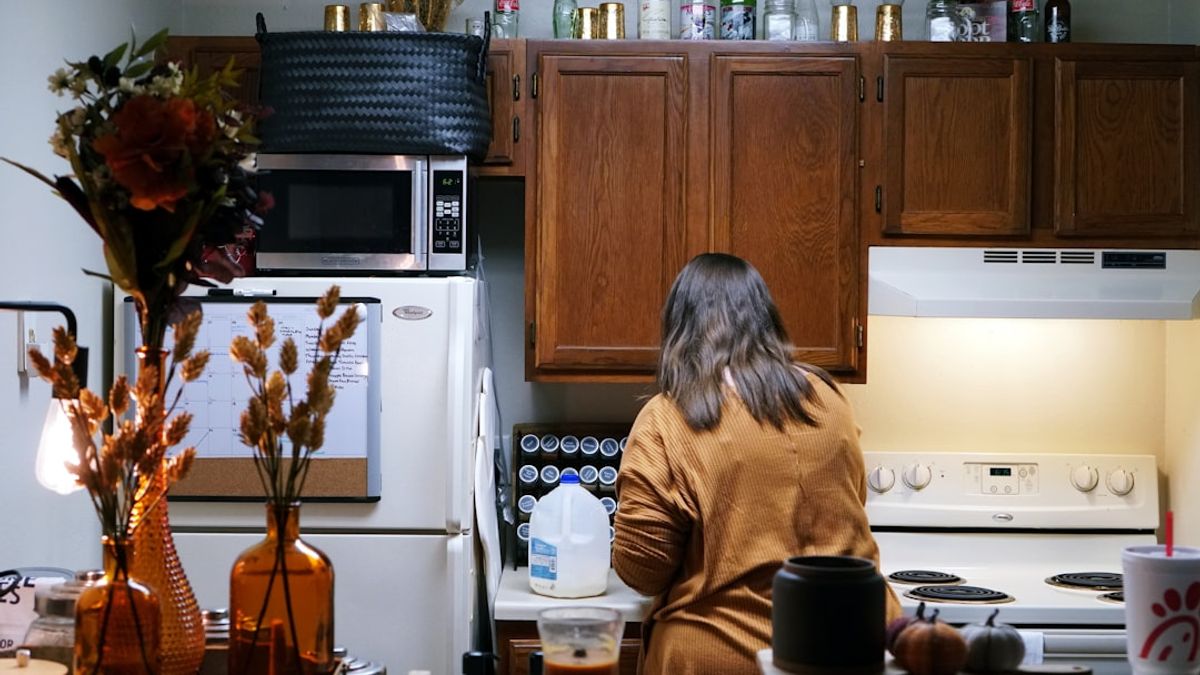
However, health benefits are not guaranteed. The disadvantages of home-cooked meals can include inconsistent portion control, heavy use of salt or added fats, and a tendency to rely on the same limited set of recipes, which may not provide a broad range of nutrients. For someone without much cooking experience, early attempts at “healthy” cooking may lead to under-seasoned or unappealing dishes, pushing them back toward ultra-processed comfort foods.
There is also a psychological dimension. If home cooking is framed as a moral obligation or a test of personal virtue, it can create guilt and stress, especially for caregivers already juggling multiple responsibilities. People are more likely to sustain home cooking habits when they treat them as flexible tools—ways to improve health and save money where possible—rather than as an all-or-nothing standard that must be met every night. For practical tips, check Transform Meals With Culinary School Exercises Home Techniques.
The Financial Benefits—and Hidden Costs—of Cooking at Home
On the financial side, the benefits of cooking at home are often clear when comparing like with like. A pot of beans, a bag of rice, and a tray of roasted vegetables typically feed several people for less than the cost of a single restaurant meal. Over time, shifting even a few weekly dinners from takeout to home-cooked options can free up a noticeable portion of a household budget.
Yet the financial calculus changes when home cooking processed foods rely heavily on premium convenience products. Pre-marinated meats, single-serve frozen entrées, and branded “healthy” meal kits may cost nearly as much per serving as restaurant takeout, especially when factoring in the time required to prepare them. In that sense, not all home cooking delivers the same financial benefits.
There are also upfront costs: basic cookware, spices, and pantry staples require an initial investment. For someone starting from scratch, that can be a barrier. The most sustainable approach often involves gradually building a pantry of versatile ingredients—such as dried beans, whole grains, and frozen vegetables—that support multiple meals and stretch more expensive items like meat or cheese.
Is Meal Prep Good or Bad for You?
Meal prep has exploded in popularity as a strategy to reconcile health goals with time constraints. Done thoughtfully, it can amplify the benefits of home cooking by concentrating effort into a few weekly sessions and ensuring that minimally processed options are always available.
However, there are reasons some critics argue that rigid meal prep plans deserve scrutiny. Repetitive menus can lead to boredom and subsequent overeating of “treat” foods later in the week. Large batches of calorie-dense dishes, if not portioned carefully, can undermine weight management goals. And if meal prep becomes another arena for perfectionism, it may increase stress rather than reduce it.
A middle path is to treat meal prep as a flexible tool: cooking a few components—like grains, beans, and roasted vegetables—that can be recombined into different meals, rather than locking yourself into identical lunches for five days. This approach preserves the health and financial benefits of home cooking while allowing room for variety and spontaneity.
Practical Strategies: Shifting Your Kitchen Away from Ultra-Processed Dependence
Redefine “Convenience” with Minimally Processed Staples
One of the most effective ways to make home cooking processed foods healthier is to reframe what counts as convenience. Instead of relying on ultra-processed frozen meals, you can build your own “convenience foods” from minimally processed ingredients.
For example, cooking a large batch of brown rice or whole wheat pasta early in the week creates a base for multiple meals. Keeping canned beans (rinsed to reduce sodium), frozen vegetables, and plain yogurt on hand provides quick components that align with a minimally processed foods list. In practice, a dinner of reheated rice, sautéed frozen vegetables, and canned beans seasoned with spices can be assembled almost as quickly as preheating an oven for a frozen entrée.
Over time, these habits shift the default options available in your kitchen. When you open the fridge and see a container of lentil stew instead of a box of frozen pizza, the decision to eat more minimally processed food becomes easier, not harder.
Use Processed Foods Strategically Without Demonizing Them
Despite the clear concerns about ultra-processed foods, an all-or-nothing approach is rarely realistic. Some processed items—such as canned tomatoes, frozen fruit, or whole grain bread—can play a valuable role in a healthy diet, especially when fresh ingredients are expensive or unavailable.
A pragmatic strategy is to reserve ultra-processed products for specific roles rather than letting them dominate meals. For instance, you might use a small amount of a favorite packaged sauce as a flavor accent on a largely home-cooked dish, or keep one or two frozen meals for genuine emergencies rather than routine dinners.
This approach acknowledges that home cooking processed foods exist on a spectrum. The goal is not to eliminate all processing but to shift the balance toward simpler, less industrially altered ingredients while still allowing room for enjoyment and flexibility.
Address Time and Skill Barriers Incrementally
For many people, especially younger adults and busy parents, the primary obstacles to cooking more often are time and confidence, not lack of information about nutrition. Industry surveys and qualitative research both indicate that lack of time is a commonly reported barrier; such surveys are a useful prompt but may not reflect broader population-level patterns.
Addressing these barriers does not require a radical lifestyle overhaul. Small, incremental changes can be more sustainable. For example, you might start by replacing one ultra-processed dinner each week with a simple, minimally processed meal that takes under 30 minutes, such as scrambled eggs with vegetables and whole grain toast. As your skills and comfort grow, you can gradually expand your repertoire and increase the frequency of such meals.
Focusing on a few core techniques—like roasting vegetables, cooking grains, and seasoning beans—delivers more long-term benefit than mastering complex recipes. Once those skills are in place, you can assemble a wide range of meals quickly, reducing reliance on ultra-processed convenience foods without adding significant stress to your routine.
Health & research note: This article is for informational purposes and does not constitute medical advice. Consult a qualified health professional for personal guidance. Where possible, links point to original reports or summaries; readers should consult the primary studies for details on methodology, funding, and conflicts of interest.
Action Steps to Reduce Ultra-Processed Dependence
A few practical, incremental steps you can take this week to shift your household toward more minimally processed meals.
- Start small: replace one frozen or packaged dinner per week with a 20–30 minute meal built from a grain (rice, pasta, quinoa), a protein (canned beans, tofu, eggs), and a vegetable (frozen or fresh).
- Batch-cook basics: make a large pot of beans, a tray of roasted vegetables, or a pot of whole grains and portion them for quick meals across several days.
- Use convenience smartly: keep a few shelf-stable minimally processed items (canned tomatoes, frozen fruit, plain Greek yogurt) to speed cooking without relying on ultra-processed formulations.
- Reframe emergency meals: reserve ultra-processed frozen entrées for true emergencies rather than weekly defaults, and treat them as occasional conveniences rather than routine staples.
FAQs: Home Cooking Processed Foods
Does cooking at home always mean you are eating fewer processed foods?
No. Cooking at home can still involve a lot of ultra-processed products, such as frozen pizzas, boxed meal kits, and packaged snacks. The health impact depends less on where you eat and more on whether your meals are built around minimally processed ingredients or heavily processed formulations.
Are homemade foods like bread and jam considered processed?
Yes. Homemade bread, jam, and cheese are considered processed foods because they combine ingredients and alter the original state of the raw materials. However, they are usually simpler and less industrially altered than ultra-processed products, which often contain additives, flavor enhancers, and refined ingredients.
Is it realistic to avoid ultra-processed foods completely?
For most people, completely avoiding ultra-processed foods is not realistic or necessary. A more practical goal is to make minimally processed foods the foundation of your diet while using ultra-processed items strategically and occasionally, rather than as everyday staples.
What is one easy way to start reducing ultra-processed foods at home?
A simple starting point is to swap one ultra-processed dinner each week for a quick meal built from basic ingredients, such as beans, whole grains, and vegetables. Over time, you can increase the number of these meals and experiment with batch cooking to make them more convenient.