The first time a registered dietitian suggested “fiber rich mini meals” to a busy client, she wasn’t talking about another strict diet. She was trying to solve a real‑life problem: long workdays, chaotic family schedules, and constant snacking that never actually satisfied. Those mini meals—small, balanced plates built around beans, whole grains, vegetables, and lean protein—ended up doing more than stopping the 3 p.m. crash. They helped stabilize energy, supported digestion, and made weight goals easier to manage. Explore this further in Online Cooking Classes: Master Weeknight Dinners Fast.
That’s the power of fiber when it’s woven into everyday eating instead of added as an afterthought. Fiber does not act like a magic bullet, and it doesn’t “detox” your body overnight. But public health research indicates that higher fiber intake is associated with better digestive health, more stable blood sugar, and improved satiety. Turning that science into simple, realistic fiber rich mini meals is where most people get stuck.
This guide walks through exactly how to build those mini meals for different goals—weight management, plant‑based eating, kid‑friendly plates, and even low‑carb approaches—using ideas aligned with what sites like EatingWell, Nourish Move Love, and Minimalist Baker already highlight. You’ll see how to convert your favorite snacks into simple high‑protein, high‑fiber meals, how to build a high fiber lunch for constipation relief, and how to keep everything fast enough for real weeknights.
Key insights and emerging trends: Fiber Rich Mini Meals
- Mini meals built around fiber and protein (beans, whole grains, vegetables, yogurt) can recreate the satiety of larger meals in smaller portions, making consistent intake easier for busy lifestyles.
- Practical shortcuts—canned beans, frozen grains, prewashed greens—are central to translating high‑fiber recipes into 5–15 minute assemblies that fit real weeknights.
- Clinical guidance emphasizes gradual increases in fiber with adequate fluids; many people benefit most from spreading fiber across multiple eating occasions rather than concentrating it in a single large meal.
From Big Dinners to Fiber Rich Mini Meals: A Real‑Life Shift
On a Tuesday night, a parent scrolls through recipes from EatingWell’s “High-Protein, High-Fiber Dinners” while reheating frozen pizza. They know they “should” eat more vegetables and beans, but a 45‑minute recipe just isn’t happening between homework, emails, and bedtime. That’s where the idea of shrinking those full dinners into fiber rich mini meals becomes practical: smaller portions, fewer steps, and ingredients that can be assembled instead of cooked from scratch.
Resources like EatingWell’s collection of high‑protein, high‑fiber dinners show that dishes built with beans, lentils, quinoa, and vegetables can be prepared in about half an hour and deliver both staying power and flavor. When you scale that pattern down into mini meals—think half a dinner plate, assembled rather than cooked—you get the same benefits with less time and effort.
Several dietitians describe a similar pattern: people who graze all day on low‑fiber snacks tend to feel hungry more often, while those who anchor their day with a few fiber‑dense mini meals report steadier appetite and energy. This practical observation matches clinical explanations about fiber’s role in slowing digestion.
“Dietary fiber — found mainly in fruits, vegetables, whole grains and legumes — is probably best known for its ability to prevent or relieve constipation. Fiber also may help lower cholesterol and blood sugar levels.” — Mayo Clinic
- Beans, lentils, and chickpeas add both fiber and plant protein, helping mini meals feel substantial.
- Whole grains like oats, quinoa, and brown rice provide a slow, steady source of carbohydrates.
- Vegetables and fruits contribute volume, water, and additional fiber without excessive calories.
- Nuts, seeds, eggs, and yogurt layer in protein and healthy fats to round out each mini plate.
Once you see those components, converting large dinners into fiber rich mini meals for weight loss or maintenance becomes straightforward: cut the portion size, keep the structure, and pair it with a piece of fruit or raw veggies instead of extra bread or dessert.
Why High‑Protein, High‑Fiber Mini Meals Keep You Satisfied Longer
Notable numbers worth keeping in mind
- Dietary guidance: Aim for about 14 g of fiber per 1,000 kcal consumed — a practical rule used in U.S. Dietary Guidelines to translate calorie needs into fiber targets.
- Common targets: Typical recommended daily totals are ~25 g for adult women and ~38 g for adult men (Institute of Medicine / National Academies’ DRIs).
- Current intake gap: Average U.S. adult intake is much lower — roughly 16 g of fiber per day on average based on NHANES/Centers for Disease Control and Prevention summaries — underscoring a common shortfall.
- Oats and heart health: The FDA recognizes that 3 g per day of soluble fiber from oats (beta‑glucan) as part of a diet low in saturated fat and cholesterol may reduce the risk of heart disease — a useful, evidence‑based target for an everyday ingredient.
Sources: U.S. Dietary Guidelines, Institute of Medicine (DRI), NHANES/CDC summaries, U.S. FDA health claim on oats.
Clinical guidance suggests that fiber may help promote a feeling of fullness, while protein is known to support satiety and muscle maintenance. Put together in a small but balanced plate, they create mini meals that feel surprisingly satisfying for their size.
EatingWell’s high‑protein, high‑fiber dinner ideas typically combine lean protein sources—like chicken, tofu, or beans—with vegetables and whole grains. Nourish Move Love takes a similar approach with recipes such as kale quinoa salad, hummus wraps, and Mediterranean bowls, all of which can be portioned down into compact meals. Translating that into everyday practice means focusing on three elements: fiber, protein, and volume.
Fiber adds bulk and slows digestion. Protein supports steady energy and helps reduce the urge to keep snacking. Non‑starchy vegetables and some fruits add water and volume, so your plate looks and feels full even when the calorie count is modest. This combination can be particularly helpful for people exploring high‑protein and fiber meals for weight loss, because it may allow them to reduce overall energy intake without feeling deprived.
From a blood sugar perspective, higher fiber meals can blunt rapid spikes and dips, which often drive cravings. Pairing that fiber with protein rather than refined carbohydrates further stabilizes the post‑meal response. While individual reactions vary, many people notice that a fiber rich mini meal leaves them satisfied for several hours, compared with a low‑fiber snack that leads to hunger soon after. Related reading: How Americans Cook 2026: Save Time With Smarter Meals.
For someone trying to get closer to a commonly recommended daily fiber range, building three or four mini meals around beans, whole grains, and vegetables can be more manageable than relying on a single high‑fiber dinner. Each small meal may provide a moderate amount of fiber, and together they can help move overall intake toward those targets without overwhelming the digestive system at once.
How Do You Actually Build Fiber Rich Mini Meals? A Step‑by‑Step Framework
What does this look like when you stand in front of the fridge at 7:30 a.m. and need something fast? How do you transform the idea of “fiber rich mini meals healthy and filling” into plates you can assemble in five to ten minutes?
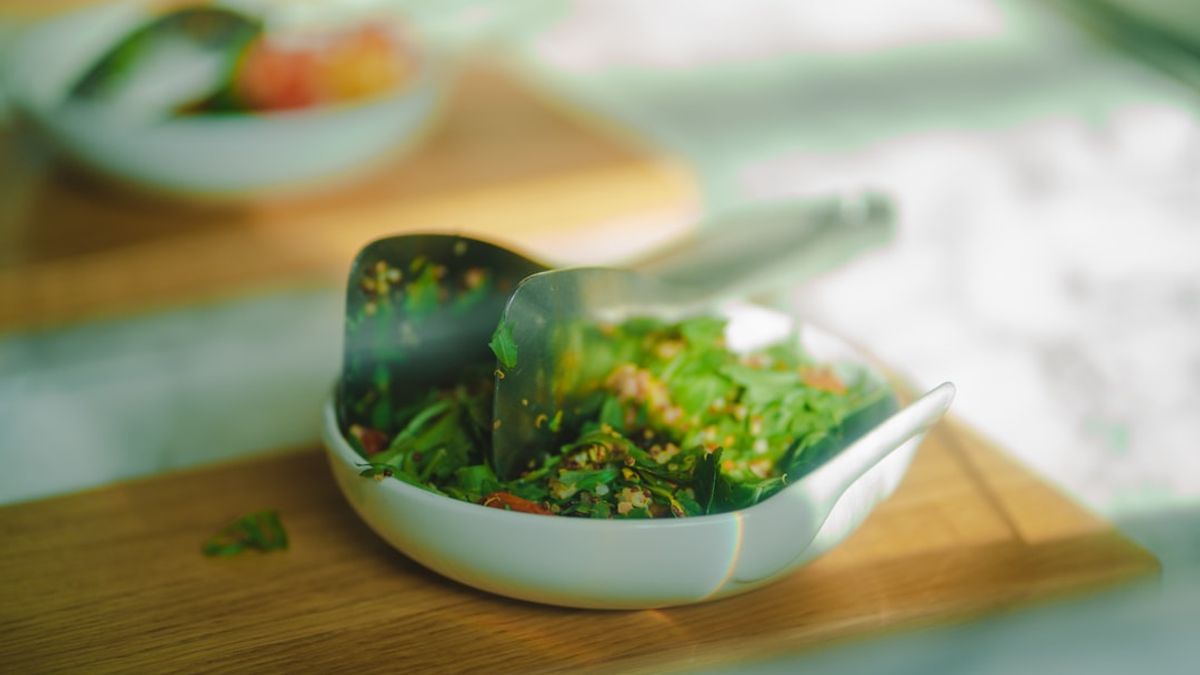
The simplest approach is to treat each mini meal like a tiny, balanced plate. You choose a fiber base, add a protein, layer on produce, and finish with a small amount of healthy fat or flavor. This structure works for vegetarian, low‑carb, and omnivorous eaters, and it adapts easily to leftovers.
- Start with a fiber‑dense base. Use beans, lentils, chickpeas, cooked quinoa, brown rice, steel‑cut oats, or whole‑grain toast. For low‑carb mini meals, lean on non‑starchy vegetables like broccoli, cauliflower rice, leafy greens, or cabbage slaw instead of grains.
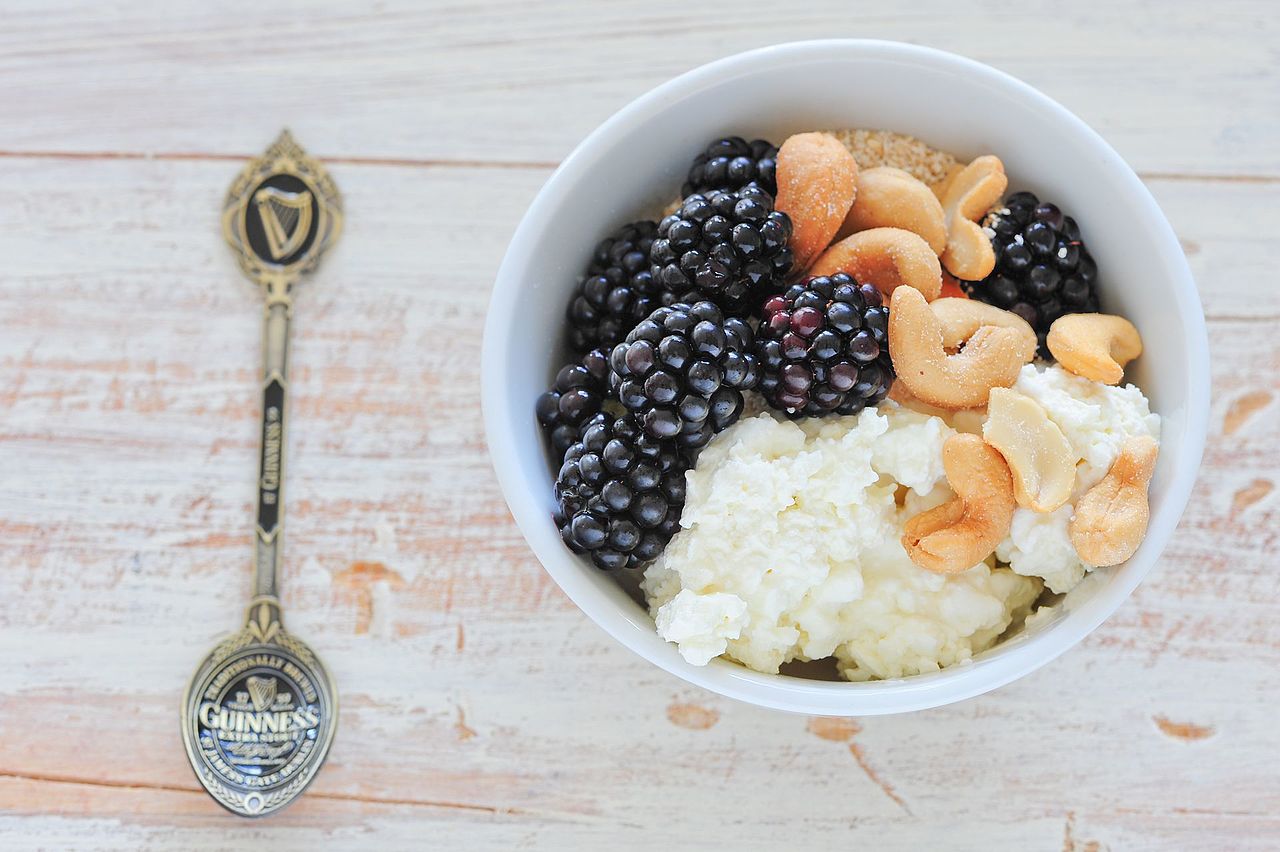
- Add a clear protein source. This can be Greek yogurt, cottage cheese, hard‑boiled eggs, tofu, tempeh, grilled chicken, canned tuna, or extra beans and lentils. For vegetarians, pair legumes with tofu, seeds, or dairy to keep protein adequate.
- Layer in fruit or vegetables. Raw carrot sticks, cucumber, cherry tomatoes, spinach, frozen mixed vegetables, apples, berries, or pears all contribute additional fiber and volume. For a high fiber lunch for constipation relief, focus on a generous portion of vegetables plus some fruit.
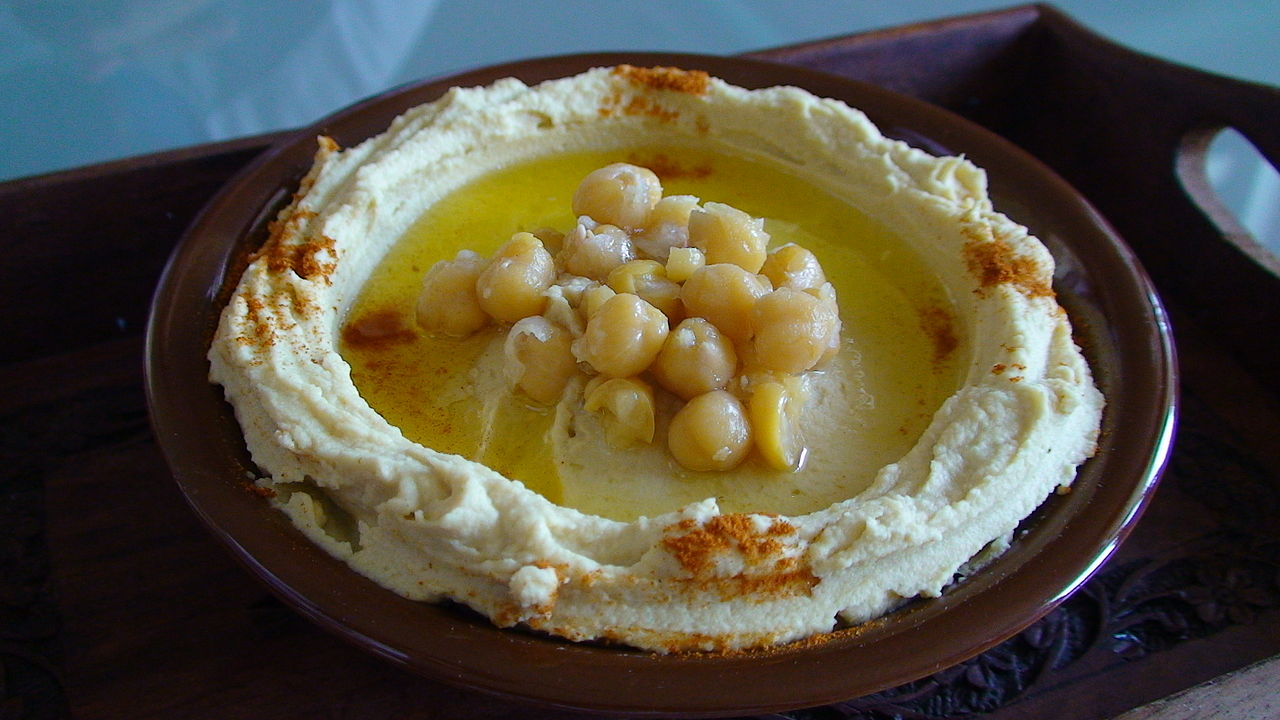
- Add healthy fats and flavor. A spoonful of hummus, a drizzle of olive oil, a sprinkle of nuts or seeds, or a smear of nut butter can make simple high‑protein, high‑fiber meals taste satisfying instead of bland.
- Keep portions modest but complete. The point of mini meals is to avoid feeling stuffed. Aim for enough food to feel comfortably full, not heavy. Over time, you’ll learn what portion sizes keep you satisfied for two to three hours.
Once you internalize this framework, you can glance at recipes from Hy‑Vee’s “High‑Fiber Meals for Overall Health” or Minimalist Baker’s high‑fiber lineup and immediately see how to shrink them into mini versions. A full lentil soup becomes a small bowl with extra vegetables; a grain bowl turns into a half‑portion with more greens and beans.
“I Don’t Have Time to Cook”: Turning Popular High‑Fiber Dishes into Mini Meals
“If it takes more than 15 minutes, I won’t make it.” That line comes up often in conversations with home cooks, including readers of Nourish Move Love and Hy‑Vee’s nutrition content. The good news: most high‑fiber recipes can be broken into components and repurposed as quick fiber rich mini meals without starting from scratch.
Consider a chickpea and quinoa salad featured on Nourish Move Love’s high‑fiber, high‑protein meal ideas. The full recipe might involve roasting vegetables, cooking quinoa, and mixing a dressing. For a mini meal version, you can use pre‑cooked frozen quinoa, canned chickpeas (rinsed), bagged salad greens, and a simple drizzle of olive oil and lemon juice. The flavor profile stays similar, but the prep time drops sharply.
Similarly, Hy‑Vee’s collection of fiber‑focused meals often uses pantry staples like canned beans, whole‑grain pasta, and frozen vegetables. Those same ingredients lend themselves to “assembly bowls” rather than full recipes. This is where comparison becomes useful: a plated dinner versus a mini bowl. This pairs well with our guide on Budget Friendly Recipes That Stretch Your Grocery Budget.
Classic high‑fiber dinner vs. fiber rich mini meal:
A full high‑fiber dinner might be a large serving of black bean and vegetable chili over brown rice, topped with cheese and avocado. To convert this into a fiber rich mini meal for weight loss or a lighter lunch, use a smaller scoop of chili, skip or reduce the rice, double the non‑starchy vegetables (like bell peppers and zucchini), and add a spoonful of Greek yogurt instead of a large cheese portion. The flavor profile stays satisfying, but the energy density and portion size shift.
Minimalist Baker’s plant‑based high‑fiber recipes, which often feature lentils, oats, and seeds, can be handled the same way. A full baked oatmeal becomes a small square paired with berries and yogurt. A hearty lentil stew turns into a cup‑sized portion alongside a salad. This comparison—full plate versus mini plate—helps you see that time‑saving and portion control can coexist without sacrificing fiber.
Fiber Rich Mini Meals for Weight Loss, Maintenance, and Energy
Designing Mini Meals That Support Weight Goals
For people exploring fiber rich mini meals for weight loss, the goal is to reduce overall energy intake while preserving satisfaction. Research reported in peer‑reviewed journals has associated higher fiber diets with lower body weight over time, although fiber alone does not guarantee weight loss.
In practice, this means building mini meals with a high ratio of fiber and protein to calories. Think of a bowl with black beans, salsa, shredded lettuce, and a sprinkle of cheese instead of a large burrito with refined flour. Or a small serving of lentil soup with a side of carrot sticks rather than a large sandwich on white bread. The fiber slows digestion, the protein supports satiety, and the reduced portion size quietly lowers total intake.
Balancing Mini Meals for Steady Energy
Mini meals can also help people who feel sluggish after heavy lunches. By spreading intake across three to five smaller meals, each with fiber, protein, and some healthy fat, you may avoid the sharp post‑meal dip that comes with oversized portions of refined carbohydrates. Many office workers find that a mid‑morning Greek yogurt with berries and oats, followed by a high fiber lunch such as lentil salad with vegetables, keeps them more alert than a large fast‑food meal.
Examples of Weight‑Conscious Fiber Rich Mini Meals
In practice, these combinations strike a good balance between simplicity and nutrition:
• Half a whole‑grain pita stuffed with hummus, cucumber, shredded carrots, and spinach, plus a small apple.
• A cup of vegetable and bean soup with extra mixed vegetables stirred in, topped with a spoonful of plain yogurt.
• A small bowl of overnight oats made with rolled oats, chia seeds, and berries, portioned so it feels light rather than heavy.
These are not rigid prescriptions, but they show how simple high‑protein, high‑fiber meals can be adjusted into mini formats that support both comfort and weight management. Explore this further in American Home Cooking Classics Updated For Faster Flavor.
Plant‑Based and Vegetarian Fiber Rich Mini Meals
Leveraging Plant Proteins for Filling Mini Plates
Plant‑based eaters often have an easier time reaching high fiber intakes, because beans, lentils, whole grains, nuts, and seeds are already staples. Minimalist Baker’s plant‑based recipes routinely include several grams of fiber per serving from ingredients like oats, chickpeas, and sweet potatoes.
To create fiber rich mini meals that are vegetarian or fully vegan, the key is to combine those fiber sources with enough protein. Lentil salads, quinoa bowls, and chickpea wraps all work well when portioned into smaller sizes. For example, a mini meal might be half a serving of a quinoa and black bean bowl, topped with salsa and avocado, plus a side of orange slices.
Vegetarian Mini Meal Ideas Inspired by Top Recipes
Drawing on ideas from Nourish Move Love’s kale quinoa salad and Mediterranean bowls, you can assemble:
• A small container of massaged kale, pre‑cooked quinoa, canned chickpeas, and cherry tomatoes with lemon‑tahini dressing.
• Half a whole‑grain wrap spread with hummus, filled with cucumber, bell peppers, and spinach, rolled and sliced into pinwheels.
• A mini lentil “snack bowl” with cooked lentils, shredded carrots, thawed peas, and a drizzle of olive oil and vinegar.
These fiber rich mini meals are easy to prep in batches, making them realistic for busy schedules and adaptable for those who want simple high‑fiber dinners but prefer to eat smaller portions more frequently.
Plant‑Based Mini Meals for Digestive Comfort
For those dealing with occasional constipation, a high fiber lunch that leans on plant foods can be helpful. Dietary fiber may improve bowel function for many people, especially when combined with adequate fluid intake. A mini meal built from lentil soup, a side of kiwi or pear, and a handful of leafy greens can gently increase fiber without overwhelming the system.
However, increasing fiber suddenly can cause discomfort for some. Many clinicians recommend raising fiber intake gradually and drinking more water, rather than jumping straight from low to very high fiber meals in a single day.
Low‑Carb and Kid‑Friendly Fiber Rich Mini Meals
Adapting Mini Meals for Lower‑Carb Patterns
Some people look for fiber rich mini meals low carb because they are following a reduced‑carbohydrate pattern for blood sugar management or personal preference. While many traditional high‑fiber foods are grain‑based, it is still possible to build low‑carb mini meals using non‑starchy vegetables, seeds, nuts, and certain legumes in modest portions.
For example, a mini meal might feature a base of shredded cabbage slaw, topped with grilled chicken or tofu, a spoonful of black beans, and pumpkin seeds. Another option could be cucumber slices topped with tuna salad and a side of roasted Brussels sprouts. These combinations keep starch lower while still delivering fiber from vegetables and seeds.
Making High‑Fiber Mini Meals Appealing to Kids
Parents reading “High Fiber Recipes for Kids” on I’m The Chef Too will recognize the challenge: children often resist obvious “healthy” dishes but happily eat familiar foods with a fiber upgrade. The blog points out that brown rice and quinoa can replace white rice, adding a few grams of fiber per cup, and that beans can be blended into dips or spreads.
To turn this into kid‑friendly fiber rich mini meals, think in terms of fun shapes and familiar formats:
• Mini whole‑grain quesadillas with mashed black beans and cheese, cut into triangles, served with carrot sticks.
• High fiber mini‑muffins made with oats, mashed banana, and ground flaxseed (a style similar to recipes on Once Again), paired with a small yogurt.
• DIY snack plates with whole‑grain crackers, hummus, cherry tomatoes, and sliced strawberries.
Research summarized by pediatric nutrition sources indicates that repeated exposure and positive mealtime experiences can gradually increase children’s acceptance of higher‑fiber foods. Mini meals make that process less intimidating, because portions are small and can be adjusted to each child’s appetite.
Balancing Family Preferences with Fiber Goals
In many households, one person may want fiber rich mini meals for weight loss, another prefers low‑carb, and children just want something familiar. Building mix‑and‑match components—beans, chopped vegetables, cooked grains, proteins—allows each person to assemble their own plate within the same framework. This reduces cooking stress and keeps everyone closer to their fiber goals without separate dinners.
Putting It All Together: A Sample Day of Fiber Rich Mini Meals
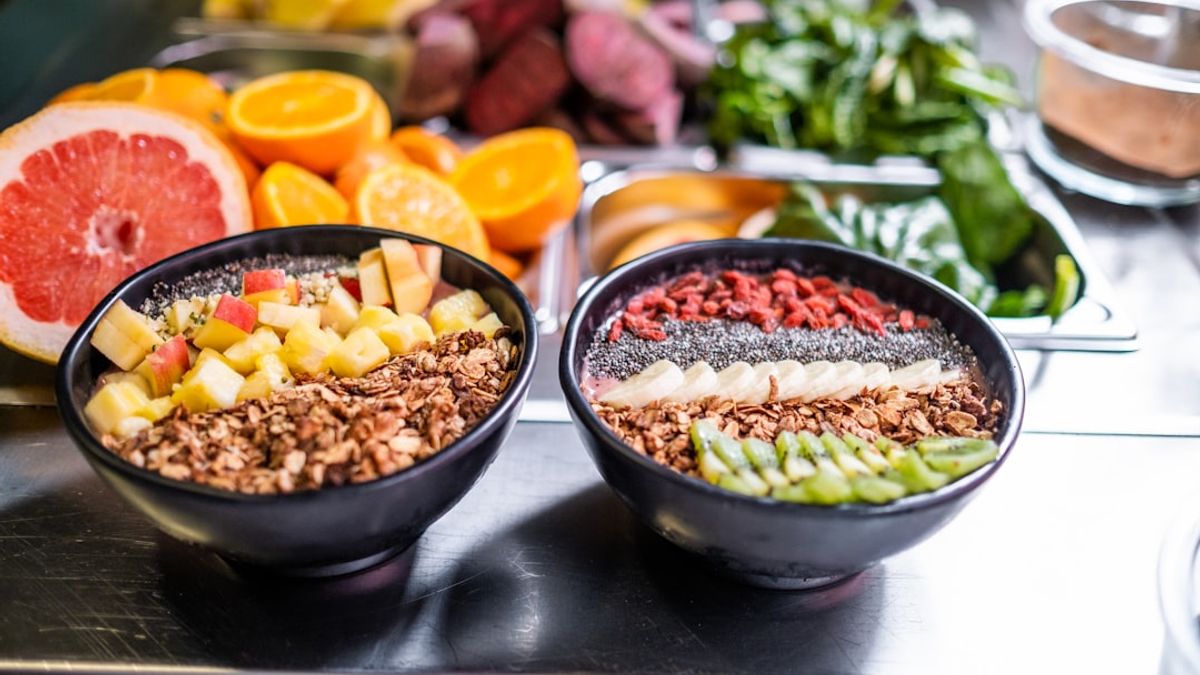
To see how these ideas play out, it helps to look at a sample day built around fiber rich mini meals that are healthy enough for everyday use and adaptable for various eating styles. This is not a prescription, but a template you can customize.
| Food | Serving | Fiber (g) | Protein (g) | Calories |
|---|---|---|---|---|
| Cooked black beans | 1/2 cup | 7 | 7 | 110 |
| Cooked lentils | 1/2 cup | 8 | 9 | 115 |
| Cooked quinoa | 1/2 cup | 2.5 | 4 | 110 |
| Rolled oats (dry) | 1/2 cup | 4 | 5 | 150 |
| Greek yogurt, plain, nonfat | 3/4 cup (170 g) | <1 | 17 | 100 |
| Almonds | 1 oz (23 nuts) | 3.5 | 6 | 165 |
| Apple, with skin | 1 medium | 4 | 0 | 95 |