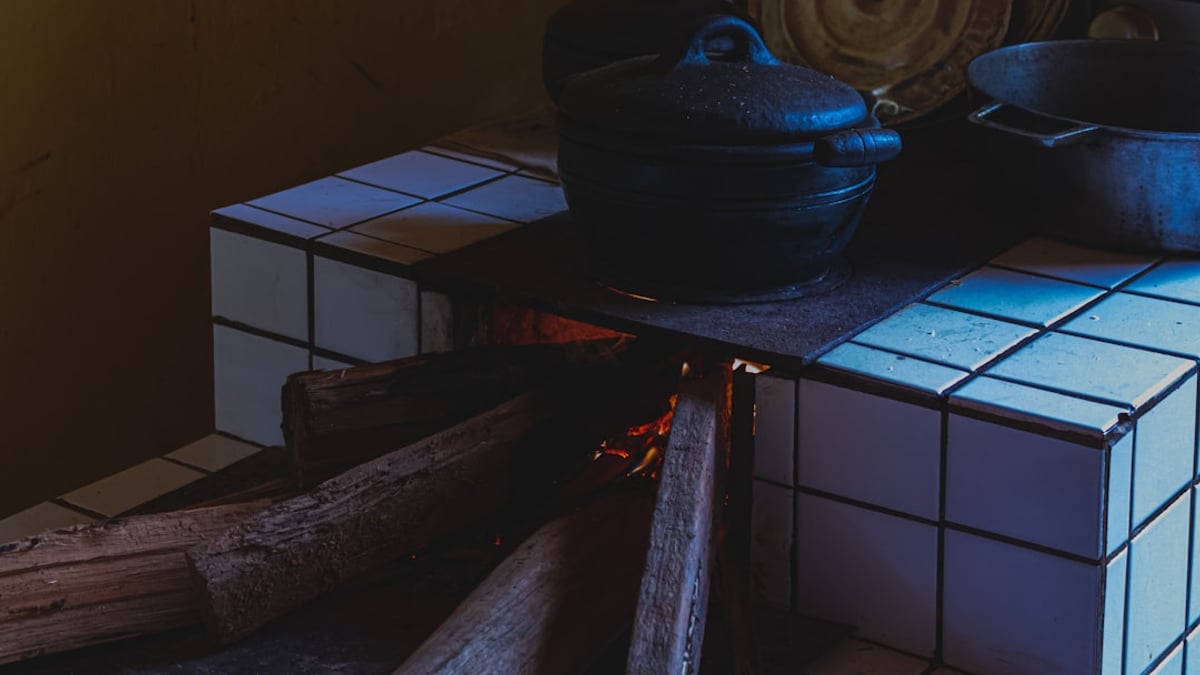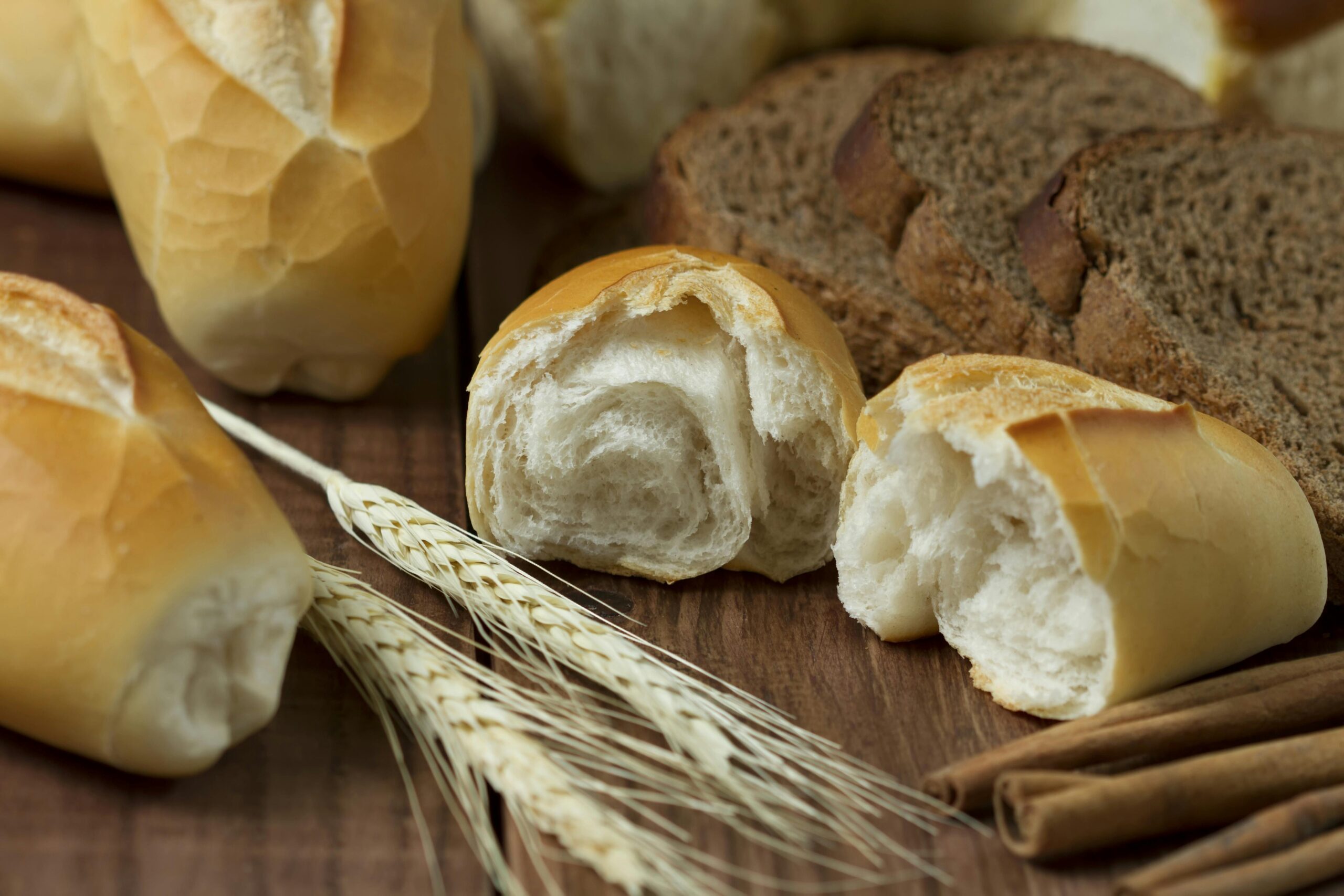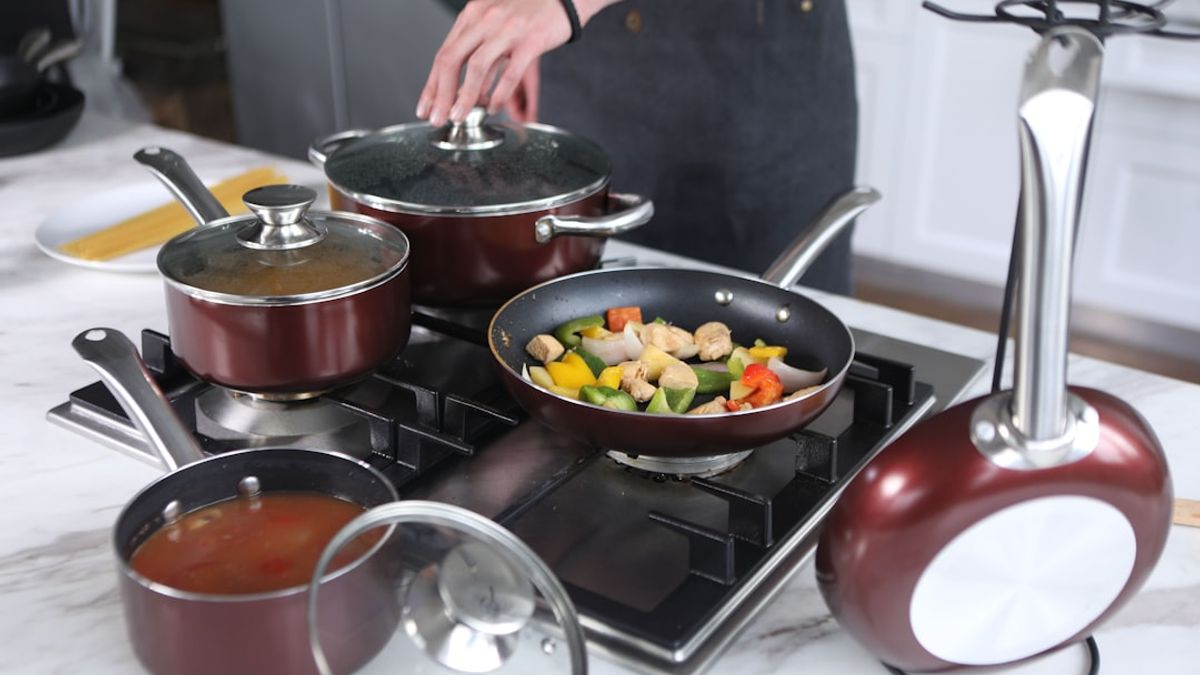
On a Tuesday night in Phoenix, a software engineer stirs a pot of cabbage soup while a tablet on the counter streams a TikTok recipe for “blue soda mocktails.” Across the country in Brooklyn, a nurse roasts a single chicken thigh in a tiny air fryer, plating it beside a bagged salad and a slice of supermarket sourdough. These quiet, ordinary scenes capture the heart of Americans cooking 2026: smaller, smarter, more intentional, but still hungry for comfort and fun. For more on this topic, see American Recipes for Stress-Free Weeknight Dinners.
As the 2025–2026 State of Home Cooking report from HelloFresh notes, people are still cooking at home a lot, but not in the same way they did a few years ago. Time pressure, grocery prices, health worries, and social media trends are all colliding in the kitchen. Instead of chasing perfection, Americans are quietly rewriting the rules: fewer ingredients, more nostalgia, bolder textures, and menus designed as much for mental relief as for nutrition.
Food writers at The New York Times, editors at Food & Wine, and curators at Taste of Home are all circling the same idea: 2026 food trends in the USA are less about extremes and more about balance. Red meat quietly returns beside piles of vegetables, crunchy textures replace heavy sauces, and mini desserts let people indulge without feeling overboard. In other words, Americans cooking 2026 are looking for a middle path between wellness and pleasure, with comfort food updated for modern realities.
In this deep dive, we’ll unpack what’s actually happening in American kitchens and restaurants this year: the new Americans cooking 2026 menu at home, the subtle mindset shift from stress to joy, the restaurant food trends 2026 is ushering in, and how social media food trends 2026 are reshaping what ends up on the plate. Think of this as a field report from the front lines of everyday cooking, not a distant trend list.
Inside the 2025–2026 State of Home Cooking: What Real Kitchens Reveal

The story starts in a small Chicago apartment, where a young couple—one working nights, one working days—has quietly turned their Sunday afternoons into a “batch-and-chill” ritual. They cook two big pots of something simple, usually beans and a chicken stew, portion them into glass containers, and then forget about cooking for most of the week. Their approach echoes what the HelloFresh 2025–2026 State of Home Cooking report has been documenting: Americans are still cooking, but they’re optimizing the process rather than chasing elaborate recipes.
That report highlights a few striking behaviors. Home cooks are leaning heavily on “anchor ingredients” like chicken thighs, canned beans, rice, and pasta, then rotating sauces and vegetables around them. People are also blending scratch cooking with shortcuts: jarred sauces, pre-chopped vegetables, and meal kits sit comfortably beside family recipes scribbled on index cards. Instead of seeing convenience foods as “cheating,” many cooks now treat them as tools in the broader Americans cooking 2026 toolkit.
At the same time, fatigue from endless decisions is real. The report notes that many households are standardizing a loose Americans cooking 2026 menu: tacos on one night, a pasta night, a soup or stew night, a leftovers night. The goal isn’t boredom; it’s predictability with room for small experiments, like swapping in a new salsa or trying a different noodle shape.
- Batch cooking on weekends to reduce weeknight stress
- Hybrid meals: half homemade, half store-bought components
- Repeating “theme nights” to cut decision fatigue
- Relying on a short list of affordable anchor ingredients
- Using meal kits and online recipes as training wheels, not rules
“Joy Over Perfection”: The Subtle Mindset Shift in How Americans Cook and Eat
One bold finding stands out as we ease into 2026: a noticeable shift from performance cooking to pleasure-first cooking. A survey highlighted by Tasting Table’s piece on a new cooking mindset points to a quiet rebellion against the pressure to plate Instagram-ready dinners every night. Instead of trying to cook like restaurant chefs, many home cooks are asking a different question: “Does this meal make my life easier and a little happier?”
That shift shows up in small, telling ways. People are serving one-pot meals straight from the pan at the table. They’re unapologetically using paper plates on weeknights. They’re choosing recipes with five ingredients instead of fifteen, even if the result looks less dramatic. The goal has moved from impressing others to taking care of themselves and their families with the energy they actually have.
This doesn’t mean flavor is disappearing. If anything, cooks are chasing more direct satisfaction: buttery toast with a runny egg, a big crunchy salad with salty cheese, or a bowl of noodles slicked with chili crisp. The emphasis is on dishes that deliver a big comfort payoff without complicated steps. Analysts watching food and beverage trends 2026 describe this as a move toward “emotional efficiency”—food that soothes without exhausting the cook.
There’s also a gentler attitude toward mistakes. Burned edges, lopsided cookies, and slightly overcooked vegetables are increasingly accepted as part of the process rather than failures. That softer mindset is reshaping how Americans talk about cooking with kids, teaching teenagers basic skills, and even how they share meals online. The quiet message behind Americans cooking 2026 is clear: done is better than perfect, and shared is better than staged.
Are We Really Bringing Back Red Meat and Blue Drinks? A Closer Look at 2026 Food Trends
Is America actually swinging back to red meat and neon-blue beverages, or are these just headline-friendly outliers? The reality is more nuanced, and more interesting.
According to trend coverage from Food & Wine’s 2026 forecast, beef and other red meats are reappearing on menus, but often in smaller, more considered portions. Think thin slices of grilled steak over a mountain of bitter greens, or a single smash burger with a side of roasted cabbage instead of fries. It’s less about abandoning plant-forward eating and more about weaving indulgence back into a health-conscious framework.
Blue drinks, meanwhile, are part of a larger wave of sensory maximalism. Electric-blue sodas, butterfly pea flower lemonades, and shimmering mocktails are popping up on TikTok feeds and in fast-casual chains. For many consumers, these are occasional treats—a way to punctuate a week of careful eating with something playful and photogenic. This is where social media food trends 2026 collide with real-life behavior: people want color and spectacle, but they’re not necessarily drinking these concoctions every day.
New foods coming out in 2026 also reflect this push-pull between fun and function. Shelf-stable gut-health snacks, high-fiber crackers, and protein-packed yogurt cups share cart space with limited-edition candy bars and novelty ice creams. Health food trends 2026 are less about strict rules and more about stacking the deck—adding fiber, protein, and fermented foods where possible, then enjoying a flashy dessert without guilt. Americans cooking 2026 are learning to balance these choices in ways that feel realistic rather than rigid.
- Red meat in moderation: Smaller portions, higher quality, often paired with vegetables.
- Blue and brightly colored drinks: Occasional, social-media-driven treats, especially in mocktail culture.
- Gut-friendly snacks: Crackers, bars, and drinks that emphasize fiber and fermentation.
- Hybrid indulgence: Products that blend nostalgia with better ingredients, like low-sugar versions of classic sweets.
“More Caution, More Crunch”: How We’ll Eat in 2026 at Home and in Restaurants
“People want more caution, more crunch.” That summary from a food forecaster quoted in The New York Times’ look at 2026 food predictions captures a tension that runs through both home kitchens and restaurant dining rooms this year.
Caution shows up first in how diners think about health and budgets. After years of price spikes and constant talk about metabolic health, many Americans are quietly tightening their standards. They’re reading labels a bit more closely, choosing water or unsweetened tea more often, and swapping one or two takeout orders each week for home-cooked meals. Industry observers note that this doesn’t look like rigid dieting; rather, it’s a series of small, cautious adjustments layered into everyday choices.
Crunch is the counterweight to that restraint. Whether it’s a pile of shredded cabbage under a piece of grilled fish, puffed grains on top of yogurt, or crispy chickpeas scattered over soup, texture is doing a lot of heavy lifting. Restaurant food trends 2026 lean into this with menus built around contrast: creamy polenta with crackling chicken skin, silky hummus topped with crunchy seeds, and salads that feel almost like slaws, dense with shredded vegetables.
At home, that same idea shows up in simple tricks: toasting nuts before adding them to a dish, roasting vegetables until their edges char, or finishing a bowl of brothy beans with garlicky breadcrumbs. Many cooks find that these crunchy elements make modest portions of meat or cheese feel more satisfying, which dovetails with both budget caution and health goals. Americans cooking 2026 are discovering that texture can make simple meals feel special.
Comparing restaurant plates to the Americans cooking 2026 menu at home, the difference is mostly in scale and presentation. The building blocks—crunchy toppings, cautious use of richer ingredients, and a backbone of vegetables and grains—are increasingly shared. What restaurants offer is a chance to experience those ideas at full volume, while home cooks adapt them to weeknight realities. You might also enjoy How Americans Cook 2026: Save Time on Healthy Weeknights.
The New Americans Cooking 2026 Menu: Simple Frameworks, Not Rigid Meal Plans
Peek into enough kitchens across the country and a pattern emerges: people are relying less on strict meal plans and more on flexible frameworks. Instead of mapping out every dish in advance, they’re building a loose rotation of meal “types” that can flex with whatever is in the pantry or on sale.
In my experience talking with home cooks, one of the biggest stress relievers is shifting from specific recipes to templates. Instead of deciding, “We’re making chicken fajitas with this exact recipe,” people think, “Tonight is a taco or wrap night, so what do we have that can go in a tortilla?” That might mean rotisserie chicken, roasted vegetables, or even leftover meatloaf crumbled and reheated with spices.
These templates often include a pasta night, a soup or stew night, something bowl-based (grains plus protein plus vegetables), and a “fun food” night like homemade pizza or burgers. Within each category, cooks swap ingredients based on what’s on sale or what needs to be used up. This approach mirrors the flexible, pattern-based cooking described in the HelloFresh home cooking report, where people balance routine with variety. Americans cooking 2026 are using these patterns to reduce stress while still keeping meals interesting.
While there isn’t a single official “2026 food pyramid” that everyone follows, the way Americans are composing plates does reflect a rough hierarchy. Vegetables, especially sturdy ones like cabbage, carrots, and broccoli, are showing up in bigger portions. Whole grains like brown rice, farro, and whole-wheat pasta are increasingly common, often cooked in batches.
Protein is still a focal point, but it’s more diverse: beans, lentils, tofu, eggs, chicken, and smaller portions of beef or pork. Health food trends 2026 also push fermented foods—yogurt, kimchi, sauerkraut—into more meals, often as toppings rather than main components. Desserts and snacks are still there, but minis and single-serves help keep them in check without feeling punitive. Americans cooking 2026 are quietly building plates that feel both satisfying and sustainable.
To see this in action, imagine a typical week built around these templates. Monday might be a big pot of lentil soup with crusty bread, carrying over into Tuesday’s lunch. Tuesday dinner becomes a taco night, using seasoned ground turkey and shredded cabbage. Wednesday leans on pasta with a jarred tomato sauce boosted by sautéed mushrooms and spinach.
Thursday could be a grain bowl: brown rice, roasted sweet potatoes, crispy chickpeas, and a dollop of yogurt sauce. Friday becomes the “fun” slot—maybe homemade pizza using store-bought dough and whatever toppings are left in the fridge. Weekends are more flexible: a brunch of eggs and toast, a slow-cooked pot roast with plenty of vegetables, or a simple grilled cheese and salad night when everyone’s tired. This kind of Americans cooking 2026 menu offers structure without rigidity.
Social Media Food Trends 2026: From Micro-Recipes to “Unserious” Treats
If you scroll through your feed this year, you’ll see a strange mix: quiet videos of someone chopping vegetables in silence, followed by a chaotic clip of blue mocktails and mini donuts skewered on straws. Social media food trends 2026 are split between soothing realism and pure entertainment, and both sides are shaping how people cook.
On one end, there’s a surge of “micro-recipes”—short clips showing extremely simple dishes like buttered noodles with garlic, cottage cheese toast, or one-pan roasted chicken with vegetables. These are less about teaching technical skills and more about giving viewers permission to keep things simple. Many cooks admit they save these videos not because they need the recipe, but because they need the reminder that dinner doesn’t have to be complicated.
On the other end, there’s a wave of “unserious treats,” a term used by trend analysts to describe playful, small-format indulgences. Think mini ice cream sandwiches, single-bite brownies, and tiny parfaits layered in shot glasses. This aligns with reporting from trend forecasters like WGSN, who note that mini food and drink formats are becoming a dominant trend in 2026 as people look for enjoyment without excess. Americans cooking 2026 are embracing these minis as a way to punctuate otherwise practical eating patterns.
These minis often function as low-commitment self-rewards: a one-bite dessert after a long shift, a small sip of a special drink, or a single fancy chocolate eaten slowly. For many, they’re also a way to participate in social media culture—photographing a tiny dessert feels fun and shareable, without requiring a whole layer cake or a complicated baking project. This pairs well with our guide on fiber-rich mini meals for busy nights and lasting satiety.
Compared to earlier eras of hyper-staged food photos, the current wave feels more relaxed. Messy counters, imperfect plating, and store-bought components show up openly in videos. That honesty loops back into the Americans cooking 2026 mindset: food as a realistic, daily act of care, occasionally punctuated by something whimsical and camera-friendly.
Restaurant Food Trends 2026: Heritage, Interactivity, and Solo Tables
Walk into a restaurant in 2026 and the menu may look both familiar and strangely remixed. According to coverage of how Americans will eat in 2026 on platforms like Medium and Taste of Home, chefs are weaving together heritage cooking, interactive experiences, and a growing respect for solo diners.
Heritage Dishes, Reimagined as Small Plates
One of the clearest restaurant food trends 2026 is the rise of “heritage small plates.” Instead of serving big, heavy portions of classic dishes, chefs are offering smaller, shareable versions: mini chicken pot pies, bite-sized empanadas, petite bowls of gumbo, or tiny pierogi flights. This lets diners taste a range of flavors without committing to a single massive entree.
For many chefs, this is also a way to tell personal stories. A cook with Mexican and Midwestern roots might serve a plate of tiny tacos filled with smoked brisket, while an Italian-American chef offers arancini stuffed with unexpected fillings. The effect is nostalgic but not stuck in the past, echoing Taste of Home’s emphasis on comfort food updated for modern tastes.
Interactive and Sensory Dining
Interactive dining—where guests assemble, dip, wrap, or customize their food at the table—is also gaining ground. Hot pot, Korean barbecue, DIY tostada boards, and fondue-style cheese or chocolate all fall into this category. These experiences dovetail with the sensory maximalism noted by Food & Wine: sizzling, bubbling, crunching, and dipping become part of the entertainment.
At the same time, restaurants are responding to a more cautious, texture-focused palate by offering crunchy sides, charred vegetables, and crisp salads as standard accompaniments. That “more crunch” theme from The New York Times coverage shows up in everything from tempura green beans to shatteringly crisp chicken skins. For practical tips, check online cooking classes that help you master weeknight dinners fast.
Solo Meals and Quiet Corners
Another subtle but important shift: restaurants are making more space for solo diners. Counter seating, bar-adjacent two-tops, and even dedicated “quiet corners” cater to people eating alone with a book, a laptop, or just their thoughts. Menus often feature smaller plates and half-portions that make it easy to build a solo meal without waste.
This mirrors the rise of solo meals at home, where people build single-serving bowls or toast-based dinners without apology. In both cases, the message is clear: cooking and eating are not just group activities. They’re also ways individuals care for themselves, whether that means a carefully composed grain bowl or a simple burger enjoyed in peace.
Health Food Trends 2026 and the Evolving “Everyday” Plate
While flashy trends grab headlines, the quieter evolution of the everyday plate may matter more for long-term health. Health food trends 2026 revolve less around strict diets and more around layering in better choices where possible, a pattern echoed in coverage across major outlets.
Industry observers note that many Americans are trying to increase fiber intake through whole grains, beans, and vegetables. Publications like Mayo Clinic have long highlighted the potential benefits of high-fiber diets for heart and digestive health, and that message appears to be sinking in.
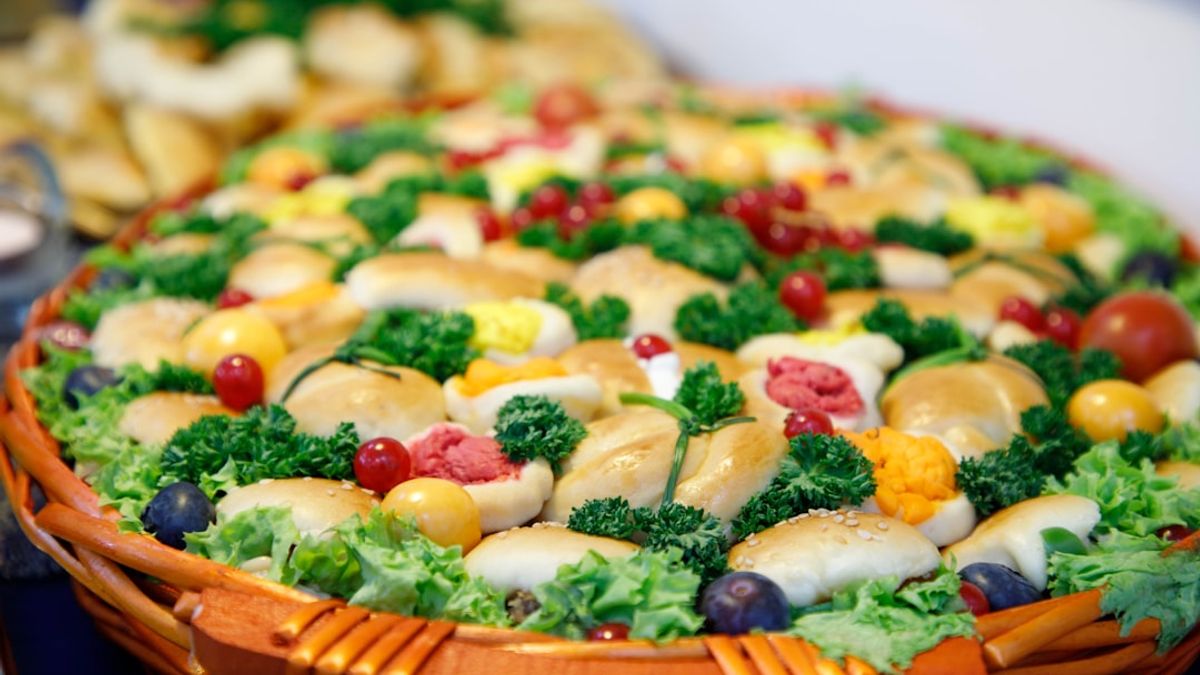
In practice, this looks like swapping in whole-wheat pasta occasionally, adding a can of beans to soup, or tossing roasted vegetables onto frozen pizza.
Fermented foods are another quiet star. Yogurt, kefir, kimchi, and sauerkraut are showing up as toppings, sides, or quick snacks, influenced by ongoing research into gut health published on platforms like PubMed. While not everyone is chasing detailed probiotic counts, there’s a general sense that “a little bit of something fermented” is a good idea.
Protein remains a central concern, but the sources are diversifying. Eggs, canned fish, tofu, tempeh, and plant-based meat alternatives share space with chicken and smaller portions of beef or pork. Many cooks are experimenting with “protein plus plants” meals: bean-and-cheese quesadillas with a side of slaw, or salmon served over a lentil salad.
All of this adds up to a practical, flexible version of a 2026 food pyramid: plenty of plants, regular but varied protein, whole grains when convenient, and sweets or fried foods in smaller, more occasional servings. Instead of strict rules, people are building habits that feel sustainable in the context of busy lives and fluctuating grocery prices.
Conclusion: Cooking in 2026 as Everyday Care, Not Performance
Across all the reports, forecasts, and quiet kitchen moments, a clear picture emerges: Americans cooking 2026 are less interested in putting on a show and more focused on feeling okay. They’re building menus around flexible templates, leaning on affordable staples, and layering in healthful choices where they can. At the same time, they’re not willing to give up joy—crunchy textures, nostalgic flavors, mini desserts, and the occasional neon-blue mocktail all have a place at the table.
What ties these threads together is a shift toward cooking as everyday care rather than performance. Meal kits, TikTok micro-recipes, and restaurant inspiration are all tools, not masters. People are learning to trust their own tastes, embrace imperfection, and design a 2026 food pyramid that matches their real lives instead of an idealized chart.
If you’re looking to align your own habits with these trends, start small: pick one or two templates you love, add a crunchy topping to tonight’s dinner, or try a mini dessert instead of a full pan of brownies. Pay attention to which meals actually make your days easier and your evenings calmer. In a year defined by cautious optimism and quiet creativity, the most powerful trend you can follow is this: cook in a way that takes care of you, not just your camera roll.
Mei Ling is a food scientist and trend analyst who studies emerging food ingredients and culinary movements with a decade of experience. She offers insightful commentary on sustainable food trends and innovative products that transform home cooking. Mei Ling bridges science and culture in her writing.