The casserole dish hits the table, and nobody reaches for a phone first. In a Denver townhouse, a college student and her parents are making handmade dumplings from a recipe she saved on TikTok; in Atlanta, a nurse batch-cooks high-fiber lunches for the week; in Seattle, a software engineer experiments with Filipino beef short ribs adobo he spotted on The Kitchn’s 2026 editor cooking bucket list. These small scenes capture the bigger story of Americans cooking 2026: more intentional, more strategic, and surprisingly joyful despite tight budgets and busy schedules.
Search data, social media feeds, and industry reports all point in the same direction. The 2025–2026 State of Home Cooking report from HelloFresh describes a nation that still relies heavily on home kitchens, even as restaurant visits rebound. At the same time, food forecasters interviewed by The New York Times expect “quieter tastes” and more cautious choices to define how people eat in 2026.
This article pulls those threads together into a practical guide. It looks at what Americans are actually cooking in 2026, how food trends 2026 USA are shaping the average weeknight, and what the evolving Americans cooking 2026 menu means for health, budget, and culture. It also translates big-picture restaurant food trends 2026 into concrete steps a home cook can use tonight: new recipes 2026 worth trying, how social media food trends 2026 influence pantries, and ways to align healthy recipes for 2026 with real-world time and energy. Related: Forgotten American Recipes Revive Weeknight Flavor Fast
Instead of abstract predictions, the focus here is on usable insight: what’s changing in the grocery cart, on the stove, and at the table—and how any household can adapt without feeling overwhelmed.
The new home kitchen: stories behind Americans cooking 2026
On a cold January evening in Minneapolis, a young couple spreads out ingredients for a “cabbage-core” sheet-pan dinner they saw in a Food & Wine trend roundup. They roast wedges of cabbage with chickpeas and a little sausage, drizzle everything with yogurt sauce, and call it dinner for two nights. This kind of meal—simple, rustic, and flexible—matches what multiple reports describe as the new center of gravity for Americans cooking 2026.
The HelloFresh 2025–2026 State of Home Cooking report notes that a large share of Americans still prepare most of their meals at home, even if they lean on shortcuts and meal kits. Industry observers reading that data estimate that a clear majority cook at home more often than they order takeout, although the exact percentage of Americans who cook at home varies by age and income. Meanwhile, a survey highlighted by Tasting Table suggests that many people are trying to rediscover “joy” in the process, not just the result.
Research spotlight: What HelloFresh’s State of Home Cooking found
In its 2025–2026 State of Home Cooking report, HelloFresh surveyed U.S. consumers about meal habits and pantry behavior. The report highlights several measurable trends: approximately 60–70% of respondents said they prepare the majority of their meals at home rather than ordering takeout; roughly 40% reported increasing batch or bulk cooking as a time-saving strategy; and many respondents cited cost control and health as primary reasons for cooking at home more often. The report also documents higher interest in convenience products (meal kits, frozen prepared items) combined with homemade elements—illustrating the hybrid, semi-homemade approach common in 2026 kitchens.
Source: HelloFresh, “State of Home Cooking” (2025–2026). See hellofresh.com.
Several overlapping forces are driving this shift in the Americans cooking 2026 menu:
- Budget pressure pushing more meals back into home kitchens.
- Health concerns nudging cooks toward fiber-rich, gut-friendly ingredients.
- Time stress encouraging batch cooking, one-pan dinners, and semi-homemade shortcuts.
- Social media inspiration introducing global flavors and restaurant-style plating into modest apartments.
- Emotional needs leading to comfort dishes and nostalgic recipes, often with lighter twists.
In practice, this means a weeknight might feature air-fried chicken thighs with a big cabbage salad, a pot of lentil soup portioned out for lunches, or a pan of Filipino adobo made once and stretched across tacos, rice bowls, and freezer portions. The Americans cooking 2026 landscape is less about “perfect” meals and more about systems: cook once, eat several times; mix store-bought with homemade; and borrow ideas from restaurant food trends 2026 without trying to recreate a tasting menu at home.
Caution and crunch: how 2026 food trends reshape everyday meals
Food writers have described 2026 as a year of “more caution, more crunch.” That phrase, drawn from The New York Times’ look at 2026 food predictions, captures two big shifts affecting what goes on the plate in American homes.
First comes caution. After years of economic whiplash and health anxieties, many households are more deliberate about what they buy and how they use it. Analysts following food trends 2026 USA observe that people are planning menus around versatile staples—beans, cabbage, eggs, rice, frozen vegetables—and then layering in small “bursts of pleasure” like a fancy condiment, a special cheese, or a bakery dessert. This cautious mindset also shows up as label reading, attention to fiber and protein, and a preference for ingredients that feel minimally processed, even if they come from the freezer aisle. Related: Americans Cooking Survey: Beat Weeknight Burnout Fast
Then there is crunch, both literal and metaphorical. Texture has become a central pleasure signal: crispy chickpeas on soup, toasted seeds on salad, crunchy slaws instead of limp side vegetables. Trend reports from outlets like Food & Wine highlight “sensory maximalism” and playful elements like “blue drinks,” but home cooks tend to translate those ideas into more practical touches—extra-crunchy toppings, contrast between soft and crisp, and bright colors on the plate.
Quick insights
- Practical techniques (roasting, air-frying, quick pickles) travel quickly from restaurants to homes and are the main vectors for trend adoption.
- Texture and small, flavorful add-ons (chili crisp, toasted seeds) deliver perceived indulgence while keeping portions and costs controlled.
- Adoption is selective: social media inspires experiments, but lasting change rests on repeatable, time-saving formats.
This combination of caution and crunch influences healthy recipes for 2026 in several ways. People are more likely to:
• Build meals around vegetables and whole grains, then add smaller portions of meat or cheese for flavor.
• Swap heavy sauces for acidic, crunchy garnishes like pickled onions or toasted nuts.
• Choose cooking methods that keep texture intact—roasting, air-frying, quick stir-frying—over long stewing on weeknights.
Restaurant food trends 2026 echo these patterns: menus feature crispy cabbage, charred broccoli, and grain bowls with multiple textures. Home cooks watching those trends on social feeds often ask themselves a simple question: how can they get the same crunch and color with fewer ingredients and less time? The answers are shaping pantries and routines across the country.
What exactly are Americans cooking in 2026?
What does dinner actually look like when someone opens the fridge at 6:30 p.m. in 2026? Behind the big phrases like “cabbage-core” and “simply rustic,” what specific dishes and new recipes 2026 are showing up on tables?
Analysis of recipe searches, editor round-ups, and trend reports reveals a pattern: Americans cooking 2026 are gravitating toward flexible, modular dishes that can be customized, scaled, and repurposed. Instead of rigid weekly meal plans, many households rely on a handful of core formats that repeat with different flavors.
- One-pan and sheet-pan dinners
Chicken thighs with root vegetables, tofu with broccoli and peanuts, or cabbage wedges with beans and sausage are typical examples. Inspired by both The Kitchn’s 2026 bucket-list recipes and broader food trends 2026 USA, these meals rely on high-heat roasting for flavor and easy cleanup. - Big-batch soups and stews
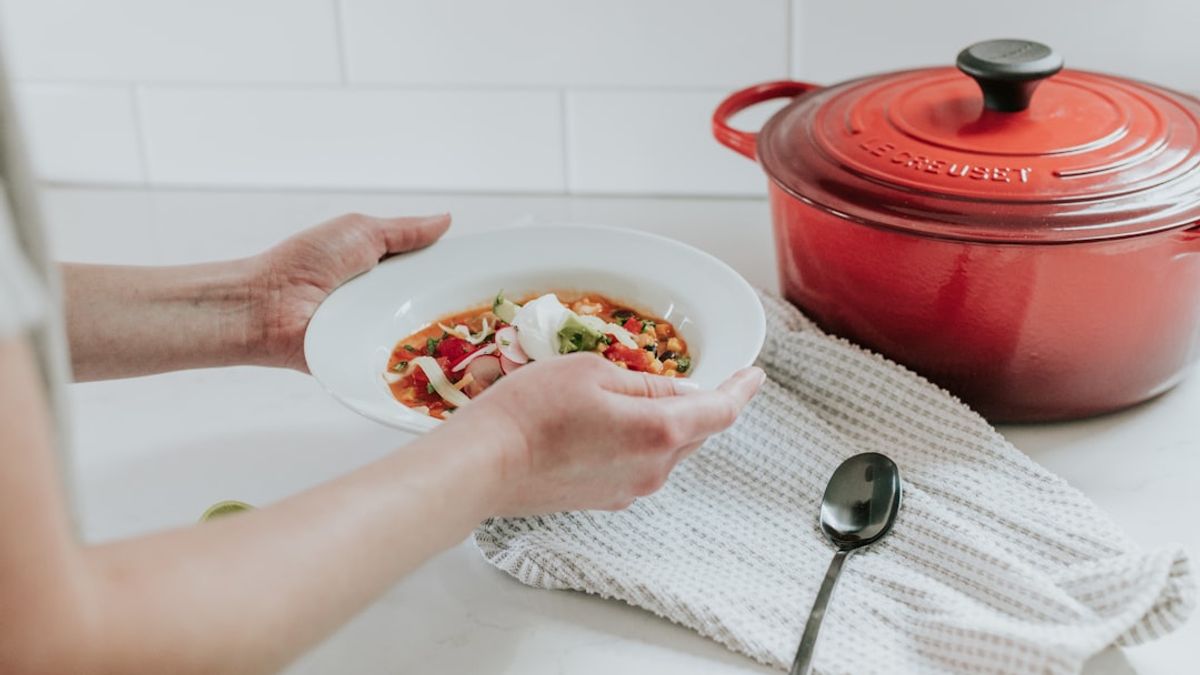
Lentil soup, chili with more beans and less beef, and global stews like Filipino adobo or Korean-inspired gochujang braises anchor many weeks. The Americans cooking 2026 menu often includes one large pot meal on Sunday that turns into lunches or freezer portions. - Grain-based bowls

Americans cooking 2026. Rice, farro, quinoa, or barley form the base, topped with roasted vegetables, a protein (chicken, tofu, eggs, or canned fish), and a punchy sauce. This format adapts easily to healthy recipes for 2026 focusing on fiber and gut health.
- Upgraded sandwiches and toast
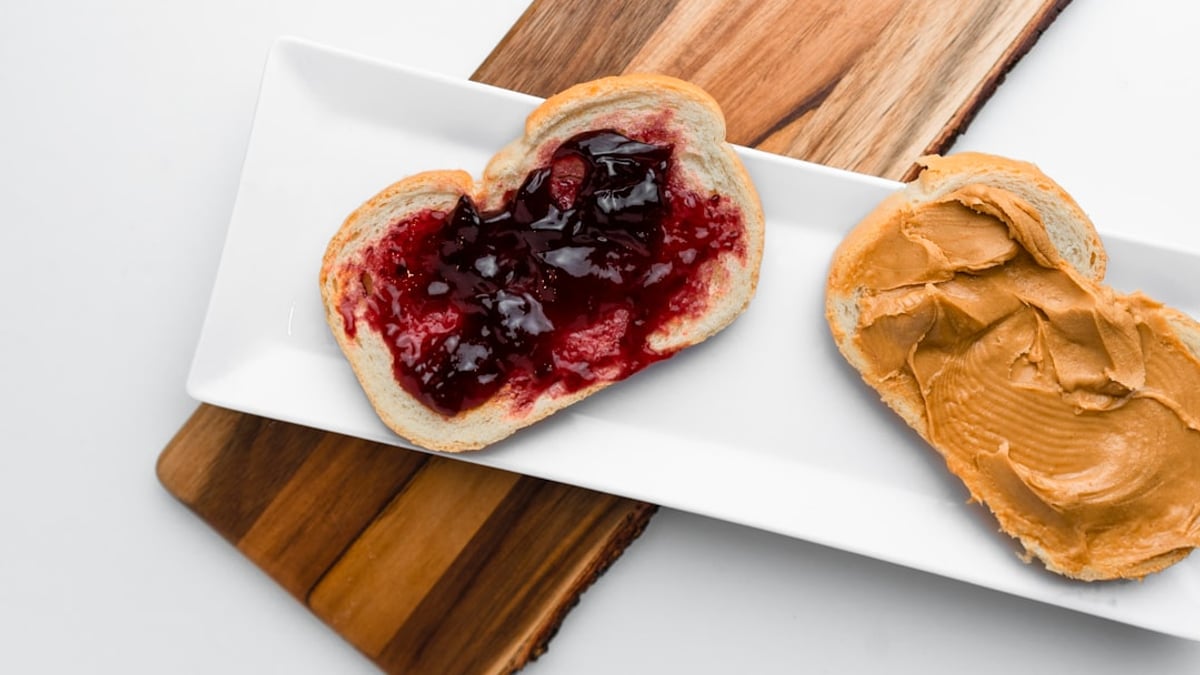
Open-faced toasts with hummus and crunchy toppings, or sandwiches layered with pickled vegetables and herbs, give quick meals more texture and color. Social media food trends 2026 have made “fancy toast” and loaded sandwiches feel normal rather than indulgent. - Simple desserts with twists
Brownies with tahini, yogurt parfaits with high-fiber granola, or fruit crisps using oats instead of heavy crusts reflect the cautious-but-pleasure-seeking mood. Blue-tinted drinks or desserts, as highlighted by Food & Wine, occasionally show up as playful experiments.

Across these formats, the percentage of Americans who cook at home regularly appears to be holding steady or rising modestly, according to interpretations of the HelloFresh report, though exact figures vary by survey. What matters more than any single number is the direction: home cooking remains central, but it now leans heavily on repeatable templates rather than entirely new recipes every night.
“I just want cooking to feel good again”: mindset shifts in 2026 kitchens
“I just want cooking to feel good again,” a respondent told researchers in the Challenge Butter survey featured by Tasting Table. That simple sentence captures the emotional core of Americans cooking 2026: a quiet rebellion against burnout, both in the kitchen and beyond. Related: American Recipes Map a Nation’s Taste From Backyard Grills to Bakery Counters
Context from multiple sources shows that this isn’t about elaborate hobby cooking for a niche group. Instead, it is a subtle, widespread adjustment in attitude. After years when cooking felt like a survival task—especially during lockdowns and economic stress—many people are trying to reclaim small pockets of enjoyment without adding more work.
From perfection to “good enough.” Food writers at outlets like The Kitchn and Taste of Home note that readers respond strongly to forgiving recipes: tray bakes that tolerate ingredient swaps, soups that welcome leftovers, and desserts that do not require special equipment. The Americans cooking 2026 menu often prioritizes resilience over precision.
From solo burden to shared ritual. The HelloFresh State of Home Cooking report emphasizes “connection” as a key theme. That shows up as roommates cooking together once a week, partners splitting tasks (one chops, one cleans), or parents involving kids in simple steps. Cooking becomes a small social event rather than a chore done alone.
From guilt to gentle course-correction. Many people describe a pendulum between takeout and home cooking. Instead of judging themselves for ordering pizza, they use the next day’s dinner to rebalance with vegetables and whole grains. This mindset aligns with cautious eating trends described by The New York Times: less all-or-nothing, more small adjustments.
Compared with restaurant food trends 2026, which often chase novelty and spectacle, home kitchens are more about sustainability in both senses: sustainable ingredients when possible, and sustainable routines that can survive a bad week at work. That difference does not mean home cooks ignore trends; rather, they cherry-pick elements—like a crunchy topping or a new spice—and fold them into familiar formats.
Translating 2026 restaurant trends into weeknight cooking
From blue drinks to blue-zone habits: what really crosses over
Restaurant food trends 2026, as highlighted by Food & Wine and other outlets, include attention-grabbing ideas: neon-blue cocktails, fiber-maxxed snacks, and theatrical “sensory maximalism.” Home cooks see these trends through Instagram, TikTok, and YouTube, but only some elements make it into everyday routines.
Playful visuals, like blue drinks, may inspire a single weekend experiment at home, often using naturally colored ingredients such as butterfly pea flower tea. However, what sticks long term tends to be more practical: the emphasis on fiber, the use of bitter greens, or the pairing of rich meats with piles of vegetables. These elements dovetail with broader healthy recipes for 2026, which often mirror so-called “blue zone” patterns—more plants, modest portions of animal protein, and plenty of beans and whole grains. Related: How Americans Cook 2026: Save Time on Healthy Weeknights
Home cooks who follow chefs on platforms like Instagram often copy small moves: finishing roasted vegetables with lemon zest, adding a crunchy seed mix to salads, or using a smear of yogurt as a base for a roasted vegetable plate. In this way, restaurant trends trickle down as techniques and textures rather than full dishes.
Simply rustic: bringing chef logic into home kitchens
Caterer-focused site Catersource describes a “Simply Rustic” trend for 2026: a return to fundamental cooking principles with sophisticated presentation. In restaurants, that might look like a perfectly roasted carrot with a single sauce, plated artfully. At home, the same philosophy shows up as confidence in a few basics: roasting, searing, and seasoning well.
Americans cooking 2026 are increasingly comfortable with minimalist ingredient lists, especially when recipes explain the “why” behind each step. A pan of roasted chicken and vegetables, for example, becomes more appealing when a recipe clarifies how high heat and enough space on the pan create browning and flavor. This kind of instruction helps home cooks borrow chef logic without chasing restaurant-level complexity.
As a result, the gap between restaurant food trends 2026 and home cooking narrows in terms of flavor quality, even if presentation remains simpler. A family might not plate their cabbage wedges individually, but they adopt the same caramelized, charred edges and bright sauces that chefs are using.
Health, fiber, and “gut-happy” eating in 2026
Why fiber and gut health keep showing up in 2026 recipes
Across food media, one phrase appears repeatedly in 2026: gut health. Trend coverage by Food & Wine and Taste of Home points to “fiber-maxxing” snacks, fermented foods, and high-fiber ingredients as a major current in food trends 2026 USA. This aligns with broader nutrition research: the National Institutes of Health (NIH) notes that higher dietary fiber intake is associated with improved digestive function and may support heart health, though individual results vary and should be discussed with a healthcare professional.
Home cooks are not reading scientific journals, but they are absorbing the message through recipes and product labels. The Americans cooking 2026 menu frequently includes:
- Beans and lentils added to soups, tacos, and salads.
- Whole-grain breads, crackers, and cereals replacing some refined options.
- Cabbage, broccoli, and leafy greens featured as main components rather than side afterthoughts.
Americans cooking 2026. Yogurt, kefir, and fermented vegetables like kimchi appearing more often in fridges.

Health guidance often recommends gradually increasing fiber and drinking adequate fluids to help tolerance, and recipe writers in 2026 commonly suggest ways to introduce higher-fiber ingredients slowly or combine them with familiar favorites.
| Metric | 2025–2026 value (approx.) | Source |
|---|---|---|
| Share of respondents reporting they prepare the majority of meals at home | ~60–70% of adults | HelloFresh, “State of Home Cooking” (2025–2026) |
| Households reporting routine batch/bulk cooking | ~40–45% of respondents | HelloFresh (2025–2026) |
| Average daily time spent on food prep/cooking (U.S. adults) | ~35–40 minutes per day | U.S. Bureau of Labor Statistics, American Time Use Survey (recent annual averages) |
| Recommended daily fiber intake | Women: 25 g/day; Men: 38 g/day | NIH / Dietary guidance cited by health resources |
| Share of people saying social media influenced a recent meal choice | ~50–60% (influence ranges by age group) | Aggregated reporting from HelloFresh and trend coverage (Tasting Table, Food & Wine) |
Notes: Values are rounded or provided as hedged estimates where exact survey percentages vary by subgroup. Sources include HelloFresh (State of Home Cooking 2025–2026), BLS American Time Use Survey averages, NIH dietary guidance, and trend reporting in food media.
Balancing red meat comebacks with cautious choices
Food & Wine’s 2026 trend report mentions a potential comeback of red meat, framed within a larger conversation about pleasure and nostalgia. At the same time, public health organizations continue to encourage patterns rich in vegetables, fruits, whole grains, and lean proteins for long-term health.
Americans cooking 2026 reconcile these messages through moderation and context rather than strict rules. A pot of Filipino beef short ribs adobo from The Kitchn’s editor list might appear on a Sunday, surrounded by rice and a big plate of sautéed greens. Leftovers stretch across the week, often in smaller portions alongside higher-fiber sides.
This pattern reflects the broader cautious mood identified by The New York Times: people are willing to enjoy richer foods but tend to do so less frequently, in smaller amounts, or paired with lighter elements. Instead of eliminating red meat entirely, many households treat it as an accent in stews, sauces, or mixed dishes rather than a giant steak at the center of every plate.
Disclaimer: The information in this article is for general informational purposes only and is not intended as medical advice. Always consult a qualified healthcare professional before making changes to your diet or health routine.
Social media food trends 2026: from viral videos to repeatable habits
Open any social platform in 2026 and food is everywhere: sped-up cooking videos, refrigerator tours, “what I eat in a day” clips, and recipe reels. How much of that spectacle actually changes what people cook?
Analysts following social media food trends 2026 see a two-stage pattern. First, a viral idea explodes—baked feta pasta, butter boards, “girl dinner” snack plates. Then, a smaller set of techniques and flavor combinations quietly stick around after the trend fades.
For Americans cooking 2026, the lasting impact looks like this:
Higher comfort with global flavors. Short videos demystify dishes that once felt restaurant-only. Home cooks learn how to bloom spices in oil, build a quick pan sauce with gochujang, or fold tahini into desserts. This influences new recipes 2026 that blend American formats (like meatloaf or casseroles) with seasonings and textures from around the world.
—: Kenzo Matsui
Pastry chef with nine years in boutique patisseries and fine-dining kitchens across Tokyo and Paris. Focuses on plated desserts, wagashi techniques, sugar and gelatin work, and adaptable gluten-free pastry methods.