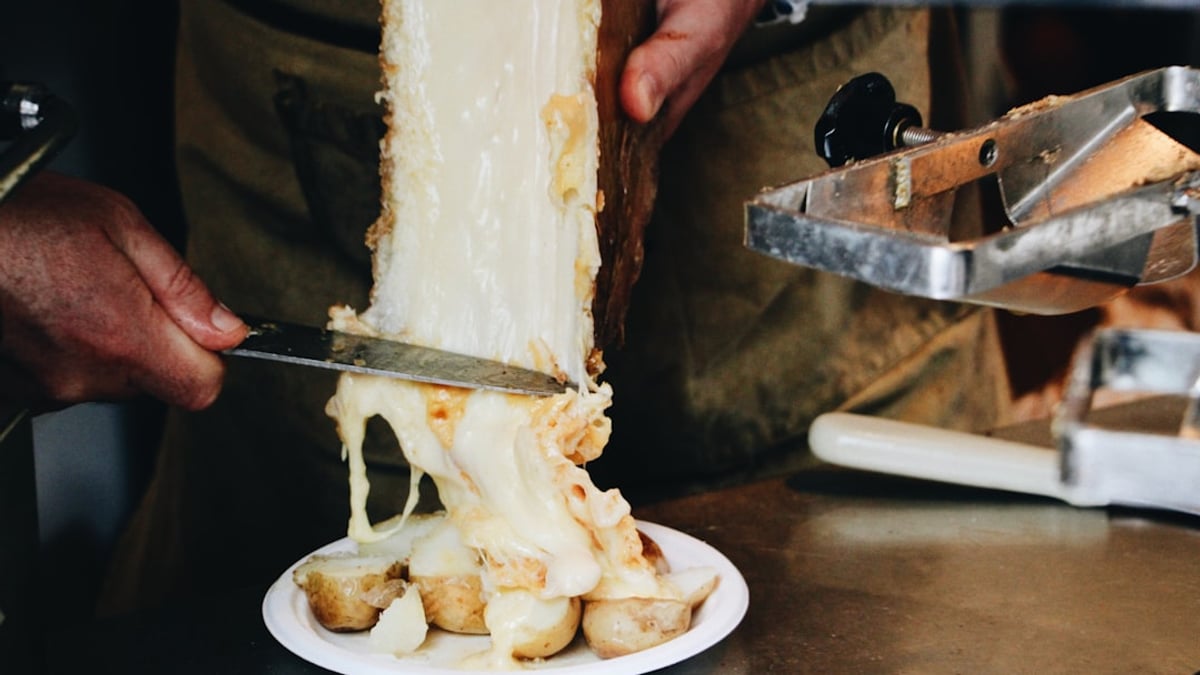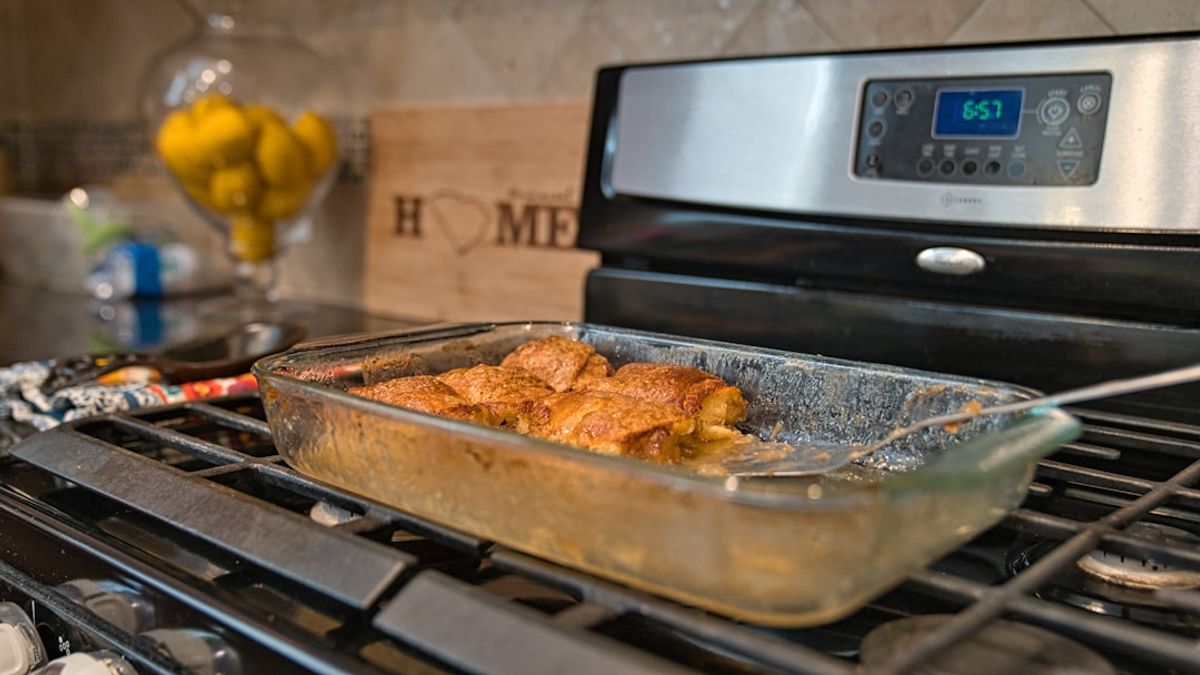
The smell of pot roast drifting from a slow oven on a Sunday afternoon, a skillet of cornbread cooling beside the stove, a pan of brownies waiting on the counter—these scenes define American home cooking classics more clearly than any restaurant trend. In kitchens from Ohio to Oregon, families still build their weeks around familiar dishes like meatloaf, fried chicken, and mac and cheese, even as new flavors and shortcuts creep in. For many home cooks, these recipes are less about nostalgia and more about reliability: they work, they feed a crowd, and they make a house feel lived in. Related reading: Swavory Swangy Food Trends: Reinvent Weeknight Cooking.
Quick snapshot: a few notable tallies and published collections that help explain why certain dishes are entrenched as American home cooking classics.
- “The 93 Most American Recipes Ever” compiled by Taste of Home draws from reader submissions across regions to identify enduring, crowd-sourced favorites that span pies, casseroles, and regional mains—an explicit cataloguing of dishes Americans report making in home kitchens (Taste of Home).
- Allrecipes’ comfort-food collections and creator pages (including Chef John’s features) consistently rank classic dishes—meatloaf, fried chicken, mac and cheese—among the most bookmarked and reviewed recipes on large recipe platforms, reflecting broad and repeated home use (Allrecipes).
- Southern Living’s editorial roundup of “40 Most Iconic Southern Recipes” demonstrates how regional traditions (biscuits, baked mac and cheese, fried green tomatoes) map onto national comfort-food expectations when widely published and shared (Southern Living).
- America’s Test Kitchen and similar test kitchens maintain large, searchable recipe databases and publish method-driven recipes aimed at repeatable success in home kitchens, showing the demand for reliably reproducible versions of classics (America’s Test Kitchen).
- Nutrition guidance from established health resources helps explain chicken’s dominance on weeknight menus by emphasizing lean poultry as a practical, health-oriented protein option in everyday cooking.
Search data backs up what home cooks already know. Queries for “easy dinner recipes” and “classic American dinner” continue to surface lists filled with roast chicken, chili, casseroles, and pies. Collections like “The 93 Most American Recipes Ever” on Taste of Home and comfort food roundups from brands such as Allrecipes featuring Chef John keep drawing readers who want dishes they recognize. At the same time, weeknight-focused platforms like American Home Cook show how these staples are being streamlined for busy schedules.
This article traces how those iconic dishes came to dominate the American dinner menu, why certain recipes—especially Southern favorites highlighted by Southern Living’s list of 40 iconic recipes—anchor family traditions, and how modern cooks adapt them without losing their soul. It also looks at what defines the “Top 10 American foods for dinner,” how classic American home cooking chicken dishes and desserts evolved, and why so many people still search for consolidated recipe collections instead of relying only on social media. The goal is not to romanticize the past, but to understand why these recipes endure, and how they continue to evolve while staying firmly rooted in the home kitchen. In doing so, it shows how American home cooking classics continue to shape dinner tables nationwide.
From Church Suppers to Viral Lists: How Classics Earned Their Status
On a summer evening in a Midwestern church basement, a potluck table might hold nearly every dish that now appears in online roundups of American home cooking classics. There is usually a slow-cooked Texas-style brisket, a pan of tater tot casserole, a bowl of Jell-O salad, and a pie or two waiting at the far end. Long before search engines, this is how recipes traveled—handwritten on index cards, pressed into cookbooks, and passed from neighbor to neighbor at community gatherings.
As food media expanded, those community favorites became national benchmarks. Collections such as Taste of Home’s “The 93 Most American Recipes Ever” curate what readers submit from every region, then test and photograph them. The result is a kind of unofficial canon: brisket from Texas, butter-basted burgers from Wisconsin, banana splits, casseroles, and pies that show up again and again. These lists do not invent new trends; they codify what home cooks have already been making for decades.
- Regional identity: Recipes like Texas-style beef brisket and Wisconsin butter-basted burgers root dinner in a specific place.
- Affordability: Casseroles, chili, and pot roast stretch modest amounts of meat and pantry staples to feed larger families.
- Shareability: Potluck-ready dishes—sheet cakes, baked mac and cheese, lasagna—travel and reheat well.
- Comfort factor: Creamy textures, slow-cooked meats, and familiar flavors provide emotional reassurance after long days.
- Adaptability: These recipes absorb substitutions—different cheeses, vegetables, or seasonings—without failing.
As more recipe databases and editorial sites emerged, they began to echo each other. Allrecipes, Bon Appétit, and America’s Test Kitchen all maintain robust archives where searches for “classics for dinner” reliably surface pot roast, meatloaf, fried chicken, chili, and macaroni and cheese. The convergence across these platforms suggests that the canon is not arbitrary; it is built from repeated home use and reinforced by media that recognizes what people actually cook.
Why Weeknight Cooks Keep Returning to Classic American Dinners
Roughly defined, American home cooking classics dominate weeknight meals because they strike a balance between effort, cost, and satisfaction that newer recipes rarely match. Platforms like American Home Cook focus on weeknight recipes for people who enjoy cooking but do not have restaurant-level time or equipment, and their menus still lean heavily on recognizable forms: skillet chicken, sheet-pan dinners, pastas, and simple casseroles.
Industry observers note that when people search for “Top 10 American foods for dinner,” they tend to click on lists that include roast chicken, burgers, tacos, pizza, chili, steak, fried chicken, meatloaf, mac and cheese, and some form of casserole. These are dishes that can be made in under an hour or at least left to cook mostly unattended. They also share a pantry-friendly core of ingredients: onions, garlic, ground beef or chicken, canned tomatoes, dried pasta, rice, and basic dairy.
Weeknight-focused sites and cookbooks frequently streamline these staples. A classic American dinner of roast chicken with potatoes might be converted into a sheet-pan meal with bone-in thighs, pre-cut vegetables, and a single high-heat roast. Meatloaf becomes meatloaf muffins that bake faster and portion more easily. Chili, long associated with slow simmering, is adapted to pressure cookers and Instant Pots without losing its basic profile of beans, tomatoes, and spices.
These adaptations do not displace the originals; they sit alongside them. A Sunday might still feature a traditional pot roast or whole roasted bird, while Tuesday leans on a quick skillet version using the same flavor cues. That flexibility is one reason classic recipes remain central to American home cooking: they can be expanded or compressed to fit changing schedules without requiring a new shopping list or specialized skills.
What Defines an American Home Cooking Classic?
Analysis of recipe archives, search trends, and editorial roundups suggests several criteria. Dishes that appear in multiple independent lists—such as Taste of Home’s regional roundup, Allrecipes’ comfort food collections featuring Chef John, and CookUnity’s “16 classic American recipes everyone should know”—tend to share common traits. They are cooked in home kitchens across regions, they have decades-long staying power, and they are flexible enough to absorb changing tastes.
From that perspective, a working definition of American home cooking classics includes the following categories:
- Slow-cooked meats: Pot roast, Texas-style beef brisket, pulled pork, and oven-baked ribs that anchor weekend and holiday meals.
- Everyday chicken dishes: Roast chicken, skillet fried chicken, chicken noodle soup, chicken pot pie, and baked chicken casseroles.
- Ground meat staples: Meatloaf, burgers, American-style goulash, and sloppy joes that stretch affordable ingredients.
- Pasta and casseroles: Baked macaroni and cheese, lasagna, tuna noodle casserole, tater tot casserole, and baked ziti.
- Soups and stews: Chili, chicken noodle soup, beef stew, and chowders that serve as both dinner and leftovers.
- Breakfast-for-dinner plates: Pancakes, waffles, diner-style eggs with bacon or sausage, and hash browns that migrate from morning to the evening table.
Within those categories, variations reflect region and heritage. Southern fried chicken differs from Midwestern baked chicken, just as New England chowder diverges from Southwestern chili. Yet they all fulfill the same role: reliable, repeatable meals that families expect to see on the table. That expectation is what separates a trend from a classic. A viral recipe may surge for a season, but a classic is the dish a child asks for on a birthday, or a college student requests when coming home for a visit. This pairs well with our guide on Weeknight Cookbook Recipes: 10 Fast Dinners Under 30 Mins.
“My grandmother’s biscuits could feed a town,” a phrase repeated in countless Southern families, encapsulates how deeply regional cooking shapes national comfort food. Those biscuits, often made without a written recipe, have influenced restaurant menus, food media, and home cooks far beyond the South.
Publications like Southern Living have spent decades documenting this tradition. Their list of the “40 Most Iconic Southern Recipes of All Time” reads like a blueprint for American comfort food: classic baked macaroni and cheese, buttermilk biscuits, German chocolate cake, fried green tomatoes, skillet cornbread, tomato pie, and more. These dishes began as regional specialties but now appear in cookbooks and online collections targeted at the entire country.
Compared with Northern or Western home cooking, Southern classics often emphasize a few distinguishing features. There is a reliance on cast-iron skillets, which move from stovetop to oven and hold heat for crispy edges on cornbread and fried chicken. There is a tradition of using buttermilk, lard, and rendered fat to build flavor and texture in biscuits, gravies, and vegetables. There is also a habit of turning inexpensive cuts of meat and humble produce—collard greens, okra, black-eyed peas—into celebratory dishes.
When national sites compile chicken recipes, Southern fried chicken nearly always appears at the top. Its method—seasoned flour, buttermilk soaks, and careful frying—has been adapted endlessly, yet the core idea remains the same: a crisp, well-seasoned crust around juicy meat.
Comparing Southern recipes with those from other regions highlights how the canon expands. New England might contribute clam chowder and baked beans; the Midwest offers casseroles and hotdishes; the West brings in tacos, burrito-style casseroles, and grilled tri-tip. Yet when Americans talk about “comfort food,” Southern dishes often set the tone, and many non-Southern households borrow those recipes as their own.
Chef John, Test Kitchens, and the Modernization of Comfort Food
In the digital era, a significant share of American home cooking classics reaches new cooks through personality-driven recipe creators. Chef John, whose comfort food recipes are highlighted on major platforms like Allrecipes, has helped popularize specific versions of meatloaf, macaroni and cheese, and chicken noodle soup for a new generation of home cooks. While classics once spread primarily through family networks and community cookbooks, they now gain traction via video platforms, blogs, and large recipe databases.
When a creator like Chef John publishes a meatloaf recipe that thousands of users bookmark and review positively, that version can start to overshadow earlier iterations. Similarly, brands like America’s Test Kitchen and Cook’s Illustrated test multiple approaches to a dish, then publish what they consider a “best” version, influencing how home cooks perceive the ideal outcome.
Modern test kitchens bring scientific rigor to recipes that were once estimated by feel. America’s Test Kitchen is known for systematically testing ingredients, pan sizes, and cooking times to produce reliable results for home ovens and stoves. Their archives of dinner recipes, accessible through America’s Test Kitchen’s recipe database, include dozens of versions of core classics: skillet chicken, roast beef, stews, casseroles, and desserts.
That emphasis on repeatability matters for new cooks who did not grow up watching a parent or grandparent cook from memory. Instead of approximating how brown a roux should look, they can follow precise cues and photographs. Yet the emotional anchor of the dish—its place on the American dinner menu—remains the same. The modernization is mostly technical, not conceptual, allowing comfort food to survive in apartments with small kitchens and limited tools. In this way, American home cooking classics are continually refreshed without losing their identity.
Context: Taste of Home published “The 93 Most American Recipes Ever,” a curated collection assembled from reader submissions and editorial selection to reflect dishes that home cooks across the country actually prepare and celebrate.
Factual findings: The collection highlights how certain categories—pies and baked desserts, casseroles and one‑dish meals, chicken preparations, and slow‑cooked meats—appear repeatedly across regional contributions. The project demonstrates the durability of those categories by elevating hundreds of community-sourced recipes into a single reference list that readers use as a starting point for familiar home cooking.
Source: Taste of Home, “The 93 Most American Recipes Ever” (tasteofhome.com).
Building a Classic American Dinner Menu at Home
For home cooks trying to assemble an American home cooking classics dinner menu, the sheer number of options can be overwhelming. Search results for “what’s for dinner” return everything from burgers and fries to braised short ribs. A practical way to think about the menu is to break it into anchor categories, then choose one dish from each based on time, budget, and who is eating.
Core Components of a Classic American Dinner
Most traditional menus revolve around three components: a main protein, a starch, and a vegetable or salad, followed by an optional dessert. Within that structure, classics repeat frequently. For practical tips, check 2026 Food Trends: Chefs And Grocers Rewire Your Pantry.
For the main course, roast chicken, meatloaf, pot roast, fried chicken, baked salmon, and pork chops routinely appear in lists of “Top 10 American foods for dinner.” Each offers a different balance of cost and effort. Meatloaf and roast chicken are relatively inexpensive and can feed multiple people, while steak and salmon skew more toward special occasions. Chili and stews blur the line between main course and one-pot meal, simplifying sides.
Starches include mashed potatoes, baked potatoes, rice pilaf, buttered noodles, cornbread, biscuits, and dinner rolls. Vegetable sides range from green beans—often cooked with bacon or almonds—to roasted carrots, salads, or creamed spinach. A classic American dinner might pair meatloaf with mashed potatoes and green beans, or fried chicken with biscuits and coleslaw.
Everyday vs. Occasion Dinners
Another useful distinction is between everyday dinners and occasion meals. Everyday staples lean on quicker techniques: pan-seared chicken cutlets, skillet pasta, tacos, and burgers. Occasion dinners, by contrast, often involve slow roasting or braising, such as Thanksgiving turkey, Christmas roasts, or Easter hams. Many families reserve certain dishes—like prime rib or elaborate layer cakes—for holidays, while relying on simpler classics the rest of the week.
CookUnity’s collection of classic American recipes emphasizes this split by including both weeknight-friendly dishes and longer projects. A home cook might plan chili or baked ziti for a busy Wednesday, then schedule brisket or lasagna for a Saturday when there is time to tend the oven. This pattern mirrors the historical rhythm of American households, where Sunday dinners were more elaborate and weeknights more pragmatic.
Chicken, Casseroles, and the Backbone of Weeknight Cooking
In most American households, chicken and casseroles carry a disproportionate share of weeknight dinners. They are central to any discussion of American home cooking classics chicken recipes and remain some of the most searched-for dishes online.
Why Chicken Dominates the Dinner Plate
Chicken’s popularity rests on three pillars: price, versatility, and perceived healthfulness. Families often view chicken as a lighter alternative to red meat, even when it is fried or served with cream-based sauces. Guidance from nutrition experts notes that lean poultry can fit into balanced eating patterns when prepared with moderate amounts of added fat and sodium, which aligns with many home cooks’ desire to feel that dinner is reasonably wholesome. Explore this further in Home Cooking Processed Foods: Reclaim Flavor, Cut Additives.
Classic recipes such as roast chicken, chicken noodle soup, chicken pot pie, and skillet chicken with gravy anchor countless weekly menus. Collections from Allrecipes and America’s Test Kitchen feature multiple versions of each, reflecting regional tastes and cooking styles. The chicken noodle soup that appears in Chef John’s comfort food list, for example, builds flavor through homemade stock and careful seasoning, while faster versions lean on store-bought broth and rotisserie meat.
The Enduring Appeal of Casseroles
Casseroles, often dismissed as dated, remain practical solutions for busy households. A single dish that combines protein, starch, and vegetables—such as tuna noodle casserole, baked ziti, or tater tot casserole—simplifies planning and cleanup. Discussions about classic American home cooking frequently mention casseroles that rarely appear on restaurant menus but are deeply embedded in home cooking: American-style goulash, French bread pizza casseroles, and gelatin-based salads.
From an economic standpoint, casseroles stretch ingredients. A small amount of meat can be distributed through pasta, rice, or potatoes, making the dish more affordable per serving. Leftovers reheat well, providing lunches or second dinners. These practical benefits explain why casseroles show up repeatedly in lists of American home cooking classics dinner recipes, even as trends favor lighter, fresher plates.
Apple Pie, Brownies, and the Dessert Side of American Classics
No survey of American home cooking classics would be complete without desserts. While dinner recipes dominate search traffic, queries for “classic desserts” consistently surface apple pie, brownies, chocolate chip cookies, banana pudding, and ice cream-based treats like banana splits.
Iconic Home-Baked Desserts
Apple pie remains the symbolic dessert of American home cooking, even if it is not the most frequently baked in every household. It appears in numerous editorial roundups and often serves as the centerpiece for holidays and special dinners. Brownies and chocolate chip cookies, by contrast, function as everyday treats—quick to mix, forgiving in measurement, and portable for school or work.
Banana pudding, often associated with Southern cooking, has spread nationwide through church cookbooks and potluck tables. Its layers of vanilla wafers, pudding, and sliced bananas require no special equipment, making it accessible to novice bakers. Similarly, the all-American banana split, highlighted in Taste of Home’s list of American recipes, relies more on assembly than technique, yet still carries a strong nostalgic pull.
Dessert as Tradition and Reward
Within many families, dessert marks the difference between an ordinary meal and an event. A classic American dinner might end with a simple scoop of ice cream during the week, but birthdays and holidays call for more elaborate baking projects. Cakes, pies, and cobblers often become closely tied to specific people—a grandmother’s lemon meringue, an uncle’s pecan pie—and those associations help fix them as “classics” within that household.
Even as interest in reduced-sugar and alternative desserts grows, these traditional recipes remain in circulation. Some cooks adapt them with smaller portions or occasional substitutions, while others reserve them for truly special occasions. Either way, the core formulas—flaky pie crusts, chewy brownies, soft cookies—continue to define what many Americans imagine when they think of home-baked comfort.
Print, PDFs, and the Persistence of Recipe Collections
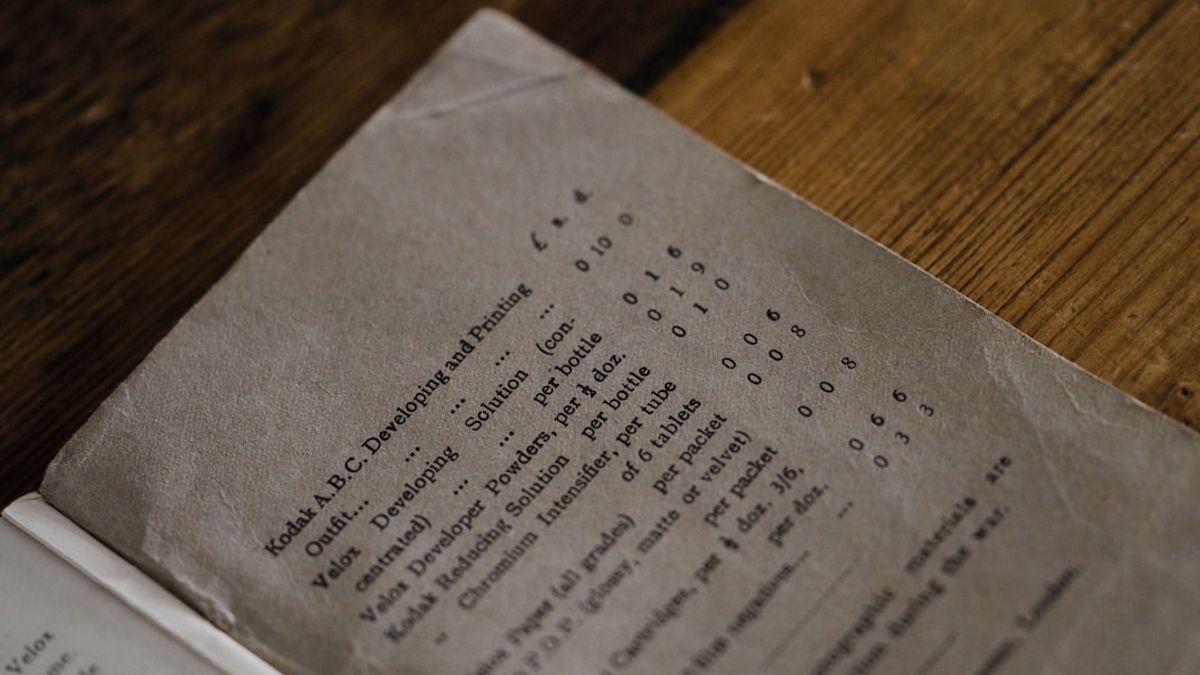
Despite the abundance of digital content, many home cooks still look for consolidated resources, which explains the recurring search for printable collections or downloadable recipe bundles. The desire is not just for recipes, but for organization—a single file or book that can be printed, annotated, and kept in the kitchen.
Historically, community cookbooks and magazine compilations served this role. Taste of Home, Southern Living, and similar publications regularly release bound collections that gather their most popular recipes in one place. Online, some sites offer printable bundles or e-books that approximate the experience of a physical cookbook. These resources typically group recipes by course or occasion: weeknight dinners, Sunday suppers, holiday baking, and so on.
For newer cooks, having a curated set of these dinner recipes can be less intimidating than browsing thousands of search results. A limited but reliable canon—say, 20 to 30 well-tested dishes—provides a foundation on which to experiment. Over time, individuals add family favorites, regional specialties, and new discoveries, but the core remains stable.
This persistence of curated collections underscores a broader point: while digital platforms have changed how people discover recipes, they have not replaced the comfort of a trusted set of American home cooking classics that can be pulled from a shelf or printed binder whenever it is time to decide what’s for dinner.