On a Tuesday night in Phoenix, a college senior scrolls TikTok for a 15‑minute salmon bowl while dad, three states away in Ohio, follows a printed sheet from a meal kit. Both are part of the same story: how Americans cook 2026, and how quietly but decisively home kitchens are changing. The latest 2025–2026 State of Home Cooking report from HelloFresh shows that more people are still cooking at home than before the pandemic, but they’re cooking differently—shorter sessions, fewer ingredients, and more help from apps and kits. For practical tips, check Fiber Rich Mini Meals For Busy Nights And Lasting Satiety.
At the same time, editors at sites like The Kitchn are embracing ambitious projects for the new year—Filipino beef short ribs adobo, laminated pastry, intricate layer cakes—while a viral thread on Reddit’s r/Cooking reveals a different set of goals: “waste less food,” “finally learn to cook beans,” “stop burning garlic.” Together, these snapshots sketch a nuanced picture of how Americans cook 2026 season by season: more intentional, more global, and more constrained by time and money.
This feature digs into the data, the recipes, and the mindset shifts behind the trend. We’ll look at what the HelloFresh report says about the percentage of Americans who cook at home, how Tasting Table’s coverage of “joyful cooking” connects to mental health, and why Reddit might be a better window into real kitchens than any glossy cookbook. Along the way, you’ll see which new recipes 2026 home cooks are chasing, how “healthy recipes for 2026” are evolving, and what it all means if you’re trying to eat better, spend less, or simply get dinner on the table without hating the process.
Inside the 2025–2026 State of Home Cooking: What the Numbers Reveal
On a chilly January evening, a Denver teacher named Maya opened her inbox to find the HelloFresh “State of Home Cooking” survey. She almost deleted it—then realized the questions mirrored what she’d been wrestling with for months: How many nights do you actually cook? What counts as “from scratch”? How often do you rely on meal kits or frozen shortcuts? Her answers, combined with thousands of others, fed the 2025–2026 State of Home Cooking report that now anchors much of the conversation about how Americans cook in 2026.
The report doesn’t just tally recipes; it tracks attitudes. Industry observers reading the data note a few clear signals. A substantial share of respondents still say they cook at home on most weeknights, but their definition of “cooking” has widened to include air‑fried frozen dumplings, semi‑homemade pasta sauces, and meal kits that arrive pre‑portioned. The percentage of Americans who cook at home regularly appears to have stabilized after pandemic surges, with many people now trying to preserve the cost savings of home cooking while reclaiming some time and mental energy.
Equally telling is what people want from their kitchens in 2026. The report highlights three overlapping desires: meals that feel healthier without being “diet food,” recipes that are flexible enough to handle substitution and pantry improvisation, and formats that reduce food waste. That last point shows up in everything from smaller batch cooking to creative uses for odds and ends—think banana peels turned into chutney or banana bread made from freezer‑blackened fruit, echoing the quirky “cooking report banana” searches that spike when people realize how much produce they toss. These details help explain how Americans cook 2026 with a sharper focus on waste reduction.
- Time pressure remains intense. Many respondents report aiming for dinners under 30 minutes, with only occasional weekend “projects.”
- Convenience tools are normalized. Air fryers, Instant Pots, and meal kits are now part of what “home cooking” means, not a shortcut around it.
- Health is reframed. Instead of strict diets, people are looking for higher‑fiber, plant‑forward meals and better‑quality fats.
- Global flavors are mainstream. Dishes like adobo, gochujang wings, and tahini‑based sauces appear in weekday rotations, not just special occasions.
- Waste reduction is a goal. Leftover‑friendly recipes and freezer strategies are becoming part of standard cooking habits.
The Recipes We Dream About vs. the Dinners We Actually Make
A bold prediction from one food editor captures the mood: 2026 will be the year Americans chase “big flavor, low chaos” in their home kitchens. That phrase sums up the tension between the aspirational recipes media outlets publish and the stripped‑down dishes people actually make on a Wednesday night.
On the aspirational side, The Kitchn’s feature “Here Are the Recipes Our Editors Can’t Wait to Cook in 2026” reads like a culinary vision board. Editors gush about Filipino beef short ribs adobo, elaborate layer cakes, and multi‑day fermentation projects. These are not 20‑minute dinners; they’re weekend commitments. Yet they matter for understanding because they set the tone for what counts as “the best recipes 2026” in the food media ecosystem. When editors at a site as influential as The Kitchn spotlight a dish, it quickly filters into social feeds, cooking goals lists, and home cooks’ someday files.
On the weeknight side, trends look very different. Searches for “healthy recipes for 2026” and “new recipes 2026” skew toward bowls, sheet‑pan dinners, and one‑pot meals. Instead of a full traditional adobo, you might see a “weeknight adobo chicken tray bake” that borrows the soy‑vinegar‑garlic profile but cuts the simmer time and ingredient list. Instead of a formal French cassoulet, a bean‑heavy sausage skillet with a crunchy breadcrumb topping might satisfy the same craving in under an hour.
Editors and nutrition‑minded writers are also leaning into ingredients associated with long‑term health. Guidance from public‑health experts emphasizes dark leafy greens, legumes, whole grains, and healthy fats. That shows up in recipes that pair fatty fish with roasted vegetables, toss kale into hearty soups, or build entire meals around beans and lentils. If you’re asking what you should eat in 2026 to be healthy, the answer, based on this emerging pattern, is less about a single “superfood” and more about repeating these building blocks throughout the week in flexible, flavorful ways.
What changed between the anxiety‑fueled sourdough era of 2020 and the quieter, more cautious cooking of 2026? Coverage from Tasting Table offers one useful lens. In an article later echoed by AOL, the reporting unpacks a survey suggesting that as we ease into 2026, Americans are taking a new approach to home cooking that emphasizes joy and emotional relief rather than performance or perfection. People say they want meals that feel comforting and satisfying but not overwhelming to plan or execute.
That shift lines up with broader conversations about mental health and burnout. After years of “optimize everything” culture, many home cooks are pushing back against the idea that every dinner has to be Instagram‑ready. Instead, there’s more interest in “good enough” meals: a pot of beans with crusty bread, a big salad topped with whatever protein is around, or a simple pasta dressed with garlic, olive oil, and a handful of greens. The question driving these choices isn’t “Is this impressive?” but “Will this make my day a little easier and my body feel a little better?”
From a health perspective, this mindset can be constructive. Summaries of nutrition guidance note that dietary patterns rich in vegetables, whole grains, legumes, and healthy fats may support heart health and overall well‑being over time. When home cooks fold these elements into low‑stress dishes—say, a chickpea and vegetable stew finished with olive oil, or roasted salmon with a pile of sautéed spinach—they align daily habits with those long‑term patterns without framing it as a restrictive “diet.” For practical tips, check Online Cooking Classes: Master Weeknight Dinners Fast.
- Less perfection, more repetition. Instead of chasing novelty every night, many cooks repeat a few core dishes and tweak them seasonally.
- Comfort redefined. Comfort food now includes lighter, crunchier, and fresher elements alongside classics like mac and cheese.
- Joy over judgment. The emphasis on “joyful cooking” encourages experimentation without fear of failure, especially for beginners.
- Health as a side effect. By centering vegetables, beans, and whole grains, people aim for meals that feel good immediately and may support long‑term health.
- Technology as a guide, not a boss. Apps, YouTube, and social media provide inspiration, but more cooks are trusting their taste and adjusting recipes on the fly.
“I Just Want to Waste Less Food”: Reddit’s 2026 Cooking Goals and Real‑World Constraints
In that thread, which lives on Reddit, home cooks list their resolutions: mastering one impressive dish, getting better at seasoning, learning how to cook dried beans instead of buying canned, and yes, wasting less food. Unlike media‑driven lists of “best recipes 2026,” these goals are grounded in the friction points of daily life—limited time, tight budgets, and uneven skills. This is another window into how Americans cook 2026 with an eye toward practicality.
The conversation also hints at generational gaps. Some users admit they reached adulthood without basic cooking skills, echoing broader discussions about younger adults’ cooking confidence. Exact figures vary by survey, but the pattern is familiar: many younger adults are comfortable assembling meals or following short video recipes, yet feel intimidated by tasks like breaking down a whole chicken or improvising with what’s on hand. That’s where communities like r/Cooking become crucial. Instead of glossy food photography, they offer blunt feedback, practical tips, and a culture that normalizes failure as part of learning.
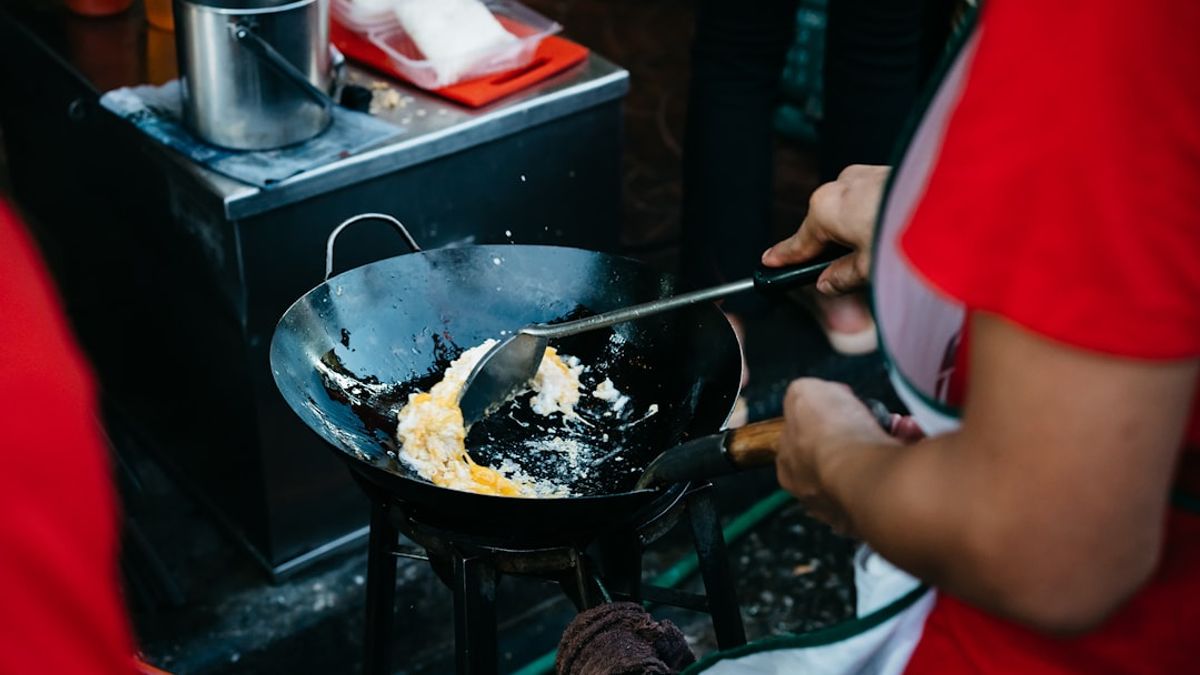
People talk about wanting to bake more bread or tackle complex cuisines, but they also acknowledge that weeknight cooking has to fit between work, childcare, and commuting. This is where Reddit conversations diverge from recipes on major sites: Reddit leans heavily on hacks for making soup from pantry scraps, turning leftover rice into fried rice, or using aging bananas in muffins instead of tossing them—again reflecting that quiet “cooking report banana” undercurrent of waste anxiety.
Compared to the HelloFresh report’s structured data, Reddit offers qualitative texture: the jokes, frustrations, and tiny wins that define home cooking. Put together, they suggest that 2026 isn’t about chasing restaurant‑level technique at home; it’s about building just enough skill to feel capable, then using that skill to save money, reduce waste, and eat in a way that feels sustainable.
If you type “healthy recipes for 2026” into a search bar, you won’t just see salads and smoothies. You’ll find crispy chickpea bowls, roasted cabbage steaks, fermented vegetable sides, and high‑fiber breakfast bakes. That aligns with broader food trend predictions, including coverage from outlets like The New York Times, which describe 2026 as a year of “more caution, more crunch”: quieter flavors, less chaotic dining experiences, and a renewed interest in foods that feel both satisfying and nutritionally dense.
From a nutrition standpoint, this lines up with guidance from major health organizations. Public‑health guidance and clinical resources emphasize patterns like the Mediterranean‑style eating pattern, which includes dark leafy greens, legumes, nuts, seeds, whole grains, fermented dairy like yogurt, and fatty fish such as salmon or sardines. A body of research indicates that diets rich in fiber and healthy fats may support cardiovascular health and help regulate blood sugar over time.
In practice, that means a 2026 “healthy dinner” might be a tray of roasted vegetables tossed with olive oil and salt, served alongside a piece of simply baked fish and a scoop of lentils or quinoa. Breakfast might lean toward overnight oats with chia seeds and berries, or eggs with sautéed spinach and whole‑grain toast. Fermented foods—kimchi, sauerkraut, yogurt, kefir—show up as garnishes and side dishes, adding tang and crunch while contributing beneficial bacteria that some studies associate with potential gut health benefits.
Balancing Pleasure, Budget, and Long‑Term Health
The cautious mood of 2026 isn’t just about health; it’s also about money. Groceries remain expensive in many parts of the country, and that shapes season after season. Legumes, whole grains, and frozen vegetables have become go‑to staples not only because they align with health guidance but because they stretch budgets. A pot of beans flavored with onions, garlic, and a bit of smoked paprika can feed a family for far less than takeout, and leftovers can transform into tacos, salads, or soups. Related reading: Budget Friendly Recipes That Stretch Your Grocery Budget.
At the same time, there’s a quiet insistence on pleasure. Crunchy textures—roasted chickpeas, toasted seeds, crispy cabbage edges—make vegetable‑heavy meals feel indulgent. Small bursts of acid from pickles or citrus keep flavors lively without relying on heavy sauces. Industry analysts note that this “little bursts of pleasure” approach lets home cooks reconcile cautious spending and health concerns with the desire for food that still feels joyful.
If you’re wondering what to eat in 2026 to be healthy without feeling deprived, the emerging pattern suggests a simple strategy: build meals around vegetables, beans, and whole grains; add a source of protein and healthy fat; then finish with something crunchy, tangy, or spicy that makes you want to repeat the meal next week. Over time, that repetition may matter more than any single “superfood” or trend.
From Season to Season Across the Year
Winter and Spring: Comfort, Projects, and Pantry Skills
In the first months of the year, how Americans cook 2026 season by season starts with familiar winter behavior: braises, soups, and baking projects. This is when those The Kitchn bucket‑list recipes—like slow‑cooked adobo or multi‑day bread—are most likely to happen. People have more indoor time, and the emotional pull of simmering pots is strong. For practical tips, check American Home Cooking Classics Updated For Faster Flavor.
But there’s a twist. Instead of buying specialty ingredients for every new dish, more home cooks are leaning on pantry skills. Reddit threads fill with advice on turning canned tomatoes into sauce, using dried beans instead of canned to save money, and reimagining stale bread as croutons or breadcrumbs. The “cooking report banana” theme resurfaces as people look for ways to use up overripe fruit in muffins, pancakes, or freezer smoothies instead of tossing it.
As spring arrives, produce shifts but the mindset stays similar: people want meals that feel fresh without being fussy. Sheet‑pan dinners with asparagus, carrots, and chicken thighs; grain bowls topped with radishes and herbs; and simple pastas with peas and lemon all fit the bill. Health‑minded cooks start to fold in more raw greens and crunchy vegetables, aligning with that broader “more crunch” trend.
Summer and Fall: No‑Heat Hacks and Back‑to‑Routine Systems
By summer, the way Americans cook 2026 reflects heat and fatigue. Ovens stay off whenever possible. Grilling, no‑cook salads, and cold noodle dishes dominate. People lean on store‑bought rotisserie chickens, canned tuna, and precooked grains to assemble meals without generating more heat in the kitchen. Tomatoes, cucumbers, and stone fruit carry much of the flavor load, often dressed simply with olive oil, vinegar, and salt.
Come fall, energy shifts toward structure. Back‑to‑school and back‑to‑office routines push home cooks to build systems: Sunday batch cooking, pre‑chopped vegetables, and “template meals” that rotate weekly. This is where how Americans cook 2026 recipes become more standardized. A family might cycle through “taco night,” “pasta night,” and “soup night,” changing only the details. That repetition reduces decision fatigue while still allowing for seasonal tweaks—pumpkin and squash in October, hearty greens in November.
Across all seasons, the throughline is a desire for meals that are predictable enough to manage but flexible enough to keep boredom at bay. The cooks who thrive in this model are often the ones who treat recipes as starting points, not rigid rules, and who keep a short list of flavor boosters—citrus, good vinegar, chili crisp, fresh herbs—on hand to wake up whatever’s in the fridge.
Skills, Tools, and the Future of Home Cooking Beyond 2026
Essential Skills for the Next Wave of Home Cooks
Looking ahead, the most important question may not be what Americans cook, but what they know how to do without looking at a screen. As older generations age and younger ones take over the kitchen, gaps in basic skills become more visible. The percentage of Americans who cook at home regularly may hold steady, but the way they learn is changing.
For Gen Z and younger Millennials, YouTube, TikTok, and Instagram are the primary cooking schools. That has upsides—visual demonstrations can demystify techniques—but it can also encourage dependence on specific recipes. To cook confidently through 2026 and beyond, a few foundational skills matter more than any single dish:
- Knowing how to season with salt and acid until food tastes balanced.
- Understanding basic heat control—when to sear, when to simmer.
- Being able to cook a pot of grains and a pot of beans from scratch.
- Recognizing when meat, fish, or eggs are safely cooked.
- Using leftovers creatively instead of seeing them as waste.
Communities like r/Cooking, along with approachable cookbooks and credible online resources, can bridge these gaps. Some home cooks set 2026 goals around mastering one technique per month—roasting vegetables, pan‑saucing, or bread baking—rather than chasing dozens of new recipes. That approach turns “best recipes 2026” lists into skill‑building opportunities instead of overwhelming to‑do lists.
Tech, Meal Kits, and the Redefinition of “Cooking from Scratch”
The HelloFresh report and similar analyses make one thing clear: meal kits, prepared components, and smart appliances are no longer fringe. They’re central to how Americans cook 2026. The question is how they’ll shape skills in the long run.
On one hand, meal kits lower the barrier to entry. They teach sequencing, timing, and basic techniques like sautéing or roasting. For someone who grew up without much cooking at home, that’s invaluable. On the other hand, if kits and pre‑chopped produce become the default, fewer people may learn knife skills, pantry management, or how to improvise when a key ingredient is missing.
As we look beyond 2026, the future of home cooking will likely hinge on balance: using technology and convenience tools to make cooking feasible on busy nights, while still investing in the core skills that let people adapt, save money, and cook with confidence. In that balance, the evolving story of how Americans cook 2026 becomes a blueprint for the next decade of everyday food at home.
—: Aisha Rahman
Aisha Rahman is a nutrition-focused recipe developer with eight years creating accessible, plant-forward meals for busy households. She holds a degree in nutrition science and specializes in macro-balanced recipes, allergy-friendly substitutions, and practical meal-prep strategies.