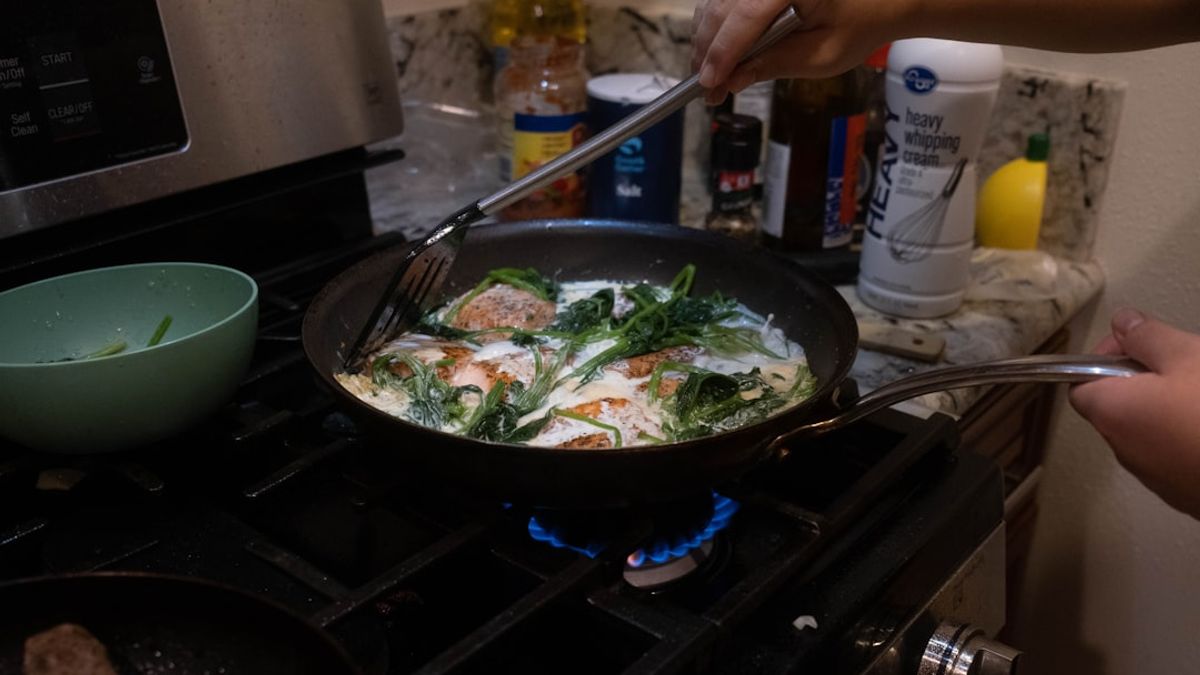
The moment that pan hits the stove at 6:30 p.m., most of us are not chasing culinary perfection; we’re chasing dinner that actually happens. That’s where weeknight cookbook recipes quietly shape real life more than any restaurant review ever will. In kitchens across the U.S., dog‑eared pages, splattered margins, and bookmarked PDFs from trusted authors are doing the heavy lifting between work, homework, and bedtime. You might also enjoy 2026 Food Trends: Chefs And Grocers Rewire Your Pantry.
Search data around “weeknight cookbook recipes” has exploded as home cooks look for reliable, fast, and flexible ideas that still feel like “real food.” At the same time, publishers from New York Times Cooking to America’s Test Kitchen are racing to define what “easy” and “healthy” really mean on a Tuesday night. Some lean on one‑pan shortcuts, others on bold pantry flavors, and a growing number prioritize plant‑forward, budget‑friendly cooking.
In my experience testing and reviewing cookbooks, the titles that actually stay in rotation share a few traits: they respect your time, your grocery budget, and your energy level. They also anticipate modern constraints—tiny kitchens, limited tools, kids with conflicting tastes, and an endless scroll of online recipes competing for attention. That’s why the most successful easy weeknight cookbook recipes increasingly look like systems, not just stand‑alone dishes.
This guide breaks down how the current crop of best weeknight dinner cookbooks is changing home cooking. We’ll look at what editors highlight, how communities like r/CookbookLovers on Reddit filter hype from reality, and which patterns you can steal to build your own dependable weeknight meal recipes playbook. Along the way, I’ll point to specific books, recipe styles, and trends that signal where weeknight cooking is heading over the next few years—and how to choose the titles that will actually earn a permanent place on your counter.
- Systems over single recipes: Cookbooks that organize around formats (one‑pan, grain bowls, make‑ahead components) are becoming more useful than those full of standalone showpieces.
- Plant‑forward practicality: Expect more recipes that place beans, grains, and vegetables at the center while offering easy ways to add or omit animal proteins.
- Community feedback matters: Reader forums and social reviews are directly shaping cookbook design—clarity, realistic prep times, and pantry‑friendly ingredients rise to the top.
How “9 Weeknight Recipes” Lists Are Quietly Rewriting Expectations
A few years ago, a friend sent me a link to an AOL feature titled “9 Weeknight Recipes from Our Favorite Cookbooks”. She’d bookmarked a one‑pan chicken and rice bake from the article, cooked it on repeat for months, and then ended up buying the cookbook it came from. That one recipe effectively rewired her entire weeknight repertoire because it proved, in one shot, that a book could deliver on flavor, speed, and minimal cleanup.
That story mirrors a broader pattern. Curated roundups of weeknight cookbook recipes—especially those pulled from trusted authors—are becoming a primary gateway into new titles. Instead of browsing a bookstore shelf, readers encounter a handful of tested hits online, then decide whether a cookbook deserves a place in their kitchen based on how those recipes perform on a hectic night.
Traffic to these “editors’ favorite” pieces reflects a deeper shift: home cooks are less interested in aspirational coffee‑table cookbooks and more focused on reliable weekday workhorses. When an outlet highlights a sheet‑pan salmon, a 30‑minute chili, or gooey cookie dough bars that truly come together fast, it’s not just sharing recipes; it’s setting expectations for what easy cookbook recipes must deliver in 2026.
- They showcase recipes that balance comfort and speed, like casseroles and one‑pan bakes.
- They act as low‑risk trials for larger cookbooks, letting you “test drive” an author’s style.
- They reward recipes with clear instructions and forgiving techniques that work for a range of skill levels.
- They subtly define what readers now expect from the best weeknight cookbook recipes: fewer steps, streamlined prep, and flexible ingredients.
NYT’s “Easy Weeknight Dinners” Pushes a Systems‑First Model
The boldest signal in this space comes from New York Times Cooking, whose “Easy Weeknight Dinners” cookbook promises 100 quick, flavorful recipes “for busy people who want something good to eat.” That tagline captures the modern tension perfectly: we’re short on time, not on taste.
What’s notable is less the number of recipes and more how they’re organized. NYT’s broader digital platform has already trained readers to think in formats—sheet‑pan dinners, skillet pastas, pantry soups—rather than rigid, occasion‑specific menus. The Easy Weeknight Dinners cookbook extends that logic to print, grouping recipes by the kind of effort and equipment you’re willing to invest on a given night.
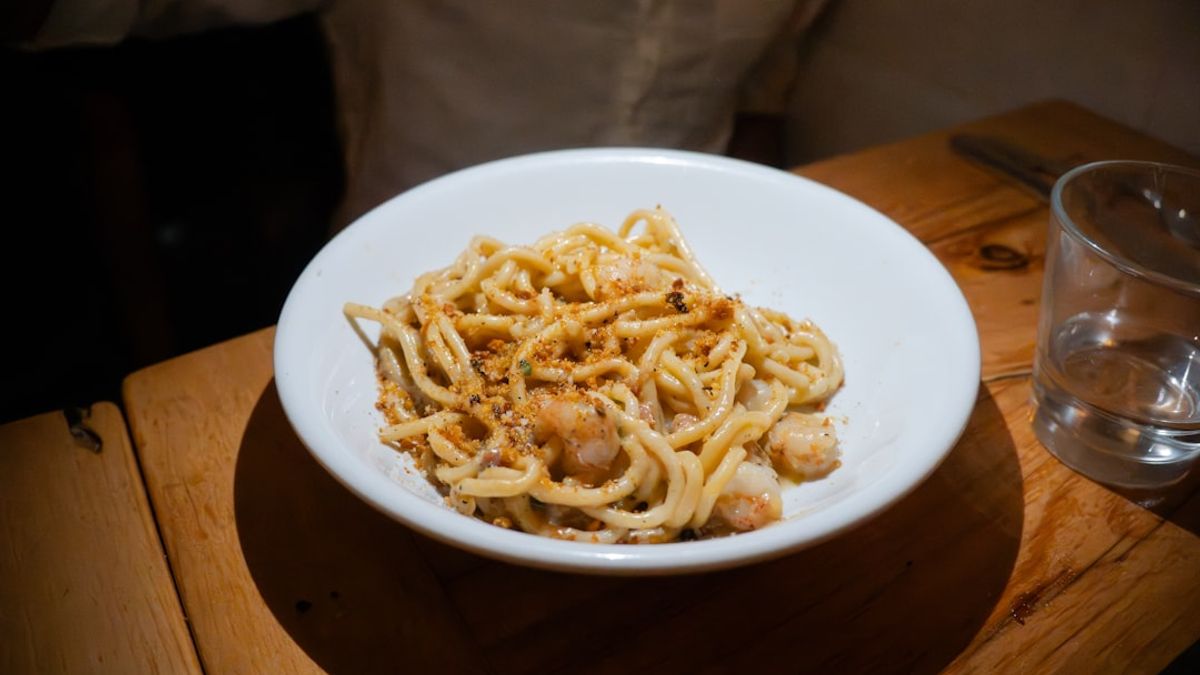
In practice, that means a Tuesday might default to a one‑pot pasta with pantry anchovies and greens, while Wednesday leans on a fast stir‑fry built around leftover rice. The recipes are written to be modular: swap broccoli for green beans, chicken thighs for tofu, or orzo for rice without derailing the flavor balance. This systems‑first thinking is increasingly central to the best weeknight dinner cookbook designs.
From a trend perspective, NYT’s approach also nudges readers toward more plant‑forward and globally influenced weeknight meal recipes. You see more beans, grains, and vegetables in starring roles, with meat as an accent rather than the default centerpiece. That aligns with broader nutrition and sustainability conversations, where organizations like the World Health Organization have highlighted the potential benefits of diets richer in plant foods, while carefully noting that individual needs vary.
A healthy diet helps protect against malnutrition in all its forms and against noncommunicable diseases, but it must be adapted to individual needs, cultural context, and local food availability.
As more publishers chase the success of the Easy Weeknight Dinners cookbook, expect future titles to emphasize adaptable frameworks, visual cues for time and difficulty, and cross‑referencing that helps you repurpose components (sauces, spice blends, toppings) across multiple recipes. In my view, the NYT weeknight dinners cookbook model is setting the baseline for how “easy” should feel on the page.
Why America’s Test Kitchen Still Sets the Reliability Bar
Can a cookbook really guarantee that your weeknight dinner will work the first time you make it? That’s the promise America’s Test Kitchen has been selling for years, and their dedicated lineup of weeknight titles continues to shape expectations for reliability.
The America’s Test Kitchen weeknight cookbook collection leans heavily on rigorous testing, make‑ahead strategies, and time‑saving techniques. Instead of promising the absolute fastest path to dinner, they promise a balance: recipes that are quick enough for a Tuesday but still carry the sensory payoff of a weekend project. Think 30‑minute chili, streamlined chicken‑and‑rice casseroles, and skillet lasagnas that skip fussy layering.
From an SEO and trend‑tracking perspective, these books occupy a crucial niche: they attract cooks willing to trade a few extra minutes of prep for near‑certain success. That’s especially appealing to newer home cooks who may have been burned by vague online recipes. In my experience, ATK’s weeknight titles often become “training wheels” books—once you trust their ratios and seasoning, you’re more comfortable improvising. Explore this further in Home Cooking Processed Foods: Reclaim Flavor, Cut Additives.
- Testing depth: Recipes are developed and cross‑tested in multiple home‑style kitchens, which reduces the risk of failure.
- Teaching tone: Sidebars explain why certain shortcuts work, so you learn transferable skills, not just isolated dishes.
- Make‑ahead focus: Many recipes highlight components that can be prepped on weekends, aligning with how busy families actually cook.
- Equipment realism: They assume fairly standard gear—sheet pans, Dutch ovens, a decent skillet—keeping recipes accessible.
Compared with the more improvisational vibe of NYT’s Easy Weeknight Dinners cookbook, America’s Test Kitchen feels like a structured course in weeknight efficiency. Both have a place: ATK for foundational technique and guaranteed outcomes, NYT for flexible, flavor‑driven inspiration.
“What Do Real Cooks Actually Use?” Inside the r/CookbookLovers Weeknight Debates
“I love my fancy restaurant cookbooks, but on a Wednesday I just want dinner without drama.” That quote from a home cook on r/CookbookLovers captures the community’s mood whenever someone asks for the best weeknight dinner cookbook recommendations.
Reddit threads on cookbooks for weeknights function as an unfiltered focus group. Unlike publisher blurbs, these comments come from people cooking in small apartments, shared houses, and busy family kitchens. They compare notes on which easy weeknight cookbook recipes actually work as written, which require too much chopping, and which quietly assume restaurant‑level pantry access.
Patterns emerge quickly. Books that overpromise on “30 minutes” but bury you in prep get called out. Titles that rely on hard‑to‑find ingredients or expensive cuts of meat are flagged as unrealistic for everyday use. On the other hand, authors who offer flexible swaps, clear timing cues, and honest prep estimates earn intense loyalty.
Compared with polished editorial lists, the Reddit perspective is more skeptical and more practical. It tends to favor:
- Cookbooks with a high ratio of true “weeknight wins” to occasional showpieces.
- Healthy weeknight cookbook recipes that don’t feel like diet food—think hearty grain bowls, bean‑based stews, and vegetable‑heavy pastas.
- Authors who acknowledge real‑world constraints: small budgets, picky eaters, limited time windows.
- Books that age well, meaning you still cook from them years after the initial hype.
For anyone trying to decide between the current wave of weeknight titles, these community threads are invaluable. They effectively crowd‑source an Easy Weeknight Dinners book review for dozens of titles at once, highlighting not just what looks good on the page but what survives the chaos of real life.
How Community Feedback Shapes Future Weeknight Cookbooks
Publishers and authors increasingly monitor spaces like r/CookbookLovers, even if they don’t always say so publicly. When multiple threads complain about unrealistic prep times or overly cheffy garnishes, those patterns tend to influence future editions and new proposals.
In my experience, you can already see this feedback loop in newer books that emphasize “10 ingredients or fewer,” “no special equipment,” or “pantry‑ready” recipes. The message from readers is clear: keep weeknight meal recipes honest, forgiving, and transparent about effort. As more data accumulates from reviews and social threads, expect even sharper focus on truly achievable cooking for busy people.
From Inspiration to Blueprint: What the Best Weeknight Dinner Cookbooks Have in Common
The blog The Healthy Maven recently rounded up a set of titles billed as the best cookbooks for weeknight dinner inspiration. The list mixes big names with niche favorites, but a closer look reveals shared DNA that goes beyond pretty photography.
Across those recommendations—and in similar lists from other food publications—the standout books do more than just inspire; they function as blueprints for sustainable home cooking. They help you answer recurring questions: What can I make with what I already have? How do I cook healthier without doubling my workload? How do I keep things interesting without buying a new spice blend every week? For more on this topic, see American Home Cooking For Two: Weeknight Meals That Spark.
Core Traits of High‑Impact Weeknight Cookbooks
Three structural features show up again and again in the best weeknight cookbook recipes collections.
1. Clear promise and scope
The strongest books define their lane upfront: maybe it’s “one‑pan dinners,” “budget‑friendly family meals,” or “vegetarian weeknight cooking.” This clarity helps you know when to reach for the book and when to look elsewhere. Vague “everyday cooking” promises tend to age poorly because they don’t solve a specific problem.
2. Ingredient realism
Winning titles rely on accessible staples: canned beans, frozen vegetables, common spices, and supermarket proteins. They may introduce a few new ingredients, but they build multiple recipes around them so you actually use what you buy. That’s especially important for healthy weeknight cookbook recipes, where whole grains, legumes, and seasonal produce need to feel normal, not exotic.
3. Built‑in flexibility
Modern weeknight cookbooks increasingly highlight substitution ideas directly in the recipe headnotes or sidebars. Swap chickpeas for lentils, use broccoli instead of kale, or turn a skillet meal into a grain bowl. This flexibility matches how people really cook when the store is closed and the fridge is half empty.
Why Inspiration Alone Isn’t Enough Anymore
Beautiful imagery and creative flavor combos still matter, but they’re no longer sufficient to earn a place in the weeknight rotation. Readers now expect books to function almost like operating manuals for their kitchens, guiding shopping patterns, meal‑prep habits, and leftover strategies.
That’s why you see more cookbooks including weekly menu plans, shopping lists, and cross‑linked recipes. In my view, the Easy Weeknight Dinners cookbook trend is moving toward integrated systems: you don’t just cook one recipe; you adopt a way of thinking about Tuesday through Thursday that reduces friction and decision fatigue.
Choosing the Right Weeknight Cookbook for Your Kitchen’s Future
Standing in front of an overloaded bookshelf (or scrolling through an online store), it’s easy to feel like every book promises the same thing: fast, easy, delicious. But not all weeknight cookbook recipes are optimized for the same cook, or the same future trends in home cooking.
Over the next few years, expect three forces to shape which books have staying power: rising grocery prices, growing interest in plant‑forward eating, and ongoing time pressure as work and home schedules blur. Selecting a cookbook now with those shifts in mind can save you from buyer’s remorse later.
Match the Book to Your Constraints

First, be honest about your real bottleneck. Is it time, money, energy, or skill? A budget‑focused title with big‑batch stews and casseroles might be perfect if groceries are your main concern. If energy is the issue, look for one‑pan and five‑ingredient frameworks that minimize cleanup and cognitive load. For newer cooks, America’s Test Kitchen–style books that explain the “why” behind techniques can accelerate your learning curve.
Watch for Health and Sustainability Signals
Healthy weeknight cookbook recipes are evolving beyond low‑fat swaps toward more holistic patterns: more vegetables, whole grains, and legumes, with meat used strategically. Organizations like the National Institutes of Health have noted potential benefits of such patterns for many people, while also emphasizing that individual nutrition needs can differ significantly. Cookbooks that normalize this style of eating in simple, flavorful ways are likely to feel increasingly relevant. For practical tips, check Kbis 2026 Kitchen Products: 10 Trendy Picks Chefs Crave.
Future‑Proof Features to Look For
In my experience, books that age well share a few future‑proof traits: they rely on widely available ingredients, they include clear storage and reheating guidance, and they offer multiple uses for key components like sauces or spice mixes. They also acknowledge that not every night is the same; some recipes are truly 20‑minute sprints, others are gentle 45‑minute projects with lots of unattended oven time.
If you treat your next purchase less like a glossy object and more like infrastructure for your kitchen, you’ll gravitate toward titles that can adapt with you—through changing work schedules, shifting health goals, and evolving tastes.
FAQ, Answered
1. What makes a cookbook truly good for weeknight recipes?
A strong weeknight cookbook does more than slap “30 minutes” on the cover. It respects your time, budget, and energy. Look for realistic prep times, minimal equipment, and ingredients you already buy. The best weeknight cookbook recipes also build in flexibility—swap proteins, change vegetables, or adjust spice levels without breaking the dish. Clear instructions, accurate yields, and honest difficulty ratings matter as much as flavor. In my experience, books that include storage, reheating, and substitution notes are the ones you actually use on hectic nights.
2. Are healthy weeknight cookbook recipes harder to make?
They don’t have to be. Many modern healthy recipes lean on pantry staples like beans, lentils, whole grains, and frozen vegetables, which are actually easier to keep on hand than fresh meat or specialty produce. A study overview from the Centers for Disease Control and Prevention notes that incorporating more plant foods can support overall dietary quality for many people, though needs vary. In practice, that often means simple sheet‑pan vegetables with chickpeas, quick stir‑fries over brown rice, or hearty soups. The key is flavor: good seasoning and acid (like lemon or vinegar) keep healthy meals from feeling like a compromise.
3. Is the NYT Easy Weeknight Dinners cookbook worth buying if I already use their website?
If you’re a heavy user of New York Times Cooking online, the Easy Weeknight Dinners cookbook may still earn its place. A physical book organizes recipes into a coherent system you can browse without screens, which many home cooks find calming after a day of digital work. It also tends to highlight the most reliable, broadly loved recipes rather than experimental outliers. If you prefer cooking from print, or you want a curated subset of NYT weeknight dinners cookbook–style recipes focused solely on fast, flavorful meals, the book can be a useful, distraction‑free complement to the website.
4. How do America’s Test Kitchen weeknight books compare to other options?
America’s Test Kitchen weeknight books prioritize reliability and teaching. Compared with more free‑form titles, they offer deeply tested recipes and detailed explanations of why each shortcut works. That’s ideal if you’re still building confidence or have had bad experiences with vague online recipes. The trade‑off is that some dishes may involve slightly more steps than ultra‑minimalist books, but you gain consistency and transferable skills. For many cooks, an ATK weeknight book becomes a reference manual, while looser, more creative titles serve as inspiration once the basics feel solid.
5. What should I look for in an Easy Weeknight Dinners cookbook before buying?
Start by scanning the table of contents and a few sample recipes. Do the dishes match how you actually eat—family‑style, solo, or with a partner? Are ingredients affordable and available at your usual store? Check that prep steps are specific (chop, slice, mince with quantities) and that timing cues are clear. I also recommend looking for notes on substitutions and storage, which signal the author understands real‑life constraints. Finally, read a couple of independent Easy Weeknight Dinners book review posts or community threads to see how the recipes perform in ordinary kitchens, not just test environments.
6. How can I use one cookbook for both weeknights and entertaining?
Many modern cookbooks blur the line between weeknight and weekend cooking by offering scalable, flexible recipes. Look for dishes that can be easily doubled or dressed up with a garnish or side—think braised chicken thighs, big grain salads, or baked pastas. On weeknights, you make the base version; for guests, you add a simple appetizer or dessert. In my experience, books that emphasize flavor foundations (like sauces, spice blends, and marinades) are especially good at this, because you can reuse those elements in more elaborate menus when you have time.
7. Are plant‑based weeknight cookbooks practical for mixed‑diet households?
They can be, if the recipes are built around familiar formats. Many plant‑based weeknight cookbooks now focus on tacos, pastas, soups, and bowls that omnivores already enjoy, with beans, tofu, or hearty vegetables in the starring role. You can often add a small portion of animal protein on the side for those who want it, without cooking a second full meal. Health authorities like the USDA highlight that more plant foods can fit into many balanced diets, while individual needs differ. Choosing books with flexible, modular recipes makes it easier to keep everyone at the table satisfied.
8. How many weeknight cookbooks do I actually need?
For most home cooks, two or three carefully chosen titles are enough to cover the bulk of weeknight needs. I suggest one generalist book with a wide range of easy weeknight cookbook recipes, one that aligns with a specific goal (budget, health, or plant‑forward eating), and possibly one focused on a format you love, such as sheet‑pan dinners or one‑pot meals. Beyond that, additional books often overlap. In my experience, it’s better to know a few cookbooks deeply—understanding their strengths, weaknesses, and go‑to recipes—than to own many that you rarely open.
Quick FAQ — Common reader questions
How do I choose a weeknight cookbook for a tight grocery budget?
Pick books that emphasize beans, grains, versatile vegetables, and one‑pot meals. Look for shopping lists, batch‑cook strategies, and recipes that stretch a single protein across multiple meals. A budget‑focused title with clear scaling instructions will reduce waste and cost per meal.
Can I reliably test a cookbook before buying?
Yes: try a few free sample recipes online, read independent reviews, and scan community threads (Reddit, Goodreads) for real‑world feedback on timing and ingredient practicality. Lists of 8–10 “weeknight wins” from reputable outlets are useful low‑risk previews.
What features make a cookbook easy to use daily?
Clear headnotes on timing and substitutions, accurate yields, storage/reheating tips, and visual cues for difficulty. Bonus points for menu plans and shopping lists that reduce decision fatigue for the whole week.
How should I store my go‑to weeknight cookbooks?
Keep a small, accessible shelf or countertop space for two or three titles you use most; store others in a nearby cabinet. Consider a magnetic bookmark or sticky tabs for favorite recipes so you can reach them quickly on a busy night.
⚠️ Disclaimer: This article discusses general cooking, budgeting, and nutrition trends for informational purposes only. It is not a substitute for personalized advice from a registered dietitian, medical professional, or financial advisor. Always consider your own health needs, dietary restrictions, and budget when choosing recipes or cookbooks.
Conclusion: Turning Weeknight Cookbooks into a Long‑Term Cooking Strategy
Most conversations about cookbook recipes focus on speed: 20 minutes, 30 minutes, five ingredients, one pan. Those metrics matter, but they’re only part of the picture. The real question is whether a cookbook can reliably lower your daily decision fatigue while nudging your cooking in a direction that still feels exciting a year from now.
Looking across editorial roundups, the NYT weeknight dinners cookbook approach, America’s Test Kitchen’s rigor, and the unvarnished feedback from r/CookbookLovers, a pattern emerges. The books that last don’t just promise “easy.” They offer structure without rigidity, flavor without fuss, and a realistic understanding of how people actually live and eat. They embrace pantry staples, honor leftovers, and acknowledge that some nights you want a 15‑minute stir‑fry while others you’re up for a hands‑off braise.
In my experience, the smartest move is to treat your weeknight cookbook shelf as a small, intentional toolkit. Choose one or two titles that excel at fast, flexible dinners; add a book with healthy weeknight cookbook recipes that you genuinely crave; and, if you like, keep a technique‑driven volume from a place like America’s Test Kitchen to sharpen your skills. Let online lists, from AOL’s nine‑recipe features to blogs like The Healthy Maven, serve as test drives before you commit.
As grocery prices fluctuate and work patterns continue to shift, the cookbooks that will feel most relevant are the ones that help you adapt: they make it easier to eat more plants if you choose, stretch a pound of protein across multiple meals, or turn a half‑empty fridge into dinner without panic. If you start building that library now—thoughtfully, not impulsively—you’re not just solving tonight’s “what’s for dinner?” You’re investing in a calmer, more resilient kitchen for years to come.
The next time you’re tempted by a glossy new release, ask a simple question: will this book still make sense for my Tuesdays two years from now? If the answer feels like yes, you may have found a true weeknight ally, not just another pretty spine on the shelf.