Cookbook club ideas have taken center stage in the world of home entertaining, inspiring a new wave of culinary connection and creativity. In kitchens across the United States, groups of friends, neighbors, and even virtual communities are gathering to cook, taste, and discuss recipes from their favorite cookbooks. This movement is more than a passing trend—it’s a dynamic way to blend social interaction with gastronomic exploration. Successful cookbook clubs often thrive on organization, clear communication, and a shared passion for culinary discovery. The best cookbook club ideas tend to foster inclusivity and experimentation, bringing diverse tastes and new techniques to the table. Explore 2026 Food Trends Elevating Your Culinary Skills
“Cookbook clubs are not just about cooking; they are about community, creativity, and connection. Members often report stronger friendships and a deeper appreciation for food culture.”
The rise of cookbook clubs coincides with a broader cultural shift toward meaningful, experience-driven socializing. Transforming a love for cooking into a regular club event can sharpen culinary skills and build lasting friendships. Unlike traditional book clubs, these gatherings are sensory and interactive, allowing members to taste the results of their collective effort and discuss the nuances of each dish. The concept is simple yet endlessly adaptable: choose a cookbook, assign recipes, and gather to share the results. However, the magic lies in the details—how you select the book, structure the meeting, and encourage participation can make or break the experience. With a large number of online results for “cookbook club ideas,” it’s clear this is a topic resonating with a wide audience. From monthly potlucks to themed dinners and virtual meetups, the possibilities are virtually limitless. As we look ahead, cookbook clubs are poised to become a staple of home entertaining, blending the best of food culture, social engagement, and hands-on learning. This article analyzes the latest trends, shares practical strategies, and forecasts where cookbook clubs are headed. Whether you’re a seasoned home cook or just starting out, these cookbook club ideas can help you create memorable, delicious gatherings that stand the test of time.
Notable Observations on Cookbook Clubs and Home Cooking Trends:
- A significant portion of home cooks have joined or expressed interest in joining a cookbook club in recent times.
- Virtual cookbook clubs saw notable growth during the COVID-19 pandemic and continue to thrive.
- Cookbook clubs that rotate themes tend to report higher member retention rates than those focusing on a single cookbook.
- Many cookbook club members say the social aspect is as important as the cooking itself.
- Plant-based and dietary-specific cookbooks have become increasingly popular selections for club meetings.
- Hybrid cookbook clubs combining in-person and virtual meetings have increased accessibility, boosting membership diversity.
Organizing Your First Cookbook Club
Launching a cookbook club begins with a vision and a few simple steps. The initial challenge is deciding whom to invite. Assembling a group of six to ten people strikes the perfect balance—large enough for variety, yet small enough for meaningful conversation. Clear communication is essential from the outset. Setting expectations for participation, food allergies, and dietary needs ensures everyone feels welcome and included. Choosing a meeting cadence is equally important. Monthly gatherings allow members to plan ahead and experiment with more complex recipes, while bi-monthly or quarterly meetings may suit those with busier schedules. The location can rotate among members’ homes or remain at a central spot for convenience. Some clubs even opt for local libraries or community centers, especially if kitchen space is limited. The key is consistency—regular meetings build momentum and anticipation. Cookbook club ideas can help you design a structure that works for your group.
Modern technology has simplified the organizational process. Group chats via WhatsApp, Facebook Groups, or dedicated apps like Meetup enable seamless coordination. When inviting new members, consider sending a detailed digital invitation outlining the club’s format, upcoming cookbooks, and any special themes. This transparency fosters excitement and sets the tone for a collaborative experience. Sharing photos and recipe reviews between meetings helps keep members engaged and eager for the next event. Cookbook club ideas like these keep your group connected and motivated. Historical Cooking Techniques Unlock Timeless Flavors Today
Setting Ground Rules for a Smooth Experience
Establishing guidelines early prevents misunderstandings. Decide how recipes will be assigned—random draw, personal choice, or host selection are all viable options. Discuss how leftovers will be handled, whether alcohol is permitted, and how expenses will be shared if costly ingredients are involved. Clear rules create a welcoming, low-stress atmosphere where everyone feels comfortable contributing. Flexibility is important, but a shared framework ensures the club runs smoothly over time.
Choosing Cookbooks and Themes: Fueling Inspiration – cookbook club ideas
Arguably the most exciting aspect of any cookbook club is selecting what to cook. The book or theme you choose sets the tone for each gathering, fueling creativity and conversation. There are endless cookbook club ideas for how to make this process engaging. Some clubs select a single cookbook to explore for several months, while others rotate themes—such as “Global Street Food,” “Vegetarian Feasts,” or “Seasonal Baking.” Alternating between classic and contemporary cookbooks keeps things fresh and appeals to a broader range of tastes.
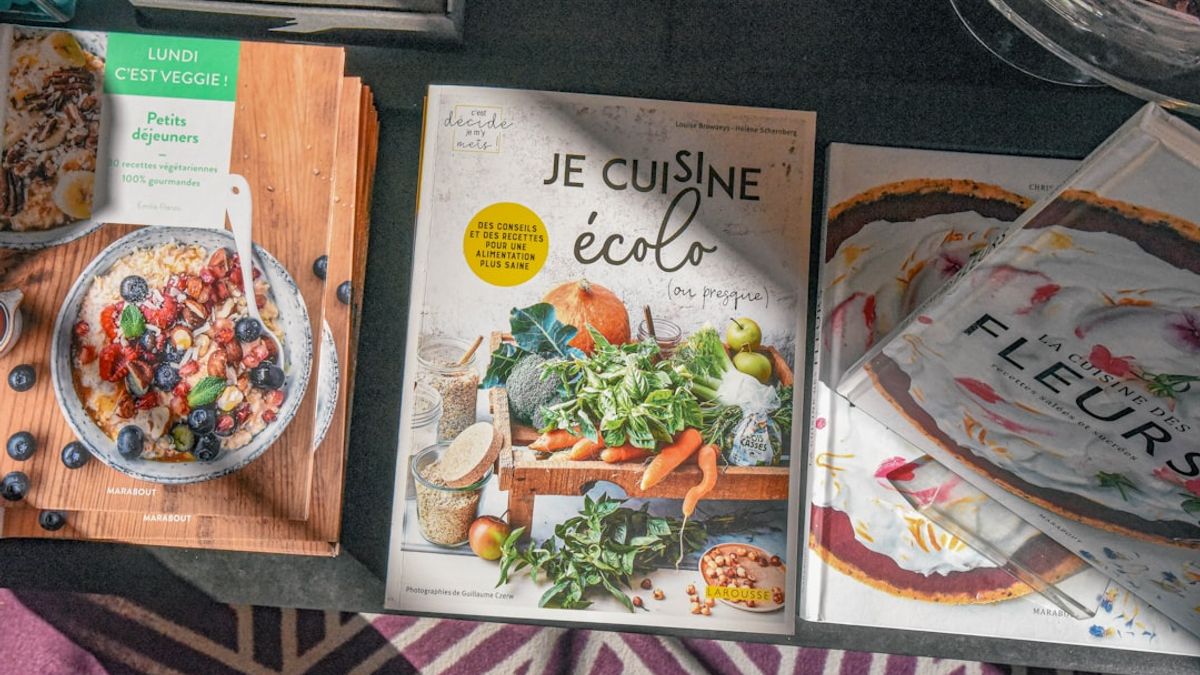
When picking a book, consider accessibility. Are the ingredients easy to find? Are the recipes suitable for various skill levels? Cookbooks with vibrant photography and clear instructions tend to be popular choices, as they inspire confidence and spark discussion. Crowd-pleasers often include works by well-known authors who combine approachable techniques with bold flavors. However, regional, family, or vintage cookbooks can offer nostalgia and unique insight into culinary history.
Themed Events for Deeper Engagement
Occasionally, clubs might forgo a single cookbook in favor of a theme. For instance, a “Holiday Cookie Swap” or “Farmers’ Market Finds” event allows members to bring recipes from multiple sources, sparking lively debate over technique and tradition. Themed gatherings deepen social bonds and encourage experimentation. As cookbook clubs continue to evolve, hybrid formats blending book-centric and theme-based approaches may become more common, maximizing creativity while honoring the club’s core mission. Master The Pastele Stew Recipe For Comforting, Hearty Meals
Accommodating Dietary Preferences
Modern cookbook clubs are increasingly inclusive, with many groups seeking out vegetarian, vegan, gluten-free, or allergy-friendly cookbooks. Open discussions about dietary needs ensure all members feel valued. Rotating between different dietary focuses not only accommodates everyone but also broadens the group’s culinary repertoire—turning limitations into opportunities for discovery.
Structuring Meetings for Culinary Connection
The structure of a cookbook club meeting can make a significant difference in fostering meaningful connections and culinary growth. Most clubs operate as potlucks, where each member prepares a dish from that month’s cookbook and brings it to share. This format ensures variety and keeps the workload manageable. Members are encouraged to read through the chosen cookbook, select a recipe that excites them, and coordinate with the group to avoid duplicates.
Upon arrival, the host typically sets up a buffet-style spread, ensuring each dish is labeled with its recipe name and page number. As everyone serves themselves, conversation naturally turns to the cooking process—what worked, what didn’t, and any memorable surprises. These authentic stories and tips are the heart of the club, transforming a simple meal into a learning experience.
Incorporating Discussion and Feedback
After sampling the dishes, clubs often hold a discussion. Members share their thoughts on the recipes, the cookbook’s organization, and any modifications they made. This feedback can be informal or structured, with some groups rating each dish or keeping a journal of their favorite recipes. Capturing these insights builds a collective memory for the club and encourages members to revisit or reimagine standout dishes in the future. Korean Corn Dogs: The Crispy Cheese-Pull Street Food Everyone Loves
Adding Activities and Guest Speakers
To elevate the experience, some cookbook clubs invite guest speakers—local chefs, authors, or food historians—to share their expertise. Short cooking demonstrations or ingredient tastings can also add an educational dimension to the meeting. These enhancements foster a deeper appreciation for culinary traditions and trends, keeping the club vibrant and inspiring long-term commitment. More clubs may incorporate multimedia elements, such as virtual Q&As with cookbook authors or live-streamed cooking classes, expanding the reach and diversity of the community.
Building Lasting Community: Cookbook Clubs as Social Hubs
Cookbook clubs are about more than just food—they’re about forging lasting relationships through shared experiences. The blend of fellowship and food creates a unique social dynamic that appeals to people of all ages and backgrounds. Cookbook club ideas that prioritize inclusivity, curiosity, and mutual support tend to be the most sustainable.
These clubs often evolve into tight-knit communities, with members celebrating milestones, supporting each other through challenges, and even collaborating on charitable projects. For instance, some groups organize “cookbook swaps” or donate homemade meals to local shelters. These activities extend the club’s impact beyond the kitchen, reinforcing the value of collective action and generosity.
Virtual Cookbook Clubs and Digital Trends
The COVID-19 pandemic accelerated the rise of virtual cookbook clubs, a trend that continues to shape the landscape. Platforms like Zoom, Discord, and dedicated recipe-sharing apps enable members to connect across distances, broadening the pool of participants and cookbooks. While in-person gatherings remain popular, hybrid formats offer flexibility and resilience in the face of changing circumstances. Libraries and community organizations are increasingly hosting online clubs, making culinary engagement accessible to a wider audience. This digital shift is likely to persist, with more clubs leveraging technology for recipe tracking, discussion forums, and real-time cooking demonstrations.
Intergenerational and Family Cookbook Clubs
Another emerging trend involves intergenerational cookbook clubs, where family members of different ages cook and learn together. These gatherings foster the transmission of culinary knowledge and family traditions, enriching the experience for both young and old. As cookbook clubs become more inclusive, family-friendly formats and resources tailored to diverse age groups and skill levels are expected to grow.
Emerging Cookbook Club Ideas for 2026 and Beyond
As cookbook clubs mature, new formats and ideas are taking hold, reflecting broader societal shifts toward sustainability, wellness, and global cuisine. One notable development is the “zero-waste” cookbook club, where members select recipes that prioritize seasonal, local, and leftover ingredients. This approach not only minimizes food waste but also sparks creativity and resourcefulness in the kitchen. According to EPA guidelines, reducing household food waste is an effective way to lower one’s environmental footprint, making these clubs both trendy and impactful.
Health-conscious cookbook clubs are also on the rise. Groups focused on plant-based, Mediterranean, or heart-healthy cookbooks align with recommendations from the Mayo Clinic and similar institutions, supporting members in making informed dietary choices. While these clubs do not offer medical advice, they provide an encouraging environment for exploring new ingredients and cooking techniques that may benefit overall wellness. Clinical data from the NIH suggests Mediterranean-style diets may support heart health, making them a popular theme for cookbook clubs.
Global Cuisine and Cultural Exchange
Interest in international flavors continues to grow, with cookbook clubs serving as informal classrooms for global gastronomy. Members take turns selecting cookbooks from different countries or regions, broadening their culinary horizons and deepening cultural understanding. These clubs often invite guest speakers from diverse backgrounds, enriching the conversation and fostering empathy through food. As the world becomes more interconnected, cross-cultural cookbook clubs may become a hallmark of the next generation of home cooks.
Hybrid and Pop-Up Cookbook Clubs
Flexibility is the future. Hybrid cookbook clubs—combining in-person and virtual elements—allow for greater accessibility and adaptability. Pop-up clubs, meanwhile, form around a single event or cookbook, attracting new members without long-term commitment. These formats cater to changing lifestyles and preferences, ensuring cookbook clubs remain relevant and dynamic for years to come.
FAQ: Cookbook Club Ideas Answered
- How do I start a cookbook club with my friends?
Begin by reaching out to friends who share an interest in cooking. Propose the idea and suggest an initial meeting to discuss logistics. Decide on the group size, meeting frequency, and whether gatherings will be in-person or virtual. Select a cookbook or theme for your first session, then assign recipes so everyone contributes a dish. Communication platforms like WhatsApp or Facebook Groups can help coordinate details. Remember to set basic guidelines about dietary restrictions, costs, and hosting duties to ensure the club runs smoothly and remains enjoyable for all members. - What are some creative cookbook club themes?
Creative themes can make your cookbook club vibrant and engaging. Popular ideas include “Around the World,” where each meeting features recipes from a different country, or “Seasonal Produce,” focusing on ingredients available locally. Other clubs enjoy “Family Favorites,” “Vegetarian or Vegan Nights,” or “Bake-Off Challenges” centered on desserts. Theme-based meetings allow for greater variety and encourage members to experiment with unfamiliar recipes or cuisines. These flexible approaches keep the club exciting and offer continuous opportunities for discovery and learning within the group. - How do you choose a cookbook for your club?
Selecting a cookbook involves balancing accessibility, diversity, and member interest. Poll club members about their favorite authors, cuisines, or dietary needs. Ensure the book’s recipes are achievable given everyone’s skill level and ingredient availability. Many clubs alternate between classic and contemporary titles, or rotate the decision-making among members so everyone gets a turn. Some groups prefer focusing on a single cookbook for several meetings, while others pick a new book or theme each time. The goal is to inspire participation and exploration, so consensus and variety are key. - What should I bring to my first cookbook club meeting?
Bring a prepared dish from the selected cookbook, ensuring it serves enough for the group. Consider bringing a copy of the recipe, labeled with its page number and any modifications you made. If it’s your first meeting, arrive with an open mind and a willingness to discuss both your cooking process and the final result. It’s also helpful to bring serving utensils and containers for leftovers. Being prepared and enthusiastic sets a positive tone and helps foster a welcoming, collaborative environment for all participants. - How do cookbook clubs handle dietary restrictions or allergies?
Cookbook clubs address dietary needs by open communication and thoughtful planning. At the club’s outset, discuss any allergies or preferences so they can be incorporated into recipe selection. Many groups choose cookbooks or themes that naturally accommodate dietary restrictions, such as gluten-free or plant-based books. Members can also modify recipes as needed and clearly label their dishes. Rotating the focus of each meeting ensures inclusivity and keeps everyone engaged. Sensitivity to these needs is crucial for creating a supportive and enjoyable club experience. - Can cookbook clubs work virtually, and how?
Yes, virtual cookbook clubs are not only possible but increasingly popular. Members select a cookbook or theme, prepare their chosen dishes at home, and then gather online via platforms like Zoom or Discord to share their experiences. Some clubs use shared documents or social media groups to post photos and reviews. Virtual clubs offer flexibility for those with busy schedules or distant friends. They can also expand participation beyond local circles, making it easy to connect with fellow cooks from across the country or even internationally. - What are the benefits of joining a cookbook club?
Joining a cookbook club offers social, educational, and culinary benefits. Members expand their cooking repertoire, discover new ingredients, and gain confidence in the kitchen. The club fosters a sense of community, providing a regular opportunity for meaningful connection and shared accomplishment. Cookbook clubs also promote cultural exchange and support lifelong learning. Whether in-person or online, cookbook clubs create a space for creativity, laughter, and the joy of sharing good food with others.
Conclusion: The Future of Cookbook Club Ideas
Cookbook club ideas have evolved from niche gatherings into a cornerstone of modern home entertaining. As we move forward, the continued rise of cookbook clubs reflects our collective desire for authentic connection, hands-on learning, and culinary adventure. The most successful clubs are those that embrace flexibility, celebrate diversity, and foster a spirit of curiosity. Whether you’re gathering around a kitchen table or connecting virtually, the possibilities for innovation and growth are endless.

The real power of a cookbook club lies in its ability to transform ordinary meals into meaningful experiences. By sharing the work, the stories, and the flavors of each dish, members build lasting memories and deep relationships. If you’re considering starting or revitalizing a cookbook club, now is the perfect time to experiment with new formats, themes, and technologies. Let your passion for food bring people together, and watch as your club becomes a cherished part of your social life. The future of cookbook clubs is bright, and your next great gathering is just a recipe away. Cookbook club ideas can help guide your journey to unforgettable culinary adventures.