On a gray January morning in New York, a line wrapped around the block for a pop-up serving exactly three things: miso caramel soft-serve, fiber-packed “grazing boxes,” and a pine-ginger espresso tonic. That tiny menu captured the core of the 2026 food trends conversation in the USA: bold flavor science, snack-based eating, and wellness baked into every bite. From restaurant tasting menus to supermarket shelves, these shifts are no longer about novelty for its own sake. They’re about layering pleasure, function, and story in ways that feel personal and shareable. Related reading: Home Cooking Processed Foods: Reclaim Flavor, Cut Additives.
Look across the latest reports from the James Beard Foundation, Kroger’s 2026 forecast, Nestlé USA’s kitchen trends, and Taste of Home’s home-cooking predictions and a pattern emerges. Restaurant chefs are pushing “swangy” textures and savory cocktails; grocers are betting on snackification and affordable luxury; home cooks are chasing nostalgic comfort with upgraded ingredients. Meanwhile, social media food trends 2026 are turning everything into a potential viral moment, from forest pine lattes to technicolor fermented vegetables.
This article pulls those threads together into a single, practical map of 2026 food trends. We’ll look at how top restaurants are rewriting flavor rules, why supermarkets are redesigning the weekly shop around micro-meals, how “weird” textures became mainstream, and what all of this means for health-focused eaters and recipe creators. Whether you’re a chef, content creator, product developer, or simply someone planning what to cook next week, understanding these shifts will help you cook, shop, and post in sync with where food is heading now.
At-a-glance: Key Statistics Shaping the 2026 Food Moment
Here are a few measurable signals that help explain why the trends in this article matter in practical terms.
- ~1 billion monthly active users on TikTok (2024) — a platform where visual, texture-forward food content can drive rapid adoption. Source: TikTok / ByteDance reporting and industry overviews.
- Average daily fiber intake among U.S. adults is roughly ~16 g/day, compared with recommended ranges of 25–38 g/day (recommendations vary by age/sex). Source: dietary guidance summaries and Mayo Clinic on fiber recommendations; NHANES analyses for intake estimates.
- Snacking now represents roughly ~50% of daily eating occasions in many developed markets, reflecting the shift toward grazing and micro-meals. Source: industry eating-occasion research (e.g., The NPD Group eating-occasion studies).
- Fermented and functional beverage categories (kombucha, kefir, probiotic sodas) show multi-year growth with U.S. retail sales in the low billions of USD and projected mid-single-digit to high-single-digit CAGR in the next 3–5 years. Source: market research summaries (e.g., Statista, Grand View Research).
Restaurant Flavor Forecast: How 2026 Menus Set the Tone
A few years ago, a bartender in Chicago quietly put a mushroom-infused martini on the menu. Regulars ordered it as a dare, then came back for a second round. That sort of “are we really doing this?” curiosity is exactly what the latest restaurant-focused 2026 food trends are formalizing. The James Beard Foundation’s 2026 restaurant trend story points to savory cocktails, intentional fermentation, and a move back to large-format plates and affordable luxury tasting menus as key signals.
These shifts aren’t happening in a vacuum. Diners who spent the early 2020s chasing tasting menus are now asking for experiences that feel indulgent but not intimidating. At the same time, chefs are under pressure to control costs and reduce waste.
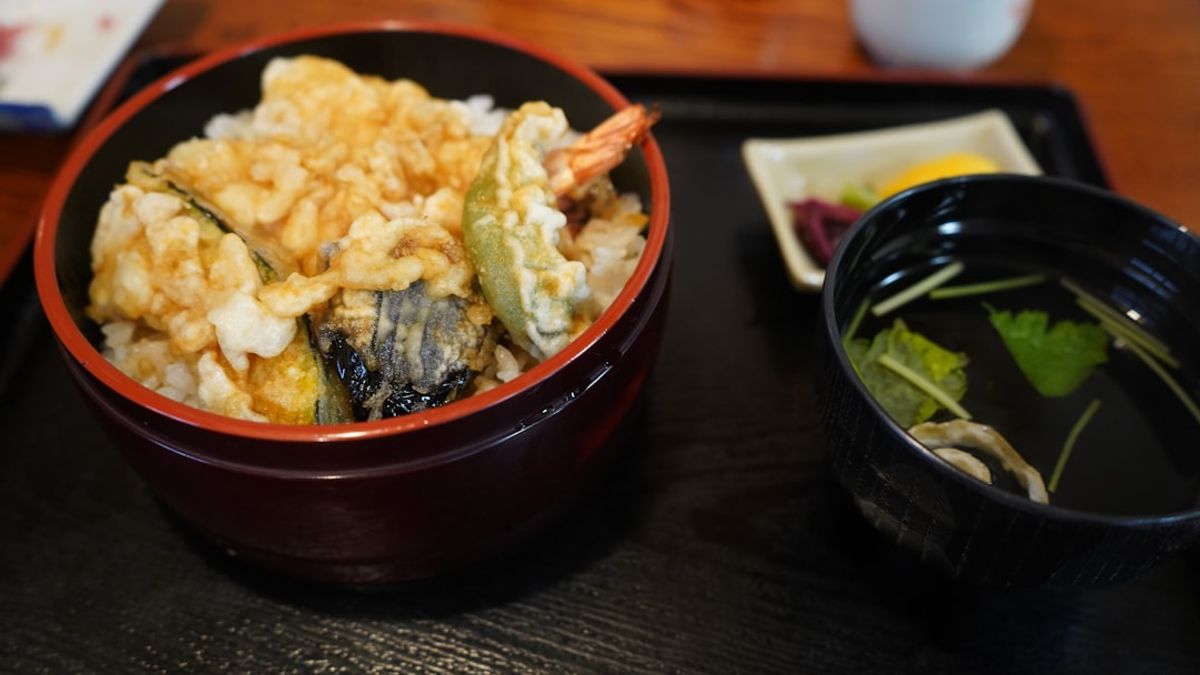
Fermentation and preservation—think koji-aged vegetables, citrus peels turned into shrubs, or house-made miso—allow kitchens to stretch ingredients while building deep, layered flavors. Large plates meant for sharing cut back on components and garnishes, yet still offer a sense of abundance.
- Savory cocktails built around ingredients like tomato water, mushroom stock, or roasted pepper syrups.
- “Intentional fermentation” as a flavor driver: kimchi-butter sauces, fermented chili oils, and lacto-fermented fruits.
- Affordable tasting menus with fewer but more generous courses instead of endless tiny bites.
- Comfort-driven flavor mashups such as miso caramel, tahini-chocolate, or soy-butter popcorn on dessert plates.
- Color-forward plating using natural pigments from beets, spirulina, turmeric, and purple sweet potatoes.
For home cooks and content creators tracking these recipes, this restaurant playbook offers a clear takeaway: complexity is moving from technique to flavor building. You don’t need a sous-vide bath; you need a jar of chili crisp, a simple brine, and the confidence to put a savory note in your dessert.
Grocery Giants Rewire the Weekly Shop Around Snackification
One bold prediction from Kroger’s 2026 outlook cuts through the noise: grazing will go mainstream. In its official 2026 food trend predictions, Kroger highlights one-bite snacks and mini meals as the new center of gravity for shoppers looking for portion control and personalization. That single idea is reshaping how supermarkets design aisles, how brands package products, and how families structure their daily eating patterns.
Instead of three fixed meals, many households now build their day around a series of “micro-meals”—a yogurt bowl with fiber add-ins at 10 a.m., a protein-forward bento at 2 p.m., a vegetable-rich flatbread at 5 p.m. This doesn’t mean nutrition disappears; it means shoppers want function in smaller, more frequent formats. For the USA, that’s a major pivot from the bulk-buy mentality of the previous decade. For more on this topic, see American Home Cooking For Two: Weeknight Meals That Spark.
Grocers are responding with modular products: pre-cut vegetables that pair with a choice of sauces, single-serve grains, and snack boards that blend nuts, cheeses, and dried fruits with clear callouts for protein, fiber, or mood support. Analysts observing Whole Foods note a similar direction: more ready-to-eat “mini” options that still emphasize ingredient quality and recognizable sourcing.
For brands, the implication is straightforward but demanding. Packaging must communicate both pleasure and purpose in a glance. A snack can’t just be “spicy”; it needs to be “spicy, crunch-forward, and fiber-rich.” And for home cooks, this trend invites a different kind of meal prep: instead of giant casseroles, think components—roasted vegetables, cooked grains, sauces, and toppings—that can be assembled into multiple small plates across the week.
Why “Weird” Flavors and Textures Suddenly Feel Comforting
Why are pine-flavored coffees, “swangy” textures, and layered sweet-savory profiles suddenly showing up everywhere from TikTok to chain coffee menus?
Nestlé USA’s 2026 kitchen trends story describes a shift from simple “heat” to “big heat” and from straightforward sweet to complex, layered flavors. Their report on “swangy” textures—somewhere between creamy, chewy, and stretchy—captures how consumers now seek sensory novelty that still feels cozy. At the same time, industry coverage on Torani’s 2026 flavor of the year highlights “forest pine,” a blend of pine, ginger, and sage, as emblematic of this moment: woodsy, slightly nostalgic, but distinctly new.
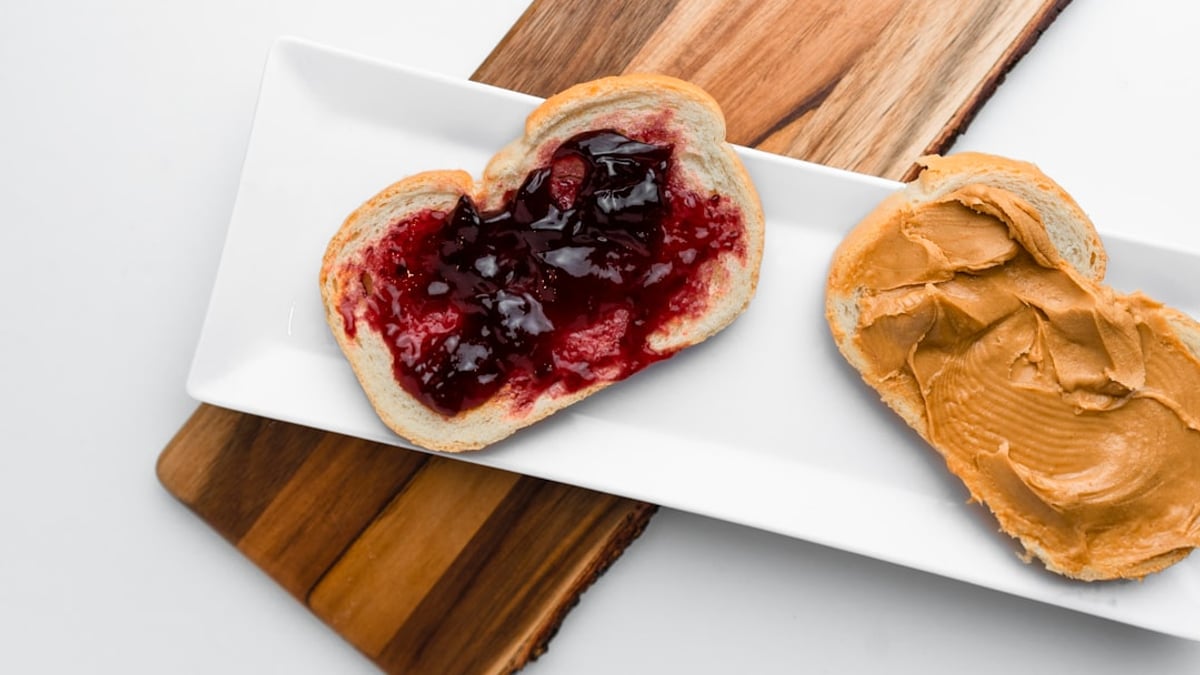
Instead of chasing shock value, 2026 food trends lean into “newstalgia”—fresh twists on familiar anchors. A classic example is the resurgence of sweet-savory combinations. As reported by trend overviews, miso caramel and tahini-based sweets are moving from niche menus into mainstream bakeries. These flavors tap into childhood memories of caramel or peanut butter while adding a sophisticated umami edge.
For social media food trends 2026, this is fertile ground. Viral food trends 2026 rarely succeed on flavor alone; they succeed when they look intriguing on camera, deliver a clear texture payoff, and feel just familiar enough to be safe.

Think of stretchy mozzarella-stuffed rice cakes dusted with chili sugar, or sparkling “forest tonic” mocktails garnished with rosemary and citrus.
- Start with a comfort anchor. Use flavors people already trust—vanilla, caramel, chocolate, chicken broth, mashed potatoes—as the base.
- Layer one “adventurous” note. Add miso, tahini, chili crisp, smoked salt, or pine-ginger syrup as a clear, labeled twist.
- Dial up texture contrast. Pair creamy with crunchy, chewy with crisp, icy with velvety; “swangy” works because it surprises the mouth in stages.
- Make it camera-friendly. Color gradients, drips, stretch, and steam photograph well and fuel 2026 food trends recipes on platforms like Instagram and TikTok.
- Keep the story simple. “Grown-up caramel,” “campfire coffee,” or “cozy spicy noodles” are narratives people can repeat and share.
For anyone developing menus or content, the key question becomes: what’s the one small twist that will make this dish feel like 2026 without alienating someone who just wants dinner?
“I Just Want Something Cozy”: Home Cooks Reclaim Everyday Food
“I’m done chasing restaurant-level plating. I just want something cozy that still feels a bit special.” That sentiment, expressed by countless home cooks, underpins the direction of Taste of Home’s 2026 report. Taste of Home emphasizes comfort dishes updated with modern ingredients, from upgraded casseroles to globally inspired one-pan dinners.
This aligns with the broader theme described by gastronomy experts and Food Campus Berlin: more colorful plates, more functional dishes, and more flexible people. Home cooks are not trying to replicate restaurant tasting menus; they are folding trend elements—fermented condiments, bold spices, high-fiber grains—into formats they already know how to execute on a Tuesday night. This pairs well with our guide on Kbis 2026 Kitchen Products: 10 Trendy Picks Chefs Crave.
At the same time, mainstream media highlights fiber as a central wellness focus and calls out trend-forward desserts, reflecting how coverage now frames trends as both aspirational and accessible. For many viewers, that means recipes that promise a health halo without sacrificing nostalgia: think brownie-like fiber bars, vegetable-forward pasta bakes, or sheet-pan dinners that sneak in legumes and whole grains.
Compared with restaurant and grocery trends, the home-kitchen version is less about spectacle and more about reliability. The comparison looks like this: restaurant dishes push boundaries with savory cocktails and fermentation; grocery products optimize for snackification and convenience; home cooks filter both through the lens of “will my family actually eat this?” The result is a grounded, pragmatic approach where a single trend ingredient—say, tahini or chili crisp—gets used across multiple familiar recipes instead of building an entirely new repertoire from scratch.
Newstalgia in the Home Kitchen
“Newstalgia” captures this moment perfectly. A tuna noodle casserole might become a salmon and soba bake with miso cream sauce. A classic banana bread turns into a tahini-swirl loaf with sesame crumble. The structure stays recognizable; the details signal 2026. This is where trend adoption sticks: modest, repeatable upgrades that feel like an evolution of family favorites, not a rejection of them.
The Role of Media and Community
Publications like Taste of Home, Food Network, and community-driven newsletters are acting as translators. They take the high-concept ideas from chefs and brands and render them into weeknight-friendly instructions. That translation layer is crucial for anyone hoping to build recipes, products, or content that resonate beyond early adopters.
Health-Forward Eating, Fiber, and the Quiet Redesign of the 2026 Food Pyramid
Open any mainstream 2026 trend report and you’ll find some version of the same underlying question: how do we eat for long-term health without feeling like we’re on a diet? Health food trends 2026 are less about restriction and more about stacking benefits—fiber, protein, gut support, mood support—into foods that still feel indulgent.
Food Network’s experts, for example, frame fiber as the wellness focus of the year, noting its role in satiety and digestive health. Clinical summaries indicate that higher-fiber eating patterns may support heart health, blood sugar management, and weight maintenance over time, though individual results vary. This dovetails with Kroger’s emphasis on mini meals: if people are grazing more frequently, building fiber into those snacks becomes a practical way to nudge overall intake upward.
At the same time, analysts discussing Whole Foods trends observe a continued push toward minimally processed ingredients, plant-forward options, and functional beverages with clearly labeled benefits (such as gut health, calm, or focus). Instead of a rigid 2026 food pyramid, what emerges is more like a flexible “food cloud” where vegetables, whole grains, legumes, nuts, and fermented foods occupy the center, and high-sugar or ultra-processed items orbit as occasional treats.
| Indicator | Value / Estimate | Source |
|---|---|---|
| Average daily fiber intake (U.S. adults) | ~16 g/day (average) | Mayo Clinic (recommendations 25–38 g/day); based on NHANES/USDA intake analyses (average intake ~16 g/day) |
| Share meeting fiber recommendations (U.S. adults) | ~5% of adults meeting recommended intake | NHANES-derived analyses / public health summaries (U.S. Dept. of Agriculture and national nutrition surveys) |
| Share of eating occasions that are snacks | ~50%–60% of daily eating occasions categorized as snacks | Industry eating-occasion research (e.g., The NPD Group trend reports) |
| U.S. retail sales: fermented/functional beverages (kombucha, kefir, etc.) | ~$2.0–2.5 billion (recent annual retail sales); projected mid-single to high-single-digit CAGR next 3–5 years | Market-research summaries (e.g., Statista, Grand View Research) |
Functional Foods Without the Lecture
One striking element of 2026 food trends USA-wide is how quietly functional foods have integrated into everyday eating. Instead of overtly “diet” products, we see everyday staples with subtle upgrades: yogurt with added prebiotic fibers, breads made with heritage grains, snack mixes that blend nuts with freeze-dried berries and dark chocolate. Research indexed on PubMed has explored how dietary patterns rich in whole plant foods and fermented products may support metabolic and gut health over time, though the specific impact depends on the individual and broader lifestyle factors.
For recipe developers and brands, the lesson is clear: lead with flavor and familiarity, then layer in function. A lentil Bolognese marketed purely as “high-fiber” may fall flat; a “slow-simmered, rich tomato lentil ragù” that happens to deliver fiber and plant protein is more aligned with current consumer desires. This pairs well with our guide on Best Cookbooks 2026: Elevate Your Home Cooking Today.
Reframing Indulgence
Another subtle but powerful shift is how indulgence is defined. Instead of only equating indulgence with sugar and fat, many trends reframe it as time, quality, and care. An “affordable luxury” tasting menu might feature smaller portions of high-quality ingredients, thoughtfully prepared. At home, indulgence may mean taking the time to cook a big pot of broth or bake a loaf of seeded bread on the weekend. These choices don’t guarantee specific health outcomes, but they align with a broader move toward intentional, mindful eating patterns.
Frequently Asked Questions about 2026 Food Trends
Are these 2026 food trends healthy or just marketing?
Many 2026 food trends emphasize real health-forward elements—fiber, fermentation, whole grains, and functional beverages—but their benefit depends on how they’re implemented. A dessert using tahini for flavor is not automatically healthy, but a snack pack designed around whole-grain crackers, high-fiber legumes, and a fermented condiment can deliver meaningful nutrition. Look for specific ingredient lists and measurable claims (grams of fiber, amount of whole grain) rather than vague buzzwords.
Will embracing 2026 food trends be expensive?
It depends. “Affordable luxury” is a deliberate segment: smaller portions of high-cost ingredients or premium-prepared elements placed in shareable formats. Grocers are also launching price-accessible mini meals and modular components to reach mainstream shoppers. At home, you can adopt trends cheaply by using them as accents (a spoonful of miso, a jar of chili crisp, a handful of toasted seeds) instead of centerpieces.
How can I test a 2026 food trend at home without committing?
Start small. Add one trend ingredient to a familiar dish (miso in a roast glaze, chili crisp on scrambled eggs, tahini in a banana bread). Use the ingredient across two or three meals in a week so family members can adjust. For content creators, make one short video explaining why the twist works and how it fits into someone’s week—people respond to repeatable, low-risk experiments.
Do 2026 food trends apply everywhere in the U.S.?
Trends have national arcs but manifest regionally. West Coast food scenes may lean into Asian fermentation and tropical ingredients; Southern kitchens may reinterpret trends through heritage grains and preserved condiments. Think of the trends as templates rather than prescriptions—adapt flavors and formats to local availability and audience tastes.
From Trend to Table: Applying 2026 Food Trends in Real Life
Knowing the headlines—savory cocktails, snackification, swangy textures, fiber-forward snacks—is one thing. Translating them into daily cooking, content, or product development is another. The most successful 2026 food trends recipes and products share three characteristics: they solve a real problem, they deliver a clear sensory payoff, and they tell a story that fits into people’s existing lives.
For Home Cooks and Families
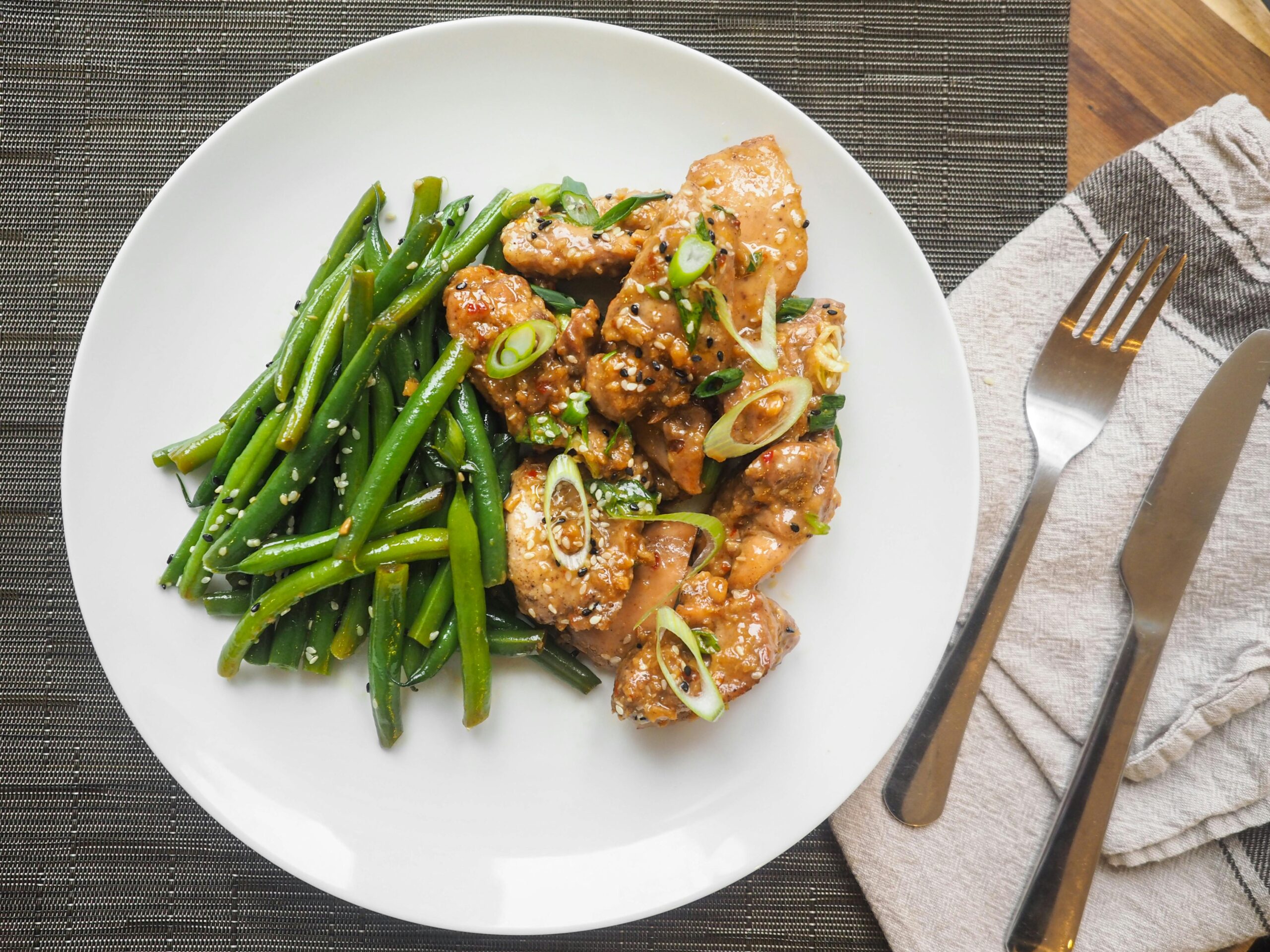
If you’re cooking at home, the goal isn’t to chase every trend; it’s to pick a few that genuinely improve your routine. One practical approach is to redesign your pantry around “trend-friendly” building blocks. Stock a couple of fermented condiments (kimchi, sauerkraut, miso), one or two bold spice blends, and at least one high-fiber grain you enjoy, such as farro or barley. Then, instead of overhauling your meal plan, update one element at a time: miso in your roast chicken glaze, chili crisp on your eggs, farro in your usual salad.
Families adopt trends faster when they appear first in side dishes and snacks rather than in the main event. A pine-ginger sparkling water might be more welcome than a pine-infused roast, for example. Over time, these small experiments build confidence and expand everyone’s comfort zone.
For Content Creators and Social Media Cooks
Social media food trends 2026 are driven by repeatable formats. Think “one-pan, three-texture dinners,” “five-ingredient swangy noodles,” or “newstalgic desserts” that remix a classic. To stand out, creators can anchor their content in recognizable 2026 themes—grazing boards, fiber-forward bowls, sweet-savory desserts—while adding a personal stamp, like a regional ingredient or a family story.
Viral food trends 2026 also reward transparency. Viewers respond when you explain not just how to make a dish, but why it fits into broader trends: “We’re using miso here for umami and a bit of gut-friendly fermentation,” or “These are mini because grazing is how many of us actually eat now.” That context positions you as a guide, not just a recipe repeater.
For Chefs, Product Developers, and Retailers
Professionals looking at 2026 food trends USA-wide should pay attention to convergence points: where restaurant innovation, grocery strategy, and home-cooking behavior overlap. Snackable, shareable formats with layered flavors and functional benefits sit at that intersection. Affordable luxury tasting menus in restaurants mirror premium snack boxes in retail; both promise a curated, elevated experience at a reachable price.
Comparing the major sources offers a useful checklist. The James Beard Foundation highlights fermentation and savory beverages; Kroger emphasizes grazing and personalization; Nestlé USA spotlights big heat and swangy textures; Taste of Home focuses on cozy, upgraded comfort; KTCHN Rebel and Food Campus Berlin stress color, function, and flexibility. A concept that satisfies at least three of those five lenses is far more likely to resonate across channels.
Global Influences and the Colorful, Flexible Future of Everyday Eating
Zooming out, the most compelling insight from Pierre Nierhaus and Food Campus Berlin’s perspective on 2026 is the idea of “more colorful plates, more functional dishes, more flexible people.” Color is not just an aesthetic choice; it signals diversity of ingredients—purple sweet potatoes, deep-green herbs, bright-orange fermented carrots, jewel-toned tropical fruits. These ingredients are increasingly sourced from global culinary traditions, particularly across Asia and Latin America.
Coverage of Torani’s forest pine flavor underscores another thread: a renewed fascination with nature-inspired tastes. Woodsy berries, tropical fruits from Asia, and herbaceous notes such as sage and rosemary are moving from niche cocktail bars into mainstream beverages and desserts. This dovetails with Whole Foods 2026 coverage, where tropical and regional produce often play starring roles in prepared foods and bakery items.
Flexible Identities on the Plate
Flexibility shows up not only in eating patterns (grazing vs. three meals) but also in how people identify their diets. Many diners now move fluidly between plant-based, omnivorous, and high-protein days. That fluidity encourages hybrid dishes: a mostly plant-based bowl topped with a small portion of high-quality meat, or a dessert that leans on fruit and nuts but still includes a bit of dairy for richness. Industry observers note that this approach can make it easier for people to incorporate more plants and fiber without feeling constrained by labels.
In practice, that might look like a week where you alternate between lentil-rich stews, fish-forward dinners, and one night of unapologetically cheesy pizza—each dish still colored, literally and figuratively, by 2026 food trends like ferment-forward condiments, global spice blends, and textural contrast.
Regional Nuances Across the USA
Within the United States, these global influences play out differently by region. West Coast menus might highlight Korean and Japanese fermentation, tropical fruits, and plant-based bowls. Southern chefs could lean into heritage grains, pickled vegetables, and hot-honey variations that nod to both tradition and trend. In the Midwest, upgraded casseroles and snack boards may serve as the canvas for national trends like swangy textures and sweet-savory mashups. Understanding these nuances matters for anyone trying to design products or content that resonate beyond a single city.
Conclusion: Turning Trend Noise into a Practical 2026 Food Playbook
Stand in the middle of a modern supermarket, scroll through your social feeds, or glance at a tasting menu, and it can feel like food is changing faster than anyone can keep up. Yet when you strip away the buzzwords, the 2026 food trends converging across restaurants, grocery, and home kitchens tell a coherent story. We are moving toward food that works harder—emotionally, nutritionally, and visually—without demanding professional skills or perfect discipline from the eater.
The James Beard Foundation’s focus on savory cocktails, intentional fermentation, and affordable luxury tasting menus shows how chefs are weaving depth and sustainability into memorable experiences. Kroger’s prediction that grazing and mini meals will define 2026 underscores the reality of how people actually eat during busy days. Nestlé USA’s spotlight on big heat and “swangy” textures, along with Torani’s forest pine flavor, illustrate how brands are packaging nature-inspired tastes for mainstream audiences.