Industry Leaders Unveil 2026 Cooking Trends Shaping America’s Culinary Future
In early 2026, a wave of bold innovations and unexpected flavors is influencing American kitchens and dining rooms. The 2026 cooking trends have attracted attention as chefs, restaurateurs, and home cooks navigate a rapidly evolving food landscape. Whether it’s a TikTok-driven viral snack or a chef-led fermentation technique, this year’s trends reflect a blend of nostalgia and novelty. Reports from AOL’s expert panel and the James Beard Foundation highlight a dynamic interplay between social media, health awareness, and a renewed appreciation for craftsmanship. As mainstream and niche culinary movements intertwine, the 2026 cooking trends in the USA offer both comfort and surprise. From the resurgence of ancestral grains to dopamine-boosting kitchen decor, today’s home cook faces more choices—and more inspiration—than before. This analysis explores how these trends are emerging, who’s leading the charge, and what it may mean for the future of food at home and in restaurants.
From Pinterest Boards to Restaurant Menus: How 2026’s Wildest Trends Go Mainstream
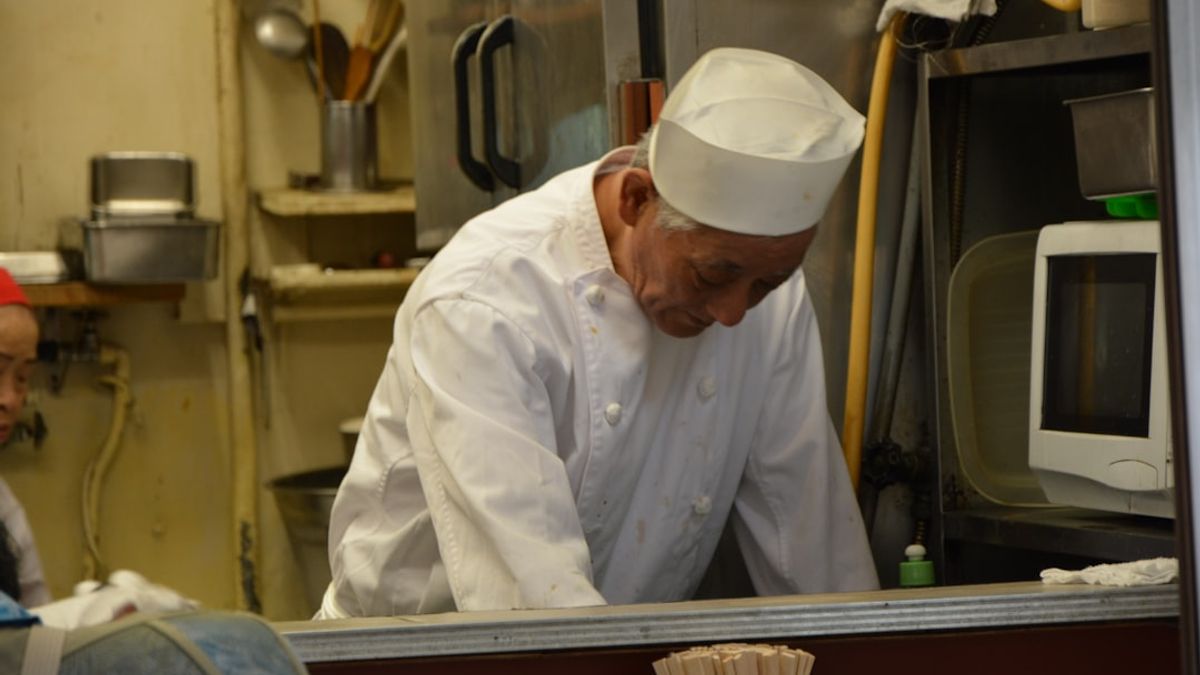
In January, chef Marcus Samuelsson posted an Instagram video of his Harlem kitchen, where his team experimented with miso caramel and a vivid “Glamoratti” dessert—two of Pinterest’s predicted 2026 cooking trends. The video attracted notable attention, as both professional and home cooks sought to replicate the look. According to AOL’s expert panel, platforms like Pinterest and Instagram are launching pads for culinary innovation, propelling ideas like “Brooched” baked goods and “Poetcore” plating into wider recognition.
Industry reports indicate these once-niche trends are increasingly adopted by various restaurant chains. A survey referenced by the James Beard Foundation suggests that many chefs intend to integrate social media-driven concepts into their 2026 menus, highlighting the influence of viral food trends on consumer expectations and professional standards. This blend of digital inspiration and real-world application is contributing to the evolution of American palates. Related reading: Explore 2026 Food Trends Transforming Kitchen Skills.
- Glamoratti: Bold, jewel-toned desserts with glittering finishes and intricate shapes
- Poetcore: Rustic, romantic presentations inspired by vintage poetry and nature
- Scent Stacking: Multi-sensory dining where aromatic mists and garnishes enhance the experience
- Brooched: Layered, ornate baked goods resembling vintage brooches in form and flavor
- Neo Deco: Art Deco-inspired plating with geometric shapes and metallic accents
Social media food trends in 2026 are not merely fleeting fads. With rapid sharing and adaptation of visually striking dishes, what begins online often reaches neighborhood bistros and national restaurant groups. The result is a culinary landscape where creativity and accessibility coexist, and where new trends can originate from viral posts as well as from established kitchens.
Affordable Luxury and Plate Sharing Reshape Restaurant Experiences
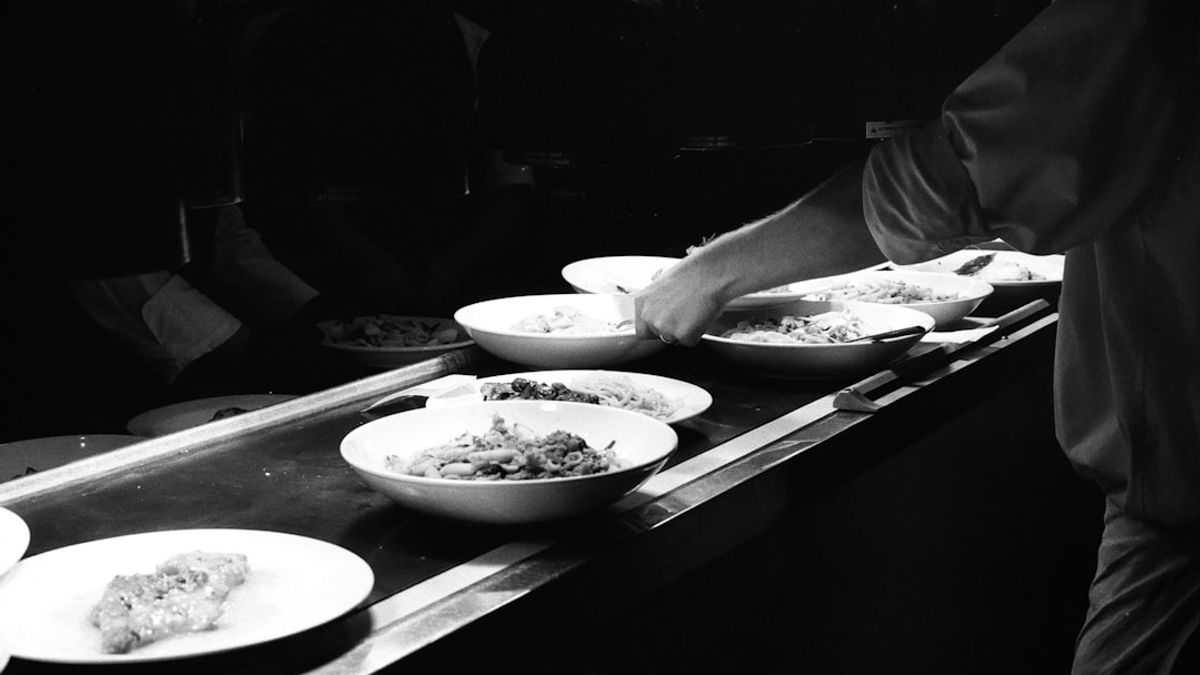
Industry analysts observe that 2026 cooking trends are influencing not only what Americans eat but also how they dine out. According to a recent review from the James Beard Foundation, affordable luxury has become a notable theme, with restaurants offering tasting menus at more accessible price points to attract a wider audience. This approach blends exclusivity with accessibility, allowing more diners to experience chef-driven innovation without prohibitive costs.
Large-format dishes encouraging communal dining and conversation are also gaining attention. The shift toward shared plates, often featuring bold global flavors, is seen as a response to recent social trends and the ongoing desire for connection. Restaurant groups such as Momofuku and the Union Square Hospitality Group have designed menus emphasizing togetherness and exploration.
Intentional fermentation is another significant trend. Chefs are incorporating house-made vinegars, aged misos, and fermented vegetables to add depth and complexity in food and beverage programs. This resurgence of traditional techniques is being reinterpreted for modern tastes, with an emphasis on health awareness and sustainability. According to Nestlé USA’s 2026 kitchen trends report, many new restaurant openings in 2026 include signature fermented items on their menus.
The 2026 food pyramid appears to be shifting, with protein-forward dishes and plant-based options gaining prominence. This evolution is reflected in breakfast trends, where savory grains, fiber-rich bowls, and global influences are increasingly common, often replacing sugary pastries and processed cereals. Whether it’s a turmeric-infused congee at a Brooklyn café or a smoked tofu scramble in Portland, diners are exploring variety and nutrition in meals. This pairs well with our guide on Explore 2026 Food Trends Transforming Culinary Techniques.
| Trend | Average Caloric Content (per serving) | Protein Content | Consumer Adoption Rate (2026) | Menu Inclusion Rate (Restaurants, 2026) |
|---|---|---|---|---|
| Powerhouse Proteins (e.g., heritage beans, sustainable seafood) | Moderate calorie range | Moderate protein range | Adopted by a notable portion of consumers | Featured in many restaurant menus |
| Fermented Foods (kimchi, miso, kombucha) | Lower calorie range | Lower protein range | Growing consumer interest | Common on new menus |
| Hybrid Bakes (cruffins, brookies) | Moderate to higher calorie range | Lower protein range | Increasingly popular | Featured in select restaurants |
| Grazing Boards and Mini Meals | Varied calorie range | Moderate protein range | Widely adopted | Frequently included on menus |
| Global Breakfast Bowls (e.g., shakshuka, congee) | Moderate calorie range | Moderate protein range | Moderate consumer adoption | Featured in many breakfast menus |
Are Health and Wellness the True Drivers of 2026 Cooking Trends?
Is wellness the primary force behind 2026 cooking trends, or do aesthetics and novelty still play major roles? Analysis of restaurant openings, grocery sales, and social media engagement suggests that health consciousness is a dominant, though not exclusive, motivator. The rise of “powerhouse proteins”—including heritage beans and sustainable seafood—reflects increasing interest in nutrient-rich, functional foods.
Fiber-rich ingredients and gut-friendly preparations are gaining attention, with indications of growing consumer interest in high-fiber products. Fermented foods such as kimchi, kombucha, and miso are often promoted for potential digestive benefits; however, clinical studies referenced by the Mayo Clinic note that individual responses may vary and further research is needed to confirm effectiveness.
The return of ancestral and traditional ingredients is also notable. Chefs are reviving heritage grains, while cookbook authors highlight foraged greens and time-honored preservation methods. This movement aligns with broader health food trends emphasizing whole foods over ultra-processed alternatives.
- Powerhouse protein: Dishes centered on beans, lentils, sustainable seafood, and responsibly raised meats
- Gut health: Increased use of fermented foods, prebiotic fibers, and cultured dairy
- Ancestral ingredients: Incorporation of heritage grains, wild greens, and traditional preservation techniques
- Smarter snacking: Mini-meals and grazing boards that balance flavor, nutrition, and portion control
- Breakfast reinvention: Global breakfast bowls, protein-packed porridges, and savory morning options
Analysis suggests that while social media may spark curiosity, lasting trends tend to combine sensory appeal with health awareness. The interplay of these forces ensures that cooking trends remain diverse, dynamic, and rooted in both tradition and innovation.
Health Disclaimer: The nutritional and health-related information provided in this article is for informational purposes only and is not intended as medical advice. Readers should consult healthcare professionals for personalized dietary recommendations. Related reading: 2026 Kitchen Trends: Top Designs To Elevate Your Cooking Space.
“Grazing Is Now Mainstream”: Why Snacking and Personalization Dominate the 2026 Table
“Grazing is now mainstream,” says an industry executive in a late-2025 interview. “Customers want portion control, personalization, and the freedom to build their meals bite by bite.” This observation captures a defining characteristic of the 2026 food scene: the rise of customizable, snack-sized offerings that suit various dietary preferences and social settings.
The context for this shift is multifaceted. Economic uncertainty in recent years has led consumers to seek value, while social media has made visual appeal and convenience essential. At-home entertaining is also increasing, with catering trends emphasizing interactive grazing boards, one-bite canapés, and globally inspired snack platters. From intimate gatherings to large celebrations, the new table is abundant, flexible, and designed for sharing.
Compared to previous years, this trend is significant. In 2024 and 2025, traditional three-course meals and individual entrees still prevailed. Now, multi-layered bakes, hybrid pastries, and modular meal kits are gaining prominence, blurring lines between snacks and main courses. Supermarket data indicate increased sales of mini-meal components and snackable proteins.
Personalization in Action: Three Signature Trends
- Build-Your-Own Grazing Boards: Featuring regional cheeses, roasted vegetables, and global dips for tailored flavor experiences
- Mini Meals: Two-bite sliders, sushi tacos, and customizable grain bowls adapting to dietary needs
- Hybrid Bakes: Treats like cruffins and brookies combining multiple textures and flavors in one serving
As the 2026 cooking trends USA market embraces these changes, personalization and flexibility have become essential, reshaping expectations from kitchen tables to catering spreads.
Layered, Swangy, and Sensory: The “Weird” Side of 2026 Cooking Trends
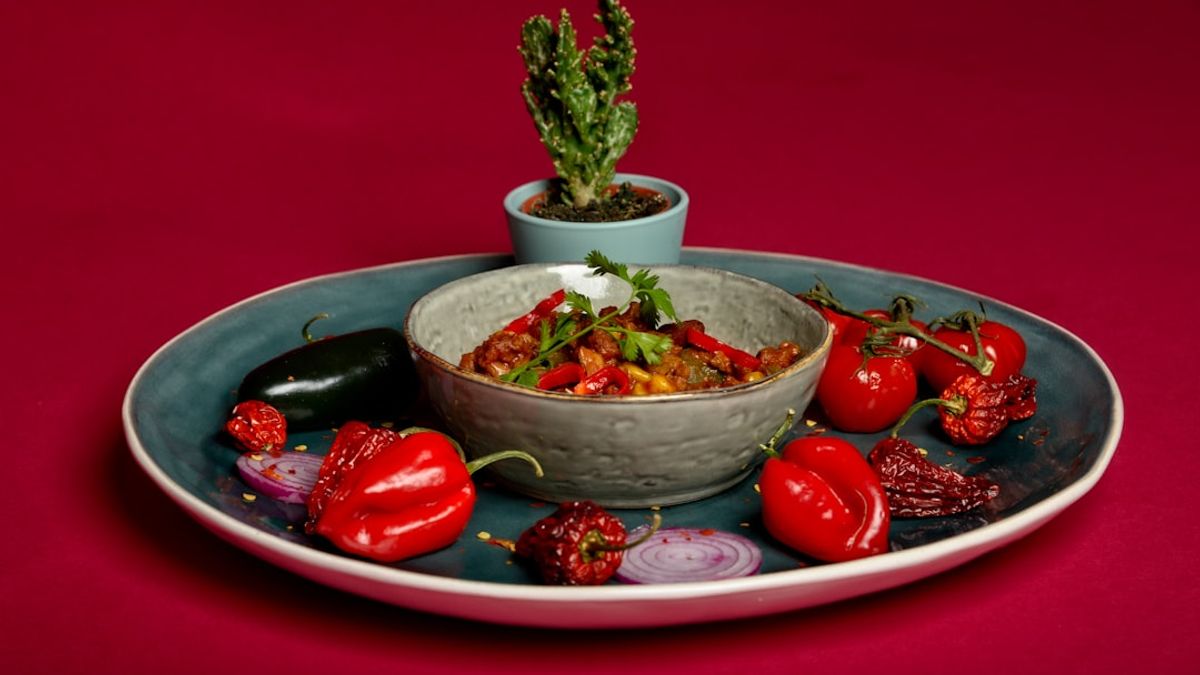
At Nestlé USA’s test kitchen, chefs experiment with what they call “swangy” flavor profiles—unexpected combinations of sweet, savory, tangy, and spicy notes in a single bite. According to Nestlé’s 2026 kitchen trend report, these layered creations are attracting culinary professionals and sparking viral moments on platforms like TikTok and YouTube. For practical tips, check Beginner Cook Recipes: 7 Easy Dishes To Master Today.
Multi-Layered Bakes and Hybrid Pastries
Hybrid pastries—such as cruffins (croissant-muffin hybrids), brookies (brownie-cookie mashups), and reimagined donuts—blur category lines. These creations offer a mix of textures: crunch, creaminess, and softness in every bite. Bakeries including Dominique Ansel in New York and Tartine in San Francisco are known for limited-edition bakes that often sell out quickly. The sensorial appeal is complemented by visual drama, driving social media food trends and influencing home bakers and commercial producers alike.
Bold Flavors and “Sweet-Savory” Mashups
The sweet-heat trend prominent in 2025 has evolved toward sweet-savory pairings in 2026. Dishes like miso caramel, tahini fudge, and chili-infused chocolate appear in diverse venues from independent coffee shops to dessert bars. These combinations challenge conventional palates and encourage adventurous eating. Industry reports suggest an increasing presence of sweet-savory elements on new menus, as chefs seek to surprise and delight a sophisticated audience.
Sensory Dining and “Dopamine Decor”
Sensory dining is gaining prominence. Restaurants incorporate scent stacking—layering aromatic elements through mists, infusions, or garnishes—to enhance the eating experience. Meanwhile, “dopamine decor” is popular in both professional and home kitchens: vibrant tile backsplashes, bold color-blocking, and whimsical tableware aim to boost mood and creativity. This trend is reflected in trends guides shared by designers and influencers, providing inspiration for refreshing cooking spaces.
New Ideas and Old Wisdom: How 2026 Cooking Trends Honor the Past While Inventing the Future
Influential figures in food, such as chef Alice Waters and cookbook author Samin Nosrat, advocate a return to seasonal, ingredient-driven cooking. This ethos is reinterpreted for 2026 with a focus on heritage grains, local produce, and slow food techniques. Concurrently, technology enables new culinary creativity, from AI-powered recipe generators to smart kitchen gadgets that streamline complex processes.
According to a Katie Couric Media report, the intersection of old and new is where many 2026 trends emerge. For example, fermentation extends beyond kimchi or sauerkraut; chefs apply it to fruit preserves and cocktail bitters, creating layered flavors and extending shelf life. This reflects a broader health and sustainability movement, as consumers grow more conscious of food waste and resource conservation.
Breakfast Trends 2026: Global Flavors, Local Ingredients
Breakfast is experiencing a renaissance. Instead of sugary cereals or bland toast, diners choose savory porridges, protein-rich bowls, and international flavors like shakshuka and congee. Restaurants such as Sqirl in Los Angeles and Superiority Burger in New York offer globally inspired breakfast menus combining local produce with bold spices and innovative textures. This shift influences home cooks, who seek 2026 cooking trends guides and online tutorials to replicate these dishes.
Viral Food Trends and the Power of Community
Viral food trends in 2026 often arise from community-driven experimentation. Whether a new take on avocado toast or a visually striking dessert, these trends are amplified by digital platforms and adapted by professional chefs. The most resonant ideas offer comfort, nostalgia, or discovery, contributing to a vibrant, inclusive, and evolving food and dining landscape.
Frequently Asked Questions about 2026 Cooking Trends
What is trending in food in 2026?
In 2026, food trends blend health-driven innovation and sensory delight. Key movements include the rise of powerhouse proteins like sustainable seafood and heritage beans, the mainstreaming of fermented foods, and a focus on grazing boards and mini meals for portion control and personalization. Sweet-savory mashups, multi-layered bakes, and global breakfast bowls also attract consumer interest. Instagrammable plating styles, such as Neo Deco and Poetcore, influence restaurant and home dining presentations.
What are 2026 kitchen trends?
Kitchen trends in 2026 emphasize function and aesthetics. Two-tone cabinetry—often with lighter uppers and deeper-toned lowers or islands—adds visual interest. Dopamine decor, featuring bold colors and playful accents, is popular for boosting mood and creativity. Smart appliances and AI-driven gadgets are increasingly common, simplifying cooking tasks. Open shelving, integrated herb gardens, and modular storage solutions support efficiency and sustainability in modern kitchens.
What is trending bakes in 2026?
Hybrid bakes and multi-layered creations dominate the 2026 baking scene. Treats like cruffins (croissant-muffin hybrids), brookies (brownie-cookie combos), and inventive donuts blur traditional categories. Bakers focus on texture and flavor, aiming to deliver crunch, creaminess, and softness in every bite. Decor is more elaborate, with Glamoratti-inspired finishes and intricate “Brooched” designs making pastries visually striking and shareable on social media.
What will be trendy in 2026?
2026 will feature a convergence of health, personalization, and sensory experiences. Expect customizable grazing boards, mini-meal formats, and plant-forward dishes. Fermentation and gut health remain important, while bold plating styles and inventive flavor pairings keep menus exciting. Viral food trends will continue influencing chefs and home cooks, ensuring novelty, nostalgia, and wellness shape the culinary landscape.
How are restaurants adapting to 2026 cooking trends?
Restaurants are embracing 2026 cooking trends by offering affordable luxury through accessible tasting menus, promoting communal dining with large-format shared plates, and integrating innovative fermentation techniques. Menus increasingly feature protein-forward dishes, plant-based options, and globally inspired breakfast bowls, reflecting both consumer demand and culinary creativity.
Why is personalization important in 2026 cooking trends?
Personalization is central to 2026 cooking trends because consumers value choice, dietary flexibility, and the ability to customize meals. Grazing boards, mini meals, and modular meal kits allow diners to tailor their experiences, accommodating diverse preferences and fostering a sense of ownership over what they eat.
What role does social media play in shaping 2026 cooking trends?
Social media platforms like Pinterest, Instagram, TikTok, and YouTube are powerful drivers of 2026 cooking trends. They enable rapid sharing of visually appealing dishes, spark viral food movements, and influence both home cooks and professional chefs. Trends that gain traction online often transition to restaurant menus and mainstream dining culture.
Are health and wellness still major drivers of food trends in 2026?
Yes, health and wellness remain major drivers of food trends in 2026. Consumers are increasingly interested in nutrient-rich powerhouse proteins, fermented foods for gut health, and ancestral ingredients. However, sensory appeal, creativity, and nostalgia also play important roles in shaping what people eat and how they experience food.
Disclaimer: The information provided on this website is for informational purposes only and is not intended as medical advice. Always consult a licensed healthcare professional before making any decisions related to your health or treatment. We do not guarantee the accuracy or completeness of the content and are not responsible for any outcomes resulting from its use.
Conclusion: Decision Makers Face a Transformative Culinary Landscape in 2026
The 2026 cooking trends highlight a pivotal moment for America’s food industry and home cooks alike. Decision makers in restaurants, catering, and food manufacturing must navigate a complex interplay of digital influence, health consciousness, and creative expression. As noted by reports from AOL experts, the James Beard Foundation, and Kroger, the path forward is dynamic. Social media food trends in 2026 will continue to spark viral moments, but trends with lasting impact tend to offer real value—nutritional, sensory, and social.
For industry professionals, embracing innovation means balancing novelty with tradition. Curating menus that include both avant-garde creations and comfort-driven classics allows broader consumer engagement. For home cooks and food enthusiasts, access to resources like 2026 cooking trends guides and interactive tutorials makes experimentation accessible and rewarding.
As the year progresses, the culinary world will be shaped by those willing to adapt, collaborate, and learn from both past and present. Whether chef, home cook, or food industry leader, staying informed about cooking trends will be essential for success. Engage with these trends, experiment boldly, and contribute to a food culture that is diverse, resilient, and creative.